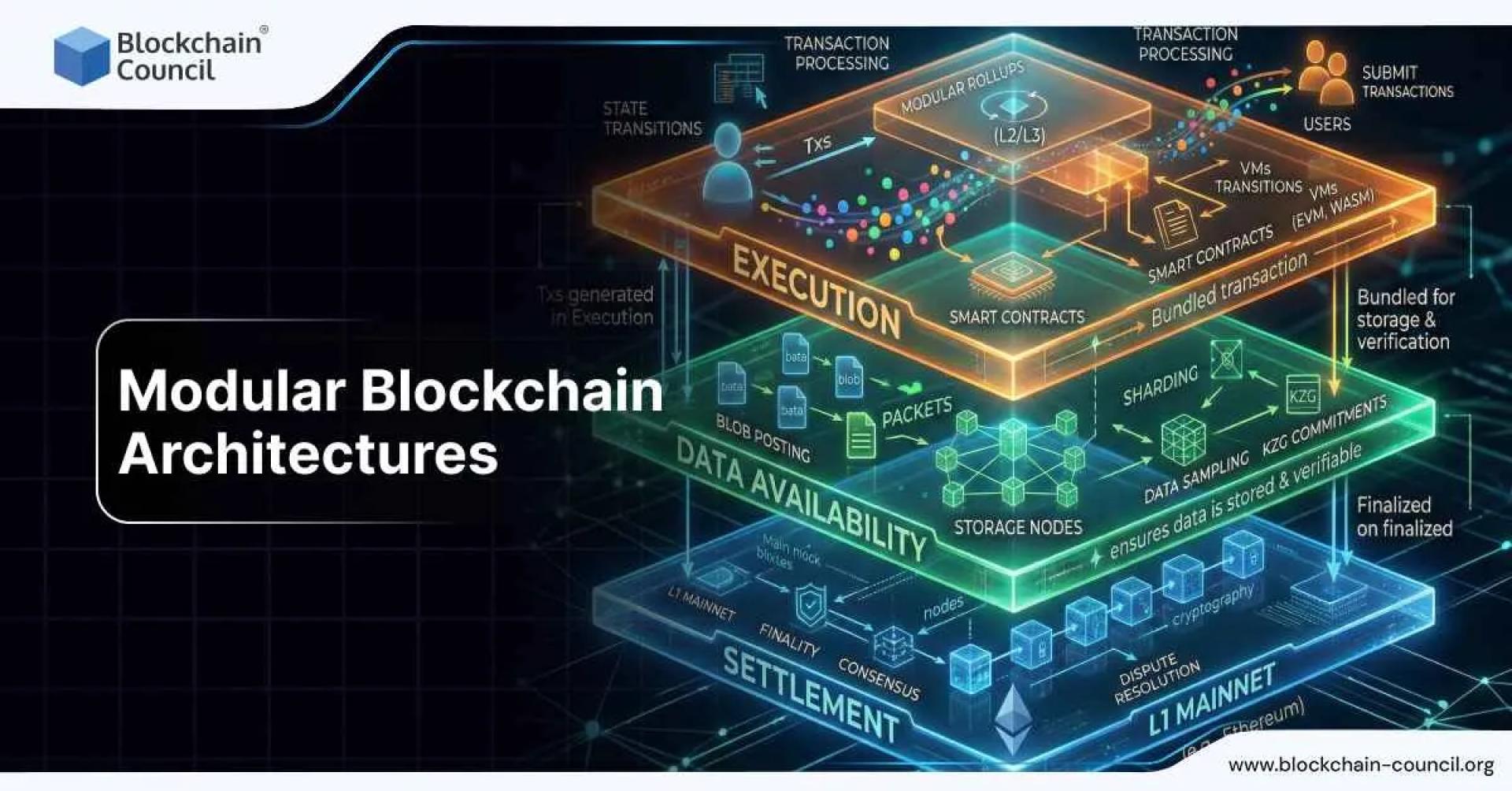
For years, the term "blockchain" has been inextricably linked to the volatile world of cryptocurrency. However, treating blockchain merely as the engine behind Bitcoin is a vast understatement of its true potential. At its core, Blockchain technology represents a fundamental paradigm shift in how we store, verify, and transfer digital information.
By replacing centralized authorities with mathematically verifiable networks, blockchain establishes a new standard for digital trust. This comprehensive guide breaks down the mechanics of this distributed ledger technology (DLT), explores its consensus mechanisms, and examines how it is quietly revolutionizing industries far beyond the financial sector.
The Architecture of Trust: How Blockchain Works
To understand Blockchain, it is helpful to visualize a digital spreadsheet duplicated thousands of times across a massive network of computers. Whenever an update is made, the network must verify and agree upon the change before it is permanently recorded across all copies.
A blockchain consists of three foundational elements:
- Blocks: Each block contains three pieces of data. First, the actual information being recorded (e.g., transaction details like the sender, receiver, and amount). Second, a cryptographic hash, which acts as a unique digital fingerprint for that specific block. Third, the hash of the previous block in the chain.
- The Chain: By including the previous block's hash, the blocks are inextricably linked together in chronological order. If a malicious actor attempts to tamper with data inside an old block, its hash will instantly change. This breaks the connection to the subsequent block, rendering the rest of the chain invalid.
- Nodes: A blockchain is not stored on a single central server. Instead, it is distributed across a decentralized network of computers, known as nodes. Every node holds a complete copy of the ledger.
This architecture ensures immutable data—once information is recorded, it cannot be altered or deleted without the consensus of the entire network.
Consensus Mechanisms: Securing the Network
Because there is no central administrator (like a bank or government) verifying transactions, blockchains rely on complex algorithms called consensus mechanisms to ensure all nodes agree on the validity of new data.
- Proof of Work (PoW): Pioneered by Bitcoin, PoW requires network participants (miners) to expend significant computational energy to solve complex mathematical puzzles. The first to solve the puzzle earns the right to add the next block and is rewarded with cryptocurrency. While highly secure, PoW is widely criticized for its immense energy consumption.
- Proof of Stake (PoS): Adopted by modern networks like Ethereum, PoS is a vastly more energy-efficient alternative. Instead of using computing power, validators "stake" (lock up) their own cryptocurrency as collateral to vouch for the accuracy of new blocks. If they attempt to validate fraudulent transactions, they lose their staked assets.
Smart Contracts: Automating the Future
One of the most powerful innovations built on top of blockchain technology is the smart contract. These are self-executing programs stored directly on the blockchain, where the terms of the agreement between buyer and seller are written directly into lines of code.
When predetermined conditions are met, the smart contract executes automatically without the need for human intervention or third-party intermediaries (like lawyers or escrow services). This eliminates counterparty risk, reduces transaction costs, and accelerates processing times dramatically.
Real-World Applications Beyond Cryptocurrency
While decentralized finance (DeFi) continues to be a major driver of blockchain adoption, the technology's ability to provide transparent, tamper-proof records is solving complex problems across diverse sectors:
1. Supply Chain Transparency
Global supply chains are notoriously opaque. By implementing blockchain, companies can track the provenance of a product from its origin to the consumer's hands. Supermarkets can instantly trace the exact farm where a contaminated batch of produce was grown, and luxury brands can digitally prove the authenticity of their goods to combat counterfeiting.
2. Healthcare Data Management
The healthcare industry suffers from fragmented patient records stored in siloed hospital databases. A secure, patient-permissioned blockchain network allows medical records to be accessed instantly by authorized healthcare providers, ensuring accurate treatment histories while maintaining strict data security and patient privacy.
3. Real Estate and Tokenization
Real estate transactions are historically sluggish, bogged down by title searches, brokers, and heavy paperwork. Blockchain streamlines this by digitizing property titles. Furthermore, the technology allows for the "tokenization" of physical assets, dividing an expensive commercial property into digital shares, thereby democratizing access to high-value investments.
Navigating the Challenges Ahead
Despite its revolutionary potential, blockchain is not a flawless panacea. The industry currently faces the "Blockchain Trilemma," a concept suggesting it is incredibly difficult for a network to achieve decentralization, security, and scalability simultaneously. As networks grow, transaction speeds can slow down, and processing fees can spike.
Additionally, the regulatory landscape remains murky. Governments worldwide are actively debating how to classify digital assets, enforce taxation, and implement anti-money laundering (AML) protocols without stifling technological innovation.
The Bottom Line
Blockchain technology is transitioning from a speculative experiment into a foundational enterprise infrastructure. By providing unprecedented transparency, security, and automation through decentralized networks, it is actively rebuilding the architecture of digital trust. As consensus mechanisms become more environmentally sustainable and scalability solutions mature, blockchain's integration into our daily digital lives is not just a possibility—it is an inevitability.
























Sign in to leave a comment.