

An Aussie Summer Like No Other: Where Wellness Meets Sustainability
Summer in Australia isn’t just a season; it’s a cultural phenomenon. It’s when the scent of eucalyptus mixes with ocean breeze, beach cricket turns competitive, and mealtimes shift outdoors—from Bondi to backyard decks. But in recent years, one more shift has joined the mix: Australians are embracing a more conscious approach to summer dining, with a surge in healthy food culture and an unmistakable move toward sustainability.
This article explores how Australia’s unique blend of food, sun, and environmental awareness is shaping what we eat—and what we eat it on.
The Rise of Healthy Eating in Australia's Summer Scene
Australia's health-conscious lifestyle peaks during summer. With temperatures soaring and daylight stretching well into the evening, lighter, fresher meals dominate the table. Grain bowls loaded with quinoa, kale, chickpeas, and roasted pumpkin are staples at brunch cafés in Melbourne. In Sydney, poke bowls topped with fresh tuna, avocado, and sesame are as common as fish and chips once were.
Smoothies? Think supercharged blends of mango, passionfruit, spinach, and spirulina, served chilled after morning surf sessions or gym workouts.
The trend is fueled by more than Instagram aesthetics. Australians are increasingly prioritizing plant-based eating, lower sugar intake, and locally sourced produce—driven by both health concerns and environmental awareness.
But as salads get greener and juices more vibrant, there’s another, subtler transformation happening under the bowl.
Goodbye Plastic, Hello Sugarcane Tableware
With the Australian government phasing out single-use plastics across most states, food vendors have turned to eco-friendly alternatives. Among the frontrunners? Sugarcane tableware, especially bagasse-based products.
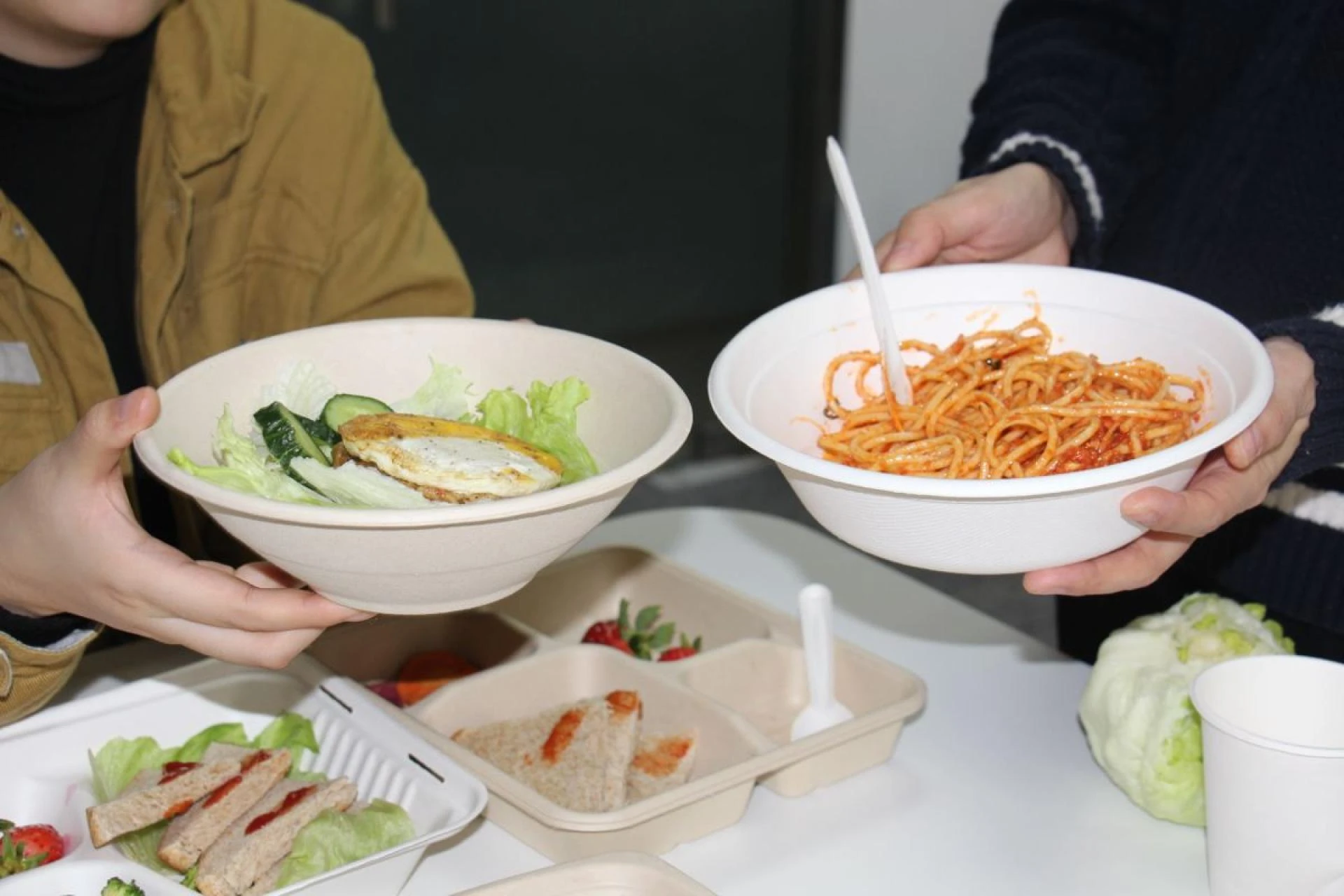
Bagasse—made from sugarcane fiber left over after juice extraction—is proving to be a game-changer. It’s biodegradable, compostable, sturdy enough for curries, and cool enough for your açai bowl. And it aligns perfectly with Australia's push to reduce landfill waste while maintaining aesthetic and practical standards in food presentation.
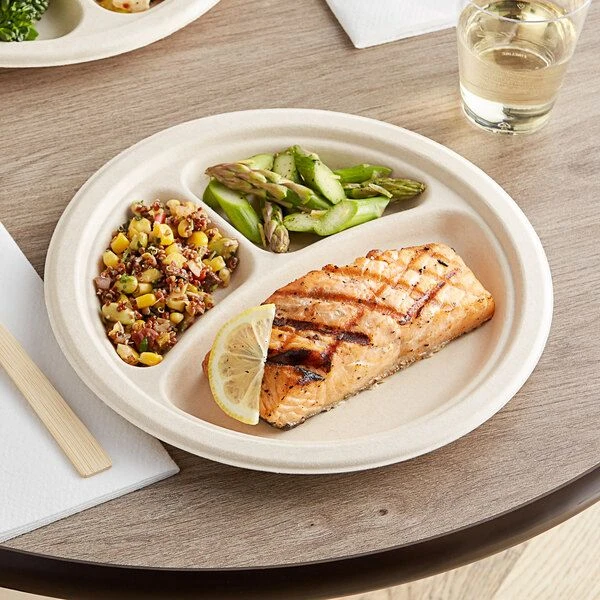
Sugarcane bagasse tableware doesn’t just tick the environmental box. It’s also a stylish match for Australia’s alfresco food culture. Cafés and takeaway joints are choosing minimalist, earthy-toned bagasse tableware that pairs perfectly with avocado toast and beetroot hummus.

Outdoor Dining and Takeaway Trends
With travel still evolving post-pandemic, domestic adventures are all the rage. Australians are exploring their own backyard—literally. Beaches, parks, and national reserves are seeing record visitors, and outdoor meals have become the norm.
Picnics in Byron Bay, food truck tacos in Brisbane, and camping brunches in the Blue Mountains all share one thing: portability. Here, eco-packaging steps in as both a solution and a statement.
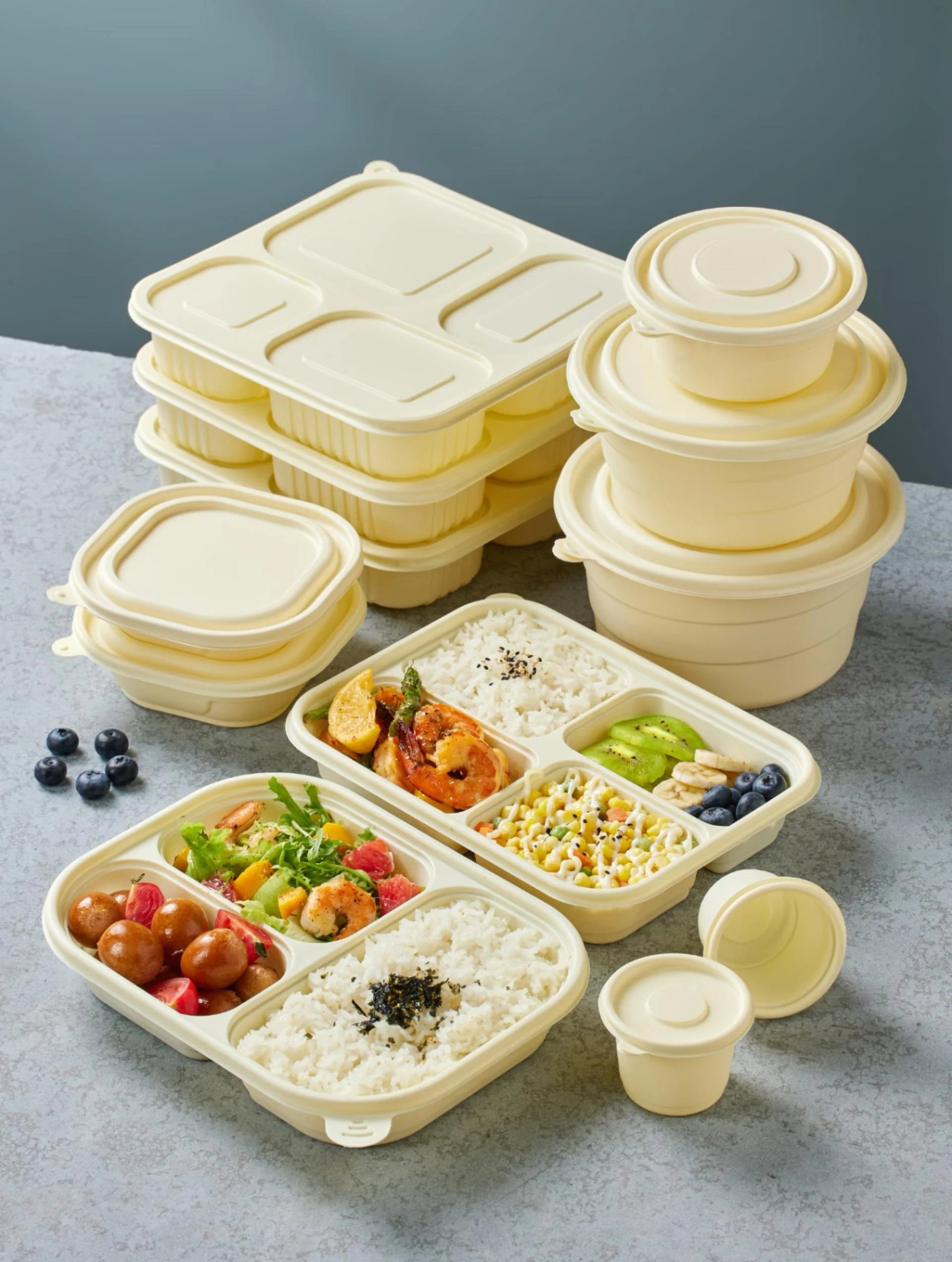
Enter bagasse tableware manufacturers, supplying bulk biodegradable containers, bowls, and plates to food vendors and retailers keen to avoid fines—and reputational damage—from outdated plastic usage.
Whether it’s a smoothie bowl on the go or a chargrilled haloumi salad in a pop-up tent café, sugarcane packaging ensures the experience stays guilt-free.
The Role of Food Festivals in Promoting Change
Summer in Australia wouldn’t be complete without its iconic food festivals. From Melbourne’s Night Noodle Markets to the Taste of Tasmania, local chefs and global cuisines come together to delight the senses.
What’s new this year? The overwhelming presence of sugarcane bagasse tableware at stalls and food stands.
Festival organizers have begun mandating compostable containers, with bagasse tableware leading the way for its balance of durability and compostability. Attendees eat mindfully, not just in terms of flavor but in waste impact.
This shift hasn’t gone unnoticed. Local bagasse tableware manufacturers have reported a steady rise in seasonal bulk orders, particularly during Australia’s festival window of November to February.
Sustainability Becomes a Selling Point
In today’s digital-first food market, branding matters. Restaurants and food trucks across Australia are now advertising their eco-friendly practices as competitive advantages.
Takeaway packaging is no longer just functional—it’s part of the brand identity. Diners appreciate when their falafel wrap comes in compostable wrap and when their poke bowl sits snugly in a sugarcane tableware container.
This isn’t just a feel-good move. Studies show Gen Z and millennial consumers in Australia are more likely to support businesses that adopt visible sustainability measures. From signage to social media, showcasing your use of bagasse tableware sends a powerful message.
Case in Point: Summer Beach Café in Noosa
One beachside café in Noosa, Queensland, switched entirely to sugarcane bagasse tableware last year. Within six months, their waste costs dropped by 35%, and customer feedback soared, with comments frequently highlighting their eco-conscious setup.
The café’s owner, partnering directly with a bagasse tableware manufacturer, also used the transition in marketing campaigns—earning them a feature in a national green business showcase.
Their story reflects a wider trend: environmentally responsible choices not only serve the planet but attract loyal, values-aligned customers.

Looking Ahead: What This Means for Global Food Culture
Australia is far from alone in this movement, but it’s certainly setting the pace in the Southern Hemisphere. Its summer fusion of health, nature, and now sustainability is inspiring similar shifts in New Zealand, parts of Southeast Asia, and even California.
As climate concerns rise globally, and consumers demand better from brands, sugarcane bagasse tableware could well become the default—not the alternative.
Conclusion: Summer Dining That Feeds the Planet Too
Australia’s summer food scene is about more than what’s on your plate—it’s about what holds your food, where it’s eaten, and how it all ends up (or doesn’t) in the environment. With sugarcane tableware and bagasse tableware manufacturers leading the way, Aussie summer dining is shaping up to be as responsible as it is delicious.
Whether you're sipping a mango smoothie by the sea or enjoying a plant-based wrap on a picnic rug, this summer in Australia is proof that good food and good choices go hand in hand.






























Sign in to leave a comment.