

Deciding between hiring an in-house database administrator or working with MySQL consulting services isn't about finding one universally correct answer. In t...
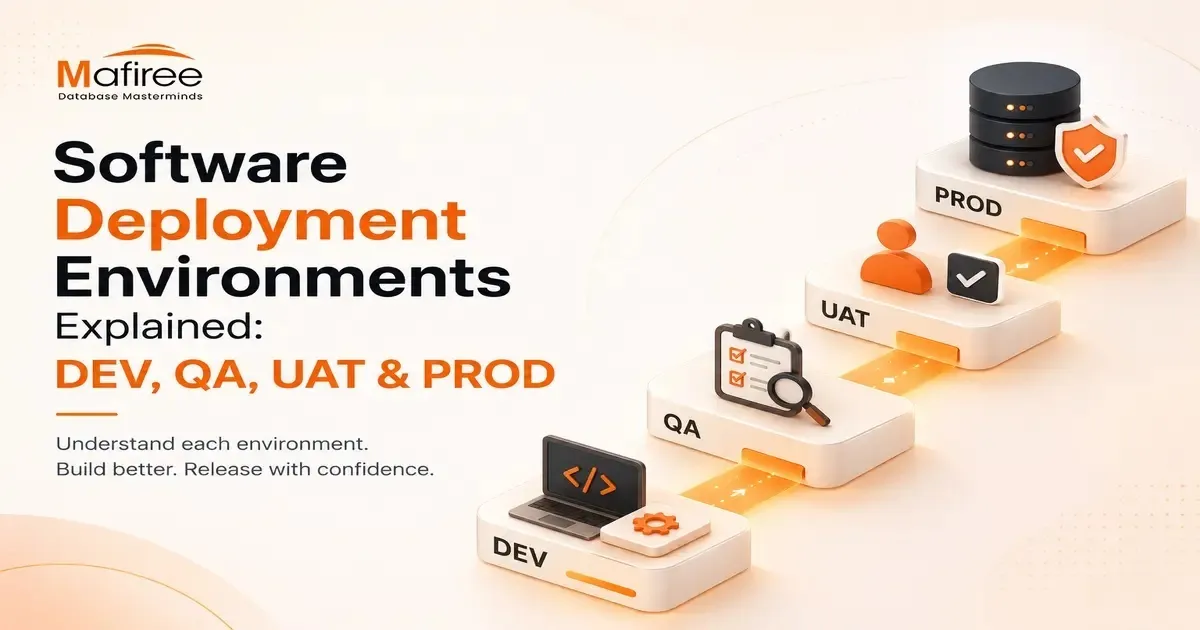
Modern software gets updated all the time, and rolling out changes without properly separated environments can disrupt live users, expose sensitive data, or interrupt important business operations. Software deployment environments solve this by giving developers, testers, and business stakeholders dedicated stages to validate an application before customers see it.
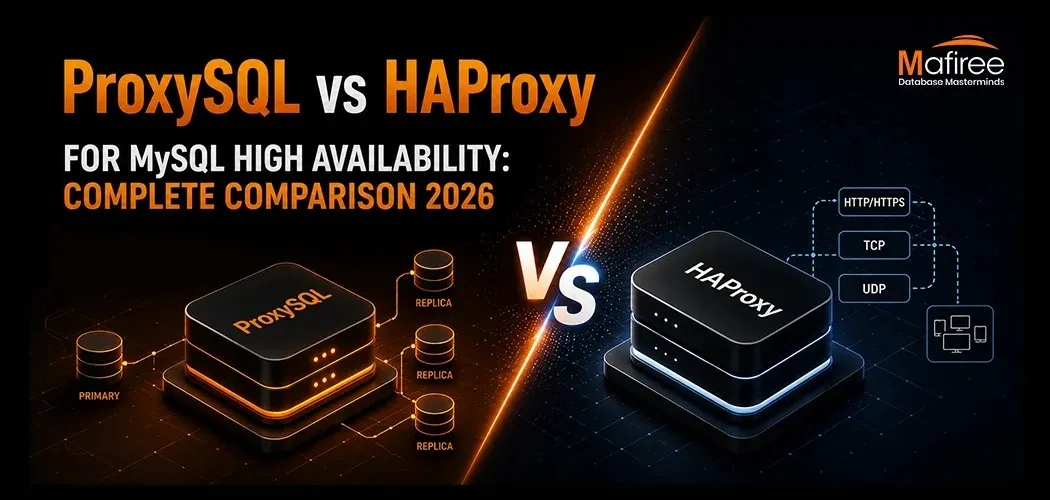
For teams managing MySQL infrastructure, ProxySQL vs HAProxy is a frequent decision point. Both are open-source tools that strengthen database reliabili...
Internal teams can resolve most MySQL slowdowns on their own - fixing a missing index or cleaning up a bloated table. But a smaller category of problems resi...

An AWS DevOps Agent is a smart automation layer built on top of AWS that continuously observes, evaluates, and manages cloud infrastructure and applicat...
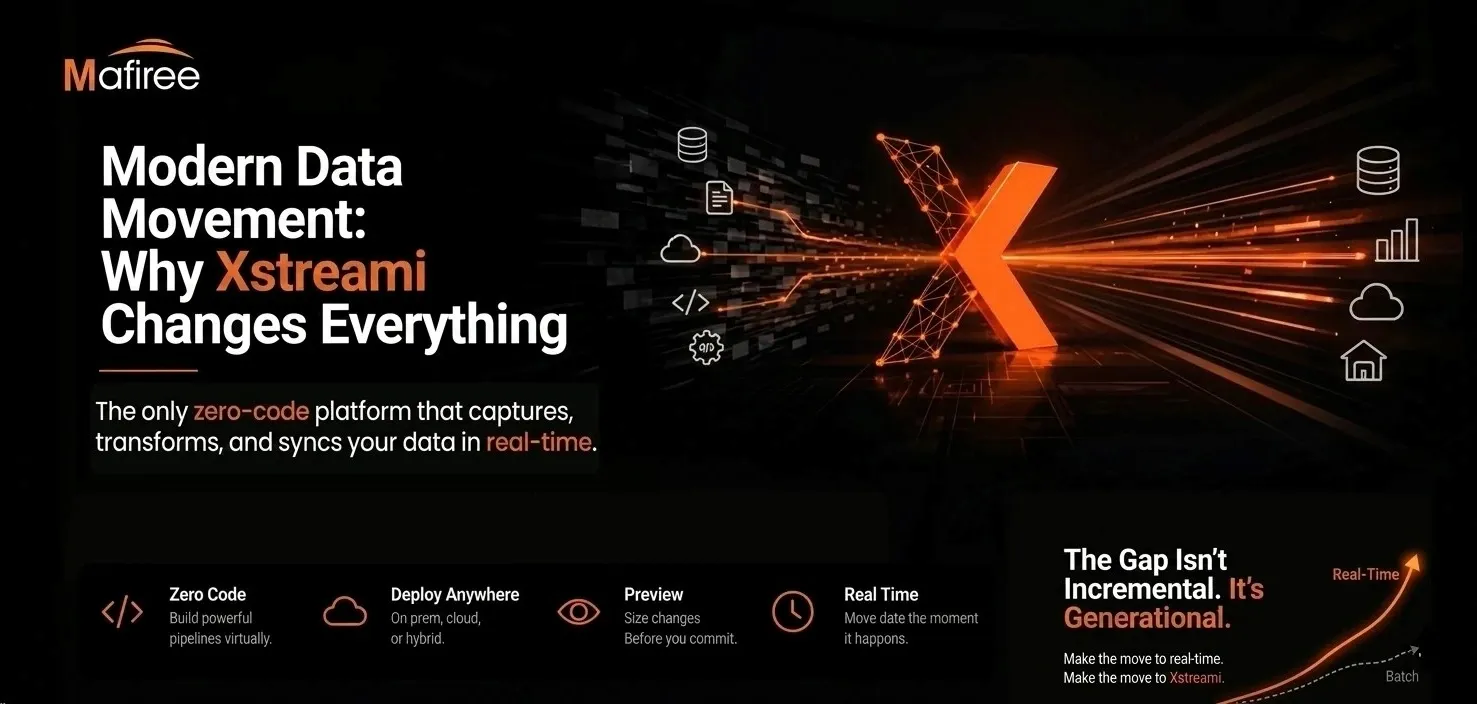
From Storing Data to Real-Time Data MovementFor years, data companies competed on storage - the biggest warehouse, the deepest lake, whoever held the most da...
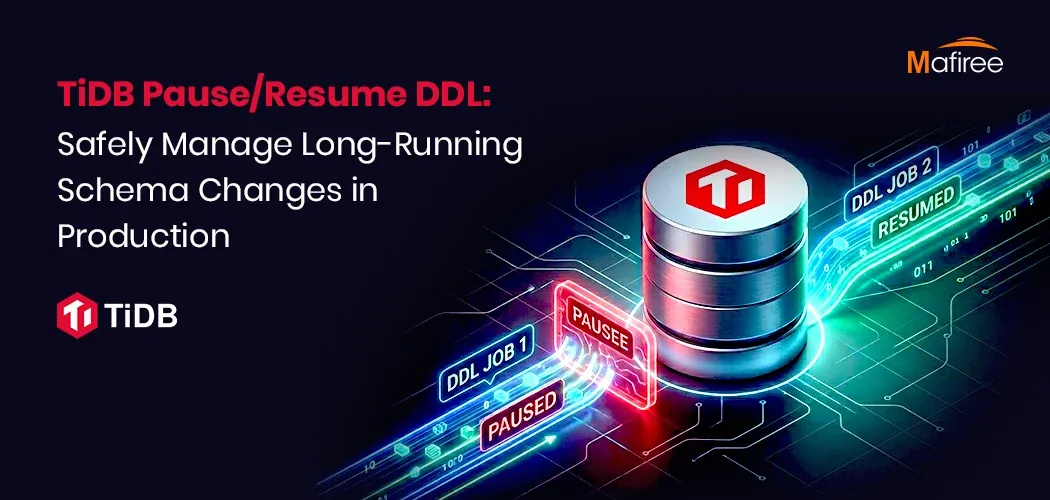
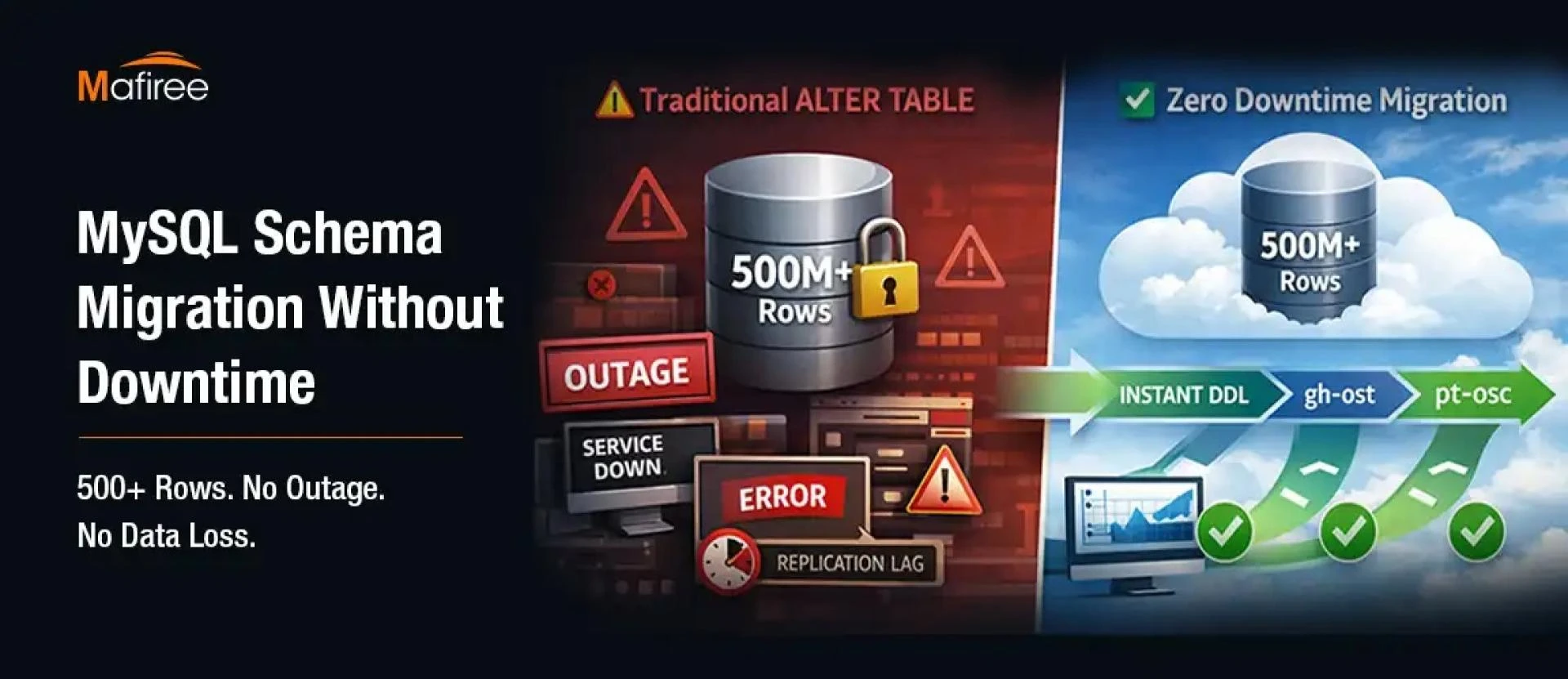
Schema changes on production databases carry real risk, particularly on large tables that see heavy traffic. Consider a typical situation: an ALTER TABL...

Every business today runs on data - generated constantly through orders, app activity, payments, and browsing. The challenge was never creating that data, but moving it efficiently across the many databases, applications, and cloud tools where it ends up.
MySQL performance issues rarely happen overnight. Queries that used to execute in milliseconds gradually slow down, CPU usage quietly climbs, and replication lag builds up unnoticed. By the time alerts fire, the problem has usually been festering for weeks. Spotting the early warning signs is what prevents a minor issue from turning into a full outage.

Today's businesses aren't short on data — they're overwhelmed by it. Data flows from every application, transaction, and user interaction, but it rarely flows together. These isolated streams create a fragmentation problem that ETL is designed to fix.
Picking the wrong database is an expensive mistake that shows up as slow dashboards, rising infrastructure costs, or a forced re-architecture. According to Mafiree's database engineers, the ClickHouse vs MongoDB question comes up frequently in production decisions, and the answer is almost never a straightforward choice of one over the other. ClickHouse and MongoDB are built on fundamentally different philosophies — one optimises for reading and aggregating vast amounts of data at extreme speed,

Many organizations unknowingly build up "access debt" — tables originally created for one team gradually get shared across departments. Over time, support staff end up viewing salary fields, junior developers can query national IDs, and reporting users gain visibility into financial records they should never see. This isn't just a security gap — it's a compliance liability. Regulations like GDPR, CCPA, and HIPAA require that users only access data their role genuinely needs.

MongoDB's biggest advantage over traditional databases is that it lets you design your data model around how your application behaves, not the other way around. This "application-first" mindset is what helps modern systems handle large amounts of traffic without falling apart.
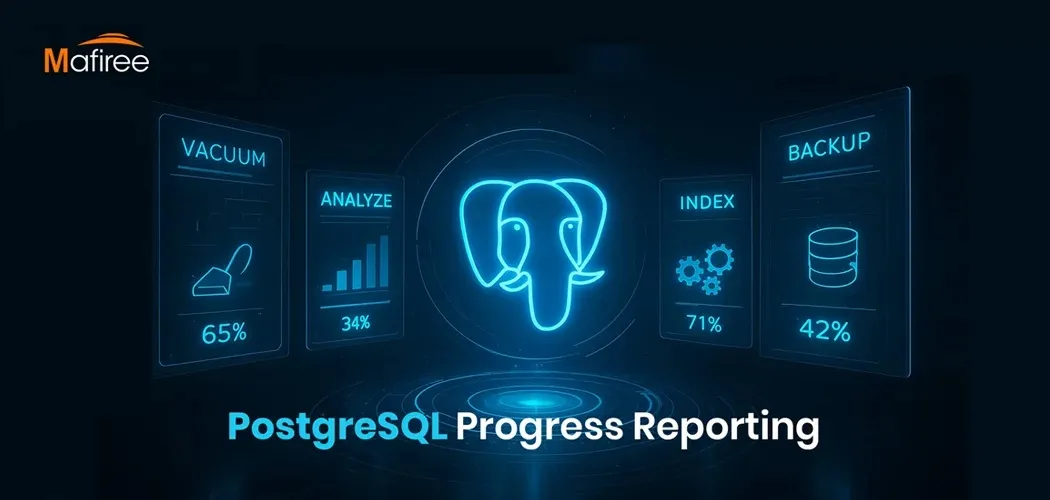
Every DBA managing PostgreSQL has asked the same question mid-operation: "Is it done yet?" Vacuuming, index creation, bulk data loads, and base backups can run for hours, and without visibility, they feel completely opaque. Before progress reporting views existed, the only options were log parsing, rough signals from pg_stat_activity, or simply waiting — creating real uncertainty during maintenance windows and migrations. PostgreSQL Progress reporting solves this with built-in system views.
Effective database migration strategies begin with a clear understanding of what migration actually means. Database migration refers to transferring data from one storage system or environment to another - be it a move to the cloud or a complete switch of database engines. The core challenge lies in maintaining both data integrity and application availability simultaneously.

Mafiree's MongoDB consulting team took on a performance overhaul for a high-traffic Indian e-commerce platform, cutting average API response times from 340ms down to 92ms — a 73% improvement. This was achieved purely through smarter query design, better indexing, and pipeline restructuring, with no new hardware added.
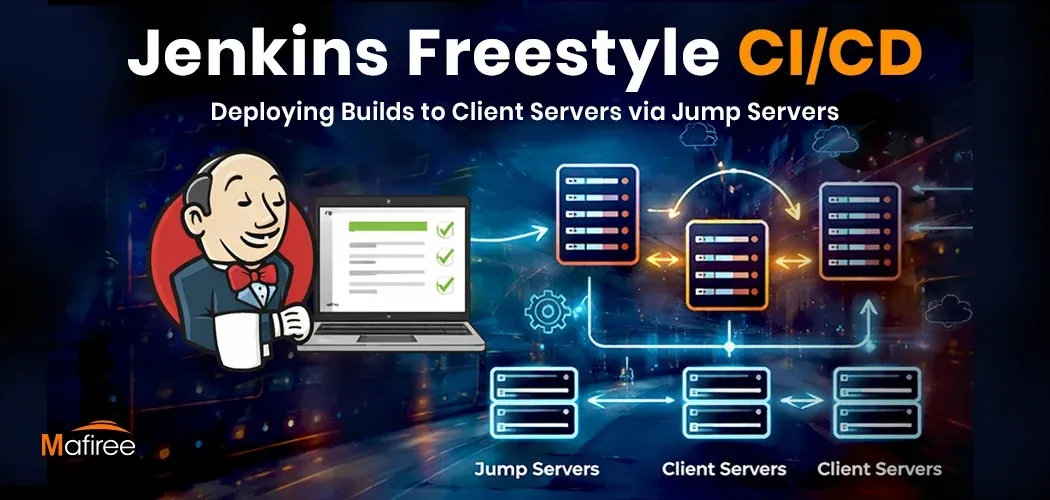
This blog explores how Jenkins Freestyle Deployment can automate application deployments across multiple servers using a secure jump server architecture. It walks through a real-world CI/CD workflow where Jenkins uses SSH-based commands to distribute builds efficiently — offering a simpler yet powerful alternative to complex declarative pipelines.
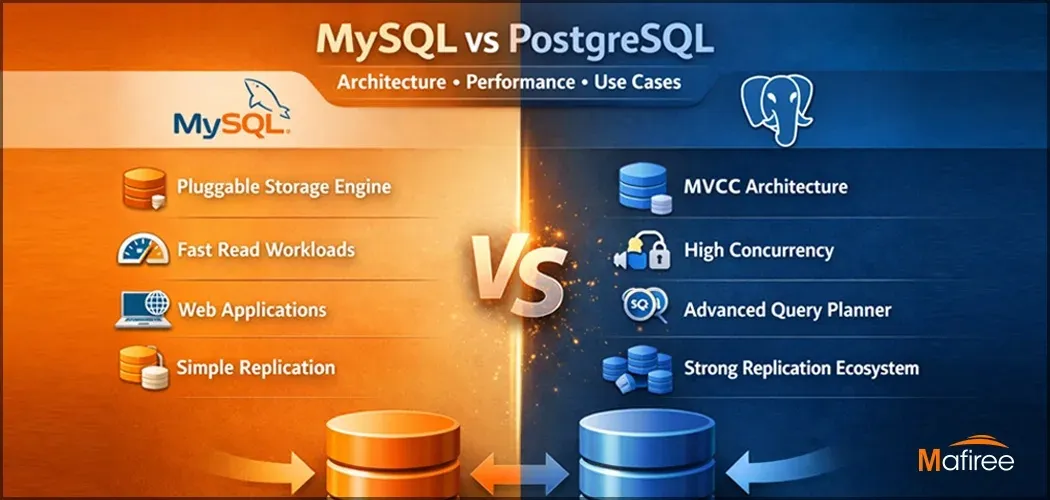
Choosing a database for production isn’t simply about picking the most popular option. Understanding the Differences Between MySQL and PostgreSQL is essential, as it requires weighing architecture, workload type, consistency guarantees, and scalability.
MySQL 8.4 may seem like a routine update, but it carries significant breaking changes that developers and DBAs must review carefully before migrating production systems.
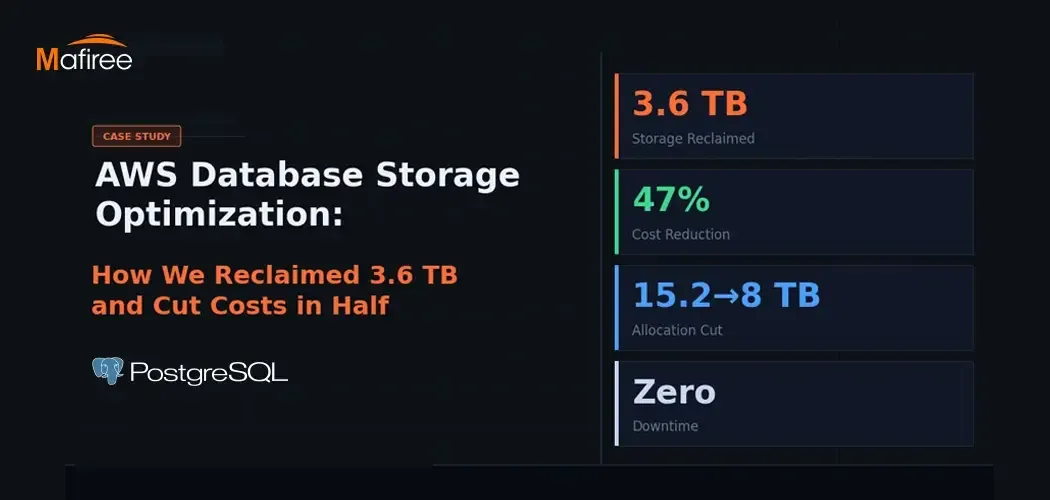
A client came to Mafiree facing a very common yet costly issue - their AWS database had 15.2 TB of disk space allocated, but less than a third of it was actually being used, while the cloud bill kept climbing. The fundamental AWS billing reality makes this painful: you are charged for storage you allocate, not just what you consume. Any unused space is money wasted, and it quietly compounds month after month.