
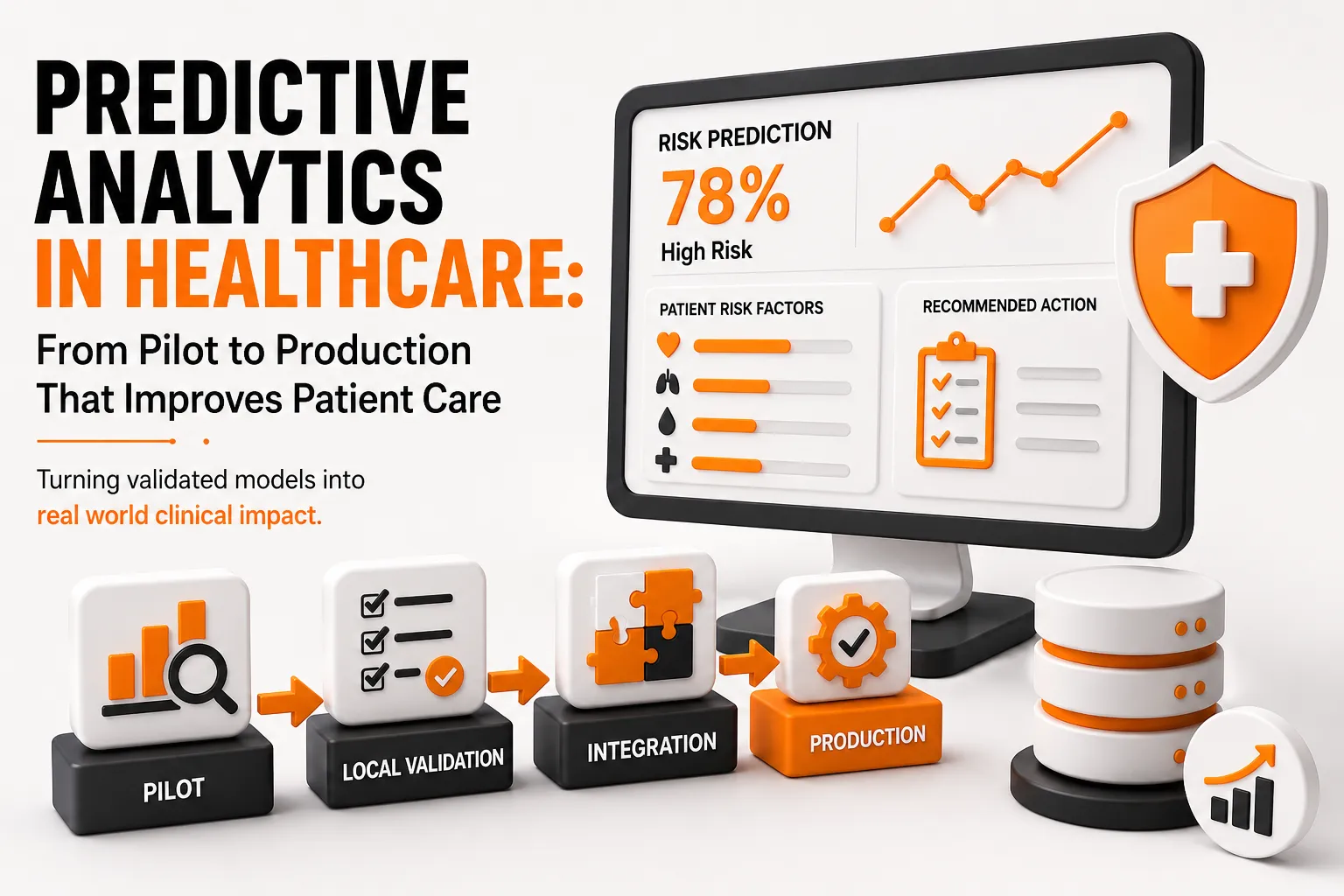
This article explains why Predictive Analytics in Healthcare often succeeds in pilots but struggles to reach production. The key challenges are not model accuracy but ownership, local validation, workflow integration, regulatory compliance, and ongoing monitoring. It highlights the need for clinical accountability, proper validation on local patient populations, integration into clinical workflows, compliance with ONC and FDA expectations, and continuous model maintenance after launch. The main
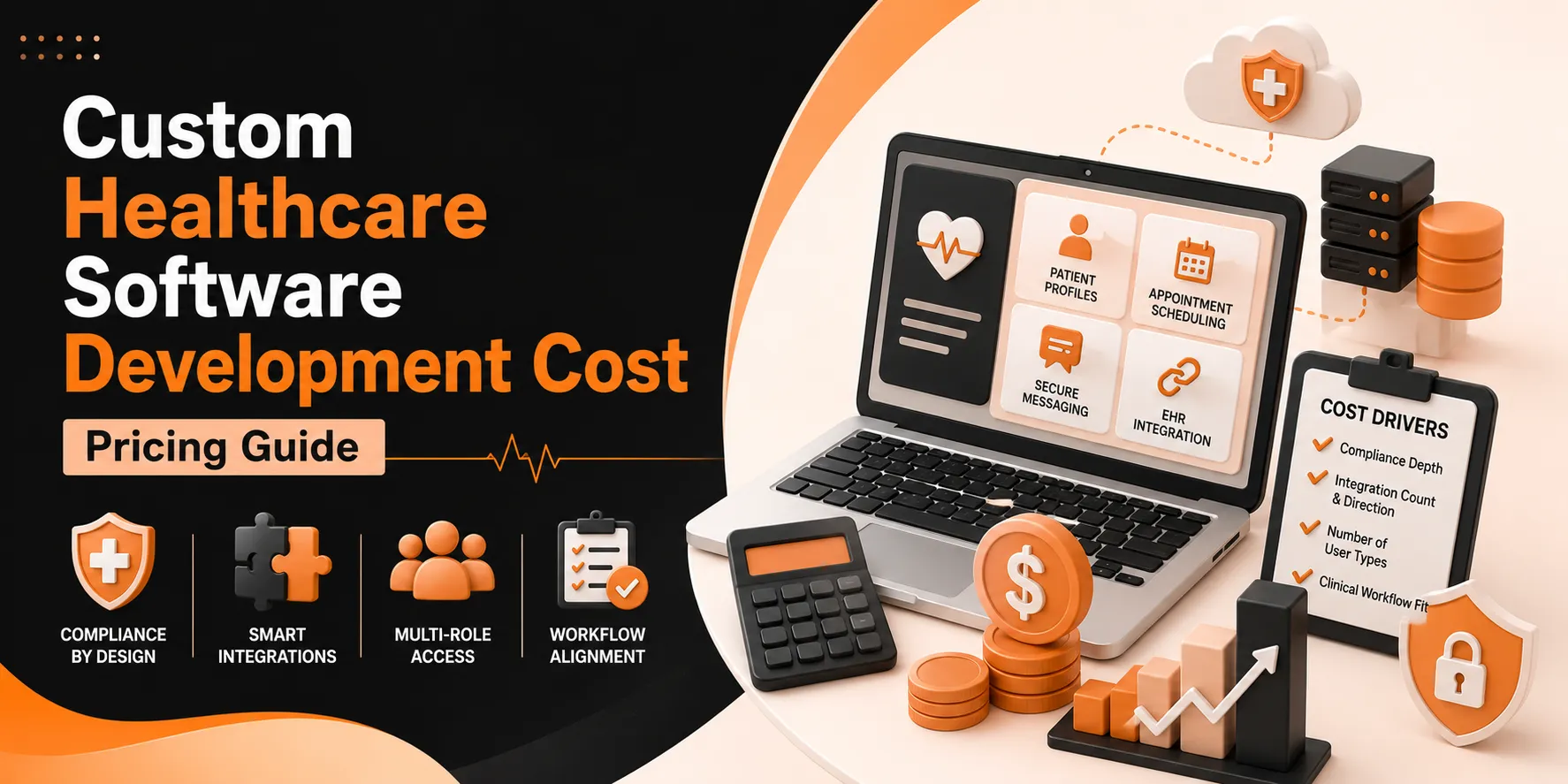
Custom healthcare software costs depend on compliance, integrations, and workflow complexity not just features. Understand what's included in your quote to avoid unexpected costs.
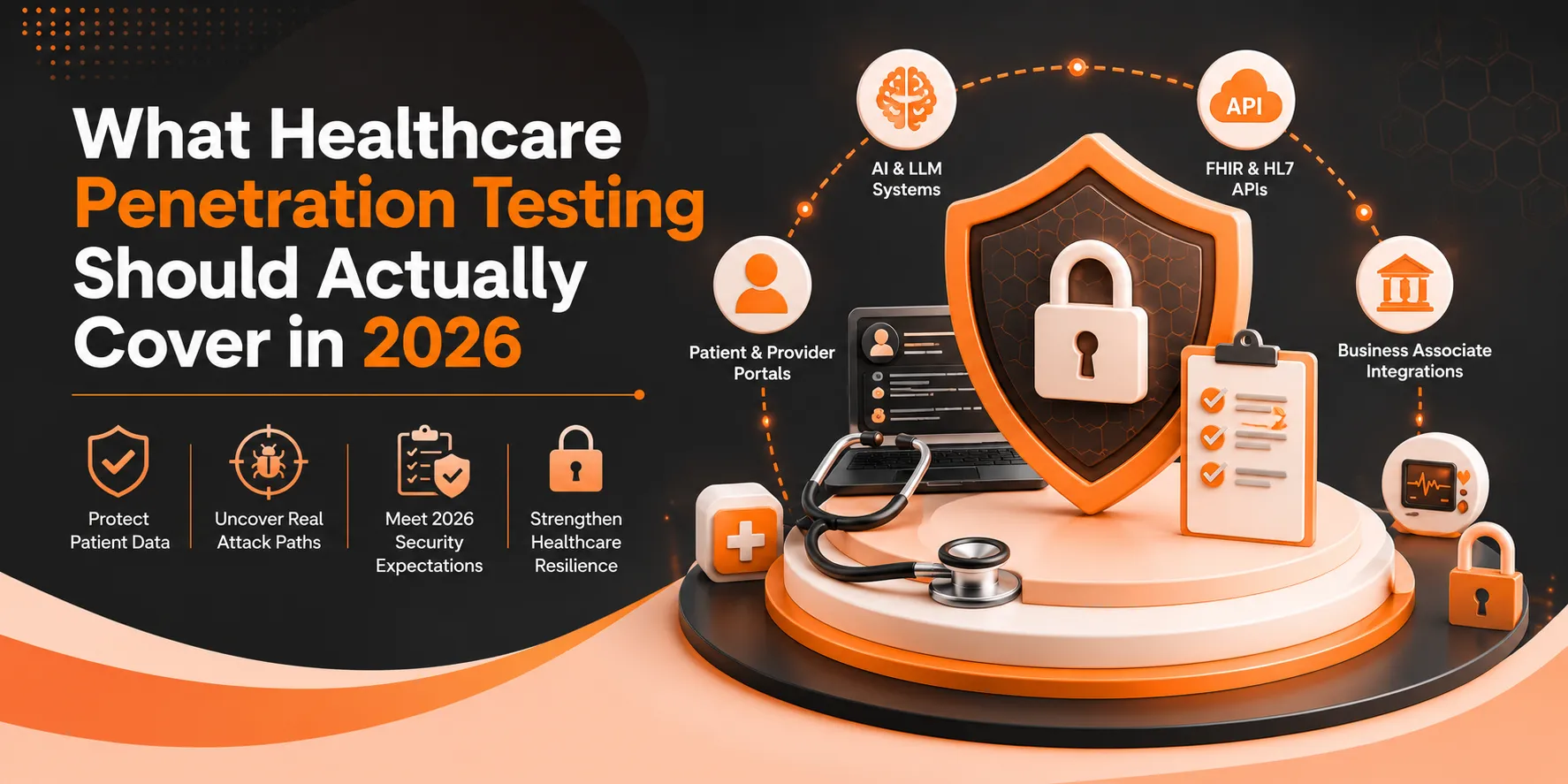
Healthcare penetration testing in 2026 must go beyond traditional vulnerability scans to address today's real attack surface. A comprehensive assessment should include AI and LLM systems, FHIR and HL7 APIs, third-party vendor integrations, and IoMT devices while ensuring patient care remains uninterrupted. It should also align with evolving HIPAA expectations and include remediation validation, making penetration testing an ongoing security process rather than just a compliance exercise.


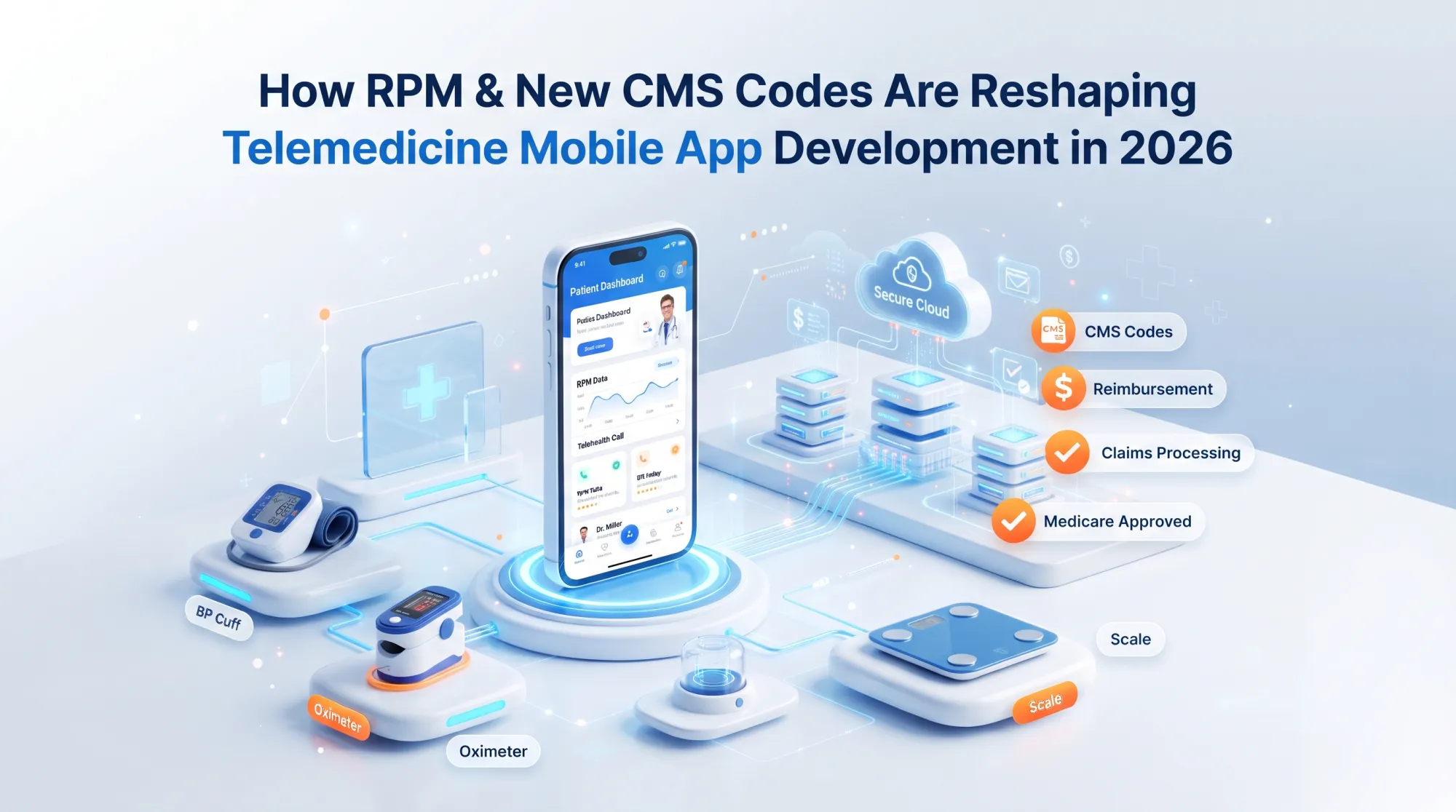
The 2026 CMS Physician Fee Schedule has introduced new Remote Patient Monitoring (RPM) reimbursement codes that are changing how telemedicine platforms are built. New codes such as 99445 and 99470 expand reimbursement eligibility by supporting shorter monitoring periods and shorter management sessions. CMS has also approved audio-only and asynchronous communication as billable services. These updates mean that telemedicine apps must now include features like configurable monitoring windows, aut