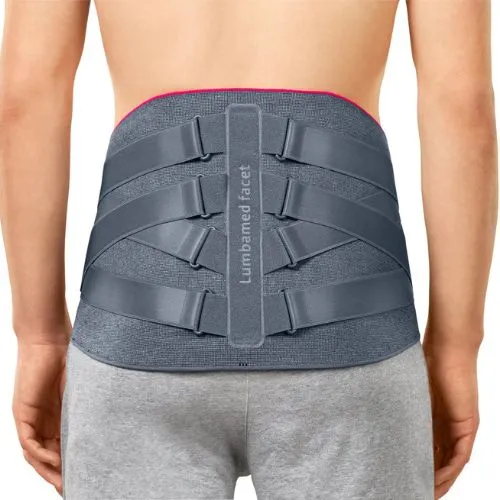

Choose the right back support brace for lower back pain, posture, work, and daily movement. Learn how to find the correct fit and support level.
Back pain can make simple tasks feel harder. Sitting at a desk, standing for a long time, lifting boxes, gardening, or walking may cause discomfort. A back support brace can provide added support during these activities.
The right brace should feel secure without limiting normal movement. It can help support the lower back, encourage better posture, and reduce strain during daily tasks. However, a brace is not a replacement for medical care, exercise, or healthy movement habits. The best choice depends on where you feel discomfort and how much support you need.
What Does a Back Support Brace Do?
A back support brace wraps around part of the torso to provide stability. Some designs focus on the lower back. Others support posture by helping the shoulders and upper body stay in a more comfortable position.
A back brace may help by:
- Supporting the lumbar area during movement
- Reducing strain during lifting or standing
- Helping you stay aware of your posture
- Providing a more secure feeling during daily tasks
- Limiting movements that may cause discomfort
Back supports come in different levels, including mild, moderate, and maximum support. Doc Ortho offers back and posture braces across these support levels, including lumbar supports, spine braces, posture-focused options, and abdominal supports.
When Can a Back Support Brace Be Useful?
A back support brace may be useful when discomfort gets worse during certain tasks. For example, a lumbar support belt may help when you need to stand for a long shift, complete home projects, or travel for several hours.
A brace may also be helpful when you are trying to improve posture while sitting at a desk. In this case, the goal is not to force your body into one fixed position all day. The goal is to create a gentle reminder to sit or stand with better alignment.
A back support brace may be considered for:
- Lower back discomfort during daily movement
- Added support during light lifting
- Posture awareness while working at a desk
- Recovery plans recommended by a medical professional
- Extra stability during walking or travel
For ongoing pain, sudden pain, numbness, weakness, or pain after an injury, speak with a healthcare professional before choosing a brace.
How to Choose the Right Back Support Brace
Start by identifying the area that needs support. A lower back support is designed for the lumbar region. A posture brace may focus more on the upper back and shoulders. A more structured spine brace may be used when stronger support is needed.
Next, think about your activity level. A soft and flexible back support brace may be more comfortable for everyday use. A firm brace may be more suitable when maximum stability is needed. Some medical braces should only be used under professional guidance.
Check the size chart before ordering. Measure around your waist or torso as directed. A back support brace should feel snug, but it should not dig into your skin, cause numbness, or make breathing uncomfortable.
How to Wear a Back Support Brace Comfortably
Wear your back brace according to the product instructions or the advice of your healthcare provider. Avoid pulling the straps too tightly. The brace should stay in place during normal movement without causing rubbing or pressure.
A thin cotton shirt under the back support brace may help protect your skin. NHS guidance for spinal braces also advises wearing a cotton vest or T-shirt under a close-fitting brace and checking the skin after use.
Clean the brace as directed on the care label. Regular cleaning can help reduce sweat and odor buildup.
Can You Wear a Back Support Brace All Day?
A back support brace is often best used for specific activities rather than worn all day without a break. The right wearing time depends on the brace type, your condition, and professional advice.
Posture-focused braces are often used as reminders alongside movement breaks and strengthening exercises. Hospital for Special Surgery notes that posture correctors may guide muscles and help address imbalances caused by long periods in fixed positions.
Do not rely on a back support brace as your only solution. Gentle movement, good desk setup, rest, and professional care may also be important.
Frequently Asked Questions
Does a back support brace help with lower back pain?
A back support brace may provide temporary support and reduce strain during certain activities. The result depends on the cause of the discomfort and the brace type.
How tight should a back brace be?
It should feel snug and stable. It should not cause numbness, tingling, rubbing, or trouble breathing.
Can I wear a back brace while sitting?
Yes. A back support brace may be worn while sitting if it feels comfortable and does not press into your ribs or waist.
Can a back brace improve posture?
A posture-focused brace may help remind you to sit or stand more comfortably. Long-term improvement also requires healthy movement habits.
Should I sleep in a back brace?
Only sleep in a back support brace when a healthcare professional has advised it.
How do I know which support level to choose?
Choose mild support for gentle everyday stability, moderate support for more noticeable support, and maximum support only when stronger stability is suitable for your needs.
Conclusion: Choose a Back Support Brace That Fits Your Routine
A back support brace can make daily movement feel more secure when chosen carefully. Focus on the area that needs support, select the right support level, and check the fit before regular use. Use the brace as one part of a wider plan that includes safe movement, good posture habits, and medical advice when needed.






























Sign in to leave a comment.