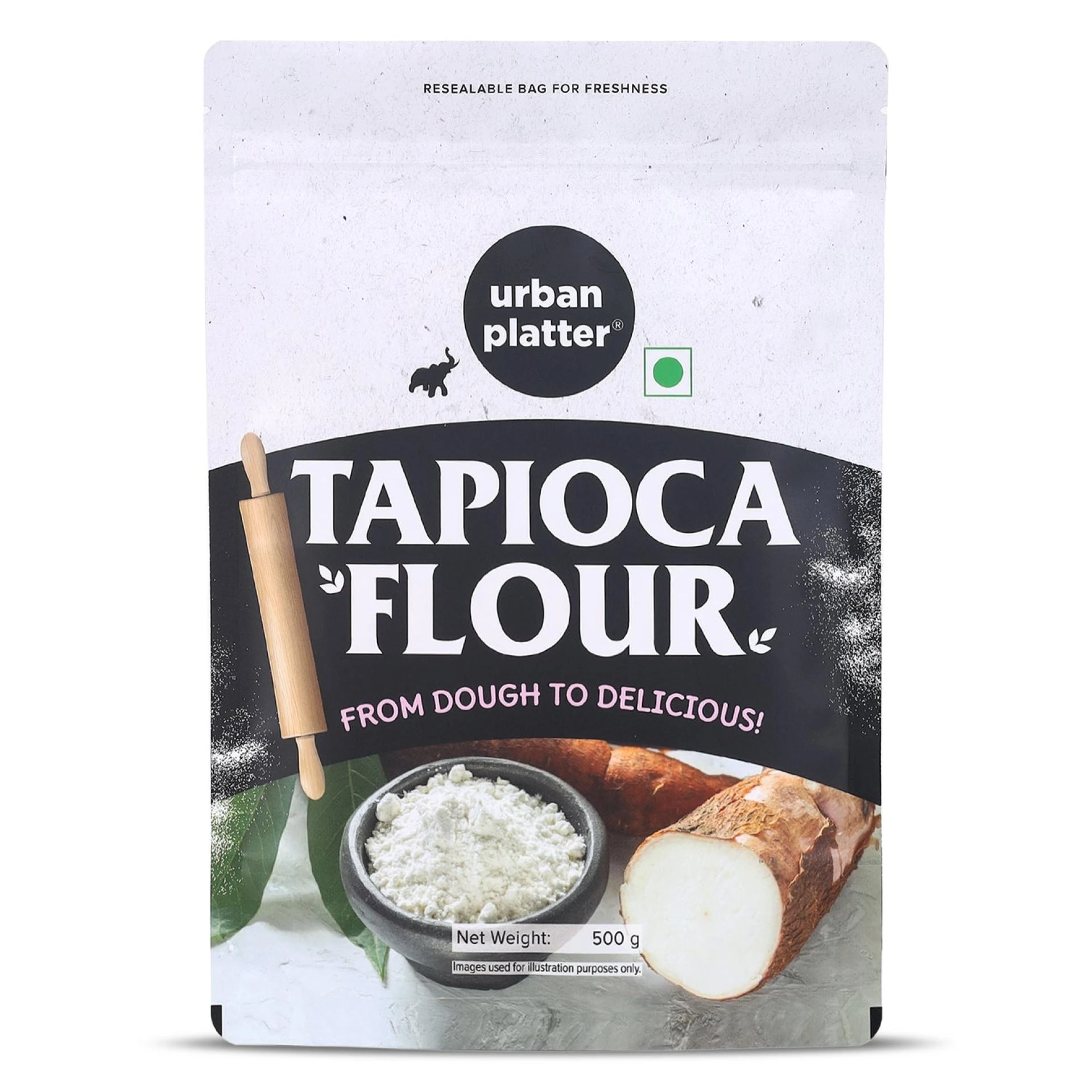

When it comes to gluten-free baking, tapioca flour is a true game changer. Extracted from the cassava root, this fine, white flour is known for its smooth texture, subtle flavor, and versatile use in both sweet and savory recipes. Whether you’re baking bread, cookies, or cakes, tapioca flour helps create that light, chewy, and perfectly soft texture that’s often hard to achieve with other gluten-free alternatives.
1. Understand the Role of Tapioca Flour
Tapioca flour acts as a binding and thickening agent in baked goods. It gives structure to dough, adds elasticity, and locks in moisture. Unlike wheat flour, which contains gluten, tapioca flour relies on its natural starches to hold everything together — making it ideal for gluten-free recipes.
2. Blend It for the Best Results
On its own, tapioca flour can make baked items slightly gummy or chewy. To balance this, mix it with other flours like rice flour, almond flour, or coconut flour. This combination ensures the right balance of structure and softness while preventing stickiness.
3. Adjust Your Ratios Carefully
A good starting point is to use 1 part tapioca flour to 2 or 3 parts of another flour. This maintains the ideal texture and prevents over-thickening. When replacing wheat flour in recipes, use tapioca flour for about 25–50% of the total flour content.
4. Use It to Improve Crispness and Browning
Tapioca flour is excellent for creating crisp crusts and golden textures. Try adding a tablespoon to your cookie or pie dough to enhance crunchiness. In bread recipes, it helps improve the crust’s elasticity and gives a light, airy crumb inside.
5. Keep an Eye on the Moisture
Since tapioca flour absorbs liquid quickly, adding extra water, milk, or oil may be necessary for some recipes. This ensures that your baked goods stay moist without becoming dense or dry.
6. Great for Gluten-Free Thickening
Besides baking, tapioca flour is perfect for thickening sauces, puddings, and fillings. It provides a glossy finish and a smooth consistency that enhances both texture and appearance.
Final Thoughts
Mastering tapioca flour in baking is all about balance and experimentation. When used right, it can give your recipes the perfect mix of chewiness, softness, and crispness — without the need for gluten. Whether you’re making pancakes, breads, or brownies, tapioca flour ensures a consistent and delightful texture every time.





















Sign in to leave a comment.