
Choosing between the Bali Pass Trek and the Rupin Pass Trek feels like choosing between two tough gym workouts. Both will make you sweat. Both will build strength. But one will push your limits a little more.
Many trekkers ask a simple question before booking their next adventure:
Which is more difficult Bali Pass or Rupin Pass?
The honest answer depends on altitude, terrain, weather, daily effort, and how comfortable you feel in remote mountain conditions. In this article, we break down every important factor so you can decide which trek matches your ability and expectations.
No hype. No drama. Just real trekking logic.
Understanding the Two Treks Before Comparing Them
Before we talk about difficulty, let’s understand what kind of journey each trek offers.
What Is the Bali Pass Trek Like?
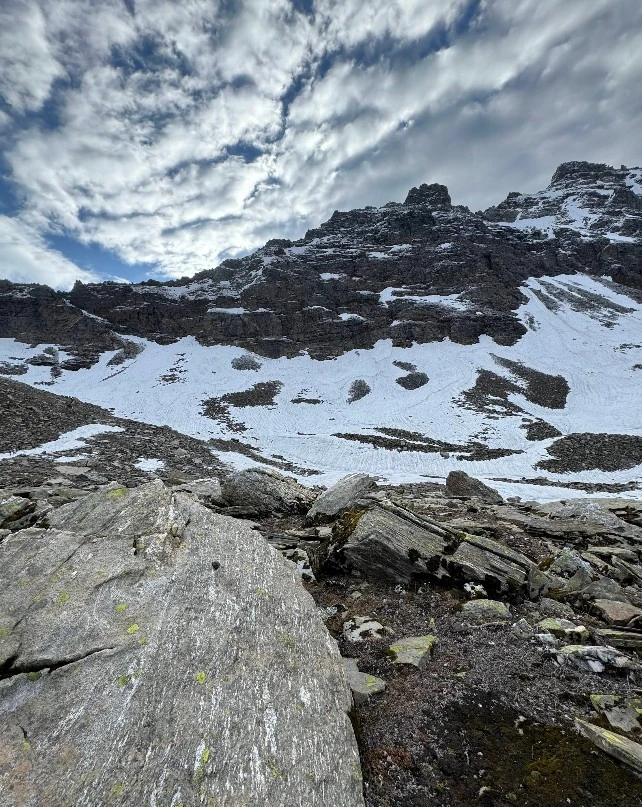
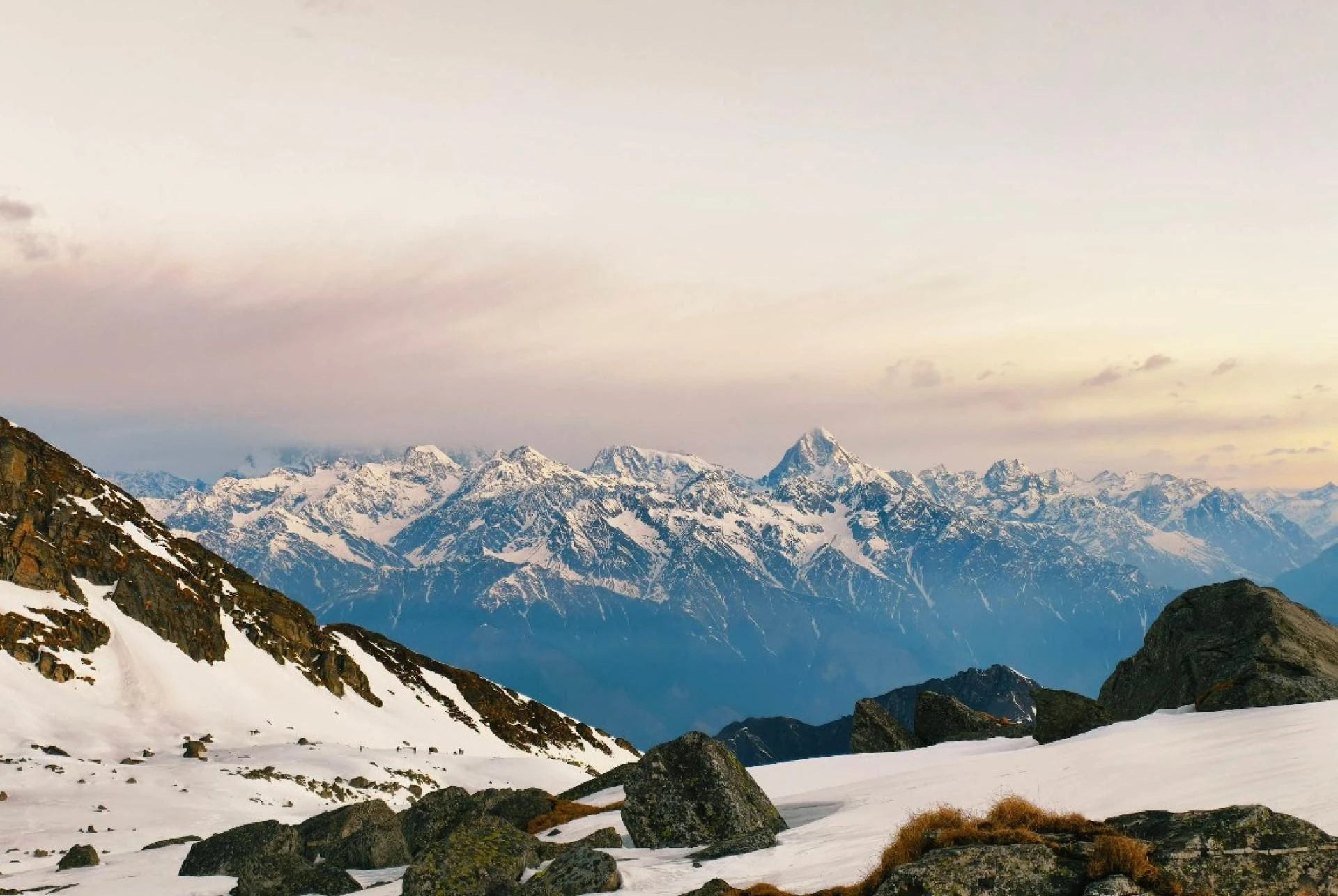
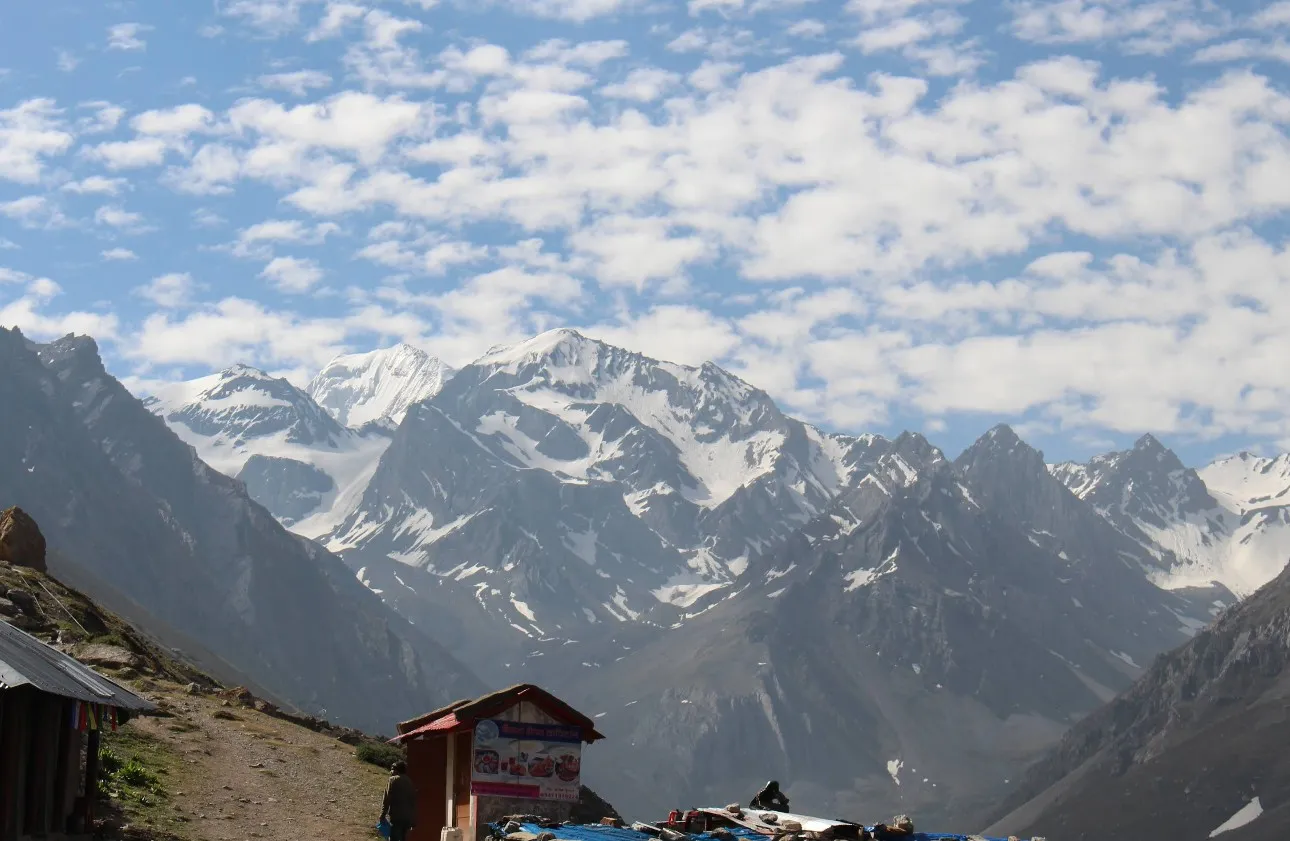
Bali Pass trek is a high-altitude crossover trek in Uttarakhand. It connects the Har Ki Dun valley to the Yamunotri side of the mountains. The trail moves through forests, open meadows, glacier zones, and finally climbs to a narrow mountain pass above 16,000 feet.
Most days involve steady uphill walking. The pass crossing day is long, steep, and often covered in snow. After crossing the pass, the descent stays steep for several hours, which can be harder than climbing.
This trek feels wild and remote. You spend long hours away from roads and villages.
What Is the Rupin Pass Trek Like?
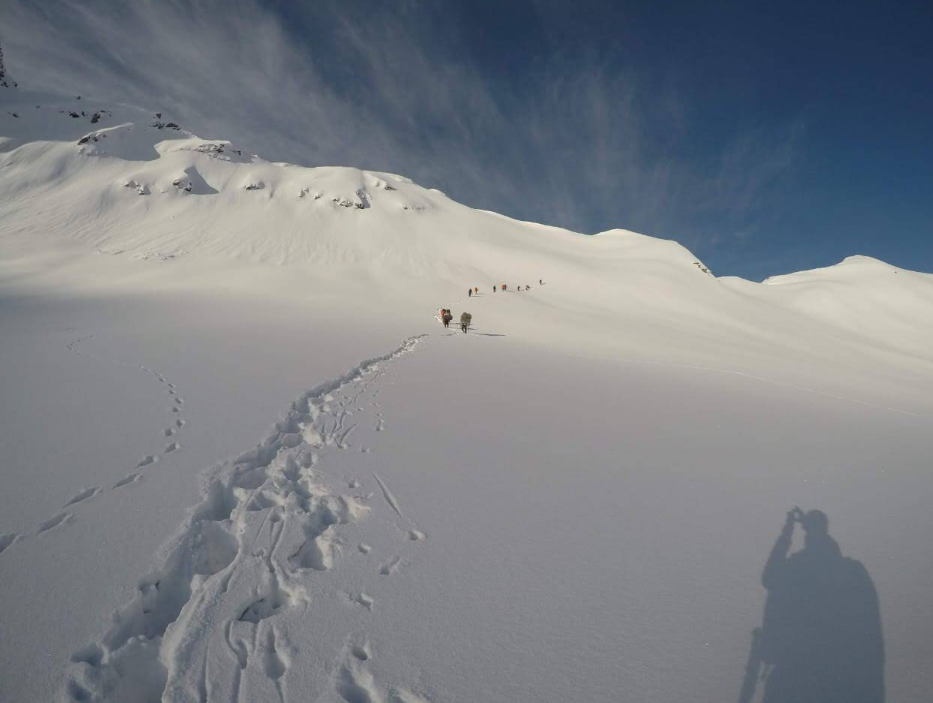
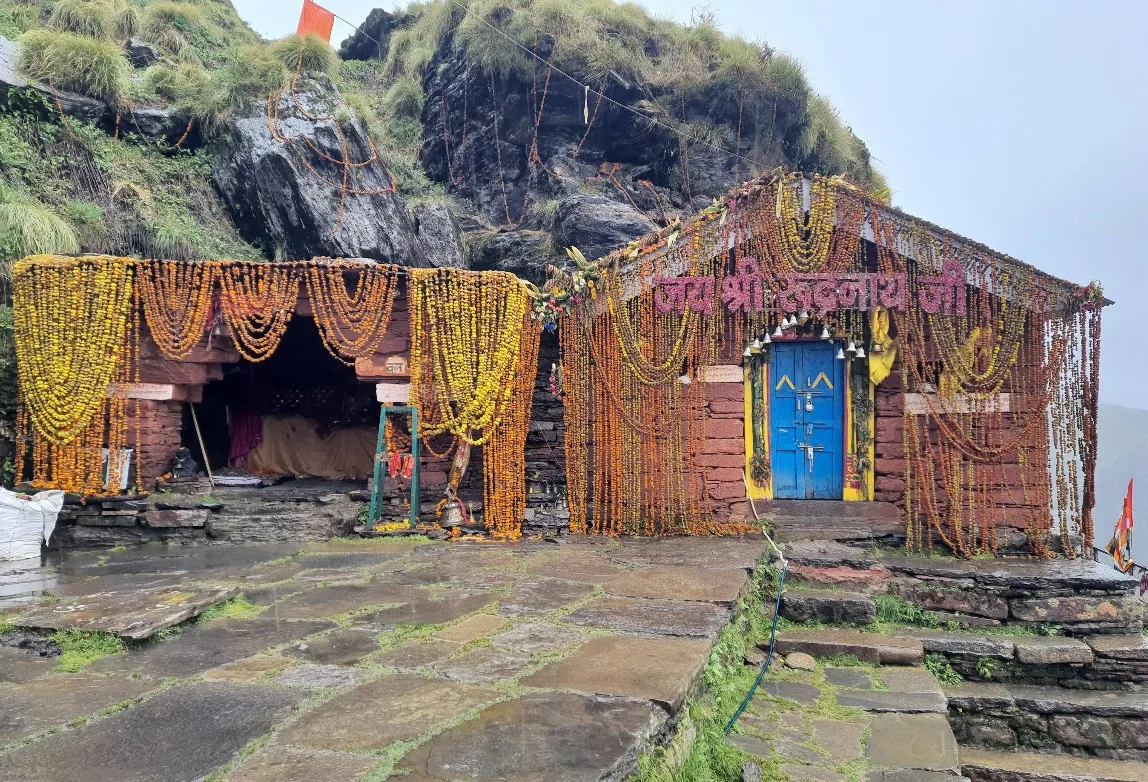
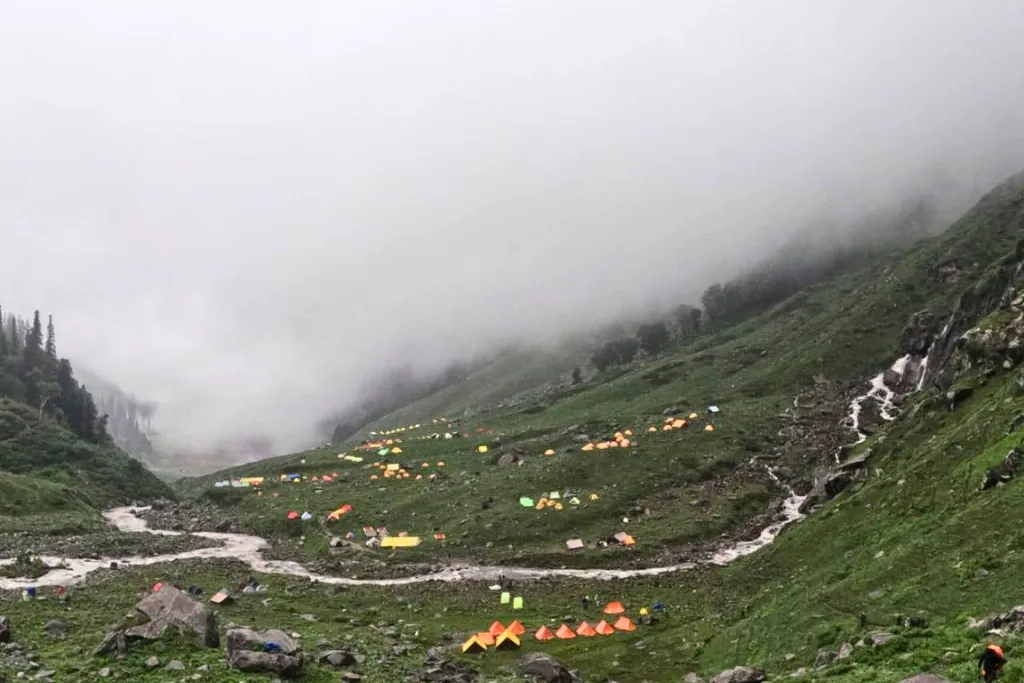
Rupin Pass is a dramatic crossover trek that starts in Uttarakhand and ends in Himachal Pradesh. The trail follows a river valley and slowly climbs through villages, forests, waterfalls, and snowfields before reaching the pass.
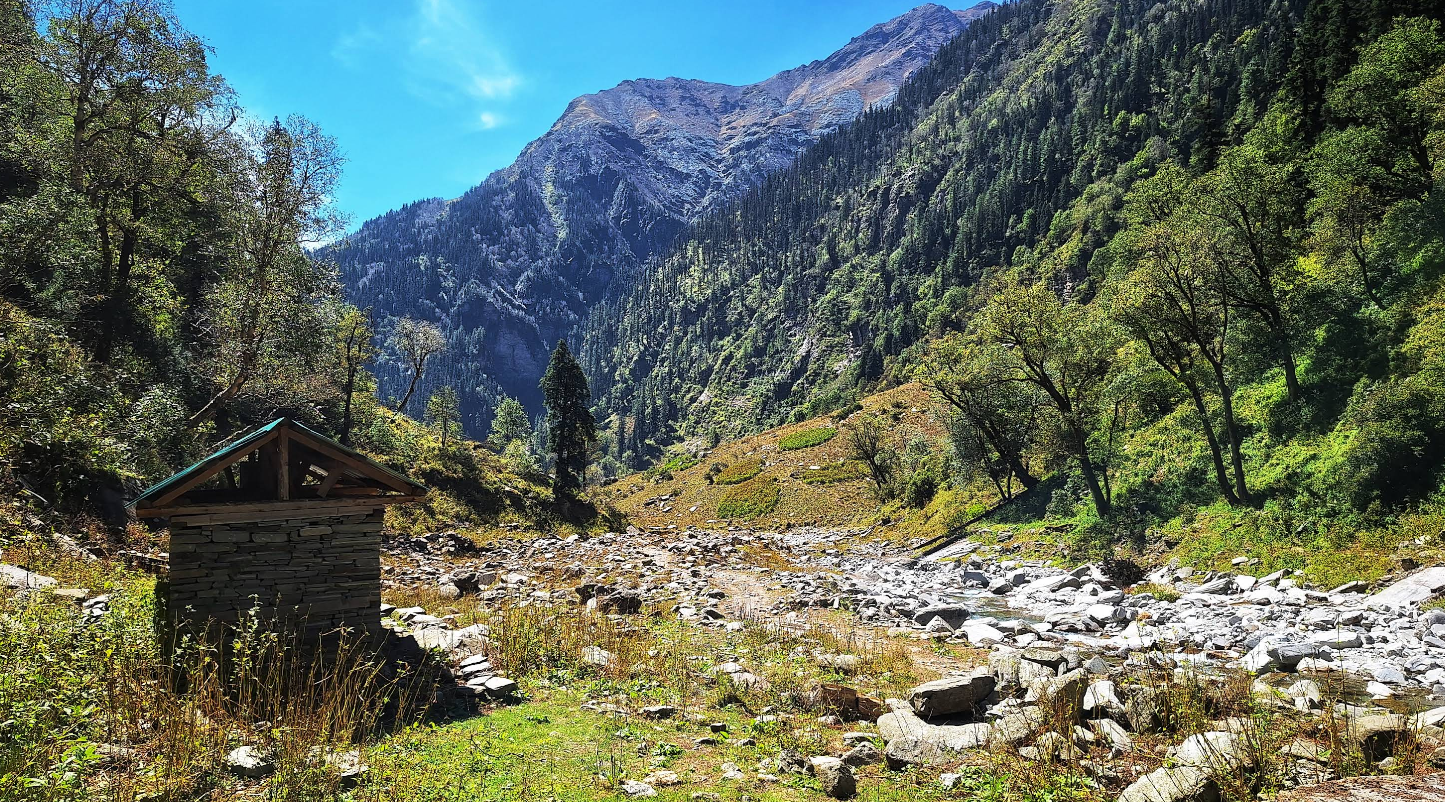
The scenery changes almost every day. One day you walk through pine forests, the next day beside roaring waterfalls, and later across snow slopes near the pass.
The final climb to the pass is steep, but most of the trail before that remains comfortable and wide.
Difficulty Factor 1: Altitude and Oxygen Levels
Altitude affects every trekker differently. As you climb higher, oxygen drops, breathing becomes heavier, and fatigue increases faster.
Bali Pass Altitude Impact
Bali Pass rises to around 16,200 feet. At this height, your body receives much less oxygen than at sea level. Even fit trekkers feel slower here. Simple walking feels harder. Recovery after long climbs takes more time.
Because the trek reaches high altitude quickly, your body must adjust properly during acclimatization days. If you rush, altitude sickness can spoil your trek.
Rupin Pass Altitude Impact
Rupin Pass sits around 15,250 feet. That still counts as high altitude, but the approach is more gradual. The body gets extra time to adjust as you move through camps with slow altitude gain.
Trekkers still feel breathless near the pass, but the stress on the body stays slightly lower than on Bali Pass.
Altitude Verdict
Bali Pass feels harder because of higher altitude and thinner air.
Rupin Pass feels challenging but more manageable for most trekkers.
Difficulty Factor 2: Terrain and Trail Conditions
Terrain decides how much mental and physical effort you spend on each step.
Bali Pass Terrain Challenges
Bali Pass includes:
- Long steep climbs
- Narrow ridges near the pass
- Snow slopes in early and late season
- Loose rocks during descent
The final approach to the pass often requires careful foot placement. In heavy snow, trekking groups may even use safety ropes. The descent after the pass puts pressure on knees and ankles for hours.
This kind of terrain demands confidence, balance, and stamina.
Rupin Pass Terrain Challenges
Rupin Pass offers:
- Forest paths
- River crossings
- Meadows
- Snow bridges near the pass
- Short steep climbs
The trail remains wider and less exposed compared to Bali Pass. You still face snow patches and steep slopes, but most of the trek feels comfortable under normal weather.
The drama comes from scenery, not from technical difficulty.
Terrain Verdict
Bali Pass is more technical and mentally demanding.
Rupin Pass focuses more on scenery than survival skills.
Difficulty Factor 3: Daily Trekking Effort
Daily walking hours and elevation gain shape how tired you feel each evening.
Bali Pass Daily Effort
On Bali Pass:
- Several days involve long climbs
- Pass crossing day is especially long
- Continuous uphill and downhill strains legs
You often walk 7 to 9 hours on demanding terrain. Campsites lie far apart in some sections, which means less flexibility to shorten days if you feel tired.
Rupin Pass Daily Effort
On Rupin Pass:
- Walking hours remain more balanced
- Camps are spaced more evenly
- The hardest day is the pass crossing day
Most days involve 5 to 7 hours of walking. The toughest part comes near the pass, but recovery feels easier after crossing.
Daily Effort Verdict
Bali Pass requires stronger endurance across multiple days.
Rupin Pass allows better energy recovery between stages.
Difficulty Factor 4: Weather and Exposure
Mountain weather does not care about your plans. It can change within minutes.
Bali Pass Weather Risks
Bali Pass stays exposed at higher elevations for longer periods. Wind speeds increase near ridges and the pass area. Snowstorms can reduce visibility quickly.
Because the region is remote, evacuation becomes difficult if conditions worsen. Once you cross certain points, retreat options remain limited.
This makes weather management more serious on this trek.
Rupin Pass Weather Risks
Rupin Pass also faces snow and rain, especially near the pass, but much of the trail stays protected by forests and valley walls. If weather worsens, camps lie closer to safer zones.
Emergency exit options remain more accessible.
Weather Verdict
Bali Pass demands better weather judgment and planning.
Rupin Pass offers safer margins if conditions change.
Difficulty Factor 5: Mental Pressure and Remoteness
Physical strength helps, but mental comfort matters just as much.
Bali Pass Mental Load
Bali Pass feels isolated. Mobile network disappears early in the trek. You stay away from villages for long stretches. Rescue support may take time to arrive.
This remoteness creates a strong adventure feel but also increases psychological pressure for first time high altitude trekkers.
Rupin Pass Mental Load
Rupin Pass passes through small villages and grazing zones in early stages. You occasionally meet locals and shepherds. This human presence adds mental comfort.
The trek feels adventurous but not lonely.
Mental Challenge Verdict
Bali Pass feels more intense and isolated.
Rupin Pass feels adventurous but reassuring.
So, Which Trek Is More Difficult Overall?
If we combine all major difficulty factors:
- Higher altitude
- More technical terrain
- Longer demanding days
- Greater remoteness
- Higher weather exposure
Bali Pass clearly ranks as the more difficult trek.
Rupin Pass still challenges your fitness and stamina, but Bali Pass pushes you further into true high-altitude trekking territory.
Which Trek Should You Choose Based on Experience?
Let’s make this decision practical.
Choose Rupin Pass If:
- You have done moderate treks before
- You want to move towards tougher treks safely
- You enjoy scenic variety and river valleys
- You prefer balanced difficulty
Rupin Pass works well as a bridge between beginner and advanced trekking levels.
Choose Bali Pass If:
- You already have high-altitude trek experience
- You feel confident on snow and steep slopes
- You want to test endurance and mental strength
- You enjoy remote mountain routes
Bali Pass suits trekkers who want to level up their Himalayan skills.
Training Tips for Both Treks
Difficulty becomes manageable when preparation is strong.
Cardio Training
Jogging, cycling, stair climbing, or brisk walking helps build stamina. Aim for steady cardio at least four times a week before the trek.
Leg Strength
Squats, lunges, and step-ups strengthen thighs and knees, which help during long descents.
Backpack Practice
Walking with a loaded backpack prepares your shoulders and lower back for real trail conditions.
Breathing Control
Slow breathing techniques help manage fatigue at altitude.
Gear Also Affects Difficulty
Wrong gear makes easy trails feel hard.
What You Must Carry
- Good ankle-support trekking shoes
- Warm layered clothing
- Waterproof jacket and pants
- Trekking poles for steep sections
- Sunglasses and sunscreen for snow glare
Comfortable gear reduces energy loss and injury risk.
Final Thoughts: Difficulty Should Match Your Growth Plan
Trekking should challenge you, not defeat you.
If you jump into Bali Pass too early, the trek may feel exhausting instead of enjoyable. If you choose Rupin Pass after building basic fitness, you gain confidence and experience without extreme risk.
Both treks reward you with stunning Himalayan views, personal growth, and stories you will tell for years.
But when it comes to pure difficulty level, Bali Pass stands taller and tougher just like the mountains it crosses.
Sign in to leave a comment.