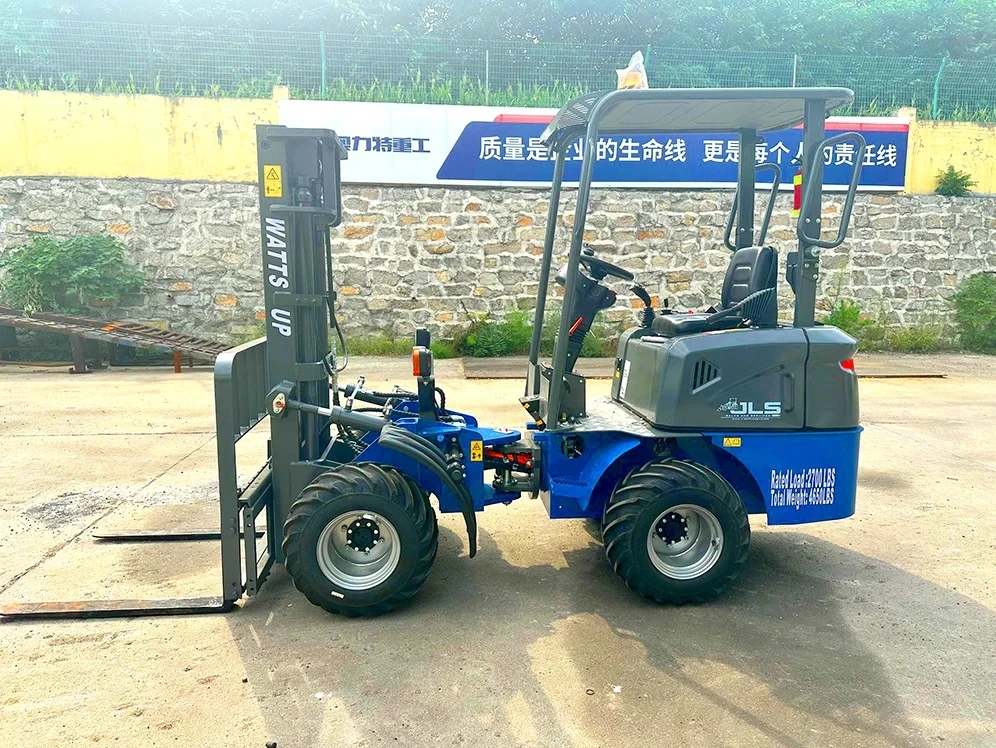

In today’s construction and material handling industries, efficiency and sustainability are no longer optional; they’re essential. Traditional diesel-powered equipment, while powerful, often comes with high fuel costs, emissions concerns, and increasing regulatory pressure. As a result, many businesses are shifting toward cleaner alternatives, and the electric all terrain forklift is leading the charge.
However, one critical factor determines how well these machines perform in demanding environments: battery technology. Without reliable, efficient, and durable battery systems, even the most advanced electric all terrain forklift can fall short. Understanding how battery technology works, and how it impacts performance, can help businesses make smarter, future-ready decisions. Keep reading.
The Role of Battery Technology in Electric All Terrain Forklifts
At the heart of every electric all terrain forklift lies its battery system. Unlike conventional forklifts that rely on combustion engines, electric models depend entirely on stored electrical energy to power lifting, driving, and hydraulic functions.
Battery technology directly influences:
- Operating hours.
- Load-handling performance.
- Charging efficiency.
- Maintenance requirements.
- Overall cost of ownership.
In short, the battery is not just a component, it’s the lifeline that keeps operations running smoothly. Choosing the right battery technology can mean the difference between a machine that barely keeps up and one that runs like a well-oiled machine.
Types of Batteries Used in Electric All Terrain Forklifts
1. Lead-Acid Batteries
Lead-acid batteries have been the industry standard for decades. They are widely used due to their affordability and proven reliability.
Key Features:
- Lower upfront cost.
- Established technology.
- Suitable for moderate workloads.
However, they come with a few strings attached. Lead-acid batteries require regular maintenance, including watering and equalization charging. They also have longer charging times and limited cycle life.
For operations that prioritize budget over performance, lead-acid batteries can still get the job done, but they may not be the best fit for demanding, all-terrain applications.
2. Lithium-Ion Batteries
Lithium-ion batteries are quickly becoming the gold standard in modern electric all terrain forklift systems. Known for their efficiency and durability, they offer significant advantages over traditional options.
Key Features:
- Fast charging capabilities.
- Longer lifespan (2–3 times more cycles).
- Minimal maintenance.
- Higher energy efficiency.
With lithium-ion technology, operators can charge batteries during short breaks, a concept known as opportunity charging. This keeps equipment running longer without extended downtime. Although the upfront cost is higher, the long-term savings often make lithium-ion batteries a smart investment. As the saying goes, “you get what you pay for,” and in this case, you get reliability, efficiency, and performance.
3. Emerging Battery Technologies
The industry is constantly evolving, and new battery technologies are entering the market. Solid-state batteries and advanced lithium chemistries promise even higher energy density, improved safety, and faster charging. While these innovations are still gaining traction, they represent the future of the electric all terrain forklift landscape. Businesses that stay ahead of the curve can gain a competitive edge as these technologies mature.
Key Performance Factors of Battery Technology
1. Energy Density
Energy density determines how much power a battery can store relative to its size. Higher energy density means longer operating hours without increasing the machine’s weight.
For an electric all terrain forklift, this is crucial. Rough terrain demands more power, and a high-energy battery ensures consistent performance throughout the workday.
2. Charging Time
Time is money, especially on busy job sites. Faster charging allows equipment to return to operation quickly, minimizing downtime. Lithium-ion batteries excel in this area, often reaching full charge in a fraction of the time required by lead-acid batteries. This efficiency can significantly improve workflow and productivity.
3. Cycle Life
Cycle life refers to the number of charge and discharge cycles a battery can handle before its capacity declines.
A longer cycle life means:
- Fewer replacements.
- Lower long-term costs.
- Increased reliability.
For heavy-duty applications, investing in batteries with a high cycle life is a no-brainer.
4. Temperature Performance
All-terrain forklifts often operate in harsh environments, from scorching heat to freezing cold. Battery performance can vary significantly under these conditions. Advanced battery systems include thermal management features that maintain optimal performance regardless of the weather. This ensures that your electric all terrain forklift doesn’t miss a beat, even in challenging conditions.
Charging Infrastructure and Best Practices
Switching to an electric all terrain forklift isn’t just about the machine—it also involves setting up the right charging infrastructure.
Charging Options:
- Standard overnight charging.
- Fast charging stations.
- Opportunity charging setups.
Best Practices:
- Avoid deep discharges whenever possible.
- Follow manufacturer guidelines for charging cycles.
- Keep the charging equipment well-maintained.
- Train operators on proper battery handling.
By adopting these practices, businesses can extend battery life and maximize efficiency.
Environmental and Cost Benefits
Battery-powered electric all terrain forklifts offer significant environmental advantages. They produce zero emissions during operation, reducing the carbon footprint and improving air quality on job sites.
From a cost perspective:
- Lower fuel expenses.
- Reduced maintenance costs.
- Fewer moving parts compared to diesel engines.
While the initial investment may seem steep, the long-term savings often tip the scales in favor of electric solutions. It’s a classic case of spending smart today to save big tomorrow.
Safety Considerations in Battery Technology
Safety is paramount when dealing with high-capacity batteries. Modern systems are equipped with advanced safety features, including:
- Battery management systems (BMS).
- Overcharge protection.
- Thermal monitoring.
- Short-circuit prevention.
These features ensure that the electric all terrain forklift operates safely under all conditions. Proper training and adherence to safety protocols further reduce risks.
The Future of Battery Technology in Electric All Terrain Forklifts
The future looks bright for battery technology. With continuous advancements in energy storage, charging speed, and sustainability, electric all terrain forklifts are set to become even more efficient and reliable.
Trends to watch include:
- Ultra-fast charging solutions.
- Increased adoption of renewable energy integration.
- Smart battery systems with AI-driven diagnostics.
As innovation continues, businesses that embrace these changes early will stay ahead of the competition.
Conclusion
Battery technology is the backbone of every electric all terrain forklift, shaping its performance, efficiency, and long-term value. From traditional lead-acid systems to cutting-edge lithium-ion solutions, the choice of battery can make or break your operational success.
For businesses aiming to improve productivity, reduce costs, and meet sustainability goals, investing in advanced battery technology is a step in the right direction. By understanding your operational needs and choosing the right battery system, you can unlock the full potential of your equipment. In the end, it’s all about working smarter, not harder. With the right battery technology powering your electric all terrain forklift, you can keep your operations running smoothly and efficiently, no matter how tough the terrain gets. So, are you ready to upgrade your fleet with the right battery technology and take your productivity to the next level?
























Sign in to leave a comment.