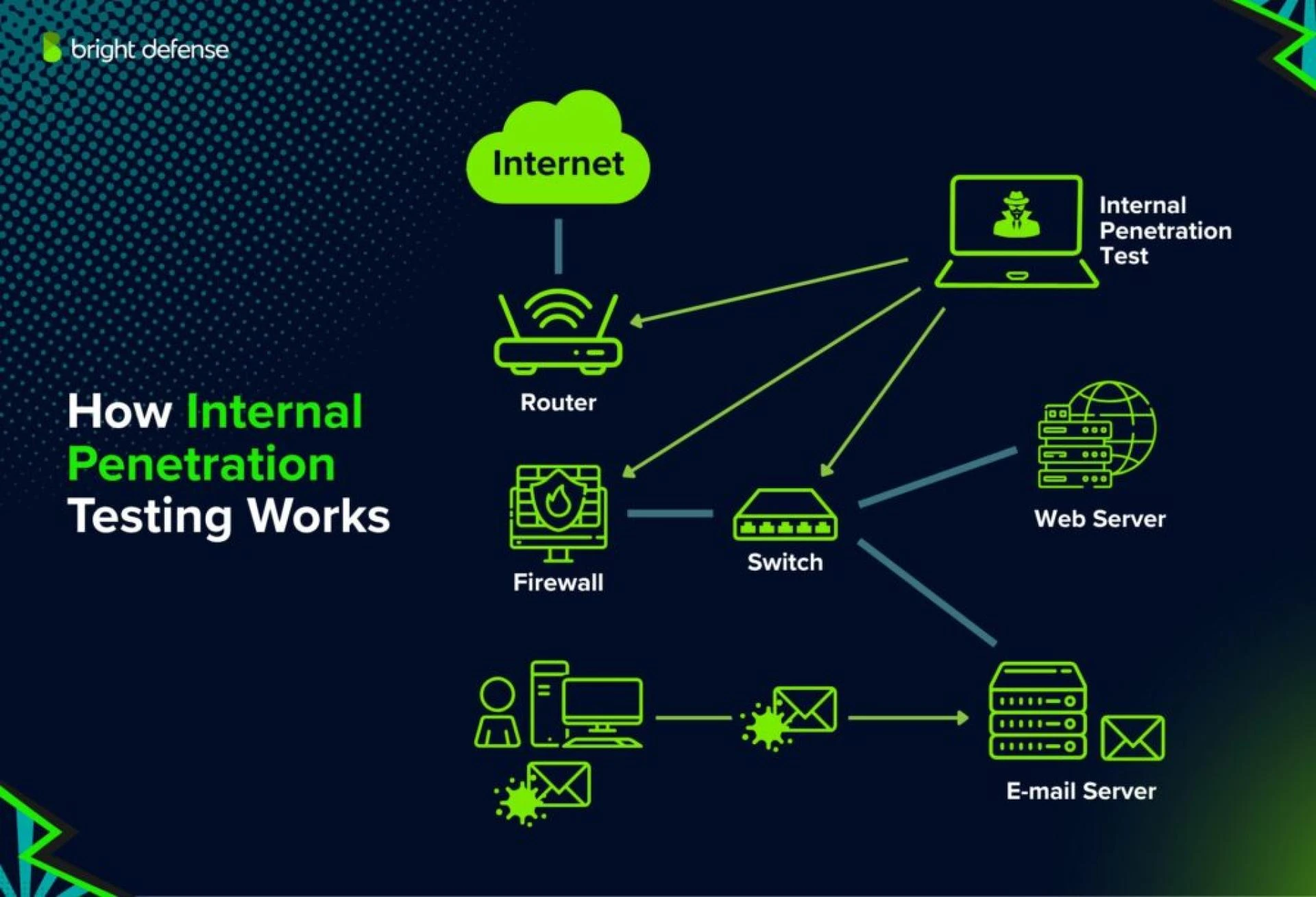

In today’s digital-first world, cyber threats are no longer limited to external hackers. Many security breaches start inside the organization, whether through misconfigured systems, weak access controls, or human error. This is where Internal Security Testing becomes essential.
Regular internal security testing helps organizations identify vulnerabilities within their own network before attackers can exploit them. It plays a vital role in protecting sensitive data, ensuring compliance, and maintaining business continuity.
What Is Internal Security Testing?
Internal Security Testing is a controlled cybersecurity assessment performed from within an organization’s network. It simulates the actions of an insider or an attacker who has already gained limited access to internal systems.
This type of testing helps uncover:
- Weak access permissions
- Misconfigured servers
- Unpatched systems
- Insider threat risks
- Lateral movement vulnerabilities
Unlike external testing, internal testing focuses on what could happen after a breach occurs.
Why Internal Security Testing Is Important for Organizations
Modern organizations rely heavily on internal networks, cloud systems, and remote access. A single weak point can compromise the entire infrastructure.
Key reasons why it matters:
- Employees often have access to critical data
- Insider threats are rising globally
- Compliance standards demand regular testing
- Breaches are costly and damage brand trust
Internal Security Testing helps organizations stay proactive instead of reactive.
Major Benefits of Regular Internal Security Testing
1. Identifies Hidden Vulnerabilities
Internal testing uncovers security gaps that are often missed by external scans, such as:
- Excessive user privileges
- Weak password policies
- Poor network segmentation
- Misconfigured firewalls
Fixing these issues early prevents major breaches.
2. Reduces Insider Threat Risks
Not all threats come from hackers. Disgruntled employees or accidental misuse can cause serious damage.
Internal Security Testing helps:
- Detect abnormal access patterns
- Limit unauthorized data access
- Strengthen role-based permissions
This significantly lowers insider-related incidents.
3. Improves Compliance and Audit Readiness
Many compliance standards require internal security checks, including:
- ISO 27001
- SOC 2
- HIPAA
- GDPR
Regular testing ensures your organization stays audit-ready and avoids penalties or legal risks.
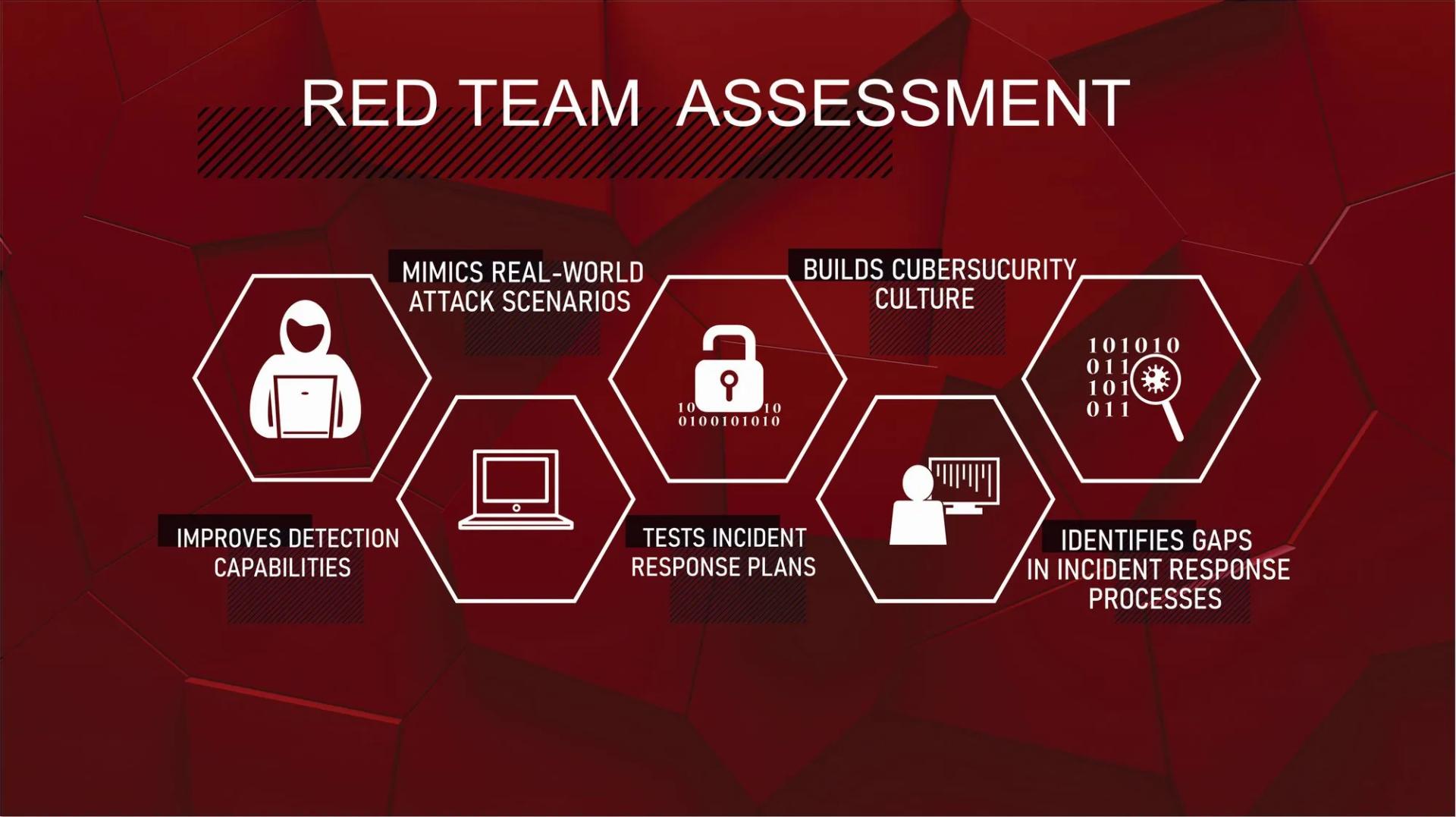
4. Strengthens Incident Response Readiness
When internal vulnerabilities are tested regularly:
- Security teams respond faster
- Detection tools perform better
- Incident response plans become more effective
This reduces downtime and financial loss during real attacks.
5. Protects Sensitive Business Data
Internal Security Testing helps safeguard:
- Customer data
- Financial records
- Intellectual property
- Employee information
By closing internal loopholes, organizations reduce the risk of data leaks and reputational damage.
6. Enhances Overall Cybersecurity Strategy
Internal testing provides real-world insights that improve:
- Security policies
- Network architecture
- Employee awareness
- Risk management planning
It strengthens your overall cybersecurity posture and supports long-term growth.
Best Practices for Effective Internal Security Testing
Conduct Tests Regularly
Quarterly or biannual testing ensures continuous protection.
Combine Automated and Manual Testing
Automation finds technical flaws, while manual testing uncovers logic and access issues.
Prioritize High-Risk Areas
Focus on admin access, financial systems, and sensitive data storage.
Act on Test Results
Testing is only valuable if vulnerabilities are fixed promptly.
Why Choose a Professional Security Partner?
Internal security testing requires expertise, tools, and real-world attack knowledge. Partnering with a trusted cybersecurity provider ensures accurate results and actionable insights.
Lmntrix Active Defense offers advanced Internal Security Testing solutions designed to identify threats before attackers do. Their expert-driven approach helps organizations stay secure, compliant, and resilient against evolving cyber risks.
FAQs – Internal Security Testing
1. How often should Internal Security Testing be done?
Ideally, organizations should conduct internal security testing at least once or twice a year, or after major system updates or infrastructure changes.
2. Is Internal Security Testing different from penetration testing?
Yes. Internal Security Testing focuses on threats within the network, while penetration testing often simulates external attacks. Both are important for complete security coverage.
3. Can small businesses benefit from Internal Security Testing?
Absolutely. Small businesses are often targeted due to weaker security. Regular internal testing helps prevent data breaches and financial losses.


























Sign in to leave a comment.