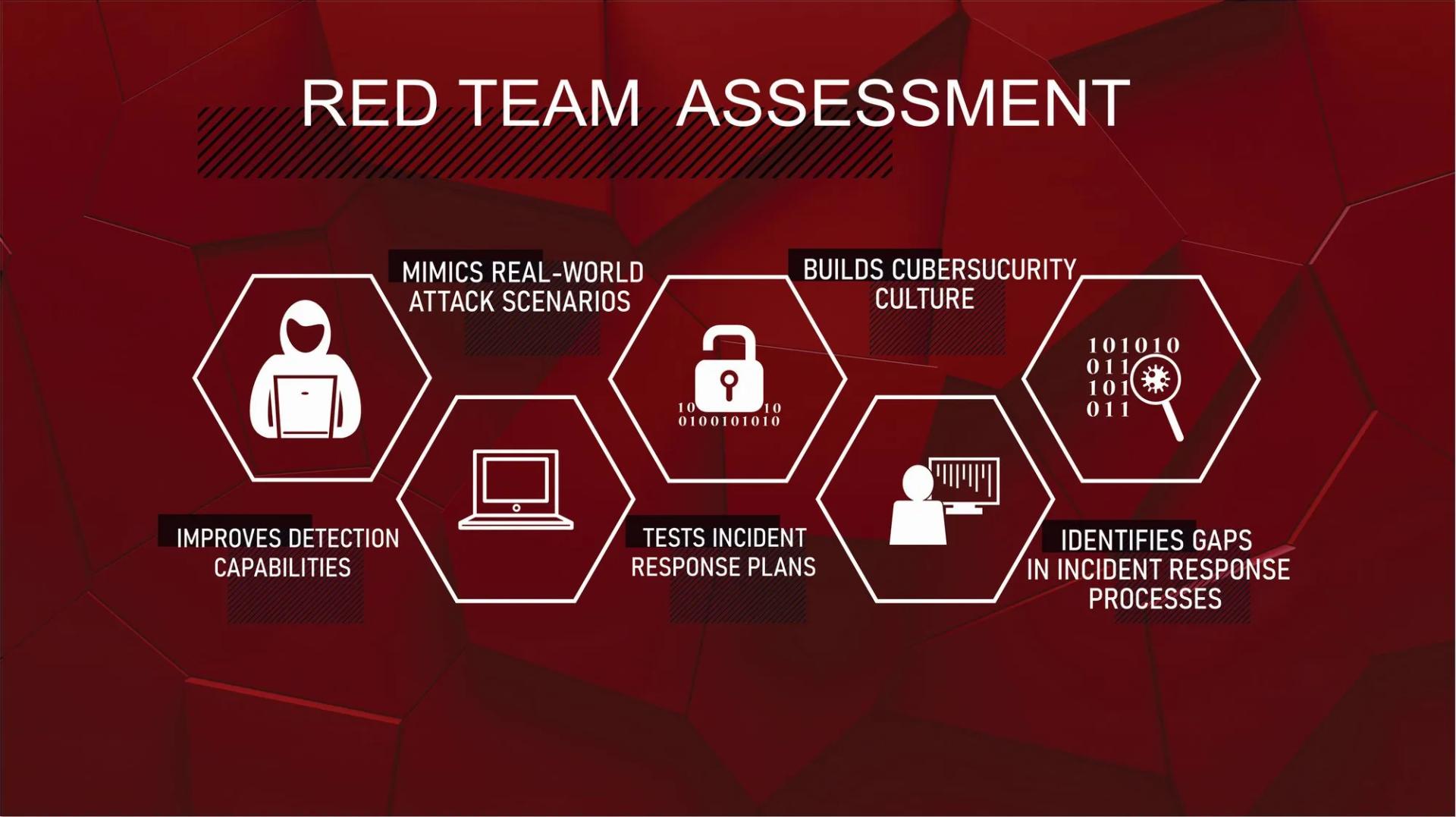

Cyber threats in 2026 are more advanced, automated, and targeted than ever before. Traditional security testing is no longer enough. This is why organizations are increasingly investing in a Red Team Assessment to simulate real-world attacks and uncover hidden security gaps.
However, the success of a Red Team Assessment depends heavily on choosing the right provider. The wrong partner can lead to shallow testing, missed vulnerabilities, and a false sense of security. This guide explains how to evaluate and select the right Red Team Assessment provider in 2026—strategically, securely, and with long-term value in mind.
Why Choosing the Right Provider Matters
A Red Team Assessment is not just a technical test—it’s a full-scale simulation of real attackers. The provider you choose must think, act, and adapt like modern threat actors.
Real-World Impact Over Checkbox Testing
In 2026, compliance-only testing is outdated. A strong Red Team Assessment provider focuses on:
- Business-critical attack paths
- Real attacker behavior
- Measurable security improvements
Key Factors to Consider When Selecting a Red Team Assessment Provider
Proven Experience in Red Team Operations
Look for providers with hands-on red teaming experience, not just penetration testing backgrounds. Red teaming requires advanced skills in social engineering, lateral movement, persistence, and evasion.
Ask:
- Do they simulate real threat groups?
- Have they tested environments similar to yours?
Advanced Threat Simulation Capabilities
Use of Modern Tactics and Techniques
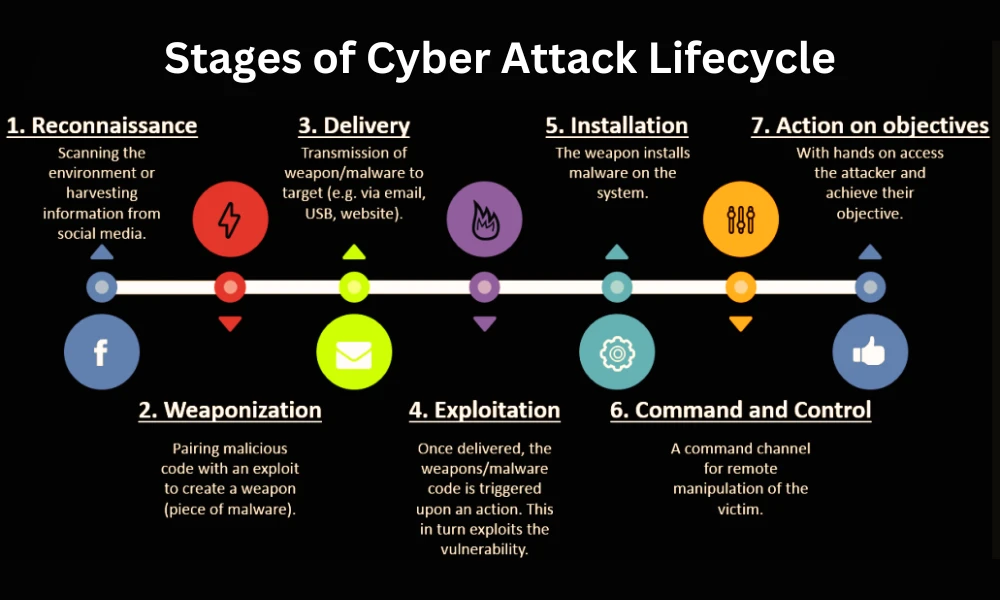
A reliable provider should align with globally recognized frameworks like MITRE ATT&CK and simulate:
- Credential abuse
- Phishing-based entry
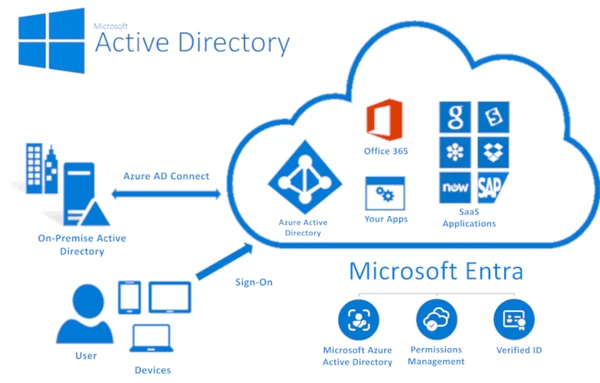
- Cloud and identity attacks
- Insider threat scenarios
A modern Red Team Assessment must reflect how attackers operate in 2026—not how they did five years ago.
Customization Based on Your Business Risk
No One-Size-Fits-All Testing
Your provider should tailor the Red Team Assessment to your:
- Industry (finance, healthcare, SaaS, etc.)
- Infrastructure (cloud, hybrid, on-prem)
- Regulatory environment
- High-value assets
Generic testing delivers generic results.
Focus on Detection, Response, and Improvement
Collaboration with Blue Teams
A strong Red Team Assessment provider doesn’t just “break in” and disappear. They help improve:
- Detection capabilities
- Incident response workflows
- Security team readiness
Purple team-style collaboration is a major advantage in 2026.
Clear Reporting and Executive-Level Insights
Actionable, Not Overwhelming
The final report should clearly explain:
- How attackers gained access
- What business impact was possible
- Where defenses failed
- How to fix issues step by step
Executives should understand the risk without needing deep technical knowledge.
Transparency, Ethics, and Trust
Responsible Red Teaming
Ensure the provider follows strict ethical standards, legal approvals, and data protection practices. A professional Red Team Assessment provider prioritizes safety, confidentiality, and controlled execution.
Why Leading Organizations Choose the Right Partner Early
Choosing the right Red Team Assessment provider in 2026 helps organizations:
- Prevent costly breaches
- Improve SOC performance
- Strengthen cyber resilience
- Build long-term security maturity
It’s not an expense—it’s a strategic investment.
Partner with Experts Who Understand Modern Threats
If you’re looking for a trusted partner with deep offensive security expertise, Lmntrix Active Defense delivers advanced Red Team Assessment services designed for modern enterprises.
Their approach focuses on real-world attack simulation, actionable insights, and measurable security improvements helping organizations stay ahead of evolving threats.
FAQs
1. How often should a Red Team Assessment be performed?
Most organizations conduct a Red Team Assessment annually or after major infrastructure changes. High-risk industries may benefit from more frequent testing.
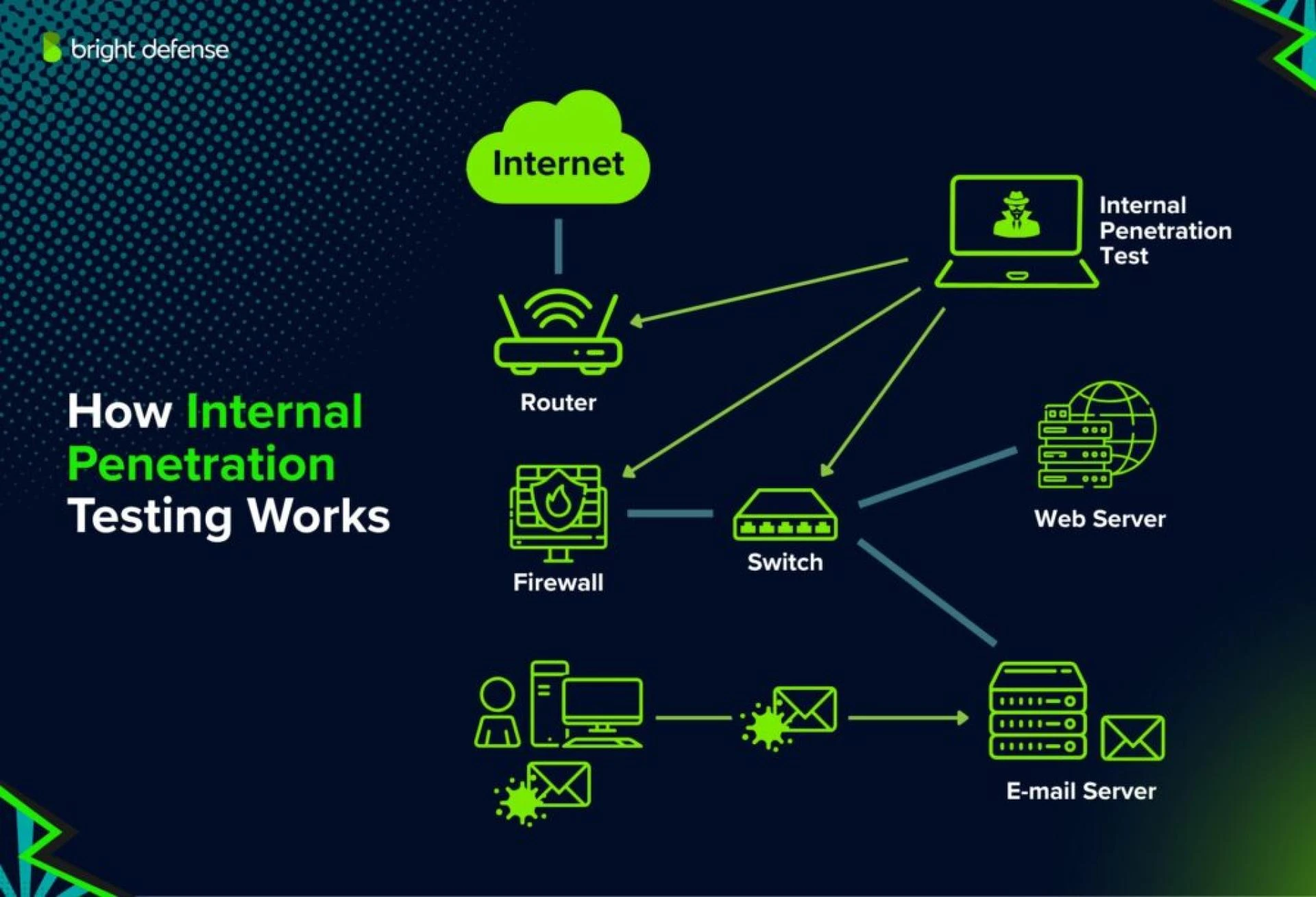
2. Is a Red Team Assessment better than penetration testing?
Yes. Penetration testing finds vulnerabilities, while a Red Team Assessment simulates full attack scenarios to test people, processes, and technology together.
3. How long does a Red Team Assessment usually take?
Depending on scope and complexity, a Red Team Assessment can last from a few weeks to several months, including planning, execution, and reporting.
Final Takeaway
In 2026, choosing the right Red Team Assessment provider can define your organization’s ability to withstand real cyberattacks. Partner with experts who think like attackers, communicate like advisors, and deliver results that truly strengthen your security posture.

Sign in to leave a comment.