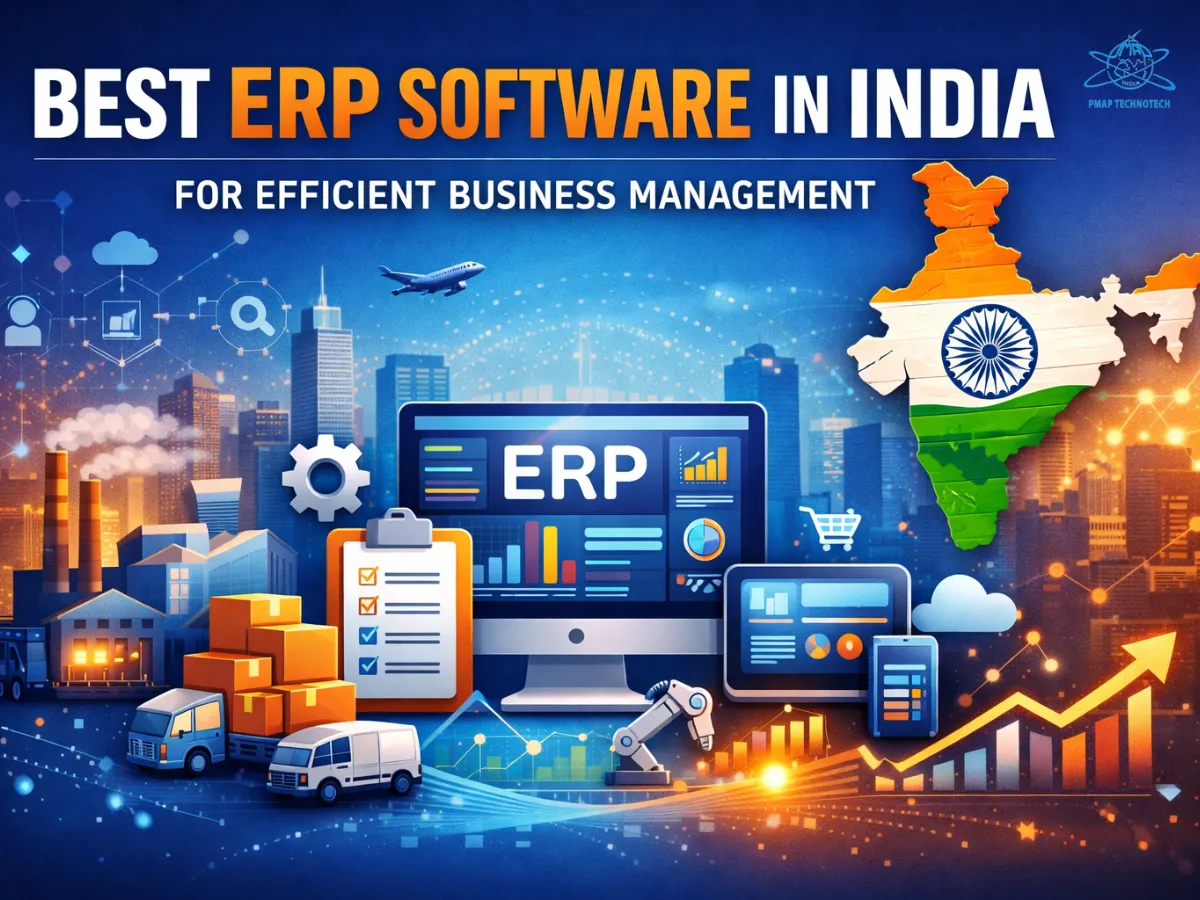

Enterprise Resource Planning (ERP) software has become the backbone of modern businesses. From finance and HR to supply chain and production, ERP systems connect every department into a single integrated platform. In India, companies across manufacturing, retail, logistics, healthcare, and services are rapidly adopting ERP solutions to boost efficiency, reduce costs, and improve decision-making.
According to recent industry reports, leading ERP platforms such as SAP, Microsoft Dynamics, and Oracle NetSuite continue to dominate globally, while cloud ERP adoption is rising because of scalability and lower infrastructure costs.
In this detailed guide, we will explore the best ERP software in India, their features, benefits, pricing suitability, and how to choose the right ERP for your business.
What is ERP Software?
ERP (Enterprise Resource Planning) is a centralized software platform that integrates all business processes, including:
- Finance & accounting
- Sales & CRM
- Inventory & procurement
- HR & payroll
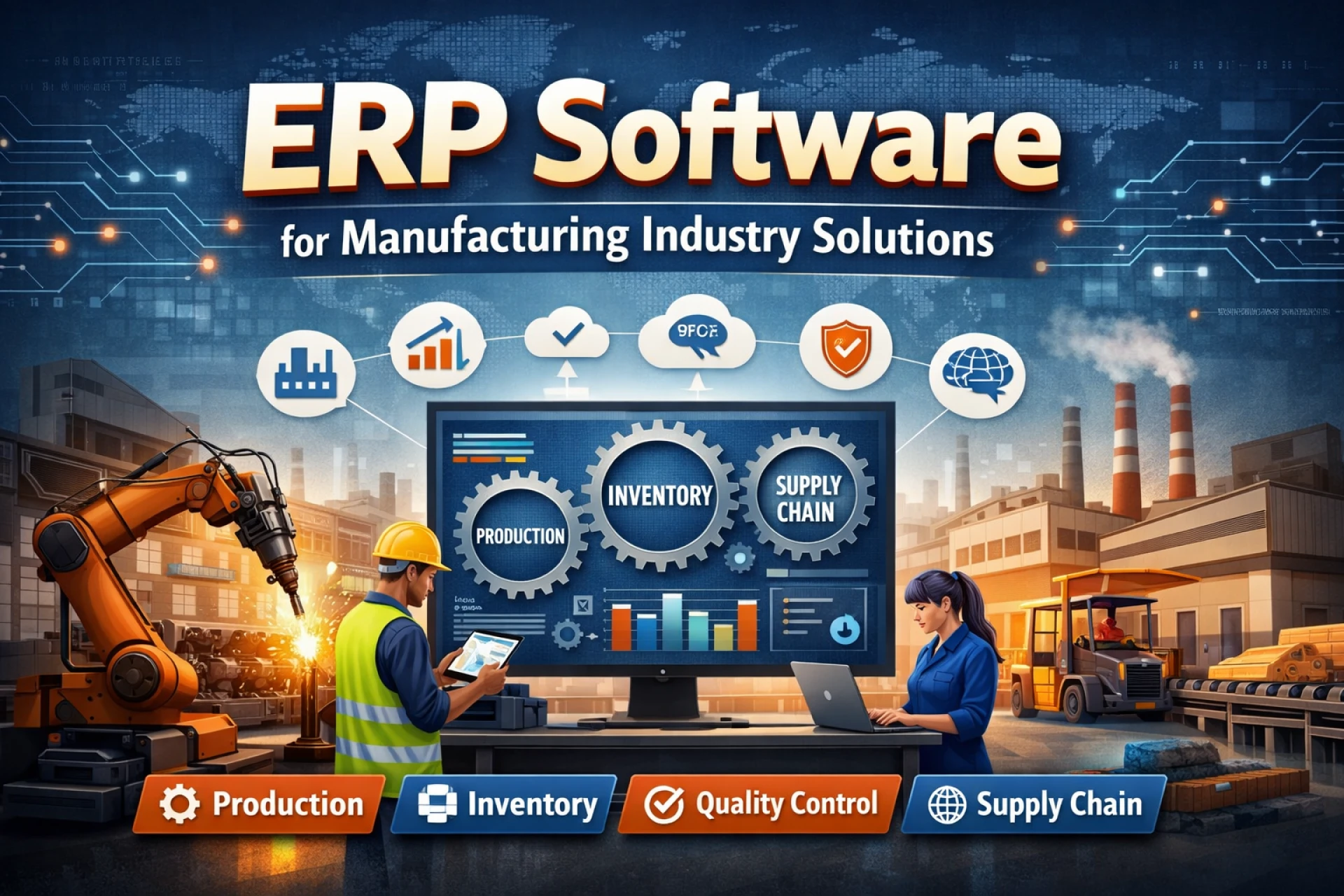
- Manufacturing & production
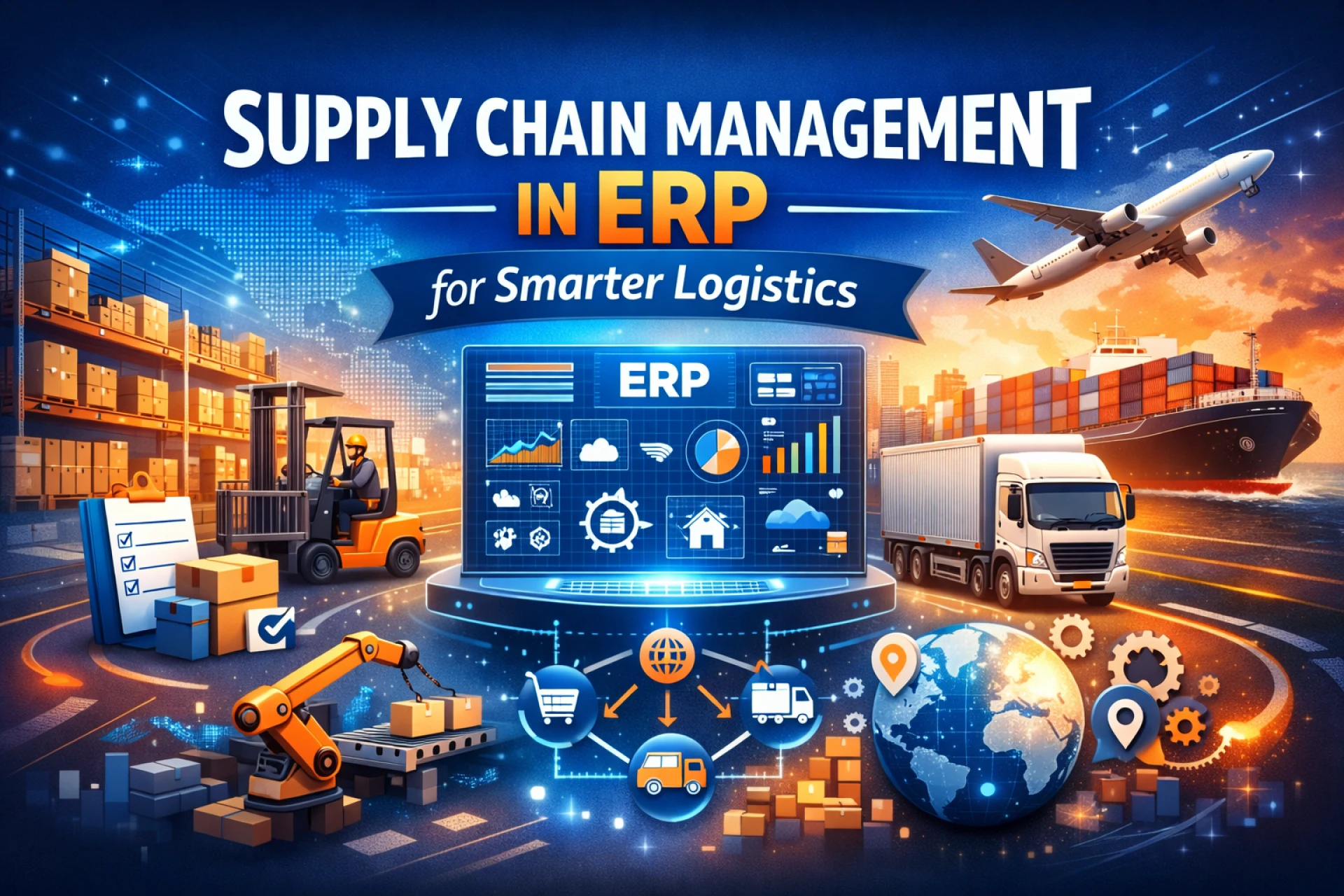
- Supply chain management
Instead of using multiple disconnected tools, ERP brings everything together into a single system that provides real-time data and automation.
Why Indian Businesses Need ERP Software
India’s business landscape is rapidly digitizing. SMEs, startups, and large enterprises are shifting toward ERP because it helps them:
1. Improve Productivity
Automates repetitive tasks and reduces manual work.
2. Real-Time Decision Making
Provides dashboards and analytics for quick decisions.
3. Reduce Operational Costs
Eliminates duplicate processes and errors.
4. Compliance & Taxation
Helps manage GST, audits, and financial reporting.
5. Scalable Growth
Cloud ERP allows businesses to expand without IT complexity.
Key Features to Look for in ERP Software
Before choosing ERP software, businesses must evaluate the following:
- Cloud vs On-Premise deployment
- Industry-specific modules
- Integration capabilities
- Customization & scalability
- User experience and training
- Vendor support and pricing
These factors ensure long-term success after implementation.
Best ERP Software in India (Top Solutions)
Let’s explore the most popular and trusted ERP solutions used by Indian businesses.
1. SAP Business One / SAP S/4HANA
One of the most powerful ERP platforms globally, SAP is widely used by large enterprises and growing companies.
Key Features
- Advanced analytics & AI
- Financial and compliance management
- Supply chain & procurement
- Manufacturing planning
- Global scalability
SAP ERP is best suited for large organizations with complex processes and multi-location operations.
2. Microsoft Dynamics 365
A powerful cloud ERP platform ideal for businesses already using Microsoft tools.
Key Features
- Seamless integration with Office 365
- Sales, finance, and operations modules
- Real-time business insights
- AI-powered forecasting
It is ideal for mid-size and large enterprises seeking a cloud-based ERP ecosystem.
3. Oracle NetSuite
A leading cloud ERP solution popular among startups and growing businesses.
Key Features
- Financial planning and reporting
- CRM and eCommerce integration
- Inventory and order management
- Multi-currency and multi-entity support
NetSuite is known for scalability and global business management.
4. Odoo ERP
A highly flexible and modular ERP system popular among SMEs in India.
Key Features
- Open-source flexibility
- Modular apps (CRM, HR, inventory, accounting)
- Affordable implementation
- Customizable workflows
Odoo is perfect for small and mid-size businesses looking for cost-effective ERP.
5. Zoho ERP (Emerging)
Zoho is rapidly entering the ERP market with AI-powered features and banking integration.
Key Features
- Native financial integrations
- Predictive analytics
- Voice assistance
- Lower implementation costs
Zoho is especially attractive for Indian SMEs.
6. TallyPrime + ERP Extensions
Tally is one of India’s most widely used accounting tools.
Key Features
- GST compliance
- Financial accounting
- Payroll management
- Add-on ERP integrations
Best for small businesses transitioning to ERP.
7. Epicor ERP
A strong ERP for manufacturing and distribution companies.
Key Features
- Production planning
- Supply chain optimization
- Warehouse management
- Industry-specific modules
Ideal for manufacturing companies.
8. Acumatica Cloud ERP
A modern ERP platform designed for growing businesses.
Key Features
- Cloud-native architecture
- Flexible deployment
- Mobile accessibility
- Project accounting
Popular among mid-market companies.
9. Sage ERP
A trusted ERP solution known for financial management.
Key Features
- Accounting & compliance
- Budgeting & forecasting
- Multi-currency support
- Financial reporting
Suitable for mid-size companies.
10. Infor ERP
Infor provides industry-specific ERP solutions.
Key Features
- Manufacturing ERP
- Supply chain visibility
- Cloud deployment
- AI analytics
Best for industry-focused businesses.
ERP Comparison Summary
| ERP Software | Best For | Deployment |
| SAP | Large enterprises | Cloud & On-Prem |
| Microsoft Dynamics | Mid & large companies | Cloud |
| Oracle NetSuite | Growing businesses | Cloud |
| Odoo | SMEs | Cloud & On-Prem |
| Zoho ERP | Indian SMEs | Cloud |
| Tally ERP | Small businesses | On-Prem |
| Epicor | Manufacturing | Cloud |
| Acumatica | Mid-market | Cloud |
| Sage | Financial management | Cloud |
| Infor | Industry solutions | Cloud |
Benefits of Implementing ERP Software
1. Centralized Data
All departments work from a single source of truth.
2. Better Customer Experience
ERP integrates CRM and sales workflows.
3. Improved Inventory Management
Real-time stock tracking reduces shortages and overstock.
4. Faster Reporting
Generate financial and operational reports instantly.
5. Enhanced Collaboration
Teams work together efficiently across departments.
Cloud ERP vs On-Premise ERP
| Cloud ERP | On-Premise ERP |
| Subscription pricing | High upfront cost |
| Accessible anywhere | Limited accessibility |
| Automatic updates | Manual upgrades |
| Scalable | Limited scalability |
Cloud ERP is becoming the preferred choice for Indian businesses.
How to Choose the Best ERP Software in India
Follow these steps before finalizing ERP:
Step 1: Identify Business Needs
Define pain points and required modules.
Step 2: Set Budget
Consider implementation and training costs.
Step 3: Request Demos
Evaluate usability and features.
Step 4: Check Scalability
Ensure the ERP grows with your business.
Step 5: Choose Implementation Partner
A reliable ERP partner ensures success.
Future of ERP in India
ERP is evolving rapidly with new technologies:
- Artificial Intelligence & automation
- Predictive analytics
- IoT integration
- Mobile ERP applications
- Industry-specific ERP solutions
India’s ERP adoption is expected to grow significantly as SMEs digitize operations.
Conclusion
Choosing the best ERP software in India depends on your business size, industry, and budget. Large enterprises often prefer SAP and Microsoft Dynamics, while SMEs choose Odoo, Zoho, or Tally due to affordability and flexibility.
The right ERP system can transform business operations, improve efficiency, and drive long-term growth. Investing in ERP today is a strategic decision that prepares your business for the digital future.
FAQs – Best ERP Software in India
1. Which is the best ERP software in India?
SAP, Microsoft Dynamics, Oracle NetSuite, and Odoo are among the top ERP solutions used by Indian businesses.
2. Which ERP is best for small businesses?
Odoo, Zoho ERP, and Tally are ideal for SMEs due to affordability and ease of implementation.
3. What is the cost of ERP software in India?
ERP cost varies from ₹50,000 to several lakhs depending on features, users, and customization.
4. Is cloud ERP better than on-premise ERP?
Yes, cloud ERP offers scalability, remote access, and lower upfront costs.
5. How long does ERP implementation take?
Implementation typically takes 3–12 months depending on complexity.
6. Which ERP is best for manufacturing companies?
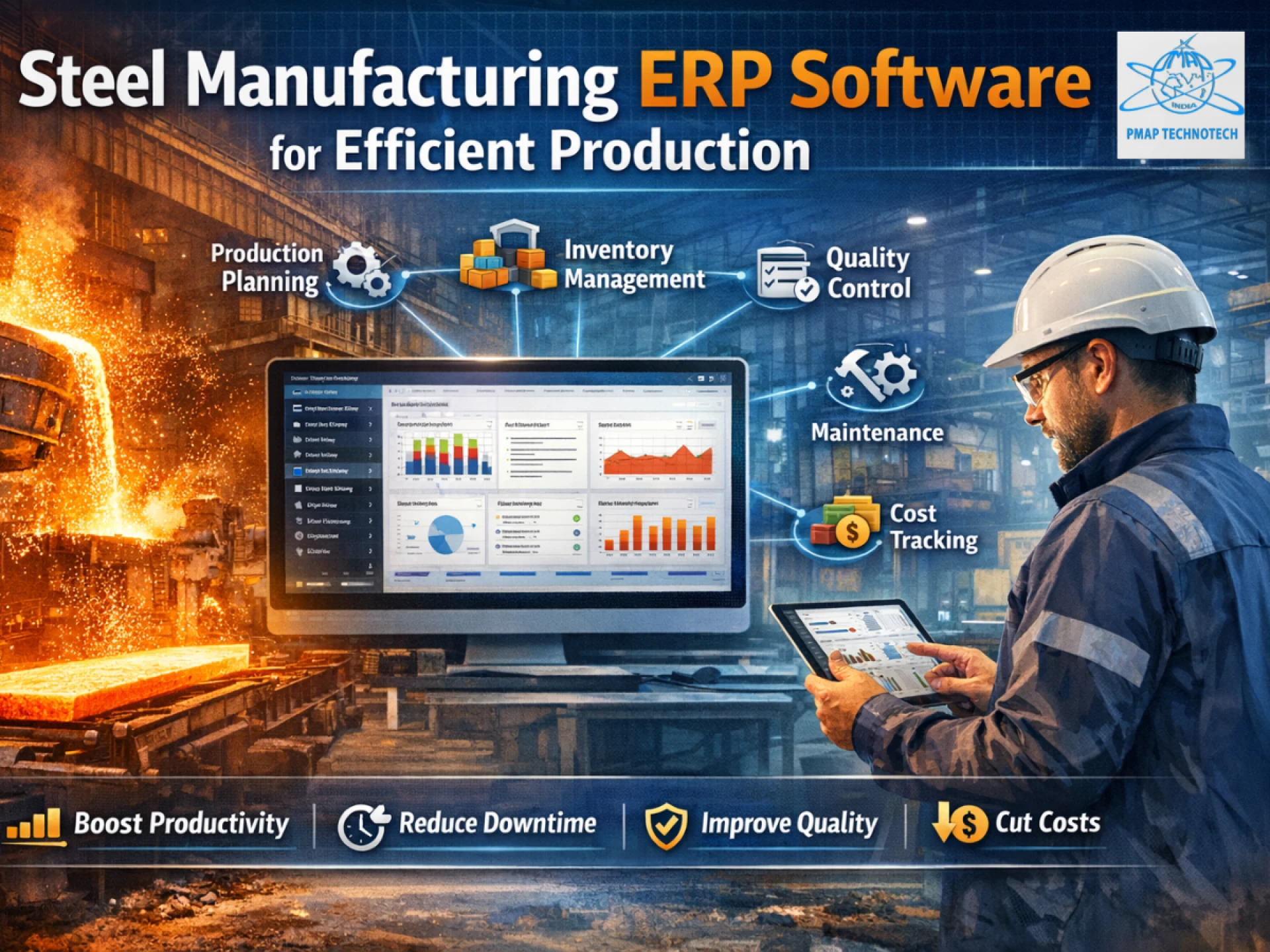
SAP, Epicor, and Infor are widely used in manufacturing industries.
7. Can ERP be customized?
Yes, most ERP solutions allow customization based on business needs.
8. Is ERP suitable for startups?
Yes, cloud ERP like Odoo and Zoho is perfect for startups.
9. What industries use ERP software?
Manufacturing, retail, healthcare, logistics, education, and finance.
10. Why is ERP important for business growth?
ERP improves efficiency, reduces costs, and provides real-time insights for better decision-making.


























Sign in to leave a comment.