
Creating a beautiful patio in the UK comes with one major challenge that homeowners cannot ignore: rain. The British climate is known for its frequent showers, damp winters, and changing seasonal conditions, which means outdoor surfaces must be chosen carefully. A patio that looks stunning during summer can quickly become slippery, stained, cracked, or difficult to maintain once heavy rainfall and moisture take over.
This is why selecting the right patio material is one of the most important decisions for any outdoor renovation project. The ideal paving material should not only enhance the appearance of your garden but also withstand constant moisture, resist algae growth, and maintain its durability throughout the year. Whether you are building a modern outdoor entertainment space or a cosy traditional garden retreat, choosing weather-resistant paving can save you money, maintenance time, and future repairs.
Many UK homeowners now turn to trusted suppliers such as pave direct because they offer paving options specifically designed for British weather conditions. However, understanding which materials perform best in wet environments is equally important before making your final choice.
Why Rain Resistance Matters in Patio Materials
Rain affects patios in several ways. Water can seep into porous surfaces, freeze during colder months, and cause cracking over time. Continuous moisture also encourages moss, algae, and mould growth, making patios slippery and unsafe. In addition, some paving materials fade or become stained when repeatedly exposed to rainwater and dirt.
A good patio material for rainy weather should provide several essential qualities. It should have low water absorption, good slip resistance, high durability, and minimal maintenance requirements. Drainage compatibility is also critical because standing water can weaken surfaces and create long-term structural problems.
When homeowners overlook these factors, patios often begin to deteriorate within a few years. That is why choosing the correct material from the beginning can make a huge difference in long-term performance.
Porcelain Paving: The Modern Solution for Wet Weather
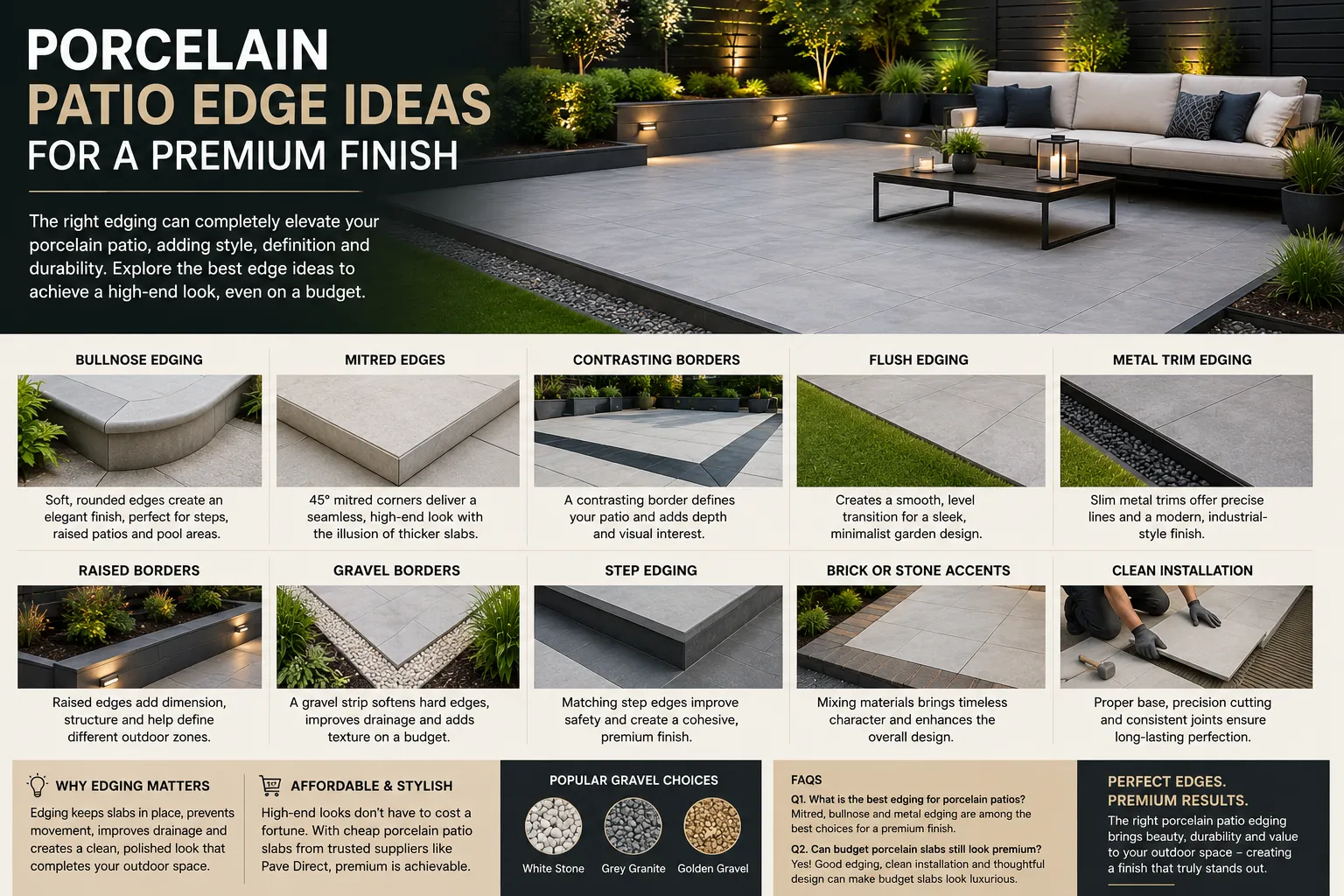
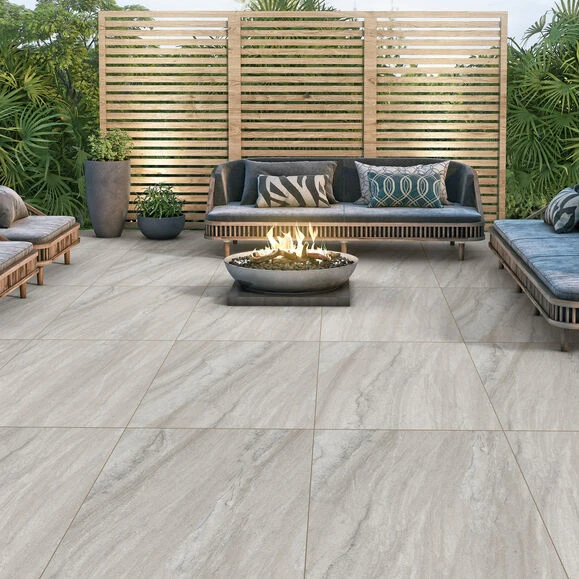
Among all patio materials available today, porcelain slabs are considered one of the best options for rainy UK conditions. Their popularity has increased dramatically in recent years because they combine style, strength, and weather resistance in a single solution.
Porcelain paving is manufactured using high temperatures and dense materials, which results in an extremely compact surface with very low porosity. This means water cannot easily penetrate the slabs, making them highly resistant to moisture damage.
One of the biggest advantages of porcelain is its slip-resistant finish. Many outdoor porcelain products are specifically designed with textured surfaces that provide grip even during wet weather. This makes them ideal for family gardens, outdoor dining areas, and pathways that receive heavy foot traffic.
Another major benefit is stain resistance. Unlike natural stone, porcelain does not absorb dirt, oil, or rainwater easily. Homeowners can maintain a clean and modern patio appearance with minimal effort throughout the year.
Porcelain paving also offers impressive design flexibility. It is available in finishes that replicate natural stone, wood, concrete, and slate, allowing homeowners to achieve almost any garden style without sacrificing durability.
Natural Sandstone and Its Performance in Rain
Indian sandstone remains one of the most popular patio materials in the UK because of its natural beauty and timeless appeal. Its rich textures and warm colour variations create a welcoming outdoor environment that suits both traditional and contemporary homes.
In rainy weather, sandstone performs reasonably well when properly installed and sealed. However, sandstone is more porous than porcelain, meaning it absorbs more water over time. Without sealing, moisture can encourage algae growth and lead to staining.
Despite this, many homeowners still prefer sandstone because of its natural appearance and character. The key to improving sandstone’s weather resistance lies in correct installation, proper drainage, and regular maintenance.
Choosing high-quality sandstone with calibrated thickness can also improve long-term durability. Lower-grade materials may absorb excessive moisture and deteriorate faster in freezing conditions.
Limestone Patios for Elegant Outdoor Spaces
Limestone is another attractive option often chosen for luxury garden designs. Its smooth texture and sophisticated colour tones make it particularly appealing for modern outdoor spaces.
However, limestone requires more attention in wet climates compared to porcelain paving. Since limestone is naturally porous, moisture management becomes extremely important. Proper sealing helps reduce water absorption and protects the surface from weather-related wear.
Understanding limestone maintenance is essential before selecting this material for a UK patio. Regular cleaning, sealing, and algae prevention treatments help preserve the stone’s appearance and structural integrity. Without maintenance, limestone may become slippery and develop weathering marks over time.
That said, homeowners who are willing to maintain limestone properly can enjoy a highly elegant and premium-looking patio that adds value to their property.
Concrete Paving and Rain Resistance
Concrete paving slabs have evolved significantly over the years. Modern concrete paving is now available in a wide variety of textures, colours, and finishes, making it a practical choice for many UK gardens.
Concrete is generally durable and cost-effective, but its performance in wet weather depends heavily on quality and installation. Poor-quality concrete can absorb water and develop cracks during freeze-thaw cycles. However, high-quality concrete paving with protective sealants can perform well in rainy conditions.
One advantage of concrete is affordability. Homeowners working with tighter budgets often find concrete paving to be an attractive alternative to premium natural stone materials.
Proper drainage remains critical with concrete patios because standing water can accelerate wear and encourage surface discolouration over time.
Gravel Patios and Drainage Benefits
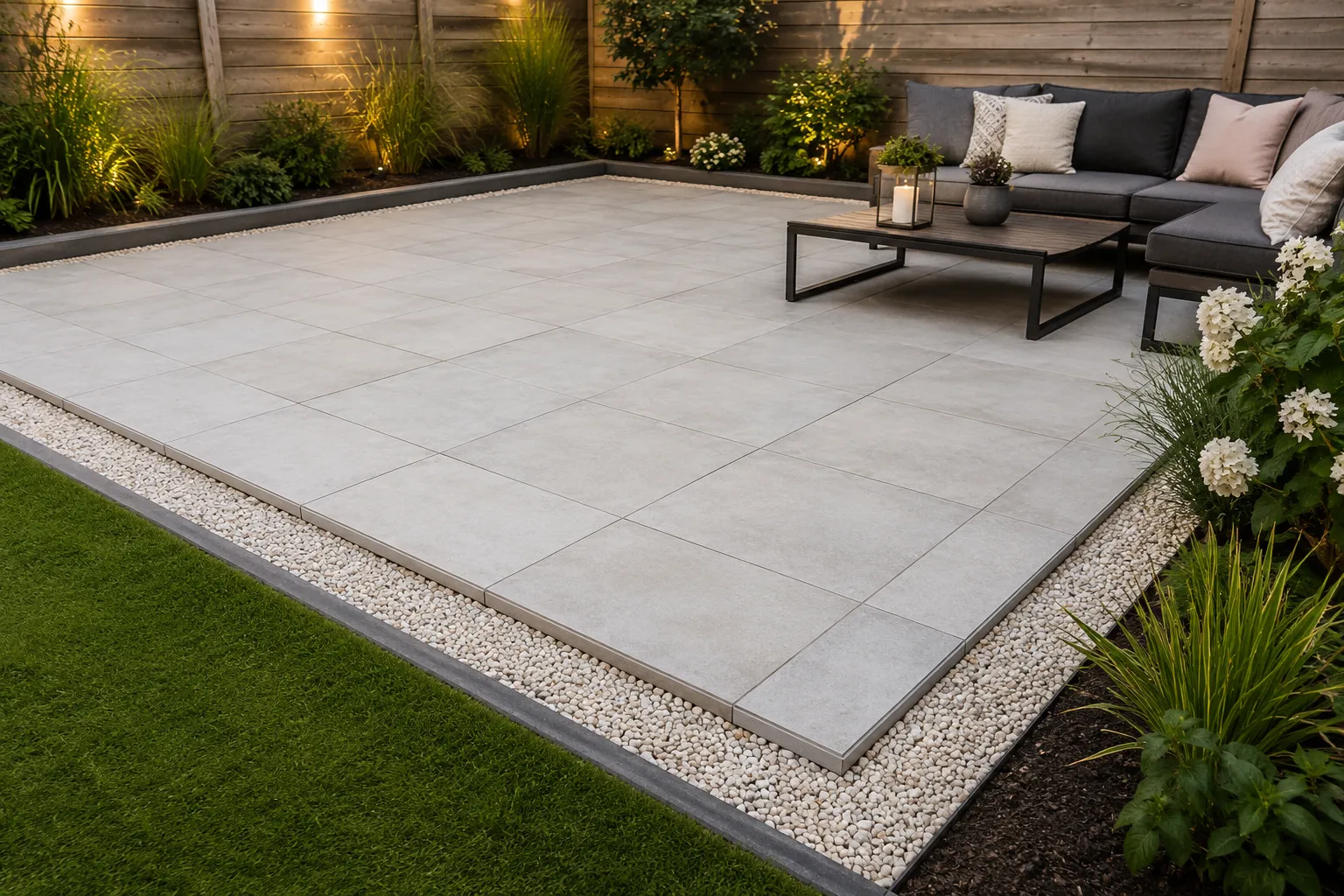
Gravel is one of the most naturally rain-friendly patio materials because it allows water to drain directly into the ground. Unlike solid paving surfaces, gravel prevents puddles from forming and reduces the risk of water damage.
For rural, cottage-style, or informal gardens, gravel can create a charming and low-cost outdoor space. It is also relatively easy to install and maintain compared to traditional paving systems.
However, gravel is not always ideal for every homeowner. Furniture stability can become an issue, and loose stones may spread outside the designated patio area. Additionally, gravel does not provide the same polished appearance as porcelain or natural stone paving.
Still, when drainage is the primary concern, gravel remains one of the most effective options available.
The Importance of Proper Drainage
Even the best patio material can fail if drainage is ignored. Rainwater must always flow away from the patio surface efficiently to prevent pooling and structural damage.
Professional installers usually create a slight slope during patio construction to encourage water runoff. Permeable jointing compounds and drainage channels may also be used in areas with heavy rainfall exposure.
In the UK climate, drainage planning is just as important as material selection. Poor drainage often causes issues such as loose paving, moss growth, frost damage, and subsidence.
Investing in professional installation ensures that your patio not only looks attractive but also performs effectively during all seasons.
Slip Resistance and Safety Considerations
Wet patios can become hazardous if the surface lacks adequate grip. This is especially important for households with children, elderly family members, or frequent outdoor entertaining.
Textured paving surfaces generally offer better slip resistance than polished finishes. Porcelain products designed for outdoor use often include anti-slip ratings that indicate their suitability for wet environments.
Natural stones can also provide excellent grip when finished correctly. Riven sandstone, textured concrete, and brushed limestone surfaces are all safer choices than highly polished materials.
Choosing slip-resistant paving improves both comfort and long-term usability throughout the year.
Which Patio Material Lasts the Longest in UK Rain?
When comparing long-term durability, porcelain paving usually outperforms most alternatives in wet weather conditions. Its low water absorption, resistance to stains, and minimal maintenance needs make it one of the most reliable patio materials available today.
Natural stones such as sandstone and limestone can also last for decades when properly maintained, although they generally require more upkeep compared to porcelain.
Concrete provides a balance between affordability and durability, while gravel excels in drainage performance but offers a different visual style.
Ultimately, the best patio material depends on your priorities. Some homeowners value low maintenance, while others prioritise natural appearance or budget-friendly solutions.
Choosing the Right Patio for Your Garden Style
A patio should complement both your home and garden surroundings. Modern homes often pair beautifully with sleek porcelain paving, while traditional properties may benefit from the natural charm of sandstone or limestone.
Colour selection also plays an important role in rainy climates. Lighter shades can brighten outdoor spaces during gloomy weather, while darker tones create a more dramatic and contemporary appearance.
Texture is equally important because it influences both visual appeal and slip resistance. Combining functionality with aesthetics ensures your patio remains practical without compromising design quality.
Final Thoughts
The UK’s rainy climate makes patio material selection more important than many homeowners initially realise. Choosing weather-resistant paving can dramatically improve safety, durability, and long-term garden enjoyment.
Porcelain paving stands out as one of the strongest all-round performers thanks to its moisture resistance, low maintenance requirements, and stylish appearance. Natural stones like sandstone and limestone continue to remain popular because of their timeless beauty, although they require more ongoing care to maintain their condition.
No matter which material you choose, proper installation and drainage planning are essential for achieving a patio that performs well in wet weather conditions year after year.
A carefully designed patio can transform any garden into a comfortable and visually appealing outdoor living space, even during the unpredictable British weather.
























Sign in to leave a comment.