

Alzheimer’s disease (AD) is a complex neurodegenerative condition, often characterized by the accumulation of beta-amyloid plaques in the brain. Detecting these plaques is crucial for diagnosing Alzheimer's, and beta-amyloid antibodies play a central role in this detection.
In this article, we'll explore how researchers use anti-beta amyloid antibody tools in various experiments to detect Alzheimer’s biomarkers effectively.
What Are Beta-Amyloid Antibodies?
Beta-amyloid antibodies are specialized proteins that bind to beta-amyloid, a protein fragment that forms sticky plaques in the brains of Alzheimer's patients. These plaques are toxic to brain cells and disrupt normal brain function. Using anti-beta amyloid antibody tools, researchers can identify and study these plaques, helping with both early detection and research into possible treatments for Alzheimer's disease.
Key Applications Of Anti-Beta Amyloid Antibodies
Anti-beta amyloid antibodies are used in several laboratory techniques to detect beta-amyloid plaques. Let’s break down the most common methods:
1. Western Blotting
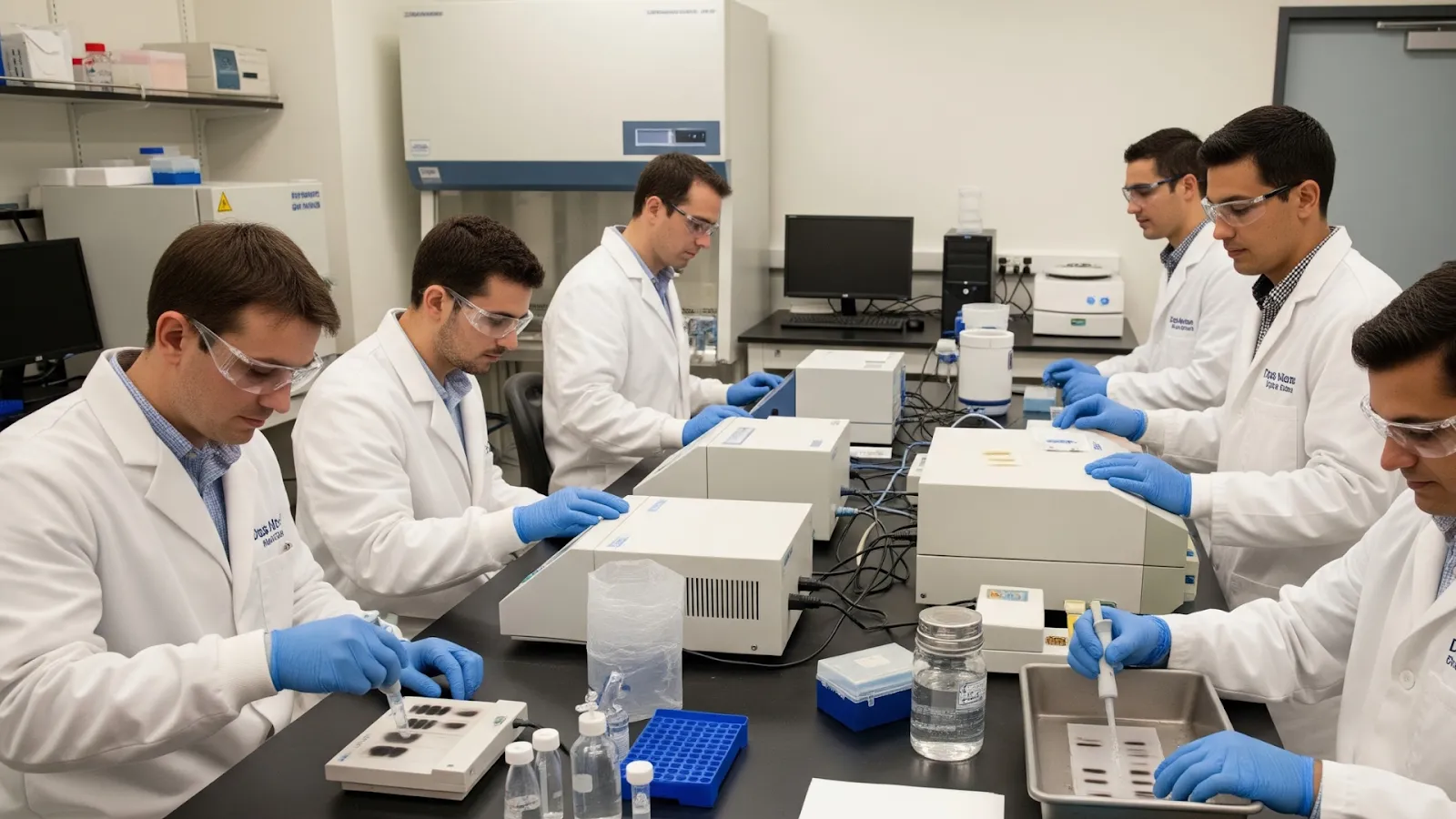
Western blotting is one of the most effective ways to detect and quantify beta-amyloid in tissue samples. Researchers use anti-beta amyloid antibody to bind to the beta-amyloid proteins, which are then detected by specific staining techniques.
- How it works: After isolating proteins from a sample, the proteins are separated by size using gel electrophoresis. The membrane is then probed with the anti-beta amyloid antibody, and the presence of beta-amyloid is identified by chemiluminescent signals or colored stains.
- Why it’s useful: Western blotting provides clear, quantitative results, making it ideal for measuring the levels of beta-amyloid in different brain tissues.
2. Immunohistochemistry (IHC)
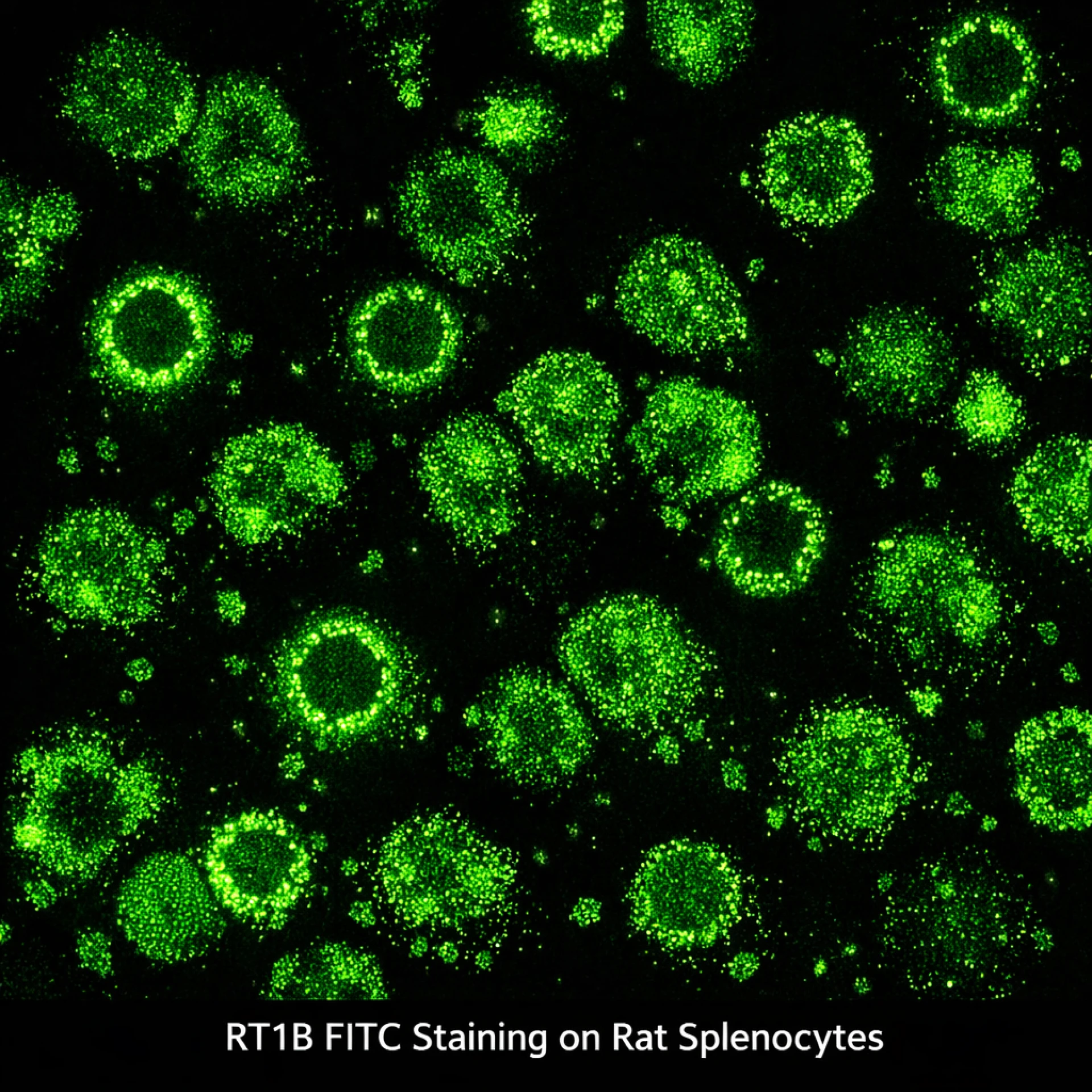
IHC allows researchers to visually identify beta-amyloid plaques directly in brain tissue sections. This method uses the anti-beta amyloid antibody to bind to beta-amyloid plaques, and a secondary antibody, often linked to an enzyme, produces a color change at the plaque sites.
- How it works: Brain tissue slices are treated with the anti-beta amyloid antibody. After incubation, the enzyme-labeled secondary antibody causes a color reaction, marking the plaques under a microscope.
- Why it’s useful: IHC offers a direct, visual representation of the plaques in the brain, which is essential for observing the spatial distribution of beta-amyloid deposits.
3. Enzyme-Linked Immunosorbent Assay (ELISA)
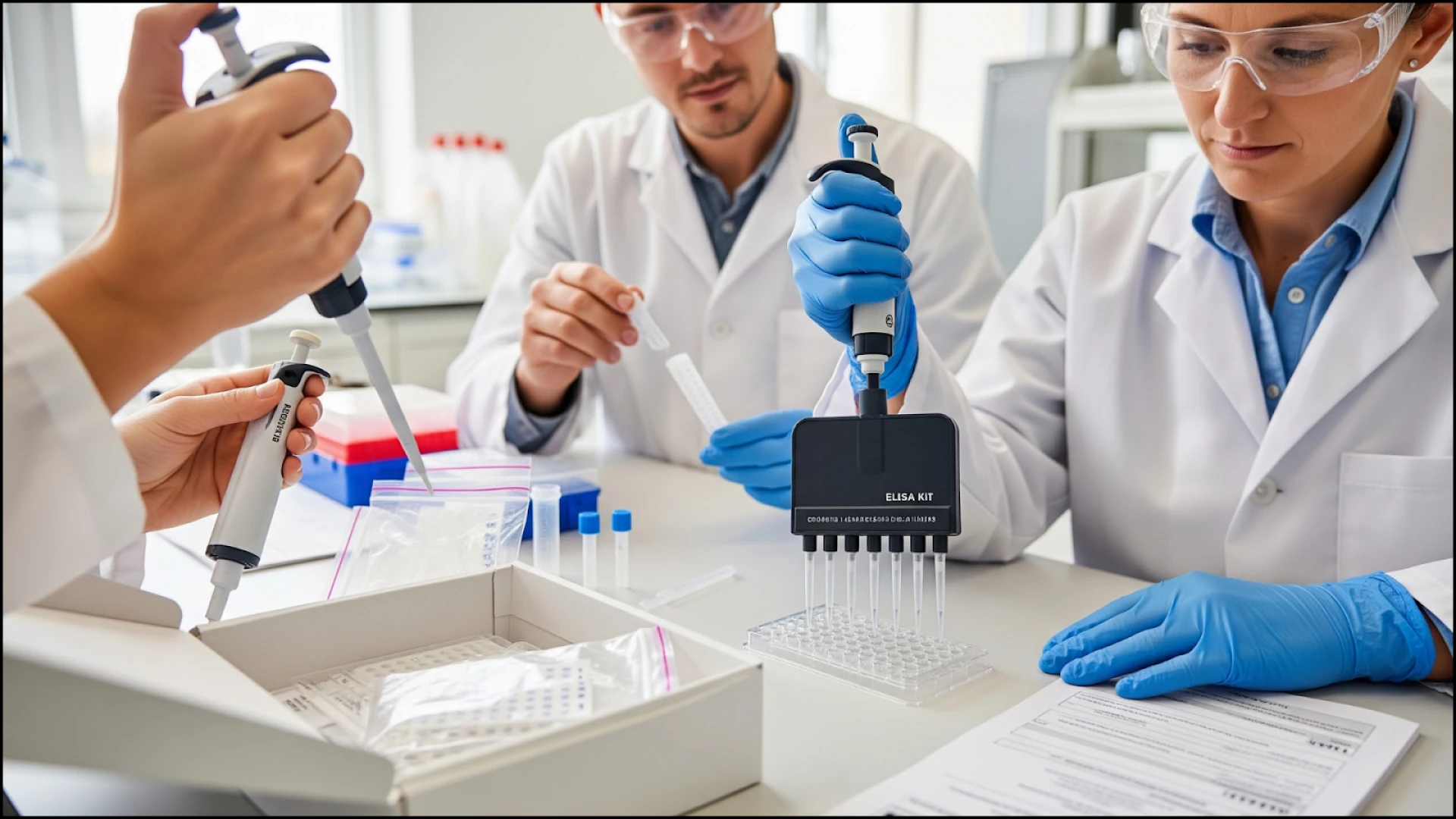
ELISA is a sensitive assay used for detecting beta-amyloid in bodily fluids like cerebrospinal fluid (CSF) or blood. The anti-beta amyloid antibody is immobilized on a solid surface, and the beta-amyloid proteins in the sample bind to it. An enzyme reaction then produces a detectable signal.
- How it works: Beta-amyloid in the sample binds to the anti-beta amyloid antibody on a microplate, and a substrate reaction produces a color change.
- Why it’s useful: ELISA is highly sensitive and can detect low levels of beta-amyloid in fluids, making it a powerful tool for diagnosing Alzheimer’s disease, especially in the early stages.
Why Use Anti-Beta Amyloid Antibodies In Alzheimer’s Research?
Beta-amyloid plaques are key to Alzheimer's diagnosis, and early detection is crucial. Anti-beta amyloid antibodies are essential tools in research for this purpose.
- Early Diagnosis: Early detection of beta-amyloid plaques can help diagnose Alzheimer's disease before significant brain damage occurs.
- Study Progression: Researchers can track how beta-amyloid deposits accumulate over time and how they correlate with cognitive decline.
- Potential for New Therapies: By studying beta-amyloid, researchers can develop targeted treatments that aim to reduce plaque formation, potentially slowing disease progression.
Considerations When Using Anti-Beta Amyloid Antibodies
While anti-beta amyloid antibodies are powerful research tools, there are some considerations to keep in mind:
- Antibody Specificity: Make sure the antibody is specific to beta-amyloid and does not cross-react with other proteins in the brain.
- Sample Preparation: The quality of the tissue or fluid samples is critical. Improper preparation can lead to inaccurate results.
- Experimental Conditions: Ensure that conditions such as temperature, antibody concentration, and incubation times are optimized for each method.
Final Thought
Anti-beta amyloid antibodies are crucial in Alzheimer’s research for detecting beta-amyloid plaques, a key biomarker of the disease. They enable early diagnosis, tracking disease progression, and developing treatments through techniques like Western blotting, immunohistochemistry, and ELISA.
As the need for early detection grows, these antibodies remain an essential tool in advancing Alzheimer’s diagnostics and therapies.




























Sign in to leave a comment.