

If you’ve ever worked with rotating equipment—motors, pumps, turbines—you know that one of the smallest components can become the biggest headache: the bearing seal. It’s supposed to be a line of defense. Yet in high-demand environments, traditional seals crack, wear out, and fail. And when they do, they don’t just compromise one part—they can compromise an entire system.
This is where the bearing isolator enters the picture—not as a seal upgrade, but as a complete mindset shift in how we protect critical machinery. Think of it as a guardian, not just a gatekeeper. It's quiet, passive, and barely noticeable. But what it saves you—in downtime, repair costs, and long-term wear—is monumental.
Let’s take a closer look at what makes the bearing isolator such a transformational piece of engineering.
The Problem with Traditional Seals
Before understanding the solution, it’s important to understand the challenge. Traditional contact seals—like lip seals—are just that: they make contact. A rubber or polymer lip is compressed against the rotating shaft to keep contaminants out and lubricants in. Over time, this contact wears the seal down, creating leaks and shaft damage.
Moreover, lip seals can only withstand so much pressure, temperature, and environmental exposure before they give out. Water, dust, chemicals, or even minor shaft misalignment can lead to premature seal failure. And with it comes bearing contamination—resulting in friction, overheating, and, eventually, equipment breakdown.
This is where the shift from sealing to isolating becomes critical.
The Science Behind Bearing Isolators
A bearing isolator is a non-contact, compound labyrinth-style seal made of metallic or non-metallic materials. It typically has two components—a rotor and a stator—that form a static and dynamic interface but never touch. Instead of relying on compression or friction, it uses physics to redirect ingress of contaminants and egress of lubricants.
Here’s how it works:
- Labyrinth Design: The isolator has a series of internal grooves and channels that trap and redirect any ingress of liquids or particles away from the bearing chamber.
- Centrifugal Force: When the equipment is in motion, centrifugal forces generated by the rotating element help to sling contaminants away.
- Permanent Fit: Unlike lip seals, bearing isolators don’t wear down with time and movement, and they don’t scar the shaft.
The result? Long-lasting protection, zero contact-related wear, and a consistent barrier between your bearings and their harsh surroundings.
Where and Why Bearing Isolators Matter Most
You might think this is overkill for basic equipment. But in high-stakes operations—think petrochemical plants, wastewater treatment facilities, or food processing lines—a single seal failure can mean hours of downtime, regulatory fines, or product contamination.
Let’s look at some common applications where bearing isolators shine:
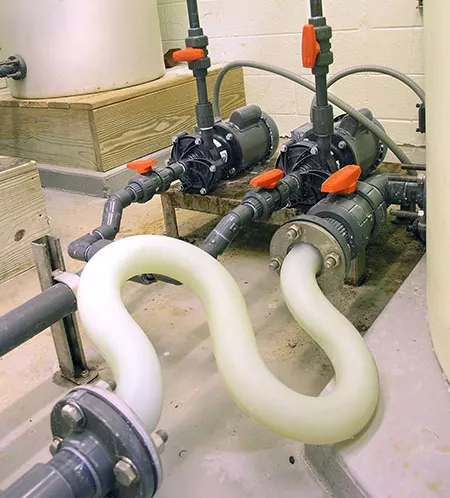
- Centrifugal Pumps: Used in everything from chemical to mining applications, these pumps run hot, fast, and continuously. Traditional seals just don’t last.
- Motors: Electric motors, especially in outdoor or humid environments, are highly prone to ingress issues. Bearing isolators prevent both moisture and fine dust from creeping in.
- Gearboxes: These systems involve dynamic loads and vibrations. A non-contact isolator ensures the protection is resilient even when conditions fluctuate.
And it’s not just about protection—it's about prevention. Preventing the ingress of water, the escape of lubricant, and the eventual failure of high-value equipment is more cost-effective than reactive maintenance.
Humanizing the Engineering: What Does This Mean for You?
Now let’s step back from technicalities and see what this means at the ground level. Maybe you’re a maintenance supervisor trying to hit reliability targets. Maybe you're a plant manager facing scrutiny over unplanned downtimes. Or maybe you're an engineer designing systems that need to work not just on paper—but in the dust, heat, and vibration of the real world.
Installing a bearing isolator isn’t just a hardware decision—it’s a cultural one. It's choosing longevity over patchwork. It’s choosing a system that works with physics, not against it. And it’s choosing to stop treating downtime as inevitable.
Imagine knowing your motors are protected during monsoon season without needing weekly inspections. Or confidently deploying pumps in environments where chemical exposure is high, without worrying about replacing seals every few months.
That’s the quiet power of bearing isolation—it makes the unreliable invisible.
How to Choose the Right Bearing Isolator
There isn’t a one-size-fits-all solution. The best bearing isolator for your application depends on several factors:
- Material Compatibility: For corrosive or high-temperature environments, opt for metallic or high-performance polymers.
- Operating Speed and Size: Ensure the isolator is rated for your shaft diameter and rotational speed.
- Ingress Concerns: If your biggest threat is water, choose a design optimized for splash resistance. For dust-heavy environments, look for deeper labyrinth paths.
- Installation Ease: Some designs are press-fit, others bolt-on. Some allow for retrofit, while others are designed into OEM equipment.
Trusted brands like Inpro/Seal, Garlock, and AESSEAL offer a range of isolators for various industrial applications. But the real value lies not in the brand—it lies in understanding your machinery’s operating context and future demands.
The Sustainability Angle: Better for Machines, Better for the Planet
Let’s not forget the green benefit. When you reduce friction, minimize wear, and extend the life of both seals and bearings, you’re reducing waste. You’re using fewer replacement parts, consuming less lubrication, and avoiding the environmental cost of manufacturing and shipping spares.
In an era where sustainability and ESG reporting matter, bearing isolators align well with both operational and environmental goals.
Conclusion: A Small Part with a Big Impact
In the hierarchy of industrial components, seals and isolators are rarely glamorous. They don’t command the attention of a turbine blade or a PLC controller. But in terms of cost saved per square inch, the bearing isolator may be one of the most valuable upgrades you can make to your equipment.
It’s time to stop treating seals as consumables and start treating isolators as strategic investments. Because when your bearing stays dry, clean, and cool—your operation stays productive, predictable, and profitable.
That’s not just good engineering. That’s smart business.




























Sign in to leave a comment.