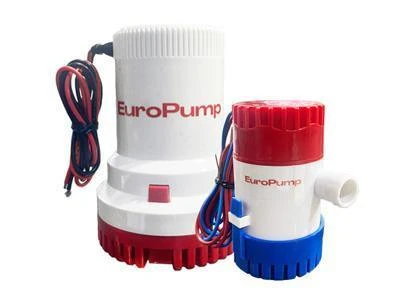

A bilge pump is one of the most important safety devices on any boat. Think of it as your vessel's unsung hero, working quietly in the background to keep you afloat. Its job is simple but critical: to remove water that collects in the bilge, which is the lowest part inside your boat's hull. This water can come from many places. Rain, spray from waves, a small leak from a cooling system, or even melting ice in a cooler can all contribute. If this water is not removed, it can make your boat unstable, damage your equipment, or even cause it to sink. At Climax Marine, we know that staying safe on the water starts with having reliable gear. That is why we offer a range of high-quality pumps and accessories designed to give you peace of mind. This guide will explain everything you need to know about these vital devices.
What is a Bilge Pump and Why Do You Need One?
In the simplest terms, a bilge pump is a water pump made to empty the bilge. You can compare it to a sump pump in a basement. It turns on when water starts to rise and pumps it out overboard. Every boat, no matter the size, should have at least one. Small boats like kayaks or dinghies might use a simple hand-operated model. Larger vessels, such as cabin cruisers or yachts, rely on powerful electric pumps. The main goal is always the same: keep the inside of the boat as dry as possible. A dry boat is a safe boat. It floats better and handles waves more predictably. Furthermore, standing water can cause mold, rot, and corrosion over time. So, a good pump also helps protect your investment.
Different Types of Bilge Pumps for Different Needs
Not all pumps work the same way. You have choices based on how you want to power them and how much water they need to move. Let's look at the main types you will find at Climax Marine.
Manual Bilge Pumps: Simple and Reliable
A manual pump runs on muscle power, not electricity. You work it with your hand or foot to suck water out of the boat. These are often found on smaller boats like canoes, sailboats, or open fishing boats. They are incredibly reliable because they have no wires or batteries to fail. Many larger boats also keep a manual pump as a backup. If a storm knocks out your power, you can still remove water by hand. They are simple devices, but in an emergency, they can be a true lifesaver.
Electric Bilge Pumps: Automatic and Effortless
Most modern boats use electric bilge pump as their primary defense. These run on your boat's battery. The best part is that they can work automatically. You connect them to a device called a float switch. This switch floats on the surface of the water. When water enters the bilge and rises, the float switch also rises. Once it reaches a certain height, it triggers a switch that turns the pump on. The pump then runs until the water level drops. When the water is gone, the float switch drops and turns the pump off. This all happens without you lifting a finger. You come back to the dock, and your boat is dry.
Submersible vs. In-Line Pumps
You will also see pumps described as submersible or in-line. A submersible pump is designed to sit right in the water at the bottom of the bilge. It is sealed so the water does not damage the motor. These are very common and easy to install. An in-line pump is different. The pump itself is mounted somewhere dry, above the water line. It uses a hose to reach down and suck the water up. This type is often used for larger boats or specific applications like pumping out a livewell.
How to Choose the Right Size Pump
Choosing the right size is very important. If your pump is too small, it cannot remove water fast enough. If it is too large, it might drain your battery quickly. Pump size is measured by how many gallons it can move per hour. This is called "gallons per hour," or GPH.
For a small fishing boat or a daysailer, a pump rated around 500 GPH might be plenty. For a larger cabin cruiser, you might need a pump that moves 1500 or 2000 GPH. A good rule of thumb is to think about the worst-case scenario. Imagine a heavy rainstorm or a broken hose. You want a pump that can keep up with that much water coming in. Many boat owners choose to install two pumps. They use a smaller one for everyday rain and a much larger one for emergencies. Climax Marine can help you calculate the best size for your specific vessel.
Key Features to Look For in a Quality Pump
When you shop for a bilge pump, look for certain features that signal quality and durability.
- Durable Materials: The pump lives in a dirty, wet environment. It should be made of materials that resist rust and corrosion. Look for housings made of tough plastics or corrosion-proof metals.
- A Good Impeller: The impeller is the spinning part inside that pushes the water. It should be made of strong, flexible material that can handle small debris like sand or leaves without breaking.
- A Reliable Float Switch: For automatic operation, the float switch is key. It needs to be reliable and not get stuck. Some pumps even have a built-in electronic switch that has no moving parts to jam.
- Check Valves and Strainers: A check valve stops water from flowing back down the hose into the bilge after the pump shuts off. A strainer is a small basket that covers the pump intake. It keeps large debris from clogging the pump.
Installation Tips for Peak Performance
Buying a great pump is the first step. Installing it correctly is the second. A bad installation can make even the best pump fail.
First, mount the pump at the lowest point in the bilge. Water always finds the lowest spot. That is where the pump needs to be. Make sure the pump sits flat and secure. If it tips over, it might not work.
Second, pay attention to the hose. Use a hose made for marine use. It should be rigid enough not to collapse when the pump sucks water. Run the hose upward to the discharge port on the side of the hull. Avoid low spots in the hose where water could get trapped and freeze.
Third, wire the pump correctly. Use the right size wire for the length of the run. All electrical connections should be above the bilge water level and sealed tight against moisture. Corroded wires are a common reason for pump failure. Finally, always wire the pump directly to a battery, not through the main battery switch. You want it to have power even when you are away from the boat.
Why Trust Climax Marine for Your Safety Gear
At Climax Marine, we take your safety seriously. We do not sell products we would not use on our own boats. Our selection of bilge pumps comes from makers known for building tough, reliable equipment. We test for quality and stand behind what we sell.
We also believe in education. We want you to understand your gear so you can use it with confidence. Our team knows boats inside and out. We can answer your questions and help you pick the perfect pump for your needs. Whether you are a weekend angler or a seasoned sailor, we are here to support your time on the water. When you choose Climax Marine, you choose a partner who cares about getting you home safe.
Maintenance: Keeping Your Pump Ready to Work
A pump is a machine, and all machines need some care. Luckily, bilge pump maintenance is easy. A few times a year, you should lift the pump out and check it. Look inside the strainer for debris. Clean out any leaves, oil, or dirt. Pour some clean water into a bucket and test the pump to make sure it runs. Also, test the float switch by lifting it by hand to see if it turns the pump on.
Check the hose clamps and make sure they are tight. Look at the wires for any cracks or corrosion. This simple check takes only a few minutes. It can save you from a big surprise during a sudden storm. A little care goes a long way toward reliability.
Conclusion
A good bilge pump is not just an accessory. It is a fundamental piece of safety gear for any boat. It works day and night to keep your vessel dry and seaworthy. By understanding the different types, choosing the right size, and installing it well, you protect your boat and everyone on board. At Climax Marine, we offer the quality and expertise you need to make the right choice. Stay safe, stay dry, and enjoy the water with confidence.




























Sign in to leave a comment.