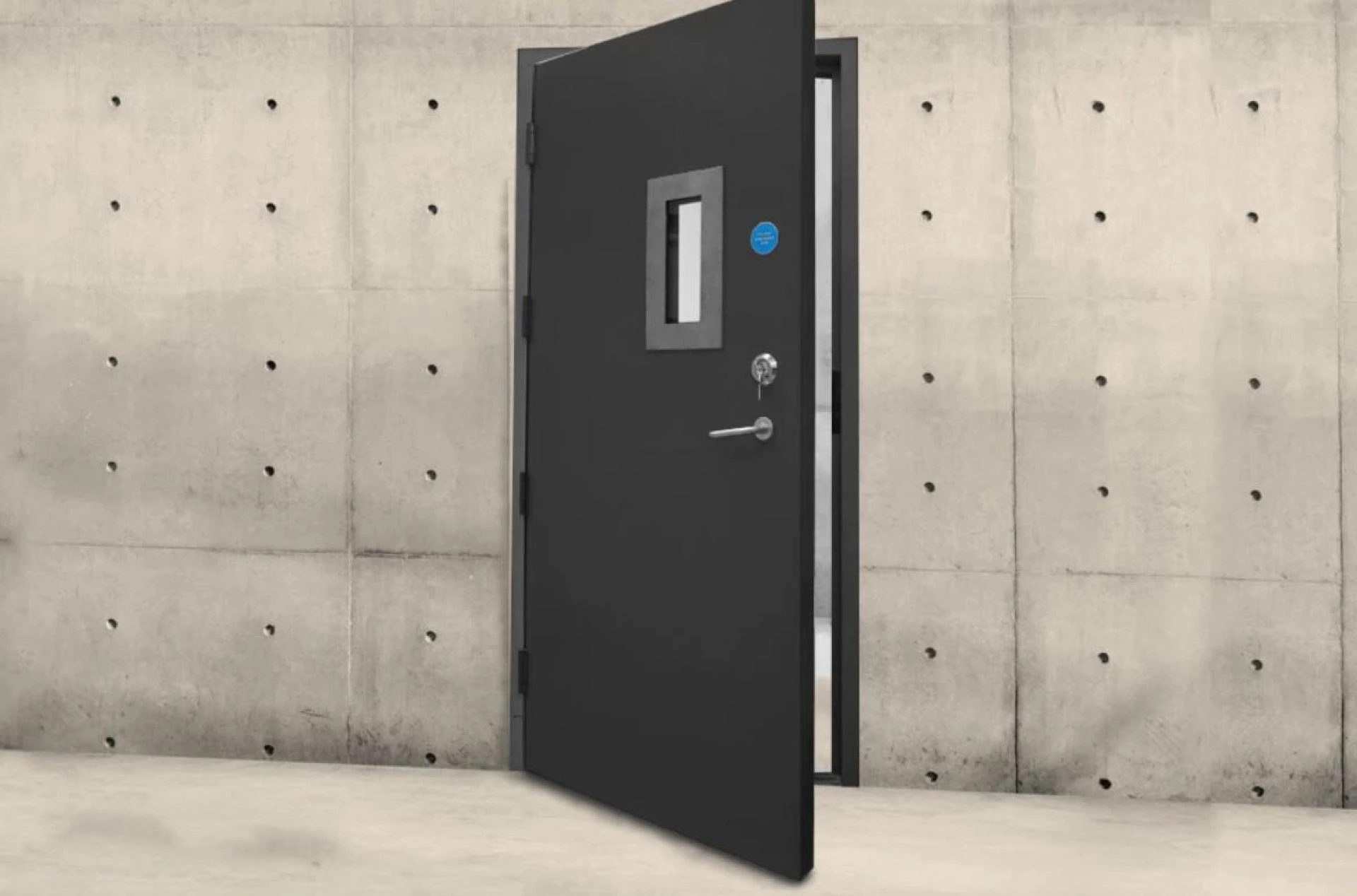

In industrial, commercial, and high-risk environments, safety is a top priority. Among the most important protective elements used in buildings are blast doors and fire doors. While both are designed to enhance safety, they serve very different purposes and are built to withstand different types of hazards.
Understanding the difference between blast doors and fire doors is essential when planning safety infrastructure for facilities such as oil and gas plants, power stations, chemical industries, military installations, and high-security buildings. This article explains their key differences, applications, safety standards, and how to choose the right solution from reliable Blast Doors Suppliers in UAE.
What Are Blast Doors?
Blast doors are specially engineered safety doors designed to withstand high-pressure shock waves generated by explosions. They are built to protect personnel, equipment, and structural integrity in environments where explosions are a potential risk.
Key Characteristics of Blast Doors:
- Designed to resist extreme blast pressure
- Manufactured using heavy-duty steel or reinforced materials
- Equipped with advanced locking and sealing systems
- Tested for pressure resistance and structural integrity
- Custom-built based on blast load requirements
Blast doors are commonly used in:
- Oil and gas facilities
- Refineries and petrochemical plants
- Defense and military installations
- Power generation plants
- Ammunition storage areas
- High-risk industrial zones
What Are Fire Doors?
Fire doors are designed to prevent the spread of fire and smoke within a building. Their primary function is to compartmentalize fire and provide occupants with safe evacuation time.
Key Characteristics of Fire Doors:
- Designed to resist fire for a specific time period
- Typically rated for 30, 60, 90, or 120 minutes
- Made from fire-resistant materials
- Help control fire and smoke spread
- Mandatory in commercial and residential buildings
Fire doors are commonly installed in:
- Commercial buildings
- Hospitals and schools
- Residential complexes
- Offices and malls
- Emergency exits and staircases
Blast Doors vs Fire Doors: Key Differences
| Feature | Blast Doors | Fire Doors |
|---|---|---|
| Primary Purpose | Protection from explosions | Protection from fire and smoke |
| Resistance Type | Blast pressure and shock waves | Heat and flames |
| Material Strength | Heavy-duty steel construction | Fire-rated composite or steel |
| Pressure Resistance | Extremely high | Low |
| Fire Resistance | Optional | Mandatory |
| Usage Areas | Industrial, oil & gas, defense | Commercial and residential |
| Testing Standards | Blast load and pressure tests | Fire rating standards |
| Customization | Highly customized | Standard sizes available |
Safety Standards and Compliance
Blast Door Standards
Blast doors must comply with international and project-specific safety standards such as:
- ISO and ASTM standards
- UFC (Unified Facilities Criteria)
- Project-specific blast load calculations
- Structural and impact resistance testing
Reputable Blast Doors Suppliers in UAE ensure that all products are tested and certified according to project requirements and international safety norms.
Fire Door Standards
Fire doors must comply with:
- EN fire resistance standards
- BS fire ratings
- Local civil defense regulations
- Fire resistance testing (30–120 minutes)
Fire doors are primarily evaluated based on how long they can prevent fire spread.
Use Cases: When to Choose Blast Doors
Blast doors should be used when:
- Explosion risk is present
- Hazardous materials are handled
- High-pressure equipment is in use
- Facility safety is critical
- Protection of personnel and assets is required
Industries that require blast doors include:
- Oil and gas
- Petrochemical plants
- Defense facilities
- Power stations
- Chemical storage units
Use Cases: When to Choose Fire Doors
Fire doors are ideal when:
- Fire containment is the main concern
- Evacuation safety is required
- Building codes mandate fire-rated partitions
- Smoke control is necessary
They are commonly used in:
- Commercial buildings
- Residential towers
- Hospitals and hotels
- Shopping malls
- Office buildings
Can Blast Doors Also Be Fire Rated?
Yes. Many modern blast doors are designed with fire-resistant properties, offering dual protection against both explosions and fire. These doors are commonly used in high-risk industrial environments where both hazards exist.
However, not all fire doors are blast-resistant. This is why selecting the correct door type based on risk assessment is crucial.
Choosing the Right Blast Door Supplier in UAE
When selecting from Blast Doors Suppliers in UAE, it is important to consider the following:
- Experience in industrial and high-risk projects
- Compliance with international safety standards
- Ability to provide custom-engineered solutions
- Testing and certification support
- Installation and after-sales service
- Proven track record in oil, gas, and industrial sectors
A reliable supplier ensures not only product quality but also proper engineering support and long-term performance.
Why UAE Requires High-Quality Blast Doors
The UAE is home to major oil & gas facilities, industrial zones, and critical infrastructure. Due to the nature of these industries, safety regulations are strict, and blast-resistant solutions are essential.
Leading Blast Doors Suppliers in UAE provide:
- Custom-engineered blast doors
- High-pressure resistance designs
- Advanced locking systems
- Compliance with regional and international safety norms
- Solutions tailored to harsh environmental conditions
Conclusion
While both blast doors and fire doors play critical roles in safety, they are designed for very different purposes. Blast doors are engineered to withstand extreme pressure from explosions, while fire doors are meant to contain fire and smoke.
Understanding the differences helps engineers, facility managers, and decision-makers select the right safety solution for their projects. For industries operating in high-risk environments, working with experienced Blast Doors Suppliers in UAE ensures maximum protection, compliance, and long-term reliability.

























Sign in to leave a comment.