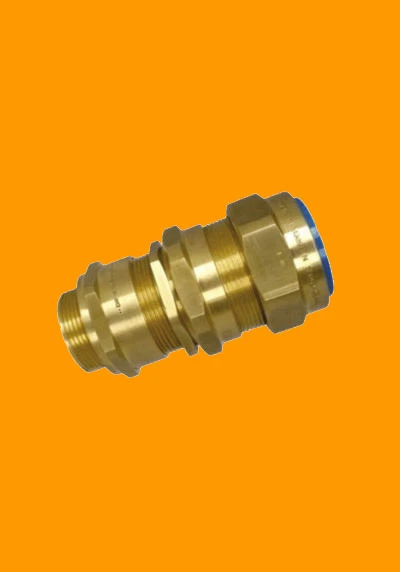

Brass cable glands quietly make that possible. When people think about electrical safety, they focus on cables, panels, and breakers. Rarely do they think about what protects the cable at the point where it enters the enclosure.
That small entry point, however, is where moisture, dust, vibration, and mechanical stress begin to attack the system.
This is exactly where brass cable glands do their most important work quietly and continuously.
What Makes Brass Cable Glands Essential in Modern Installations
More Than a Cable Holder
A brass cable gland is not just a fastening accessory. It performs multiple critical functions at once:
- Secures the cable mechanically
- Seals the enclosure against dust and moisture
- Maintains grounding continuity
- Reduces strain on internal terminations
In environments where equipment operates 24/7, this protection becomes non-negotiable.
Why Brass Is the Preferred Material for Cable Glands
Strength Without Brittleness
Brass offers a rare balance of mechanical strength and ductility. Unlike some metals, it does not crack under tightening torque, making it ideal for long-term installations.
Natural Corrosion Resistance
Brass resists rust and oxidation, even in:
- Humid conditions
- Industrial atmospheres
- Outdoor and coastal environments
This ensures the gland remains functional long after installation.
Reliable Earthing Performance
Brass provides excellent electrical conductivity, helping maintain safe and consistent grounding through the cable gland.
How Brass Cable Glands Protect Equipment from Real-World Conditions
Environmental Sealing
High-quality brass cable glands prevent:
- Water ingress
- Dust penetration
- Oil and chemical exposure
This sealing capability is vital for control panels, junction boxes, and outdoor enclosures.
Vibration and Strain Control
In machinery and industrial setups, vibration is unavoidable. Brass cable glands absorb mechanical stress and prevent cable pull-out or insulation damage.
Where Brass Cable Glands Are Most Commonly Used
1. Industrial Control Panels
They ensure secure cable entry while maintaining enclosure integrity.
2. Power Distribution Systems
Reliable sealing protects against heat, dust, and operational stress.
3. Outdoor & Infrastructure Projects
From lighting systems to substations, brass cable glands withstand harsh weather conditions.
4. Oil, Gas & Heavy Engineering
Resistance to chemicals and mechanical stress makes brass the material of choice.
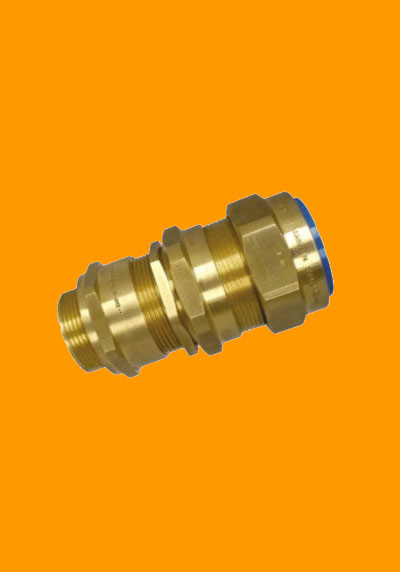
Why Not All Brass Cable Glands Deliver the Same Performance
The Hidden Differences That Matter
Two brass cable glands may look identical but differ greatly in performance due to:
- Machining precision
- Thread accuracy
- Sealing component quality
- Material composition
Poor-quality glands often lead to loose fittings, compromised seals, and frequent maintenance issues.
How to Choose the Right Brass Cable Gland for Your Application
Key Factors to Check
- Cable diameter compatibility
- Thread type and size
- Environmental exposure conditions
- Required ingress protection level
Selecting proven products from reliable manufacturers like Pioneer Powers International helps ensure safety and compliance.
Why Brass Cable Glands Deserve More Attention
Brass cable glands may be small components, but they play a major role in:
- Equipment protection
- Electrical safety
- System longevity
- Maintenance cost reduction
Ignoring their quality often leads to failures that are far more expensive than the gland itself.
A well-designed electrical system is not just about what’s inside the enclosure, it’s also about how the outside world is kept out.






















Sign in to leave a comment.