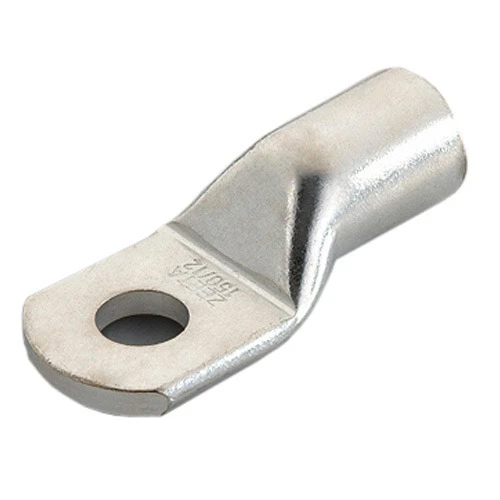

In electrical installations, copper is often chosen for one reason: confidence.
It conducts reliably, resists fatigue, and performs consistently under demanding conditions. But even the best copper cable can only be as reliable as the lug that secures it.
Copper cable lugs don’t just complete a circuit, they protect it.
Why Copper Lugs Continue to Be the Industry Benchmark
A Material Engineers Rely On
Copper has remained the preferred conductor for decades because it offers:
- High electrical conductivity
- Excellent thermal performance
- Mechanical strength without brittleness
Copper lugs are designed to preserve these properties at the termination point, where failure risk is highest.
Minimal Expansion, Maximum Stability
Compared to aluminium, copper expands less under heat. This allows copper lugs to maintain stable contact pressure, even during continuous load cycles.
What Makes a High-Quality Copper Cable Lug
Precision Barrel Engineering
A premium copper lug is defined by:
- Uniform wall thickness
- Smooth internal surfaces
- Accurate sizing for consistent crimping
These details ensure current flows evenly, without hot spots or resistance buildup.
Tin-Plated Protection
Most professional-grade copper cable lugs are electro-tin plated, which:
- Prevents surface oxidation
- Improves corrosion resistance
- Enhances long-term conductivity
This is especially important in humid or industrial environments.
Where Copper Cable Lugs Perform Best
1. Industrial Electrical Systems
Used extensively in motors, generators, and control panels where reliability is non-negotiable.
2. Power Distribution Networks
Copper lugs provide secure terminations in switchgear, transformers, and busbar connections.
3. Renewable & Critical Infrastructure
In solar plants, data centers, and hospitals, copper lugs support uninterrupted power delivery.
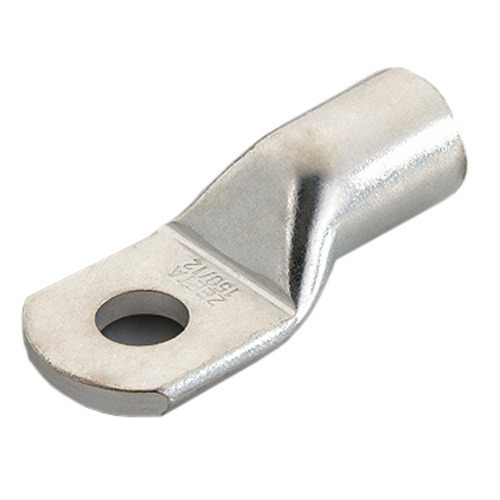
Why Copper Lugs Still Fail in Some Installations
Failure Is Rare but Usually Preventable
When copper lugs fail, it’s often due to:
- Incorrect lug size selection
- Poor crimping practices
- Inconsistent manufacturing quality
- Inferior plating thickness
The solution isn’t just better installation, it’s choosing the right manufacturer.
Best Practices for Installing Copper Cable Lugs
Before Crimping
- Match lug size precisely to conductor size
- Use calibrated crimping tools
- Ensure clean, undamaged cable ends
After Crimping
- Inspect compression marks
- Confirm secure mechanical fit
- Check for proper alignment
Using certified copper lugs from manufacturers like Pioneer Powers International significantly improves system reliability.
Why Copper Cable Lugs Are Worth the Investment
Copper lugs may cost more than alternatives, but they deliver:
- Long-term electrical stability
- Lower maintenance requirements
- Reduced failure risks
- Peace of mind in critical systems
In high-load applications, this reliability often outweighs initial cost.
Power systems are built on copper but they’re held together by copper lugs and copper cable lugs.
When those connections are right, everything else works as it should.

















Sign in to leave a comment.