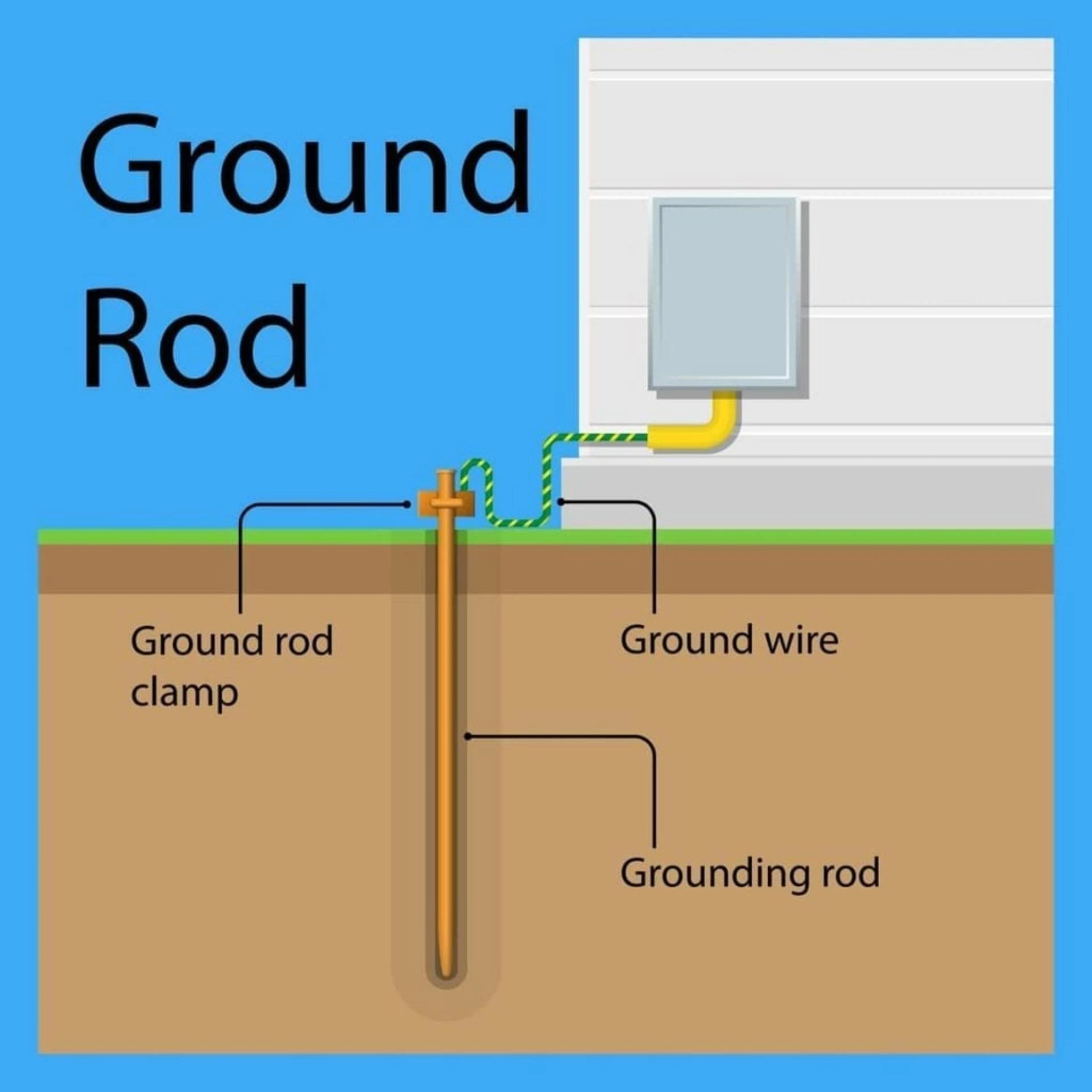

Earthing is often treated as a checklist item, something installed, buried, and forgotten.
Yet when electrical faults occur, lightning strikes hit, or sensitive equipment malfunctions, the quality of the earthing system suddenly becomes the most important part of the entire installation.
At the center of that system is a component most people never see: the copper bonded earthing rod.
Why Modern Earthing Needs More Than Plain Metal Rods
The Reality Beneath the Surface
Soil conditions are unpredictable. Moisture levels change, chemicals leach in, and corrosion works silently year after year.
Traditional GI or plain copper rods often struggle because they:
- Corrode unevenly
- Lose conductivity over time
- Require frequent maintenance or replacement
Copper bonded earthing rods were developed to solve these exact problems not temporarily, but for decades.
What Makes a Copper Bonded Earthing Rod Different
A True Bond, Not a Coating
A copper bonded earthing rod is manufactured by molecularly bonding copper onto a high-tensile steel core.
This process creates:
- Uniform copper thickness along the rod
- No peeling or cracking
- A permanent bond that resists corrosion
This is fundamentally different from electroplated or wrapped alternatives.
Strength Meets Conductivity
The steel core provides mechanical strength for deep driving into the ground, while the outer copper layer ensures excellent electrical conductivity and corrosion resistance.
How Copper Bonded Earthing Rods Perform in Real Conditions
Long-Term Corrosion Resistance
Copper naturally resists soil corrosion, even in:
- High-moisture areas
- Chemically active soils
- Industrial environments
Consistent Earth Resistance
Because the copper layer remains intact, copper bonded earthing rods maintain stable earth resistance values over time, improving system reliability.
Low Maintenance Requirements
Once installed correctly, these rods require minimal inspection and rarely need replacement — making them cost-effective in the long run.
Where Copper Bonded Earthing Rods Are Essential
1. Power & Electrical Substations
They provide dependable fault current dissipation.
2. Telecom & Data Centers
Stable earthing protects sensitive electronic equipment from surges.
3. Renewable Energy Projects
Solar and wind installations rely on low-resistance grounding for safety and compliance.
4. Industrial & Infrastructure Facilities
Factories, plants, and public infrastructure demand earthing systems that won’t degrade prematurely.
Why Some Earthing Rods Underperform
Quality Is Buried Literally
Most failures occur because of:
- Inconsistent copper thickness
- Poor bonding between copper and steel
- Low-grade steel cores
- Short-term coatings instead of true bonding
These issues are invisible after installation but show up as rising earth resistance over time.
Best Practices for Installing Copper Bonded Earthing Rods
Before Installation
- Assess soil resistivity
- Choose appropriate rod length and diameter
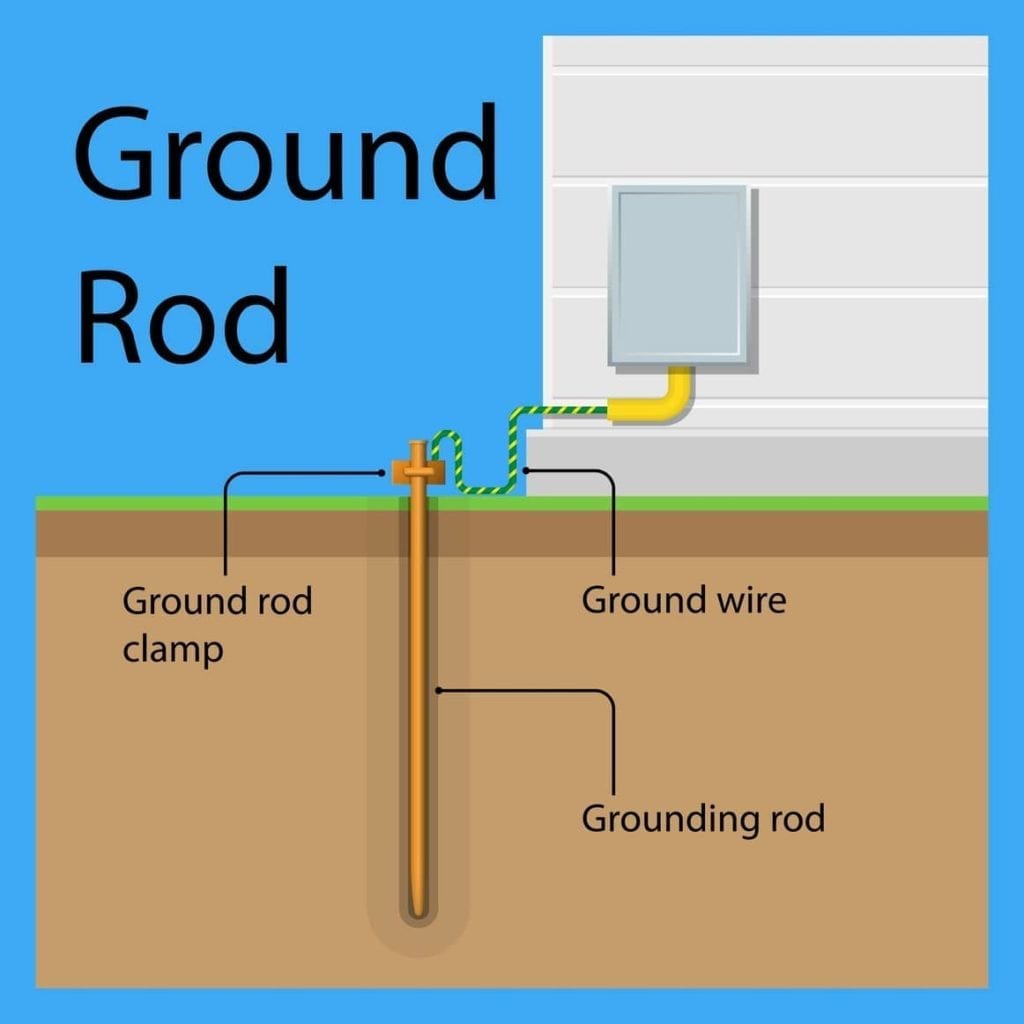
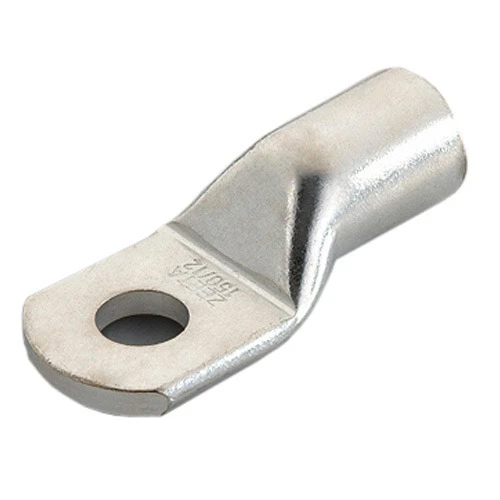
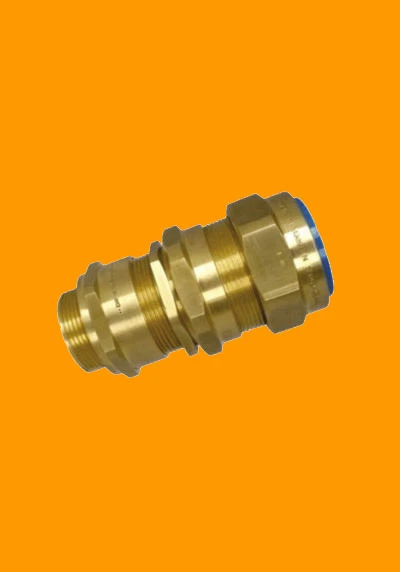
- Ensure compatible clamps and connectors
After Installation
- Measure earth resistance values
- Ensure secure connections
- Document grounding performance
Using certified products from manufacturers like Pioneer Powers International significantly improves earthing reliability and compliance.
Why Copper Bonded Earthing Rods Are a Long-Term Investment
Earthing systems are expected to last as long as the structure itself.
Copper bonded earthing rods support:
- Electrical safety
- Equipment protection
- Regulatory compliance
- Reduced lifecycle costs
When they perform well, they go unnoticed, which is exactly how earthing should be.
You may never see your earthing system again after installation.
But when everything else is tested, it’s the copper bonded earthing rod beneath the surface that quietly keeps the system safe.




















Sign in to leave a comment.