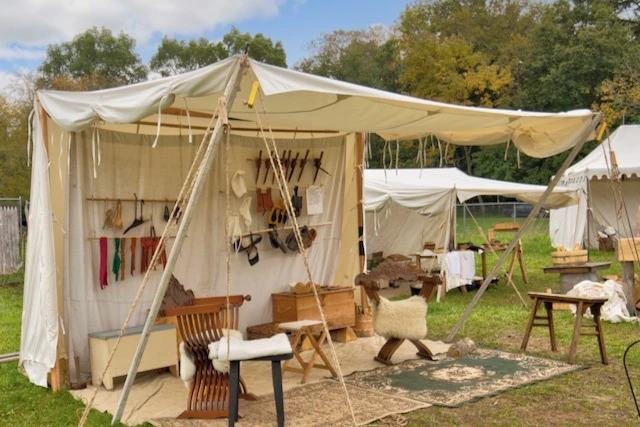
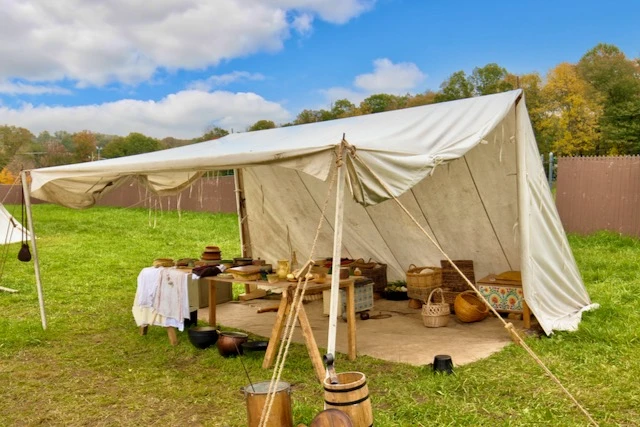
In today’s world, where modern conveniences dominate every aspect of our lives, the fascination with reliving the past remains stronger than ever. Historical reenactments allow enthusiasts to step back in time—to experience, touch, and feel history in its purest form. One essential element of these events is Reenactment Tents, which serve as a bridge between eras, helping participants and spectators immerse themselves fully in the experience. Whether you’re a passionate historian, a reenactment performer, or a medieval fair organizer, choosing the right tent plays a vital role in bringing authenticity and atmosphere to your event.
What Are Reenactment Tents?
Reenactment tents are specially designed shelters used during historical reenactments to represent different eras—ranging from Viking encampments and medieval markets to Napoleonic war camps and Civil War reenactments. These tents are crafted to replicate the exact materials, structures, and designs used during historical periods. They serve not only as living quarters or shade but also as key props that enhance the realism of the entire event.
Typically, Reenactment Tents are made of heavy-duty canvas, supported by wooden poles and ropes. The design may vary depending on the historical era being portrayed—simple A-frame tents for soldiers, round pavilion tents for nobles, or large marquee tents for military command centers. What makes these tents fascinating is their ability to blend functionality with historical accuracy.
The Importance of Authenticity in Historical Reenactments
When it comes to historical reenactments, authenticity is everything. Spectators expect to be transported back in time—to see, hear, and even smell what life was like centuries ago. This is where Reenactment Tents play a crucial role. A single tent can set the tone for the entire camp, influencing the visual narrative of the event. For example, a Norman knight’s pavilion with decorative trims and banners instantly creates the aura of medieval nobility, while a simple canvas wedge tent evokes the realism of a soldier’s humble life during the American Civil War.
Reenactors often invest significant effort into researching the period they represent, ensuring that even the smallest details—such as stitching methods, fabric color, and tent accessories—match historical records. Authentic tents don’t just add realism; they honor the craftsmanship and ingenuity of our ancestors.
Different Types of Reenactment Tents
Historical reenactment tents come in various designs, each suited for specific time periods and purposes. Here are some of the most popular styles:
1. Viking Tents
Also known as “A-frame” or “Oseberg” tents, Viking tents are simple yet sturdy. They typically feature wooden frames and heavy canvas coverings. These tents were designed to withstand harsh northern climates, making them ideal for outdoor reenactments and festivals.
2. Medieval Pavilion Tents
Pavilion tents, often round or cone-shaped, were commonly used by knights and nobles during the Middle Ages. Their elegant design and colorful stripes make them visually striking and perfect for medieval fairs or royal reenactments.
3. Roman and Classical Tents
Roman military tents were rectangular and supported by central poles and guy ropes. They were functional, compact, and easy to assemble—mirroring the disciplined efficiency of the Roman army.
4. Napoleonic and Military Tents
These tents are often wedge-shaped, resembling the simple canvas shelters used by soldiers during the 18th and 19th centuries. They are ideal for war reenactments and historical encampments, emphasizing practicality and historical precision.
5. Renaissance and Tudor Tents
These tents often feature decorative trims, patterned fabrics, and ornamental details, reflecting the artistic flair of the Renaissance period. They’re a popular choice for theatrical reenactments and themed festivals.
Materials and Construction
The material and construction of a reenactment tent significantly affect its durability and authenticity. Traditionally, these tents are made from heavy cotton canvas, which offers breathability, weather resistance, and a rustic aesthetic. Modern reenactors, however, often opt for treated canvas that provides additional protection against mold and rain.
Wooden poles and natural fiber ropes are essential to maintaining historical integrity. Metal poles and synthetic ropes, though more convenient, can detract from the authentic look. Some reenactors even go as far as using period-appropriate wooden pegs, handcrafted iron fittings, and natural dyes for their tents.
Why Reenactment Tents Are a Must-Have
Reenactment tents are more than just props—they are living spaces that tell stories. They allow participants to live as their historical counterparts did, offering an immersive educational experience for both performers and audiences. Beyond their practical use as shelter, these tents serve multiple purposes:
- Historical Education: Visitors can step inside to learn about daily life, craftsmanship, and military organization from centuries past.
- Community Building: Camps of reenactors often form small “villages,” where people cook, trade, and interact as people did in the historical period being portrayed.
- Photography & Film: Many filmmakers and photographers use these tents to recreate authentic historical settings for movies, documentaries, and themed photoshoots.
- Cultural Preservation: They help keep ancient traditions and knowledge alive, inspiring future generations to appreciate history.
Tips for Choosing the Perfect Reenactment Tent
- Identify Your Era: Choose a tent design that matches the historical period you’re reenacting.
- Consider Durability: Opt for heavy-duty, waterproof canvas that can withstand varying weather conditions.
- Size Matters: Ensure there’s enough space for sleeping, storage, and showcasing period-accurate items.
- Ease of Assembly: Historical accuracy is important, but practical setup and transport also matter for frequent reenactors.
- Customization Options: Look for vendors that offer customizable trims, banners, or period-specific details.
Caring for Your Tent
Proper maintenance ensures your tent lasts for years. Always dry it thoroughly after use to prevent mold, store it in a cool, dry place, and occasionally re-treat the canvas with waterproofing agents. Cleaning with mild soap and avoiding harsh chemicals will help preserve the fabric’s strength and appearance.
Where to Buy Quality Reenactment Tents
Today, many specialized craftsmen and historical suppliers offer authentic reenactment tents made with precision and care. These experts often rely on museum references, archaeological findings, and historical manuscripts to ensure accuracy. Whether you order online or through a local reenactment supply store, choose reputable vendors with proven experience in historical tent making.
Final Thoughts
Historical reenactments are more than performances—they are celebrations of our shared human history. Every costume, weapon, and structure contributes to the illusion of stepping back in time. Among these, Reenactment Tents stand as silent witnesses to centuries gone by, reminding us of how people once lived, fought, and celebrated. Investing in a high-quality, historically accurate tent not only elevates your reenactment experience but also pays tribute to the artistry and resilience of our ancestors.





























Sign in to leave a comment.