

A Jeep is one of the few vehicles that can comfortably thrive in two very different environments. During the week, it handles commutes, traffic, errands, and long highway drives with ease. On weekends, it is designed to leave the pavement behind and tackle dirt roads, rocky trails, and uneven terrain. The challenge arises when owners attempt to enhance off-road capability without compromising daily driving performance.
Many trail builds tend to lean too heavily in one direction. Some prioritize extreme off-road performance at the expense of comfort, noise, and reliability, while others are overly focused on street performance, leaving them to struggle once the pavement ends. While there's nothing inherently wrong with choosing a build that centers on a specific purpose, a successful and practical build strikes a balance. A trail-ready Jeep that is also suitable for everyday driving should focus on thoughtful upgrades, realistic expectations, and functionality over excess.
What “Trail-Ready” Really Means
“Trail-ready” is often misunderstood. It doesn’t automatically mean oversized tires, extreme suspension travel, or heavily modified components. For most Jeep owners, trail-ready means being capable of handling forest roads, uneven terrain, mild rock sections, and unpredictable trail conditions without damage or unnecessary stress.
Defining this early helps guide every modification decision. A Jeep built for recreational trail use does not need the same setup as one designed for extreme rock crawling. By aligning the build with actual driving habits and terrain, owners can avoid unnecessary upgrades that negatively affect daily drivability. Trail readiness is about preparation and confidence, and not pushing limits for the sake of it.
Tires and Jeep Wheels
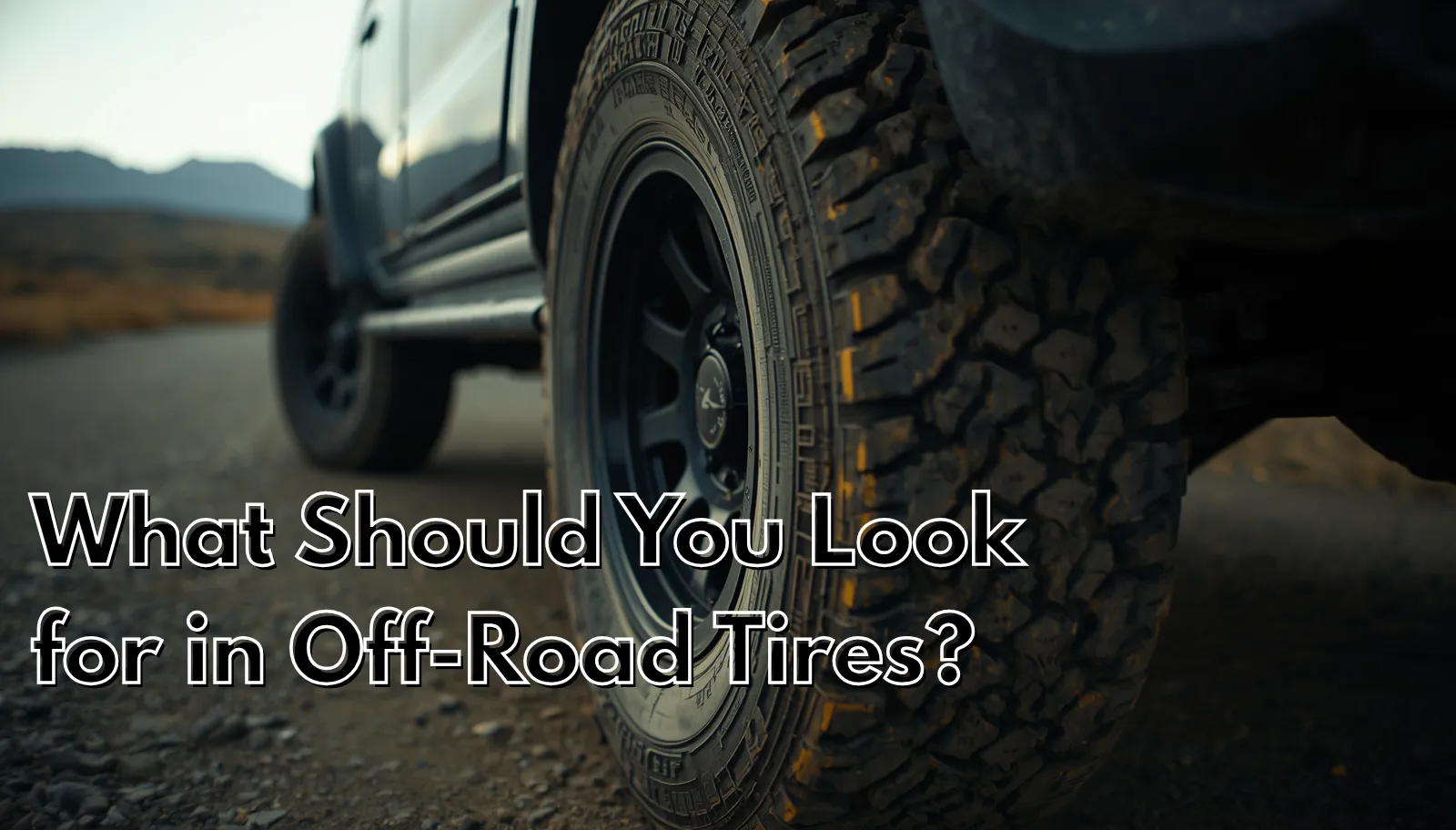
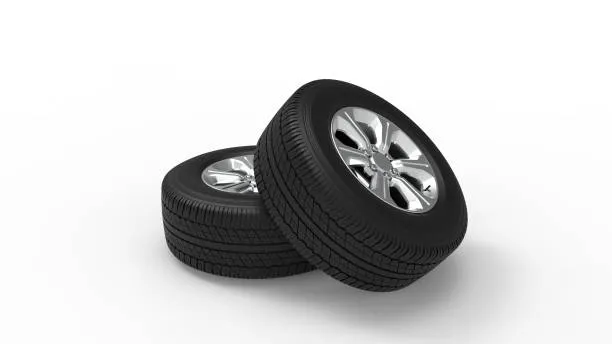
Tires are the foundation of any Jeep build and have a significant impact on both trail capability and daily comfort. Aggressive tire designs may perform well in extreme conditions, but they often lead to increased road noise, reduced fuel efficiency, and a harsher ride.
For most daily-driven Jeeps, all-terrain tires offer the best balance. They provide dependable traction on dirt, gravel, and light mud while remaining quiet and stable on pavement.
Equally important is selecting the right Jeep wheels. Wheel diameter affects sidewall height, which affects ride comfort and off-road flexibility. Width and offset influence steering feel, suspension clearance, and tire wear. A properly sized wheel setup helps maintain predictable handling while supporting off-road performance.
Suspension Without the Sacrifice
Suspension upgrades are often the most noticeable part of a Jeep build, but their real value lies in control and stability. A mild lift or leveling kit is usually enough to improve ground clearance and allow for slightly larger tires without introducing unwanted side effects.
Excessive lift height can create driveline vibrations, alter steering geometry, and reduce stability at highway speeds. Quality shocks are critical in managing these changes, helping control body movement and absorb impacts both on and off the trail.
A suspension setup designed for balance, and not maximum height, keeps the Jeep comfortable during daily driving while improving confidence on uneven terrain.
Smart Jeep Accessories
Well-chosen Jeep accessories can significantly improve trail readiness when they serve a clear purpose. Items such as skid plates, rock rails, and recovery points enhance protection and safety without interfering with everyday usability.
The key is restraint. Accessories should solve specific problems rather than add unnecessary weight or complexity. Overaccessorizing can negatively affect braking, handling, and fuel efficiency, making the Jeep feel less responsive in daily use.
Functional accessories that integrate cleanly into the vehicle help maintain a practical, well-rounded build.
Recovery Gear
Even mild trails can present unexpected challenges. Loose surfaces, changing weather, or uneven terrain can leave a Jeep temporarily stuck, regardless of how capable it is. Recovery gear is not about pushing limits. It’s about being prepared to handle common situations safely.
For a daily-driven Jeep, recovery equipment should be simple, lightweight, and easy to store. Basic items such as recovery straps, soft shackles, and traction aids offer practical solutions without cluttering the vehicle. These tools are just as useful for trail situations as they are for roadside incidents involving mud, sand, or soft shoulders.
Proper recovery points are essential. Front and rear recovery points allow controlled, safe recoveries and reduce the risk of vehicle damage. Recovery gear adds peace of mind without changing how the Jeep drives, reinforcing the idea that trail readiness is rooted in preparation and responsibility.
Protection That Makes Sense
Trail driving exposes a Jeep to rocks, roots, and uneven ground, but that doesn’t mean every vehicle needs full underbody armor. Strategic protection for vulnerable components often provides enough coverage for recreational trail use.
Skid plates for areas such as the oil pan or transfer case offer meaningful protection without adding excessive weight. Keeping protection targeted helps preserve ride quality, minimize noise, and maintain everyday comfort. Smart protection improves trail confidence while keeping the Jeep refined for daily driving.
Steering and Control
As modifications add weight or alter suspension geometry, steering behavior can change. A Jeep that wanders at highway speeds or feels vague during turns quickly becomes tiring to drive.
Maintaining proper alignment and steering geometry is essential for safety and comfort. The goal is predictable, responsive steering that feels confident in traffic and controlled on technical trails.
Braking Matters
Braking performance is often overlooked during trail builds, but it significantly impacts daily usability. Larger tires and added weight can increase stopping distances and place greater demands on braking components. Maintaining an effective braking system is essential for safety in city driving, on highways, and in emergencies. Consistent braking also boosts driver confidence, making the Jeep easier to handle in real-world conditions.
Interior Comfort Counts
Daily driving means spending significant time inside the Jeep. Comfort, visibility, and usability all influence how enjoyable the vehicle is to own. Excessive noise, poor seating position, or cluttered interiors can quickly overshadow off-road capability.
Thoughtful storage solutions help keep trail gear organized without overwhelming the cabin. Maintaining clear sightlines and comfortable ergonomics reduces fatigue during commutes and longer drives.
Reliability First
Reliability is the backbone of any successful Jeep build. Trail use adds wear, but that doesn’t mean reliability must suffer. Simple, well-planned modifications are easier to inspect, maintain, and repair.
Avoiding overly complex setups reduces the risk of failures and keeps maintenance manageable. Regular inspections after trail use help catch issues early and preserve long-term dependability. A Jeep that performs consistently in daily driving is far more valuable than one built solely for extremes.
Build for Real Life
One of the most common mistakes Jeep owners make is designing their vehicle for how they think they’ll use it rather than how they actually do. If most miles are spent on pavement, the build should reflect that reality.
A Jeep that’s comfortable and enjoyable to drive every day is more likely to be used, maintained, and taken on adventures. Matching modifications to real-world usage leads to greater satisfaction and fewer compromises.
Trail-Ready, Life-Ready
A trail-ready Jeep doesn’t need extreme modifications to be capable. With thoughtful planning and balanced upgrades, it’s possible to build a Jeep that handles trails confidently while remaining comfortable, reliable, and practical every day. The best builds aren’t defined by how aggressive they look, but by how effortlessly they perform wherever daily life and the trail intersect.






























Sign in to leave a comment.