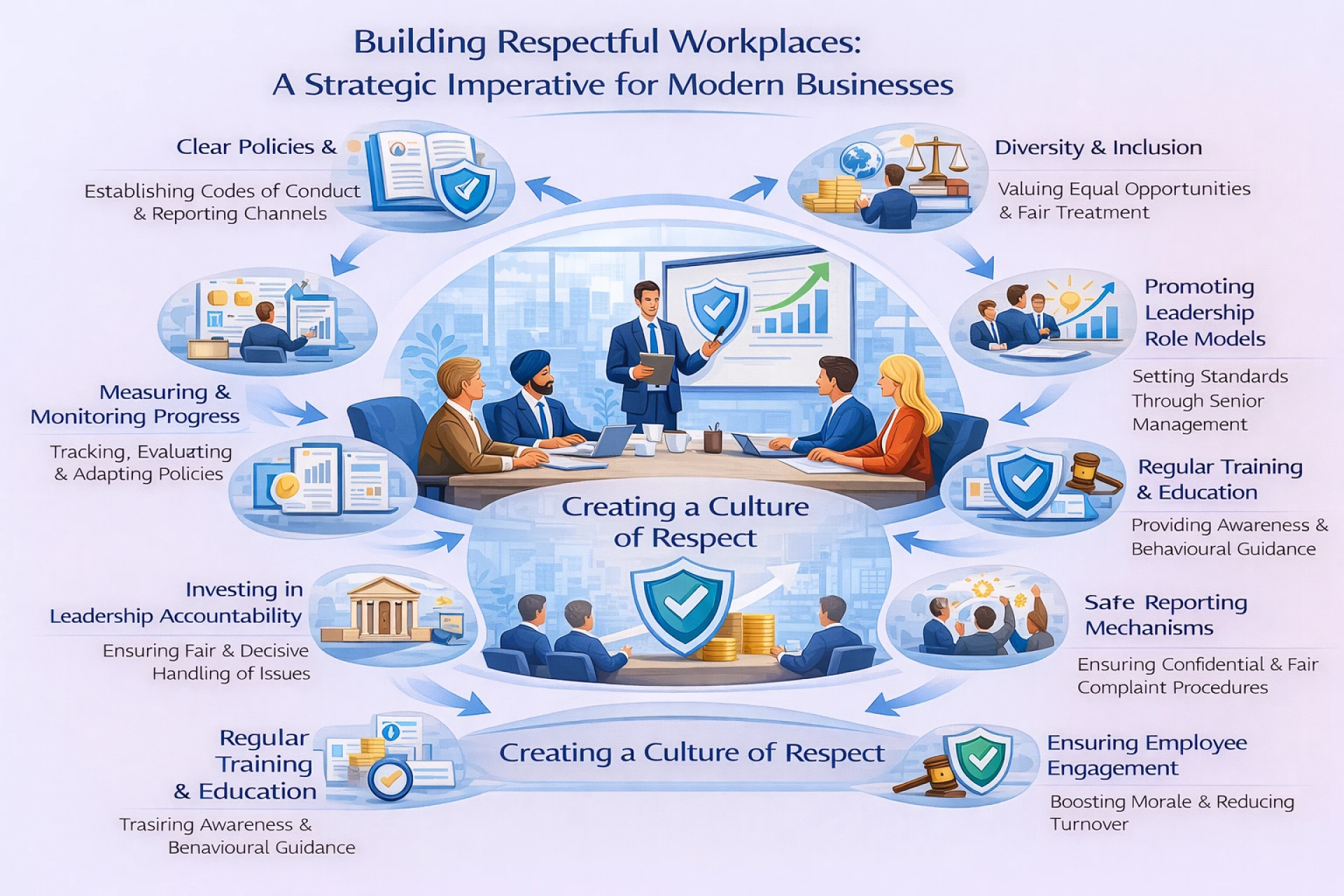

Respect in the workplace is no longer a soft value or a public relations theme. It is a strategic priority. Modern businesses operate in an environment shaped by regulation, social awareness, investor scrutiny, and rapid communication. Culture influences reputation, performance, and long term stability.
A respectful workplace promotes dignity, fairness, and accountability. It reduces legal risk and strengthens employee engagement. It also supports sustainable growth. Organisations which treat respect as a core business objective gain competitive advantage.
This article explores why building respectful workplaces is a strategic imperative and how businesses can embed respect into governance and daily practice.
Respect as a Foundation of Organisational Culture
Workplace culture shapes behaviour. It guides decision making and sets standards for interaction. Respect ensures every individual feels valued regardless of role or background.
In practical terms, respect involves clear communication, equal opportunity, and fair treatment. It includes effective grievance mechanisms and zero tolerance for harassment or discrimination.
When respect becomes part of everyday conduct, trust increases. Employees feel secure. Managers lead with confidence. Internal conflict reduces. Productivity improves.
Culture is not defined by slogans. It is reflected in daily actions. Businesses must align policy with practice.
The Legal and Regulatory Context
Modern employment frameworks impose clear obligations on employers. Anti discrimination and equality laws require proactive steps to prevent misconduct. Failure to comply may result in litigation, financial penalties, and reputational harm.
Regulators across jurisdictions examine workplace culture as part of governance reviews. In the United Kingdom, the Equality and Human Rights Commission promotes standards for equal treatment and investigates systemic breaches. Internationally, guidance from the International Labour Organization reinforces principles of dignity and fairness at work.
Compliance alone is insufficient. Businesses must demonstrate genuine commitment. Respect must be embedded rather than imposed.
Risk Management and Organisational Stability
A lack of respect exposes businesses to risk. Harassment claims, bullying complaints, and hostile work environments often escalate quickly. Legal proceedings attract public attention and investor concern.
Beyond legal costs, there are hidden expenses. Staff turnover increases. Recruitment becomes difficult. Brand value suffers.
Respectful workplaces reduce these risks. Clear reporting channels allow early resolution. Independent review processes build credibility. Employees are more likely to raise concerns internally rather than externally.
Risk mitigation begins with prevention. Prevention requires awareness, leadership accountability, and consistent enforcement of standards.
Leadership Responsibility and Tone
Senior leadership sets the tone. Employees observe how leaders respond to conflict and complaints. If leadership dismisses concerns, respect weakens. If leaders act decisively and transparently, culture strengthens.
Boards must oversee workplace conduct as part of governance duties. Regular reporting on complaints, investigations, and training initiatives enhances accountability.
Managers at all levels require guidance. Promotion should include preparation for handling sensitive matters. Without training, even well intentioned leaders may mismanage situations.
Visible commitment from leadership transforms respect from policy into practice.
The Business Case for Respect
Respectful workplaces deliver measurable benefits. Employee engagement increases. Absenteeism decreases. Collaboration improves.
Studies consistently link positive culture with improved financial performance. Teams which feel valued demonstrate higher creativity and loyalty.
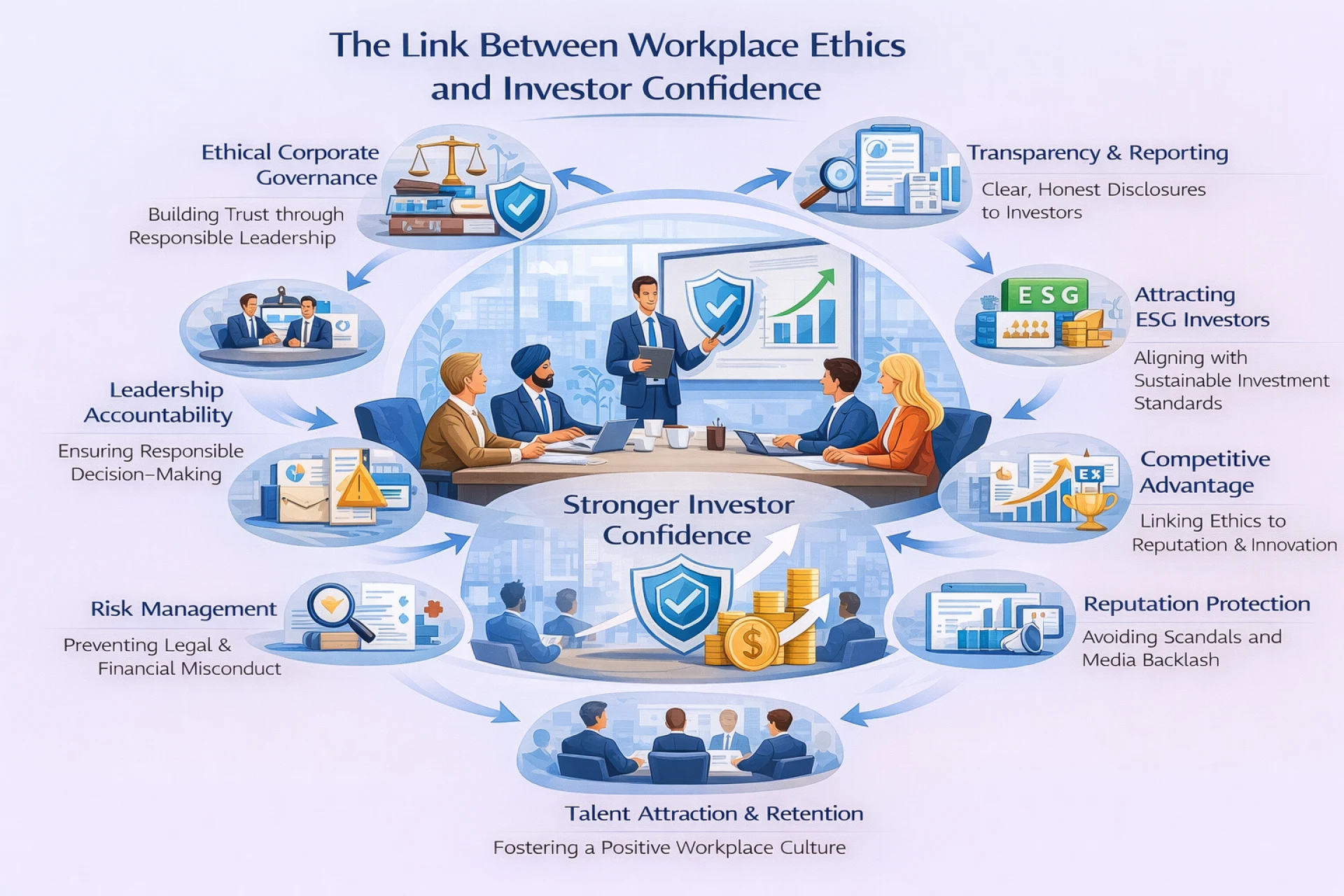
Investors and clients also examine workplace standards. Ethical culture influences purchasing decisions and investment choices. Reputation for fairness attracts skilled professionals.
Respect is therefore not only a moral obligation. It is a commercial advantage.
Embedding Respect Through Structured Training
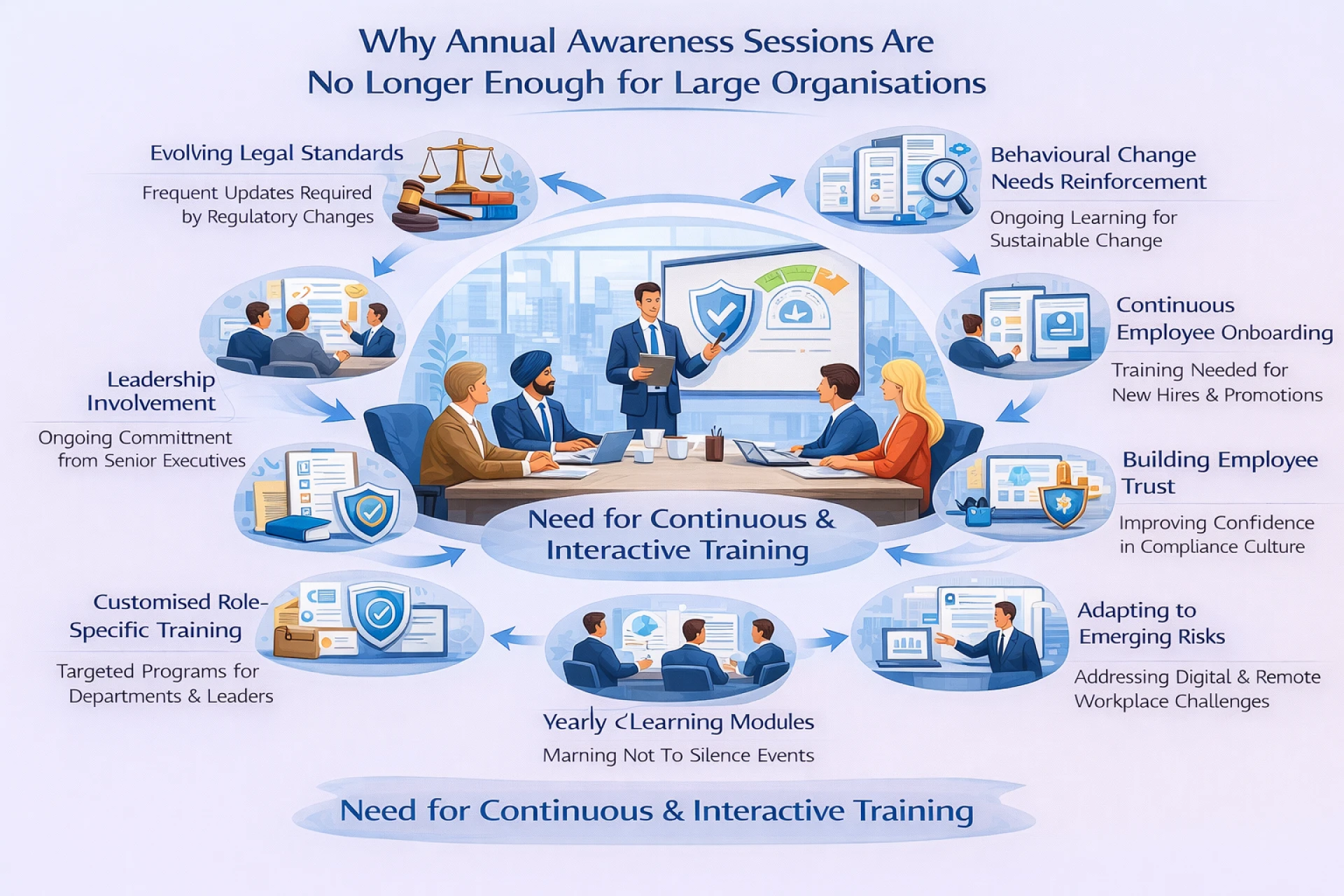
Training plays a vital role in cultural development. Regular awareness sessions ensure employees understand behavioural expectations and reporting mechanisms.
Specialist guidance can strengthen programme design. Independent assessments conducted by experienced POSH Consultants often identify gaps in policy implementation and internal procedures.
Training must go beyond legal definitions. It should include practical scenarios, role specific responsibilities, and discussion of grey areas. Interactive formats encourage reflection and behavioural change.
Ongoing education reinforces standards. It signals seriousness. It reduces complacency.
Creating Safe Reporting Mechanisms
Employees must feel safe raising concerns. Fear of retaliation undermines trust. Confidential reporting channels, clear timelines, and impartial investigations are essential.
Whistleblowing policies should be accessible and easy to understand. Organisations must communicate outcomes where appropriate while respecting privacy.
Transparent processes build credibility. Employees gain confidence in management response. External stakeholders view such systems as evidence of mature governance.
Respect thrives where voices are heard.
Diversity, Inclusion, and Fair Opportunity
Respect intersects with diversity and inclusion. Equal access to opportunities promotes fairness and innovation.
Businesses which value varied perspectives adapt more effectively to market change. Inclusive recruitment and promotion practices enhance performance.
However, diversity initiatives must be meaningful. Token gestures erode trust. Clear metrics and accountability mechanisms ensure genuine progress.
Respect requires recognition of individual differences while maintaining equal standards of dignity.
Continuous Monitoring and Improvement
Workplace culture evolves. New challenges emerge with technological change and remote working patterns. Regular review ensures policies remain relevant.
Employee surveys provide insight into perception gaps. Audit findings may highlight areas for reform. Data analysis enables informed decision making.
Organisations should treat respect as an ongoing project rather than a one time initiative.
Engagement with external trainers through structured Posh Training services can support continuous improvement and ensure compliance with evolving expectations.
Periodic evaluation demonstrates commitment to high standards.
Crisis Response and Cultural Resilience
No organisation is immune from conflict. Allegations may arise unexpectedly. The response determines long term impact.
Prompt investigation, impartial decision making, and clear communication reduce damage. Attempts to conceal or minimise issues amplify risk.
Respectful cultures respond with discipline and empathy. Such resilience protects reputation and strengthens stakeholder confidence.
Preparedness stems from prior investment in ethical systems.
Integrating Respect into Corporate Strategy
To achieve lasting impact, respect must align with strategic planning. It should appear in mission statements, leadership objectives, and performance evaluations.
Key performance indicators may include employee satisfaction, training participation, and complaint resolution timelines. Linking culture metrics to executive remuneration reinforces accountability.
Respect should influence procurement decisions and supplier relationships. Organisations extend their values beyond internal operations.
Strategic integration ensures consistency across departments and regions.
Practical Steps for Businesses
Modern businesses can take practical steps to strengthen respect:
- Develop clear codes of conduct.
- Provide regular training across all levels.
- Establish confidential reporting systems.
- Ensure impartial investigation processes.
- Review policies annually.
- Monitor diversity and inclusion metrics.
- Communicate leadership commitment openly.
Consistency is crucial. Sporadic efforts fail to produce lasting change.
Conclusion
Building respectful workplaces is a strategic imperative for modern businesses. Respect reduces legal exposure, enhances reputation, and supports sustainable growth. It strengthens governance and improves employee engagement.
Organisations which prioritise dignity and fairness create stable foundations for success. Investors, clients, and employees increasingly expect high standards of conduct.
Respect is not an optional value. It is a core element of responsible leadership and long term resilience. Businesses which integrate respect into strategy, governance, and daily practice position themselves for enduring credibility and performance.





























Sign in to leave a comment.