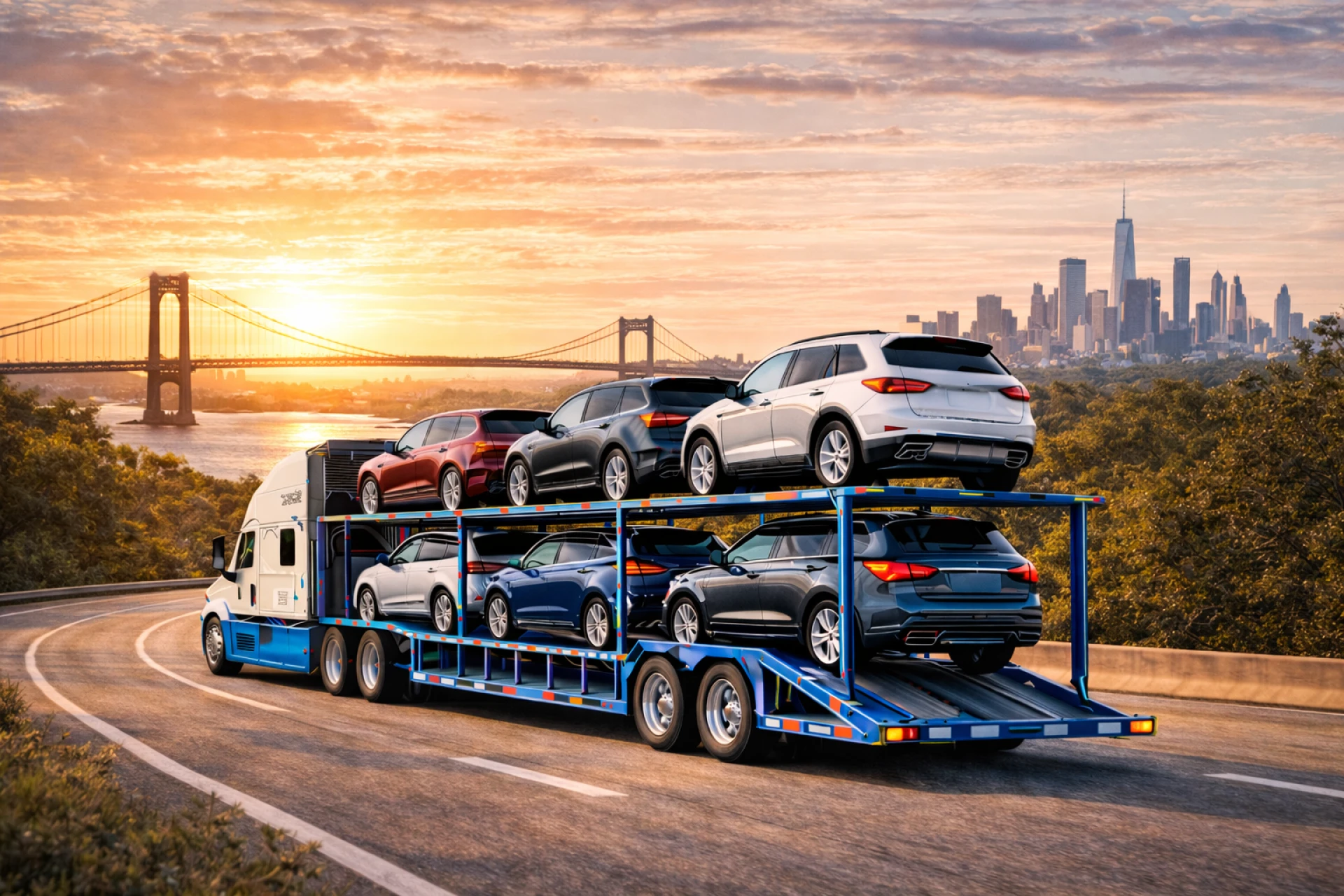

Transporting a vehicle across the heart of the United States, from the Pacific coast of California to the Appalachian ridges of West Virginia, is one of the most significant logistical undertakings in the domestic auto transport industry. Spanning approximately 2,500 to 2,650 miles, this transcontinental route crosses multiple climate zones, mountain ranges, and time zones.
At Rapid Auto Shipping, we specialize in managing these long-haul corridors. Our 2026 california to west virginia car shipping guide is designed to provide you with the technical insights, cost breakdowns, and preparation steps necessary to ensure your vehicle makes this journey safely and efficiently.
Understanding the California to West Virginia Route
The journey from the "Golden State" to the "Mountain State" typically follows a southern or central transcontinental path. Most carriers utilize I-40 East or I-80 East, depending on your specific pickup location in California (e.g., Los Angeles vs. San Francisco) and your final destination in West Virginia (e.g., Charleston vs. Morgantown).
2026 Transit Time Estimates
Due to the vast distance and federal Department of Transportation (DOT) safety regulations regarding driver hours-of-service, this route requires precision scheduling.
- Average Transit Time: 7 to 10 days.
- Pickup Window: 1 to 3 days from the booking date.
- Delivery Logistics: West Virginia’s mountainous terrain can occasionally add 24–48 hours to the final delivery leg, especially for rural or high-elevation drop-off points.
Breakdown of 2026 Shipping Costs
In 2026, california to west virginia car shipping rates are influenced by dynamic market factors, including live diesel price indexing and carrier capacity. For a 2,500-mile haul, costs are generally higher than shorter interstate moves but offer a lower price-per-mile ratio.
Open-Air Transport (Economical Choice)
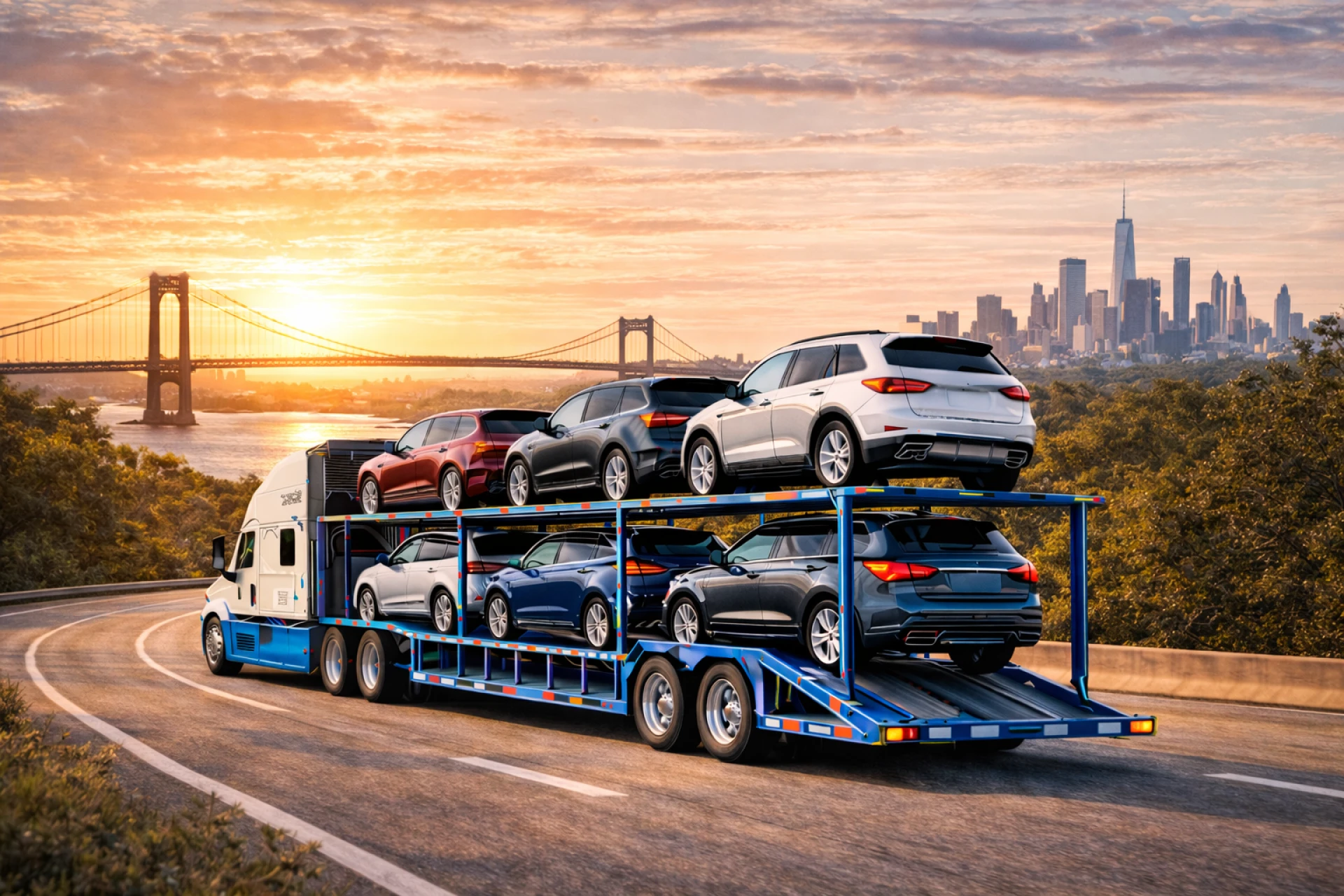
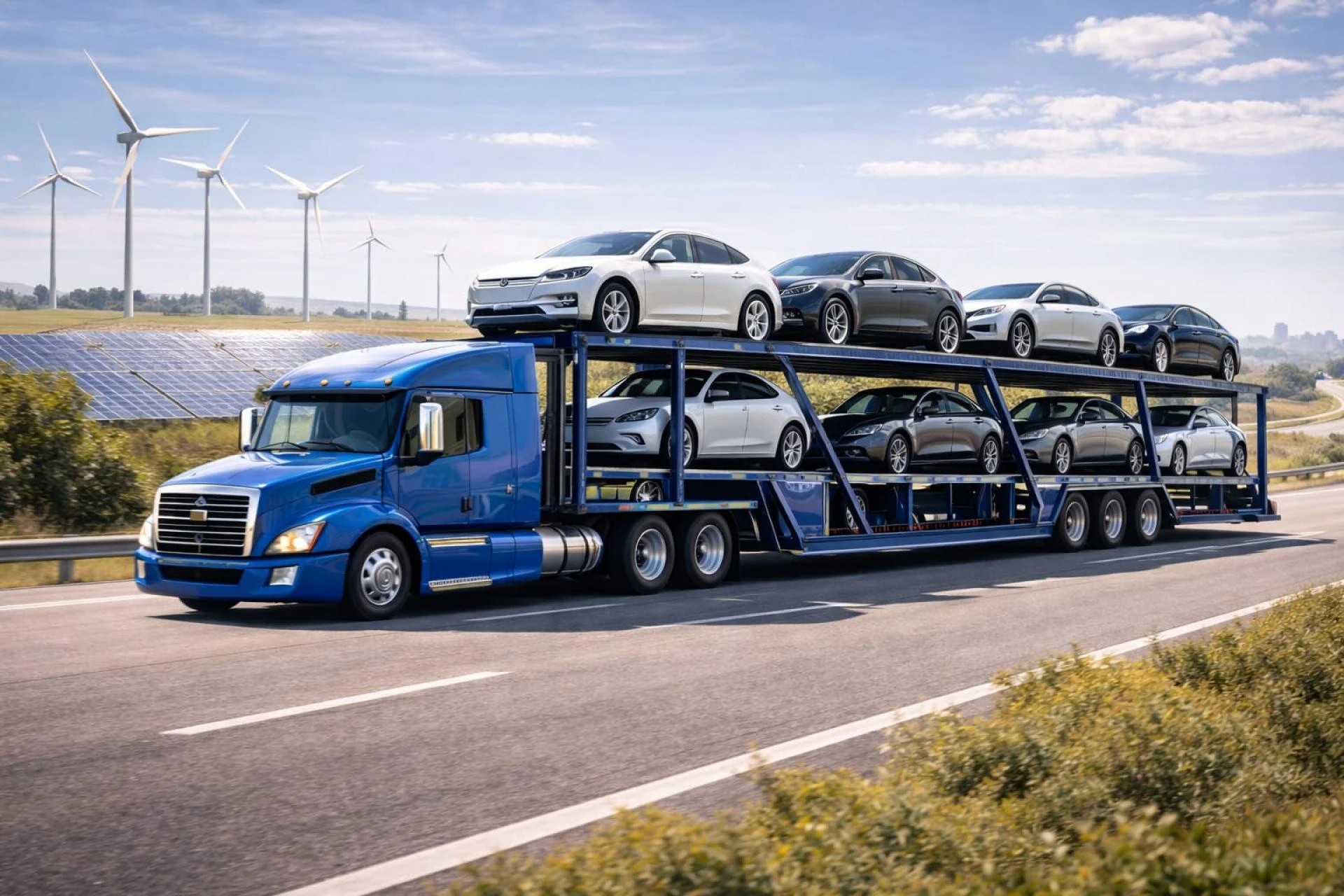
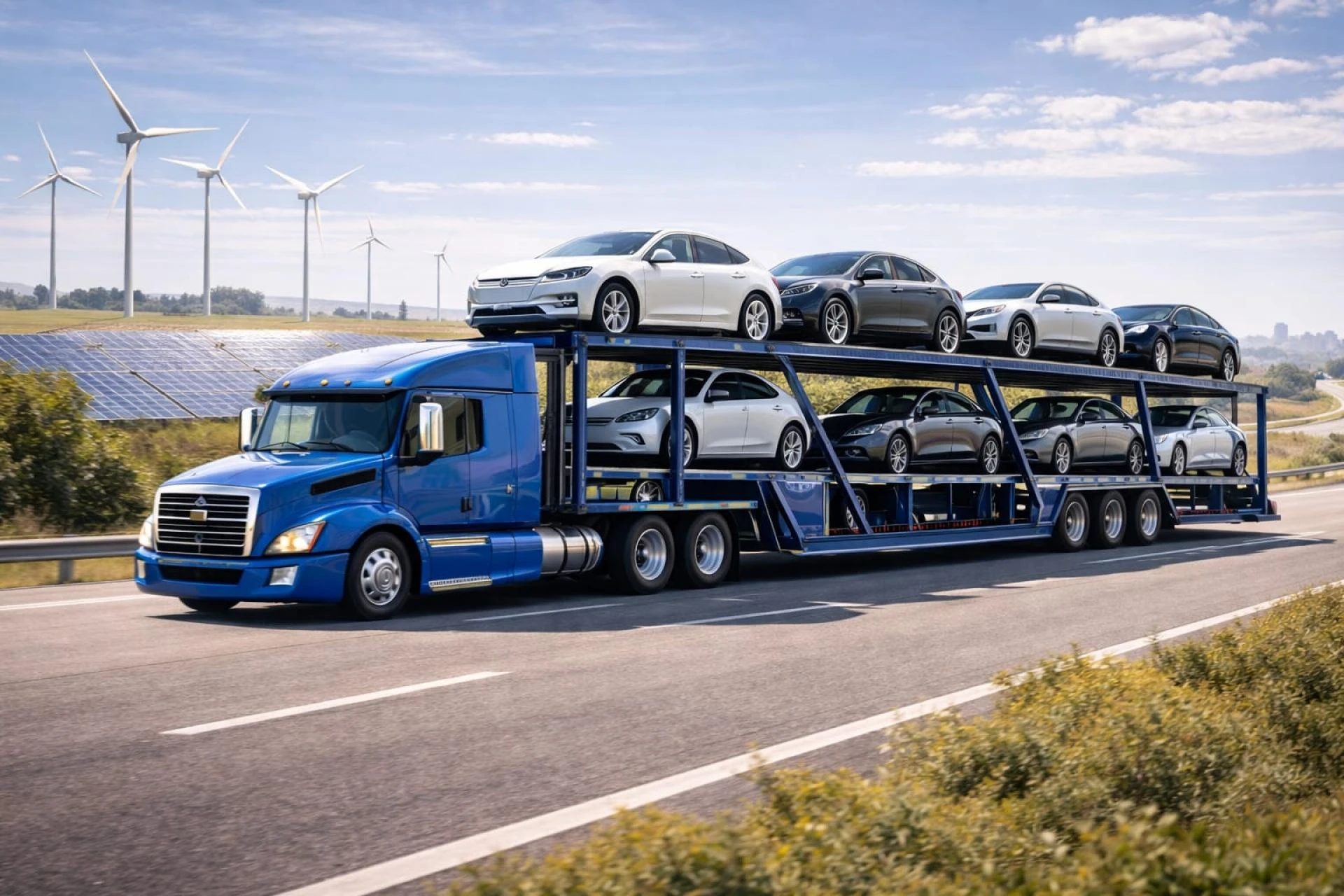
This is the industry standard for daily drivers, SUVs, and standard trucks. Your vehicle is secured on a multi-car, two-tier trailer.
- Estimated Cost: $1,250 – $1,800.
- Factors: Prices are lower for compact sedans and higher for full-size pickups or heavy SUVs.
Enclosed Auto Transport (Premium Choice)
Recommended for luxury, classic, or high-value electric vehicles (EVs). The car is placed inside a hard-sided trailer, protecting it from road debris, weather, and salt.
- Estimated Cost: $1,850 – $2,600.
- Value Add: Higher insurance limits and specialized loading equipment, such as hydraulic lift gates for low-clearance vehicles.
Key Factors Influencing Your Quote
Several "Utility-First" variables determine the final price generated by an auto shipping rates calculator:
1. Vehicle Weight and Dimensions
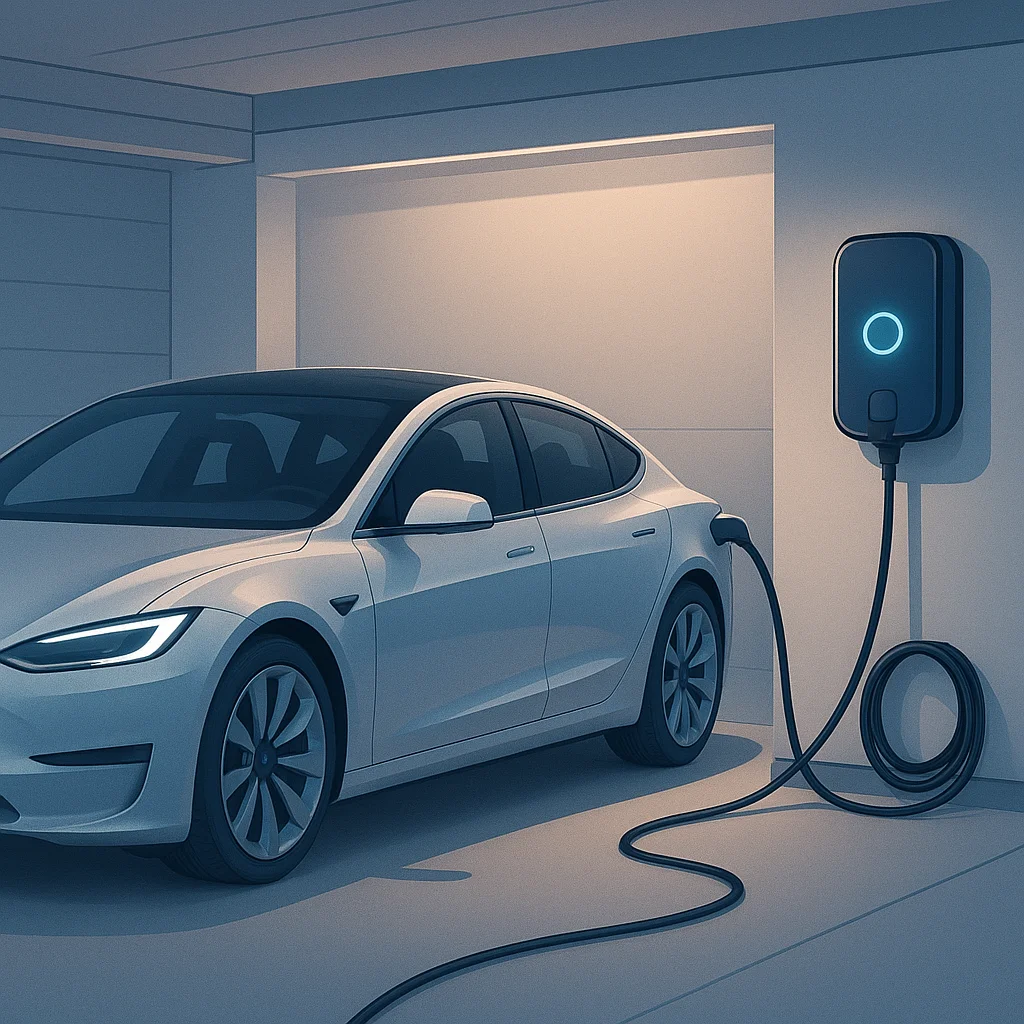
Heavy vehicles, particularly Electric Vehicles (EVs) like Teslas or Rivians, incur a surcharge of $150–$300 in 2026 due to the added weight of battery packs, which limits the total number of cars a carrier can legally haul.
2. Seasonal Demand
- Summer Peak: High demand for families relocating increases prices.
- Winter Challenges: Snow and ice in the Appalachian Mountains can slow down transit times and increase operational costs for drivers entering West Virginia.
3. Operability
If your vehicle does not run, steer, or brake, it requires a winch for loading. This "Inop Fee" typically adds $150 to the total, as it requires specialized equipment and additional labor.
4. Fuel Price Volatility
2026 quotes at Rapid Auto Shipping include real-time fuel surcharges, ensuring that the price you are quoted is protected against sudden spikes in diesel costs during the 10-day journey.
Navigating West Virginia’s Unique Terrain
Unlike the flat interstates of the Midwest, delivering a car to West Virginia requires an experienced driver familiar with the Appalachian Corridor.
- The "Mountain" Factor: Cities like Charleston, Huntington, and Morgantown are easily accessible via major interstates like I-64, I-77, and I-79.
- Rural Deliveries: If your delivery point is in a remote mountain community with narrow, winding roads, a 75-foot car carrier may not be able to reach your doorstep. In these cases, we arrange a meeting at a nearby accessible location, such as a large shopping center or a highway rest area.
Why Rapid Auto Shipping is the Preferred 2026 Choice
We bridge the gap between California's high-volume shipping hubs and West Virginia's specialized delivery needs.
- $0 Down Booking: We do not charge an upfront deposit. Your payment is only processed once a vetted carrier is officially assigned to your route.
- Vetted Carrier Network: Every driver in our network holds a high safety rating and carries a minimum of $100,000 in cargo insurance.
- Real-Time GPS Visibility: Our 2026 digital platform allows you to track your vehicle's progress across the country in real-time.
- Expert Damage Prevention: From protective seat covers to meticulous digital inspections, we treat every vehicle as a high-value asset.
Mandatory Preparation for Long-Haul Transport
To ensure a smooth transition from California to West Virginia, follow these 2026 industry standards:
- Clean Your Vehicle: A clean car is essential for a proper "Bill of Lading" (BOL) inspection. Any pre-existing scratches must be visible and documented.
- The Quarter-Tank Rule: Maintain exactly 1/4 tank of fuel. This minimizes weight and meets fire safety standards for long-distance trailers.
- Remove Personal Belongings: Do not leave luggage, electronics, or household goods in the car. These items are not insured and can lead to DOT fines at weigh stations.
- Document with Photos: Take high-resolution, timestamped photos of your vehicle at pickup. This is your primary protection in the rare event of a damage claim.
- Disable Toll Tags: Remove your E-ZPass or FasTrak transponder to avoid "phantom" charges as the carrier passes through electronic toll gantries.
West Virginia Registration Requirements for New Residents
Once your vehicle is delivered by Rapid Auto Shipping, the West Virginia DMV requires you to take action:
- 30-Day Grace Period: New residents must title and register their vehicles within 30 days of establishing residency.
- Personal Property Tax: Be prepared to provide an assessment from your county assessor’s office.
- Safety Inspection: Vehicles must pass a West Virginia safety inspection at an official station within 10 days of registration.
Conclusion
Shipping a car from California to West Virginia is a journey across the breadth of the American landscape. By choosing Rapid Auto Shipping, you are opting for a service that prioritizes transparency, safety, and 2026 technical standards. Whether you are moving a family SUV to Charleston or a classic car to the hills of Morgantown, we ensure the process is seamless from the Pacific to the Appalachians.


























Sign in to leave a comment.