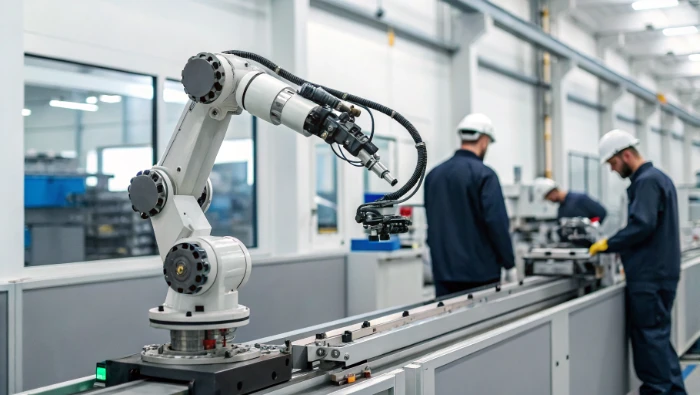
Let’s be honest, traditional inspections are slow, risky, and sometimes… downright exhausting. Imagine sending workers into tight pipes, high towers, or dangerous machinery zones armed with nothing but flashlights and clipboards. Errors happen, and fatigue doesn’t help. The result? Missed cracks, safety risks, and expensive downtime. But with robotic inspection, the story changes. Robots glide into places humans can’t reach, capturing every inch in crystal-clear detail. They don’t get tired or distracted; they just work consistently. The question is, can they consistently deliver flawless results? Let’s dig in.
The Rise of Smart Machines in the Inspection World
A decade ago, the idea of robots checking pipelines or wind turbines sounded futuristic. Today, it’s the new normal. From oil refineries to water treatment plants, robotic inspection has become the industry’s quiet hero, always alert, always precise.
What’s changed? Data. Robots now utilize high-resolution cameras, sensors, and AI to detect microscopic flaws before they develop into significant problems. It’s like giving your maintenance team superpowers without the capes.
Some industries leading the robotic revolution include:
- Oil and gas pipelines
- Nuclear and energy plants
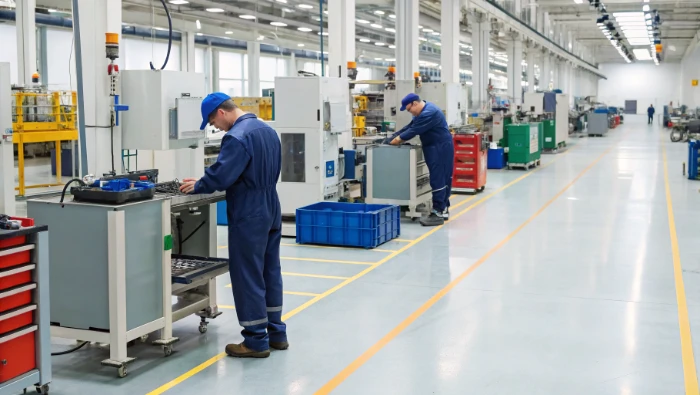
- Automotive manufacturing
- Aerospace engineering
Why Precision Matters More Than Ever
Here’s the thing: tiny errors can lead to massive losses. One missed defect in a pressure valve could mean millions in repairs or worse, safety hazards. Humans are skilled, but they’re not perfect. Fatigue, limited visibility, or bias can influence judgment.
That’s where robotics inspection software solution technology steps in. Robots rely on measurable data, not mood or perception. They can repeat the same inspection a hundred times with zero variation; consistency humans just can’t match.
In short, robotics inspection means:
- Consistent data accuracy
- Reduced human error
- Early detection of wear and defects
When Human Intuition Meets Machine Intelligence
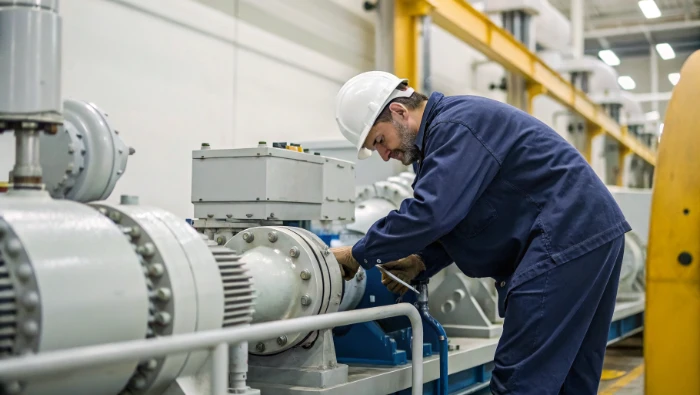
Let’s be fair, robots aren’t replacing people. They’re amplifying them. Engineers still make the judgment calls; robots just provide the evidence. Think of them as the ultimate assistant, detailed, dependable, and drama-free.
For example, an engineer might analyze a corrosion scan from a robotic inspection unit and use their expertise to decide whether it’s critical or minor. Machines handle the grind; humans handle the gray areas. Together, they form a balance of intuition and precision.
How Robotic Inspection Changes the Game for Safety
Safety isn’t just about rules; it’s about people. Workers who climb refinery stacks or crawl through tunnels face serious risks daily. What if they didn’t have to?
With robotics inspection, they don’t. Robots now perform confined-space checks, underwater surveys, and high-altitude scans while operators monitor from control rooms safely. It’s cleaner, faster, and most importantly, safer.
Top safety benefits include:
- Eliminating human entry into hazardous areas
- Reducing exposure to heat, radiation, or chemicals
- Lowering accident rates significantly
A Triple Win Of Speed, Accuracy, and Cost
Let’s talk numbers. Traditional manual inspections can take hours or even days to complete. Robots? They do it in a fraction of the time with minimal disruption. And the results, they’re not just faster; they’re often better.
For example, drones equipped with 3D mapping sensors can inspect an entire bridge in minutes. Meanwhile, a crawler bot checks thousands of feet of piping without a single break. The efficiency difference is staggering.
Are Robots Really Flawless? The Honest Truth
Now, for the million-dollar question, can robotic inspection really deliver perfect results every time? The answer’s a mix of yes and… not always. Robots are brilliant at detecting measurable flaws. But context still matters.
For instance, a drone might flag surface corrosion, but an expert must interpret whether it’s structural or cosmetic. Technology doesn’t replace experience; it amplifies it. So, while robots might not be “perfect,” they’re getting pretty close. And with machine learning improving daily, that gap keeps shrinking.
The Middle Ground Between Perfection and Practicality
Let’s face it, no system is 100% flawless. But robotic tools offer something arguably better: repeatable perfection. Every scan, every image, every measurement can be done precisely the same way, every time. That kind of reliability gives engineers a foundation of trust.
In the middle of the blog and real-world operations, robotics inspection continues to prove its worth by delivering consistency at scale. Over time, teams refine algorithms, collect better data, and reduce uncertainty to almost zero. That’s as close to perfection as technology gets.
The Future Is Collaborative, Not Competitive
The most innovative companies aren’t replacing workers, they're empowering them. With tools like AI-powered crawlers and predictive analytics, teams can focus on higher-level strategy instead of repetitive checks.
In fact, robotics inspection solution platforms now integrate with CMMS and asset management software, creating a complete digital maintenance ecosystem. Imagine scheduling inspections automatically, storing reports instantly, and utilizing predictive insights to prevent problems before they even occur. That’s not just smart, it's transformational.
Conclusion
So, can robotic inspection deliver perfect results every time? Maybe not perfectly, but definitely consistently. And that consistency saves lives, time, and money while redefining how industries work.
Boost your accuracy, safety, and confidence with robotic inspection technology from MicroMain, where cutting-edge automation meets practical reliability for smarter, safer maintenance operations.
FAQs
1. What is robotic inspection used for?
Robotic inspection is used to evaluate, scan, and assess assets like pipes, tanks, and machinery using autonomous or semi-autonomous robots for safety and accuracy.
2. Are robotics inspection solutions expensive?
While initial costs can be high, a robotics inspection solution saves money long-term by cutting downtime, minimizing risks, and reducing the need for frequent manual inspections.
3. Can robotics inspection replace human inspectors completely?
Not entirely. Robotics inspection enhances human work, providing data and precision while engineers handle interpretation, decision-making, and maintenance planning.

























Sign in to leave a comment.