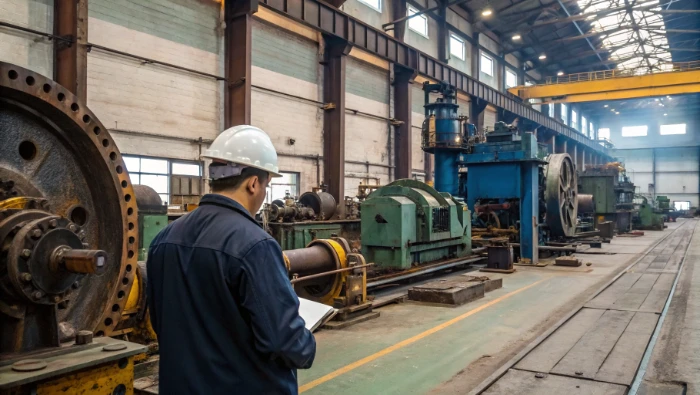
Ever had a machine stop working right when you needed it most? It’s frustrating, isn’t it? The entire workflow halts, deadlines slip, and you can almost hear money draining away with every second lost. Many companies live in that constant cycle , fix, fail, repeat. Equipment downtime sneaks in like a thief, stealing productivity and profit. That’s where preventive maintenance solutions step in. Instead of waiting for something to break, they help you act before it does. Think of it as giving your equipment a regular health check so it performs like new, day after day.
1. Scheduled Inspections That Keep You Ahead
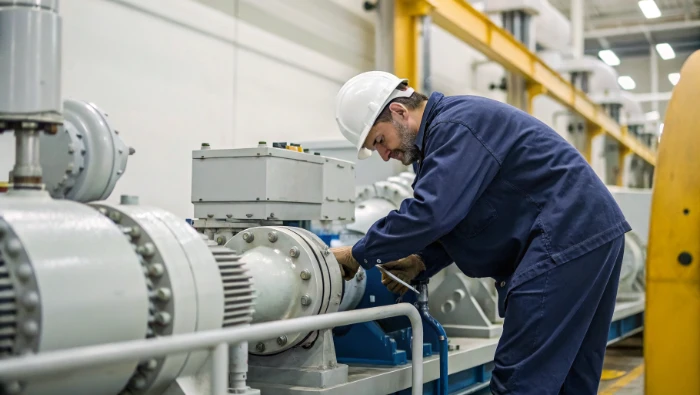
One of the simplest yet most powerful preventive maintenance solutions is scheduled inspections. Regular checkups catch problems long before they turn into major breakdowns. It’s kind of like going to the dentist, not exactly fun, but a whole lot better than waiting for a toothache.
By creating a clear inspection schedule, teams can track wear and tear, lubricate parts, and verify system performance. This approach keeps everything humming along and helps extend asset life without unnecessary repairs.
Key benefits include:
- Reduced emergency maintenance.
- Lower operational costs.
- Early detection of performance issues.
- Better long-term asset health.
2. Condition Monitoring That Tells the Truth
Sometimes, machines don’t give obvious warning signs before failing , they whisper them. Tiny vibrations, subtle temperature shifts, or slight energy spikes can all hint at a problem. Condition monitoring listens for those whispers.
Using sensors and smart analytics, this preventive maintenance solution detects even the smallest performance changes. Maintenance teams get alerts before issues spiral, allowing precise, timely intervention. The result? Less guesswork, fewer surprises, and a whole lot more reliability.
Advantages of condition monitoring:
- Predicts potential equipment failure.
- Minimizes unplanned downtime.
- Supports data-driven decision-making.
3. Automated Maintenance Scheduling for Stress-Free Planning
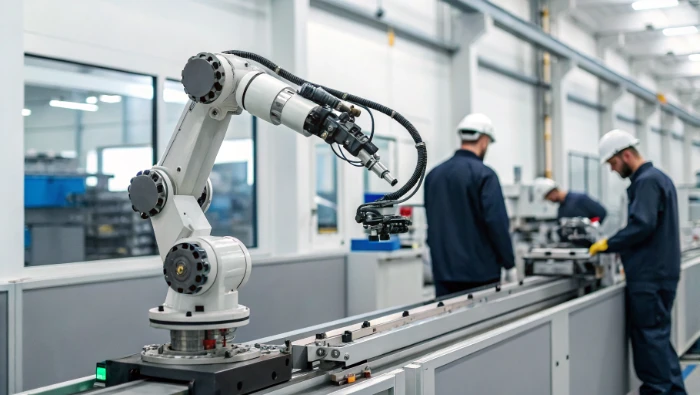
If you’ve ever juggled multiple maintenance tasks with sticky notes or spreadsheets, you know how chaotic it can get. That’s where automation truly shines.
With automated scheduling, preventive maintenance programs trigger work orders based on real usage or time intervals. This means your maintenance plans aren’t just static , they evolve with your operation’s pace. Imagine the system saying, “Hey, it’s been 300 hours since the last inspection , time for a quick tune-up.” It’s like having an assistant who never forgets.
Automation brings several perks:
- No missed maintenance tasks.
- Better resource allocation.
- Streamlined workflow with less manual effort.
4. Inventory Management That Prevents Costly Delays
You can’t repair what you don’t have parts for. Many maintenance delays happen because a simple component is missing. That’s why smart inventory management is one of the most practical preventive maintenance solutions out there.
Modern systems automatically track parts usage and reorder stock before it runs out. So when something needs fixing, you already have what you need on hand , no waiting, no panic, no unnecessary downtime.
Why this matters:
- Avoids costly production halts.
- Reduces excess inventory waste.
- Improves overall repair turnaround.
5. Data-Driven Analytics That Tell a Bigger Story
Here’s the truth , maintenance isn’t just about fixing things; it’s about learning from them. Data analytics transform routine upkeep into smart strategy.
By analyzing work orders, downtime reports, and performance data, preventive maintenance solutions reveal patterns you might otherwise miss. Maybe a particular asset always fails under high humidity, or maybe maintenance frequency needs adjusting. Insights like these help fine-tune your approach for better efficiency and reliability.
Analytics help you:
- Identify recurring failure trends.
- Optimize maintenance schedules.
- Improve cost forecasting and ROI.
Why Preventive Maintenance Inspires Reliability
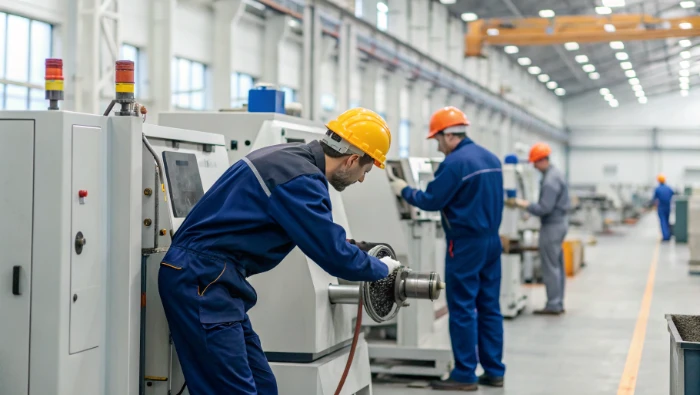
At its core, maintenance isn’t about fixing , it’s about preventing. The most successful teams don’t just react to problems; they anticipate them. Whether it’s a small clinic managing HVAC systems or a giant manufacturing plant running 24/7, reliability builds trust, confidence, and long-term growth.
Modern preventive maintenance management programs make that possible through automation, real-time monitoring, and actionable insights. They remove the “what if” from the equation, replacing it with “we’ve got this covered.”
Conclusion
Reliable operations don’t happen by chance; they’re built through smart systems and consistency. With the right preventive maintenance solutions, businesses can cut costs, extend asset life, and keep performance steady no matter what.
Experience how MicroMain’s preventive maintenance solutions empower maintenance teams to act proactively, stay organized, and achieve measurable reliability, all through one powerful platform.
FAQs
1. What are preventive maintenance solutions used for?
Preventive maintenance solutions help plan and manage maintenance tasks before equipment fails, reducing downtime and improving performance reliability.
2. How are preventive maintenance programs different from reactive maintenance?
Preventive maintenance programs focus on early detection and scheduled care, while reactive maintenance only happens after breakdowns occur.
3. What’s one key benefit of using preventive maintenance solutions?
The biggest benefit is reliability , they prevent unexpected failures, extend equipment life, and keep operations consistent across all departments.


























Sign in to leave a comment.