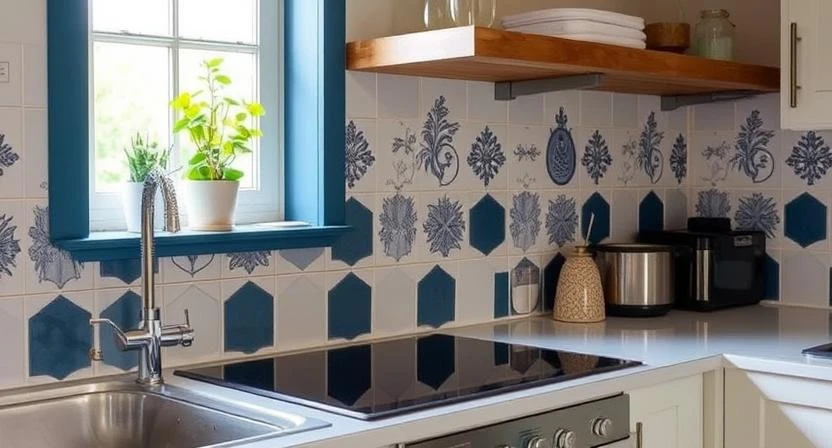

The art of ceramic decoration has taken a giant leap forward with the advent of ceramic printing technology. This innovative process allows detailed, durable, and high-quality images to be transferred onto ceramic surfaces, enabling personalized and commercial products to stand out. From decorative tiles to custom mugs, ceramic printing offers limitless possibilities for creativity and functional design. As industries and consumers seek more unique and lasting personalization options, ceramic printing is proving to be the preferred method for ceramic customization.
Ceramic printing involves applying designs digitally or manually onto ceramic materials in a way that ensures the image is permanently bonded to the surface. This technology supports the creation of intricate patterns, photographic quality images, logos, and text on various ceramic items. The appeal of ceramic printing lies in its ability to combine aesthetics with functionality, making personalized ceramics accessible and durable for everyday use. In this article, we will explore ceramic printing methods, advantages, applications, and how this technology is shaping the future of ceramic products.
How Ceramic Printing Works?
The ceramic printing process begins with a digital design, which can be created using graphic software or scanned from hand-drawn artwork. This design is then printed onto the ceramic surface using one of several specialized techniques. After printing, the item may be cured or fired to fix the design permanently, ensuring it resists wear, heat, and washing.
Common Ceramic Printing Techniques
Several ceramic printing methods are widely used, each suited for different types of projects.
Sublimation Printing
Sublimation printing involves transferring dye onto specially coated ceramics using heat. The heat converts the dye into gas, which bonds with the coating, producing vibrant, smooth images. This method is common for mugs and small decorative items.
UV Printing
UV printing uses ultraviolet light to cure ink as it is applied to ceramic surfaces. It offers precise detail, rich colors, and can be used on flat or curved surfaces.
Screen Printing
Screen printing involves pushing ink through mesh screens onto ceramic surfaces, allowing for repetitive designs at scale. It’s especially popular for patterned tiles and bulk dishware production.
Decal Transfer and Kiln Firing
This traditional method prints images on decal paper, which is applied to ceramics and then fired in a kiln to fuse the design into the glaze. This process is ideal for fine art ceramics and decorative plates.
Advantages of Ceramic Printing
Ceramic printing offers numerous benefits, making it a versatile choice for many industries.
Durability and Quality
Printed designs are baked into the ceramic or cured to create lasting images that withstand heat, water, and abrasion.
Customization Flexibility
Digital printing allows for endless customization options, from photographs to logos, text, and patterns, in vibrant colors.
Cost-Effectiveness
For small to medium production runs, ceramic printing reduces labor and time compared to hand-painting or traditional decal methods.
Eco-Friendly Options
Many ceramic printing techniques use water-based or UV-curable inks that are less harmful to the environment than older printing methods.
Applications of Ceramic Printing
Ceramic printing serves various purposes across different sectors.
Commercial Branding
Businesses use ceramic printing to create branded merchandise such as mugs, plates, and tiles, reinforcing their corporate identity.
Interior Decoration
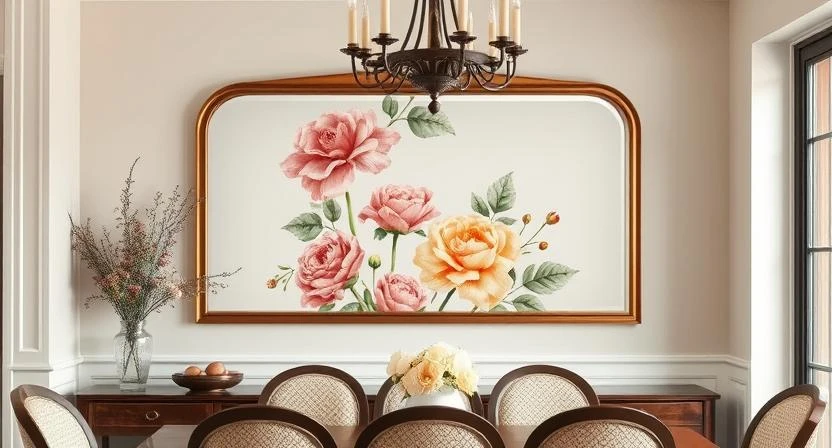
Custom printed tiles and ceramics add artistic flair to homes and offices, offering personalized aesthetics.
Personalized Gifts
Ceramic printing allows for unique gifts like custom mugs or plates, commemorating special occasions.
Artistic Production
Artists leverage ceramic printing to reproduce detailed works on durable ceramic surfaces for exhibitions and sales.
Selecting the Right Ceramic Printing Method
Choosing a printing technique depends on the material, quantity, design complexity, and end-use. Sublimation printing is ideal for colorful, small runs; screen printing suits large volume, simpler designs; UV printing fits detailed, multicolor work; decal transfer is best for fine art applications.
Care Tips for Printed Ceramics
To maintain the vibrancy and durability of printed ceramics, gentle cleaning is recommended. Avoid abrasive materials and harsh chemicals. Hand washing is preferred for mugs and dishware, while tiles should be wiped with soft cloths.
Conclusion
Ceramic printing is transforming how we decorate and personalize ceramic items. With its ability to produce durable, high-quality, and customized designs, ceramic printing caters to a wide range of uses from commercial branding to personal gifts and artistic projects. As technology advances, ceramic printing will continue to offer innovative solutions for creating meaningful and beautiful ceramic products. For those seeking to combine art, function, and personalization, ceramic printing is the future of ceramic decoration.























Sign in to leave a comment.