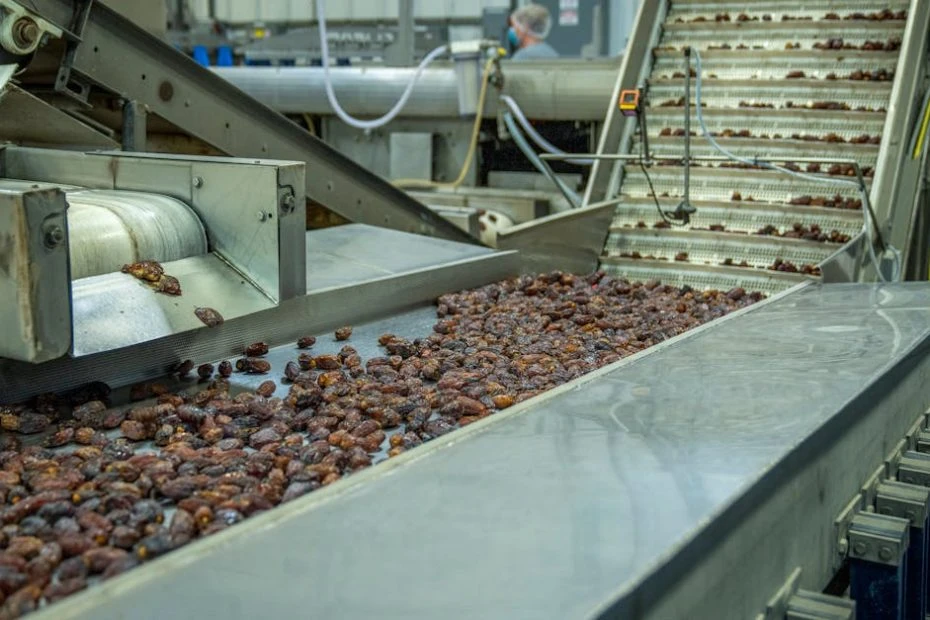

Bulk material handling facilities deal with a constant stream of product moving through belt systems, chutes, and processing stations. Picking the right magnetic separation equipment for these operations is not a one-size-fits-all exercise. The wrong choice leads to downtime, damaged machinery, and wasted money. Getting it right means understanding the material, the process, and the environment before signing any purchase order.
Why Equipment Selection Matters More Than Most People Think
Think of magnetic separation equipment like choosing the right tool from a toolbox. A hammer works great for nails, but it is useless for screws. The same logic applies here. A separator designed for light industrial use will struggle in a heavy mining environment, and an oversized unit in a small facility wastes capital and floor space.
Material characteristics play the biggest role in this decision. Particle size, density, water content levels, and the type of contamination all influence which separator performs best. A facility processing fine, dry powder needs something very different from one handling large, wet ore chunks.
Throughput is the other major factor. Undersized equipment creates bottlenecks that slow everything down, while oversized gear sits there burning energy without adding value. Getting the capacity match right saves money from day one.
Overhead and In-Stream Separation Options
Magnetic separators fall into two broad categories based on where they sit in the material flow. Overhead units hang above transport belts and pull metal upward out of the stream. In-stream units sit within the flow path itself, forcing material to pass through or over a magnetic field.
Overhead suspended magnets work well when retrofitting existing belt lines. There is no need to tear apart the belt structure. The magnet just hangs above the belt and does its job. This makes installation faster and less disruptive to ongoing operations.
In-stream options like magnetic drums and pulley magnets catch metal at natural transition points. Material rolls over or through these units, and the magnetic field grabs ferrous contaminants directly. Because there is no air gap between the magnet and the material, these units often achieve higher capture rates for fine metal particles.
Dealing With Tramp Metal Contamination
Random metal objects showing up in bulk material streams cause serious problems. Bolts, broken liner pieces, welding rod stubs, and tool fragments all find their way into processing lines. When these objects reach crushers, screens, or mills, the damage can be severe and expensive.
Strategic placement of tramp metal magnets at key points in the process flow acts like a safety net. Positioning them ahead of crushers and other vulnerable equipment catches most stray metal before it causes harm. The goal is to intercept contamination at the earliest possible stage.
Different tramp metal objects have different magnetic properties. A large bolt is easy to catch, but a thin stainless steel washer might slip through. Understanding the range of likely contaminants helps in selecting equipment with the right magnetic strength and field depth.
Dry Versus Wet Processing Decisions
Some facilities have plenty of water available for wet magnetic separation, while others operate in arid regions where water is scarce and expensive. The choice between dry and wet processing affects equipment selection significantly.
Dry magnetic separators process material without adding any water. Feed systems deliver dry material into a magnetic zone where separation happens in air. This eliminates the need for water treatment systems, tailings ponds, and slurry pumps. For operations in water-scarce areas, dry processing is often the only practical option.
Wet separation tends to be more efficient for very fine particles because water helps carry material through the magnetic field evenly. But it adds complexity and cost through water management requirements. Each facility needs to weigh these trade-offs based on local conditions and available resources.
The Role of Demagnetization in Bulk Handling
One often-overlooked aspect of magnetic separation is what happens to material after it has been through a magnetic field. Residual magnetism can cause particles to clump together, stick to equipment surfaces, and create handling problems further down the processing line.
This is where demagnetizing coils come into play. These devices produce an alternating magnetic field that gradually reduces the residual magnetism in material to near zero. Think of it like resetting the magnetic memory of the particles so they behave normally again.
In bulk handling, residual magnetism causes material to bridge in hoppers, stick to chute walls, and create uneven flow patterns. These problems look minor on paper but add up to real production losses over time. Proper demagnetization solves these issues at the source.
Applying Demag Coils in Processing Circuits
The placement of demag coils within a processing circuit is based on where residual magnetism causes the most trouble. Common installation points include after magnetic drum separators, after grinding mills where steel media magnetizes the ore, and before sensitive monitoring instruments.
Sizing these coils correctly matters. The coil needs to produce a strong enough alternating field to overcome the residual magnetism in the material, and the material needs enough time passing through the field for full demagnetization. Belt speed, material depth on the belt, and the degree of residual magnetism all factor into the sizing calculation.
Modern demagnetization equipment is relatively simple to install and maintain. Most units mount directly over or around transport belts and require only an electrical connection. Operating costs are modest compared to the production benefits they deliver.
Mineral Beneficiation Applications
Upgrading ore quality through magnetic separation demands equipment matched to specific mineral properties. Iron ore beneficiation uses high-intensity magnetic separators to concentrate iron-bearing minerals by pulling them away from waste rock. The separator configuration, field strength, and feed rate all need to match the specific ore characteristics.
Coal processing uses magnetic separation to remove pyritic sulfur and other magnetically susceptible impurities that affect fuel quality. Ferrochrome recovery requires separators tuned to the particular magnetic properties of chrome-bearing minerals, which respond differently than iron ore.
Each mineral application has its own set of requirements. What works perfectly for iron ore processing may perform poorly on a different mineral. Equipment suppliers with experience across multiple mineral types bring valuable perspective to the selection process.
Mining Environment Challenges
Mining conditions push equipment harder than most industrial settings. Abrasive materials grind down surfaces, impact loading from large rocks stresses frames and housings, and continuous operation leaves little room for maintenance windows.
Equipment built for mining needs heavy-duty construction throughout. Thicker frames, protected electrical components, wear-resistant surfaces, and sealed bearings all extend service life in harsh conditions. Lighter equipment designed for clean factory environments simply does not survive in a mine.
Dust, temperature swings, and vibration add to the challenge. Electrical connections need proper sealing, control systems need protection from dust ingress, and mounting structures need to handle constant vibration without fatiguing.
Evaluating Suppliers and Making the Purchase
Supplier capability matters just as much as the equipment itself. A great separator from a supplier with no local support becomes a liability when something goes wrong. Look for suppliers who offer technical support, maintain spare parts inventory, and have experience with similar applications.
Reference customers provide the most honest feedback. Talking to facilities that run similar equipment in similar conditions reveals real-world performance data that sales brochures cannot match. Ask about uptime, maintenance requirements, and how the supplier responded when problems came up.
Planning for Installation and Ongoing Maintenance
Good installation planning prevents problems that plague equipment for its entire service life. Structural support needs to handle equipment weight plus the weight of material during operation. Maintenance access points need enough clearance for technicians to work safely and efficiently.
Spare parts planning should start before the equipment arrives on site. Keeping critical wear components in stock prevents extended downtime waiting for shipments. Training maintenance staff on proper inspection and service procedures catches small problems before they become big ones.
Total cost of ownership goes well beyond the purchase price. Energy consumption, maintenance intensity, expected service life, and downtime costs all contribute to the true economics of any piece of equipment. The cheapest option upfront often costs the most over a five or ten year operating period.
Equipment matched to specific applications and site conditions delivers years of reliable service, protecting downstream processing systems and keeping bulk handling operations running smoothly.



































Sign in to leave a comment.