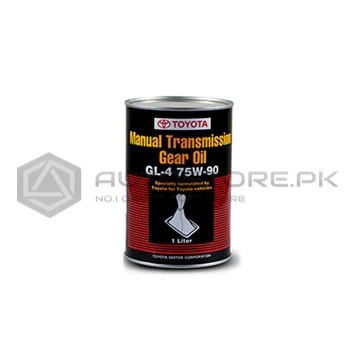

Your car's transmission is a complex system that relies on the proper functioning of various components, including the Gear oil.
Choosing the right gear oil for your vehicle is crucial to ensure smooth operation, extend the lifespan of your transmission, and enhance overall performance. In this comprehensive guide, we'll delve into the factors you should consider when selecting car gear oil, different types available, and the importance of regular maintenance.
Understanding the Basics
Before diving into the selection process, it's essential to understand the basics of gear oil. Gear oil, also known as transmission fluid, is a lubricant designed specifically for manual and automatic transmissions. Its primary purpose is to reduce friction, dissipate heat, and protect gears and bearings from wear and corrosion.
Types of Car Gear Oil
There are various types of gear oil available on the market, each formulated to meet specific performance requirements. The two main categories are conventional (mineral-based) and synthetic gear oils.
Conventional Gear Oil: This type is derived from crude oil and refined to meet the necessary specifications. Conventional gear oils are generally less expensive but may have limitations in extreme temperatures and severe driving conditions.
Synthetic Gear Oil: Manufactured from chemically engineered base oils, synthetic gear oils offer superior performance, especially in extreme temperatures and under heavy loads. They provide better lubrication, stability, and longevity compared to conventional options, albeit at a higher cost.
Viscosity and Grades
Viscosity is a critical factor when choosing gear oil. It refers to the fluid's resistance to flow, and the right viscosity ensures proper lubrication under various conditions. Gear oils are classified by viscosity grades, typically represented by a combination of numbers and letters (e.g., 75W-90).
The first number (e.g., 75W) indicates the oil's viscosity in cold temperatures, with lower numbers being more suitable for colder climates.
The second number (e.g., 90) represents the oil's viscosity at operating temperatures, with higher numbers providing better protection under high heat and load conditions.
Choosing the correct viscosity grade is crucial to prevent excessive wear and ensure optimal performance, particularly in climates with extreme temperature variations.
Manufacturer Specifications
Always refer to your vehicle's owner's manual for the manufacturer's recommended gear oil specifications. Using the right type and viscosity grade ensures compatibility with your transmission system and helps maintain warranty coverage.
Driving Conditions and Habits
Consider your driving conditions and habits when selecting gear oil. If you frequently tow heavy loads, drive in stop-and-go traffic, or operate in extreme temperatures, a synthetic gear oil with a higher viscosity may be more suitable to handle these demanding conditions.
Signs Your Car Needs Gear Oil Change
Regular maintenance is essential to ensure your gear oil remains effective. Be vigilant for signs such as grinding noises, difficulty shifting gears, or unusual vibrations, as these may indicate the need for a gear oil change.
Conclusion
Choosing the right car gear oil is a critical aspect of maintaining a healthy transmission and ensuring optimal vehicle performance. By understanding the basics, considering the types available, paying attention to viscosity and grades, adhering to manufacturer specifications, and factoring in driving conditions, you can make an informed decision that will benefit your vehicle in the long run. Regular gear oil changes, along with routine maintenance, will contribute to a smoother and more reliable driving experience.



























Sign in to leave a comment.