
Connectivity problems do not announce themselves clearly before they show up.
They surface as slower systems, unstable networks, or repeated fixes that never seem to last.
In many cases, the root cause is not software or hardware but the cabling underneath everything.
As businesses move into 2026 with higher data loads, automation and connected operations, this foundation matters more than ever.
Choosing the right Copper Structured Cabling vendor is no longer a routine purchase decision.
It is a long-term infrastructure choice that affects reliability, cost, and growth.
This article walks you through how to evaluate vendors with clarity, using practical signals rather than assumptions.
What Quality Really Means in Copper Structured Cabling
Quality is often spoken about but rarely defined clearly.
When it comes to Copper Structured Cabling, quality is not a label or a claim.
It is something that shows up in daily performance.
Why is all copper wire not the same
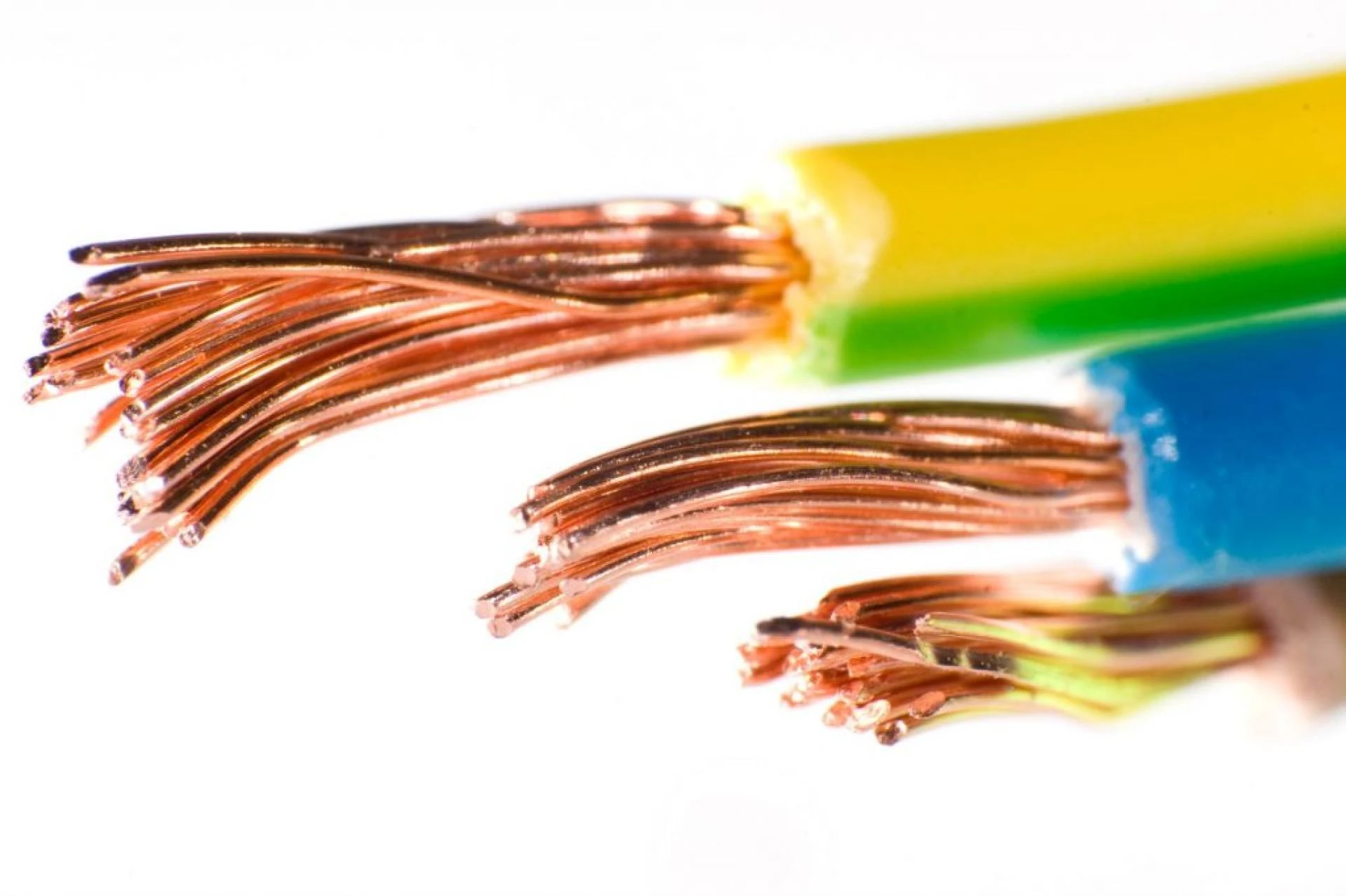
At first glance, one copper wire can look very similar to another.
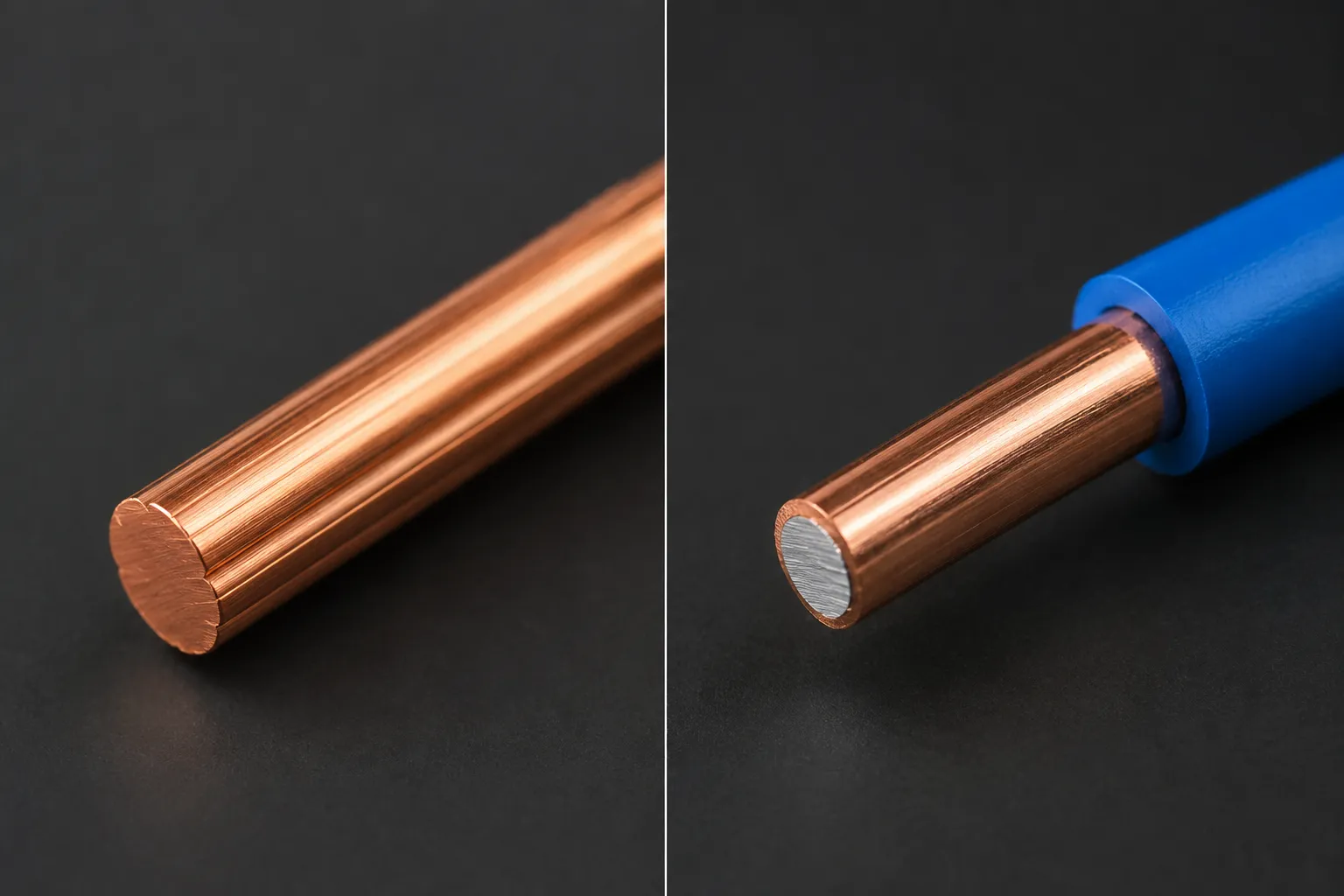
But performance depends on copper purity, conductor consistency, insulation thickness and how accurately the pairs are manufactured.
Small variations here can lead to signal loss, heat buildup, or interference over time.
This is especially important in structured cabling systems that are expected to run continuously for years.
As networks carry more data and power, these differences become harder to ignore.
What worked five years ago may not support today’s loads with the same stability.
What standards tell us about performance
International standards such as ISO and ANSI TIA define how structured cabling should perform.
They focus on parameters like insertion loss, return loss, impedance balance, and crosstalk.
These are not abstract numbers.
They directly affect data speed, error rates, and network reliability.
Standards also assume that generic cabling systems will remain usable for more than ten years.
Industry experience shows that properly installed copper structured cabling can last fifteen to twenty years when quality materials are used.
How to apply this when evaluating vendors
When reviewing a vendor, look beyond brochures.
Ask about conductor purity, insulation materials, and in-house testing.
Request test reports and samples.
A reliable vendor will be comfortable explaining how their copper cable is made and how it is verified.
This naturally leads to the next question.
If quality matters so much, how much control does the vendor actually have over manufacturing?
Manufacturing Capability and Process Maturity
A cabling vendor’s factory tells you more than their marketing ever will.
Process maturity is where consistency is built.
Why manufacturing control shapes long-term performance
Vendors with in-house drawing, annealing, insulation, and testing have better control over output quality.
Each stage affects how the structure cable performs once installed.
When these steps are fragmented or outsourced, variation increases.
Variation leads to unpredictable performance in real-world networks.
In structured cabling, consistency matters just as much as peak performance.
What industry data reveals about defects and rework
Infrastructure studies consistently show that physical layer issues are a major source of network slowdowns and troubleshooting effort.
While power and IT systems cause many outages, cabling problems often extend resolution time and increase operational effort.
Poor manufacturing quality adds to this burden through repeated fixes and early replacements.
The cost is not always immediate.
It accumulates quietly through maintenance hours and lost productivity.
How to evaluate manufacturing readiness today
When possible, review a vendor’s manufacturing setup.
Look for documented processes, testing labs, batch traceability and quality logs.
Even without a site visit, these details can be shared transparently.
Once manufacturing capability is clear, the next layer of confidence comes from compliance and certifications.
Certifications That Reduce Risk Over the Long Term
Certifications are often treated as paperwork.
In reality, they are risk filters.
Why certifications matter more than ever
Certified Copper Structured Cabling systems are tested against defined performance limits.
They reduce uncertainty during installation and operation.
They also support compatibility across devices, systems and regions.
For businesses operating across multiple sites or markets, this consistency becomes critical.
What certified systems change in day-to-day operations
Certified cabling comes with manufacturer warranties, which adds a layer of assurance from the start.
It also makes installation easier because testing and approval take less time.
When cabling is properly certified, teams spend less effort checking, fixing and rechecking the same points later.
The savings may not show up as one big number.
They appear through fewer reworks, faster fault finding and less time lost during maintenance.
Choosing certifications that match your application
Not every certification is meant for every type of project.
What works for an industrial setup may not be right for an office building or a data-heavy network.
A reliable vendor helps you choose approvals that fit how the system will actually be used, not just what sounds impressive.
Once compliance is in place, the next question naturally becomes about future needs.
Can the vendor support growth?
Supply Reliability and Scalability for Growing Networks
Structured cabling decisions rarely end with one project.
Networks expand, systems upgrade, and new technologies are added.
Why cabling decisions stay with you for years
Once cabling is installed, it becomes part of the building.
Changing it later means disruption, downtime, and high cost.
That is why it is important to think about future expansion from the beginning.
Copper-based structured cabling is still widely used for horizontal networks in enterprise spaces.
Studies show this is mainly because it is cost-effective and easier to install over shorter distances.
How supply reliability affects project timelines
When supply is inconsistent, projects slow down.
Installations get delayed and upgrades take longer than planned.
Teams may even have to switch materials at the last minute, which affects uniformity.
A dependable vendor with stable production helps avoid these issues.
This becomes even more important when work is spread across multiple locations or phases.
Choosing a vendor for the long term
Ask vendors about their production capacity, export readiness, and response time.
A reliable partner looks beyond a single order.
They plan for repeat needs and future growth.
Once reliability is clear, it becomes easier to look at cost with confidence.
Looking Beyond Price to Understand True Value
Price is easy to compare.
Value takes more thought.
Why the lowest price can cost more later
Lower-priced copper wire often cuts corners in material quality or process control.
This can lead to early degradation, higher interference and more maintenance calls.
The initial savings disappear over time.
In contrast, well-made copper cable protects performance across its full lifecycle.
Understanding lifecycle impact through industry insight
Standards-based cabling systems are designed to support long operational lives.
When quality materials and proper installation are combined, networks remain stable for years without intervention.
This stability directly supports uptime, productivity and predictable maintenance costs.
Building a smarter vendor comparison
Compare vendors across performance consistency, certifications, manufacturing control and support.
Price should be one factor, not the deciding one.
At this stage, the path forward becomes clearer.
Key Takeaways You Can Apply Immediately
- Treat Copper Structured Cabling as an infrastructure investment, not a commodity
- Look beyond specifications and review how the structure cable is manufactured
- Choose certified structured cabling that matches your environment and market needs
- Assess supply reliability and scalability early in the decision process
- Compare lifecycle value, not just upfront pricing
Choosing a Partner for the Long Run
Reliable networks are built long before the first device connects.
They begin with decisions that prioritize quality, consistency, and accountability.
As data demands increase and downtime becomes more expensive in 2026, the role of Copper Structured Cabling becomes even more critical.
The real question is not who can supply copper today.
It is who can support your network quietly and reliably for the next decade.
If you are reviewing vendors or planning your next infrastructure upgrade, this is the right moment to pause and ask.
Is your cabling choice ready for what comes next?


























Sign in to leave a comment.