

Industrial facilities such as warehouses and factories require proper lighting to maintain safety, productivity, and energy efficiency. Choosing the right lighting system is not only about brightness but also about durability, coverage, and long-term operational costs. Among the most effective lighting solutions for industrial environments are floodlights, which provide wide illumination for large indoor and outdoor spaces. In some specialized industrial sectors, even lighting solutions like underwater light systems are used for water treatment plants, industrial tanks, and dock facilities connected to manufacturing operations.
Selecting the ideal lighting solution can improve employee performance, reduce workplace accidents, and lower maintenance expenses. This guide explains everything businesses should know before choosing lighting systems for warehouses and factories.
Understanding Industrial Lighting Requirements
Warehouses and factories have different lighting needs compared to offices or retail spaces. Industrial environments usually involve larger spaces, high ceilings, moving machinery, and continuous operations. Poor lighting can lead to accidents, reduced visibility, and lower efficiency.
Before selecting lighting equipment, it is important to evaluate:
- Ceiling height
- Floor layout
- Type of work performed
- Indoor or outdoor installation
- Energy consumption goals
- Maintenance accessibility
- Environmental conditions such as heat, dust, or moisture
The right lighting system should provide consistent brightness without creating glare or dark spots.
Why Proper Lighting Matters in Warehouses and Factories
Improved Workplace Safety
One of the biggest benefits of quality industrial lighting is improved safety. Workers handling machinery, forklifts, and heavy materials require clear visibility to avoid accidents. Proper lighting reduces risks related to slips, trips, and operational mistakes.
Better Productivity
Employees work more efficiently in well-lit environments. Adequate lighting improves concentration, reduces eye strain, and helps workers identify products and machinery more accurately.
Lower Energy Costs
Modern industrial lighting systems are designed to consume less electricity while delivering better illumination. Energy-efficient fixtures help businesses reduce operational costs significantly over time.
Enhanced Security
Outdoor industrial areas such as loading docks, parking zones, and storage yards need reliable lighting for security purposes. Well-illuminated spaces discourage theft and unauthorized access.
Types of Lighting Used in Industrial Facilities
LED High Bay Lights
High bay lights are commonly used in warehouses with tall ceilings. These fixtures distribute light evenly across wide spaces and are highly energy efficient.
Panel Lights
Panel lights are suitable for offices and administrative areas inside industrial facilities. They provide clean and uniform lighting with minimal glare.
Task Lighting
Task lighting focuses on specific workstations where detailed work is performed. This helps workers maintain accuracy and precision.
Outdoor Industrial Lighting
Exterior areas require weather-resistant fixtures capable of handling harsh conditions. Proper outdoor illumination supports nighttime operations and security.
Key Factors to Consider When Choosing Industrial Lighting
Brightness and Lumen Output
Brightness is measured in lumens rather than watts. Industrial facilities generally require high-lumen lighting systems to illuminate large spaces effectively.
Different areas need different brightness levels:
- Storage zones require moderate lighting
- Packing stations need brighter illumination
- Machinery areas demand focused visibility
Choosing the correct lumen output prevents both over-lighting and under-lighting.
Energy Efficiency
Energy costs can become a major expense for industrial facilities operating around the clock. LED lighting systems are highly preferred because they consume less power and last longer than traditional lighting solutions.
Energy-efficient lighting also reduces cooling costs because LEDs generate less heat.
Durability and Lifespan
Industrial environments can expose lighting fixtures to dust, vibration, chemicals, and temperature changes. Durable fixtures reduce maintenance requirements and replacement costs.
Look for lighting systems with:
- Strong housing materials
- Heat-resistant components
- Long operational lifespan
- Dust and moisture protection
Beam Angle
Beam angle determines how light spreads across an area. Narrow beam angles focus light on specific zones, while wider beam angles cover larger spaces.
For warehouses and factories, selecting the right beam angle ensures even illumination without shadows.
Color Temperature
Color temperature affects visibility and comfort. Industrial facilities commonly use cool white lighting because it enhances alertness and visibility.
Typical recommendations include:
- 4000K for balanced lighting
- 5000K for brighter industrial environments
- 6500K for highly detailed tasks
Benefits of LED Industrial Lighting
LED lighting has become the preferred option for industrial applications due to its efficiency and performance.
Reduced Maintenance
LED fixtures last significantly longer than traditional bulbs. This reduces the frequency of replacements, especially in high-ceiling warehouses where maintenance can be difficult.
Instant Illumination
Unlike older lighting systems that require warm-up time, LEDs provide instant brightness immediately after switching on.
Eco-Friendly Performance
LED systems consume less electricity and contain fewer harmful materials, making them environmentally friendly.
Better Light Quality
LED lighting offers more consistent illumination and improved color rendering, helping workers identify objects and labels more clearly.
Outdoor Lighting for Warehouses and Factories
Outdoor industrial spaces require specialized lighting solutions to ensure visibility and security during nighttime operations.
Loading Docks
Loading docks are busy operational zones where trucks, forklifts, and workers move continuously. Proper lighting improves safety and efficiency.
Parking Areas
Employee and visitor parking areas should remain well-lit to enhance security and reduce accident risks.
Perimeter Security
Exterior lighting helps monitor facility boundaries and discourages unauthorized access.
In many industrial facilities, floodlights are installed outdoors because they provide broad illumination coverage and can handle demanding environmental conditions.
Weather Resistance and IP Ratings
Industrial lighting fixtures often operate in harsh conditions. Understanding IP ratings helps businesses select appropriate fixtures.
What Is an IP Rating?
IP ratings measure resistance against dust and water exposure.
For example:
- IP65 offers protection against dust and water jets
- IP66 provides stronger water resistance
- IP67 supports temporary immersion
Choosing the right protection level ensures long-term durability.
Smart Lighting Controls for Industrial Facilities
Modern warehouses and factories increasingly use smart lighting systems to improve efficiency.
Motion Sensors
Motion sensors activate lights only when activity is detected, helping reduce energy waste.
Daylight Harvesting
This system adjusts artificial lighting based on available natural sunlight.
Automated Scheduling
Automated controls allow businesses to schedule lighting according to operational hours.
Smart systems help reduce electricity bills while maintaining consistent illumination.
Specialized Industrial Applications
Some industrial sectors require highly customized lighting solutions due to unique environmental conditions.
Food Processing Facilities
Food manufacturing plants require hygienic lighting systems that resist moisture and contamination.
Chemical Plants
Chemical facilities often need explosion-proof lighting designed for hazardous environments.
Marine and Water-Based Facilities
Industrial operations near docks, water treatment plants, and underwater systems may require specialized lighting such as underwater light solutions. These systems are designed to function safely in submerged conditions while providing reliable visibility for inspections and maintenance tasks.
Common Mistakes to Avoid When Choosing Industrial Lighting
Ignoring Ceiling Height
Installing fixtures without considering ceiling height can create uneven lighting and dark zones.
Choosing Based Only on Price
Low-cost fixtures may lead to higher maintenance and energy costs in the long run.
Poor Fixture Placement
Incorrect fixture placement can result in glare, shadows, and inefficient coverage.
Overlooking Maintenance Access
Lighting systems installed in difficult-to-reach areas should have long lifespans to minimize maintenance challenges.
How Proper Lighting Improves Warehouse Operations
Efficient lighting supports smoother warehouse operations in several ways:
- Faster inventory management
- Improved barcode scanning accuracy
- Reduced picking errors
- Better employee comfort
- Safer forklift movement
Well-designed lighting systems contribute directly to operational efficiency and business productivity.
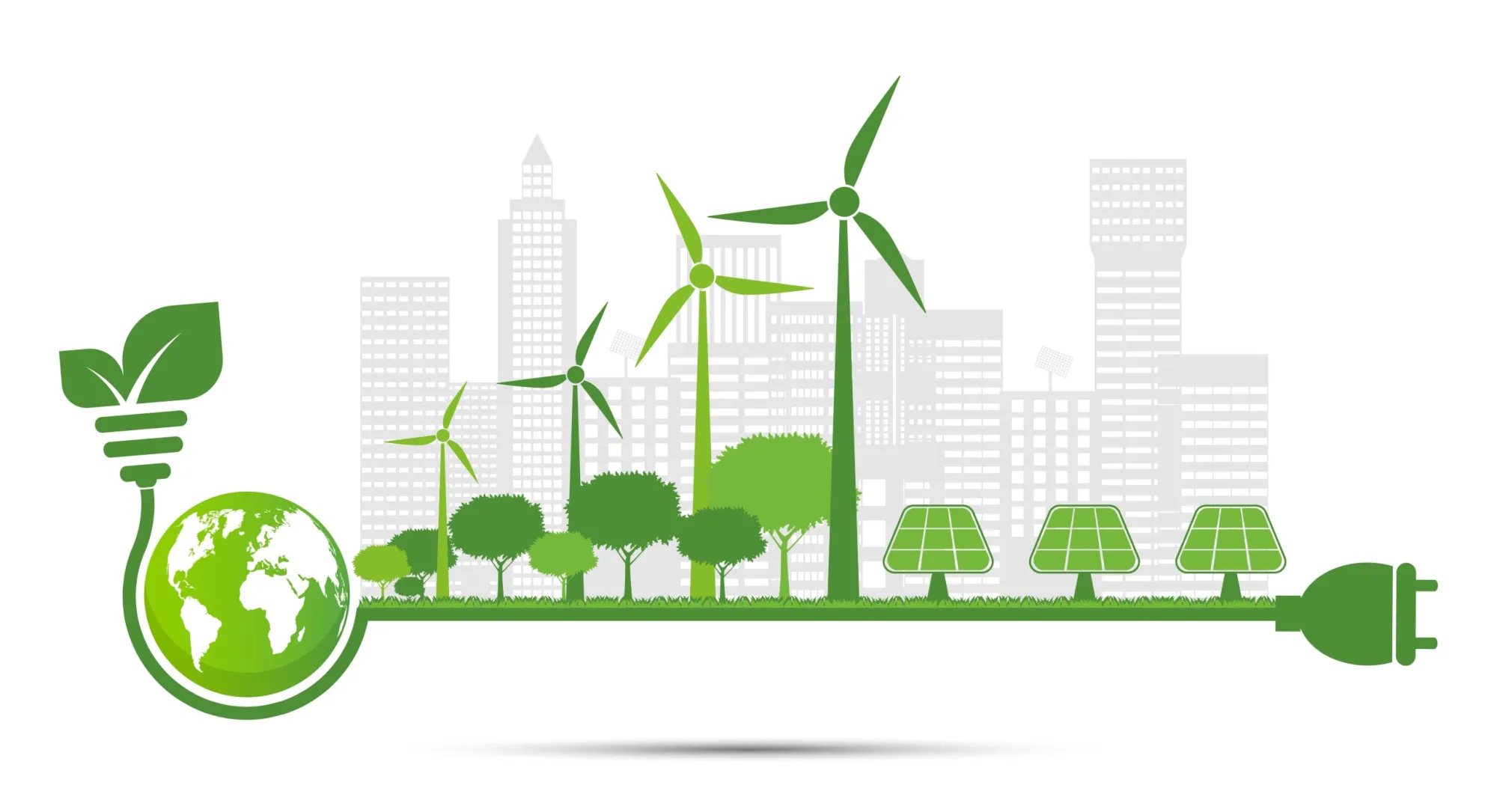
Sustainability and Energy Savings
Sustainability has become an important goal for many industrial businesses. Modern lighting systems help companies reduce their environmental impact.
Benefits include:
- Lower carbon emissions
- Reduced electricity usage
- Longer product lifespan
- Less waste generation
Using energy-efficient fixtures also supports compliance with environmental regulations and green building standards.
Maintenance Tips for Industrial Lighting Systems
Regular maintenance helps lighting systems perform efficiently for longer periods.
Clean Fixtures Regularly
Dust and debris can reduce light output over time. Cleaning fixtures maintains brightness and efficiency.
Inspect Electrical Connections
Routine inspections help identify loose wiring or damaged components before they become major issues.
Replace Damaged Fixtures Promptly
Faulty fixtures should be replaced immediately to maintain workplace safety.
Monitor Energy Usage
Tracking energy consumption helps businesses identify opportunities for efficiency improvements.
Choosing the Right Supplier
Selecting a reliable lighting supplier is equally important as choosing the right fixtures.
Look for suppliers that offer:
- Product warranties
- Technical support
- Certified products
- Energy-efficient solutions
- Custom lighting recommendations
Experienced suppliers can help businesses select lighting systems tailored to their operational needs.
Future Trends in Industrial Lighting
Industrial lighting technology continues to evolve with advancements in efficiency and automation.
Smart Integration
Future systems will increasingly integrate with building management platforms for centralized control.
Human-Centric Lighting
Some facilities are adopting lighting systems designed to improve worker comfort and productivity through adjustable brightness and color temperatures.
Advanced Energy Monitoring
Modern systems can track energy consumption in real time, helping businesses optimize usage.
As industrial operations become more advanced, lighting systems will continue playing a critical role in operational efficiency and sustainability.
Wrapping Up
Choosing the right lighting solution for warehouses and factories requires careful planning and understanding of operational requirements. Factors such as brightness, durability, energy efficiency, and environmental conditions all influence the effectiveness of an industrial lighting system.
Modern LED systems, including high-performance floodlights, offer reliable illumination while reducing energy costs and maintenance needs. Specialized environments may also benefit from solutions like underwater light systems for water-related industrial operations.
By investing in high-quality lighting solutions, businesses can improve workplace safety, increase productivity, enhance security, and achieve long-term operational savings. Proper lighting is not simply an operational necessity—it is a valuable investment in overall industrial performance.



























Sign in to leave a comment.