
Gas heaters come in many shapes and capacities, yet “bigger” doesn’t automatically mean “better”. Pick a unit that’s too small and you’ll shiver through cold snaps; choose one that’s too large and you’ll waste energy, cycle the appliance on and off, or even over-dry the air. Below is a straightforward, homeowner-friendly method for sizing gas heaters to typical Sydney room types—plus where to turn when the numbers don’t quite add up.
1. Why Getting the Size Right Matters
A correctly sized heater:
- Reaches the target temperature faster without overworking.
- Uses less gas overall, saving you money over winter.
- Runs at its designed combustion efficiency, lowering emissions inside and outside the home.
- Minimises on-off cycling that can shorten component life.
According to Energy.gov.au’s home heating guidance, matching appliance capacity to the room’s actual heat demand is one of the strongest levers households have for trimming energy bills without sacrificing comfort. Oversizing by “playing it safe” can lift running costs by 10–20 %—and sometimes more in Sydney’s milder coastal suburbs.
2. The Key Factors That Influence Heater Capacity
Before glancing at product brochures, grab a tape measure and note these elements:
Room volume, not just floor area
Heater input (often shown in megajoules per hour, MJ/h) is ultimately about cubic metres of air to warm, so ceiling height counts just as much as square metres.
Insulation and construction materials
A 1970s brick veneer in Penrith with minimal ceiling insulation loses heat far faster than a modern double-glazed apartment in Zetland. Poor insulation can add 15–30 % to the required capacity.
Window size and orientation
North-facing glass may supply free daytime warmth, while large west-facing sliders can create evening heat loss. Note any draughty timber frames or single glazing.
Micro-climate across Greater Sydney
Coastal Bondi rarely drops below 8 °C, but west of Parramatta can see near-freezing nights. Use your suburb’s winter design temperature (often listed by councils) if you want more precise sizing.
3. Quick Sizing Methods You Can Use at Home
For a ballpark figure, many Australian installers still apply 0.09–0.10 MJ/h per cubic metre for well-insulated spaces, and 0.12–0.15 MJ/h where insulation or seals are poor. Multiply this rate by the room’s volume:
Room volume (m³) × MJ/h per m³ = Suggested heater input
If maths isn’t your thing, start with the comparison table below.
Typical Sydney Room Sizes and Matching Heater Inputs
| Room Type | Typical Floor Area (m²) | Approx. Ceiling Height (m) | Suggested Heater Input (MJ/h)* | Why |
| Small bedroom | 10–14 | 2.4 | 6–9 | Compact space, usually shut doors, minimal air changes |
| Master bedroom | 14–18 | 2.4 | 9–12 | Slightly larger, often lower insulation in older homes |
| Study / nursery | 8–12 | 2.4 | 5–8 | Lower activity level, comfort matters at night |
| Medium living room | 20–30 | 2.4 | 18–25 | Higher occupancy, TV watching means steadier temps |
| Open-plan living / dining | 30–45 | 2.7 | 25–35 | Big air volume, greater foot traffic, more door openings |
| Drafty period lounge** | 20–25 | 3.0 | 22–32 | High ceilings, gaps in floorboards, single glazing |
Figures assume average insulation. Subtract ~10 % for new double-glazed builds; add ~10–15 % for very exposed or poorly insulated rooms.
Think Federation terraces or unrenovated weatherboards in the Inner West or Northern Beaches.
A quick tape-measure checklist
- Measure length, width and height (in metres).
- Multiply to get cubic metres.
- Choose your MJ/h rate (see factors above).
- Round up to the nearest model size—never down.
4. Common Room Types and What Usually Works
Even with the maths done, context helps.
Living rooms and open-plan areas
These spaces often feature hard floors, large windows and more movement. A wall-mounted convection heater rated around 25 MJ/h suits many suburban living rooms, but open-plan layouts may need a 30–35 MJ/h unit or even ducted zoning.
Bedrooms
Safety first: select flued or room-sealed models if you’re heating bedrooms for extended periods. Outputs around 8–12 MJ/h usually suffice. Lower-output portable flueless heaters are legal in NSW but must meet strict ventilation rules—something many townhouses struggle with.
Bathrooms and studios
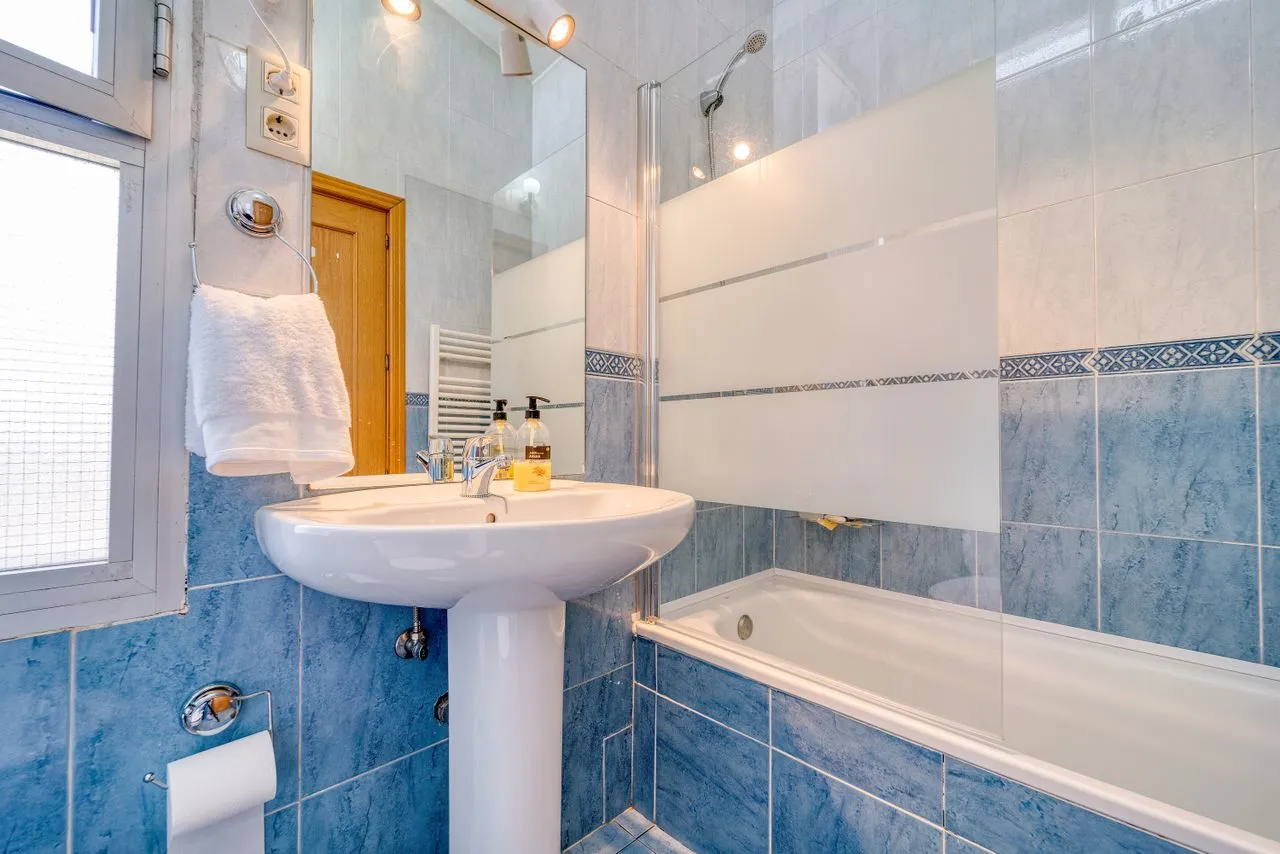
Small, tiled rooms cool quickly. A compact, rapid-warmth unit (6–7 MJ/h) often feels more comfortable than a larger model on a low setting, which can create stuffy humid air.
Heritage or draughty homes
Solid brick terraces with high ceilings can leak warmth. Boost capacity by 10–15 % or consider draft sealing before buying. For a broader look at fuel types and installation styles, this comparison of different gas heating options for Sydney homes breaks down flued, unflued and ducted setups in more depth.
5. When the Numbers Don’t Add Up: Undersized vs. Oversized Signs
- Heater runs continuously yet room never feels warm → likely undersized or insulation poor.
- Unit cycles on/off every few minutes → may be oversized, leading to temperature swings.
- Visible condensation or stale air despite short run times → capacity mismatch and poor ventilation.
- Hot and cold zones within the same room → airflow obstruction or incorrect placement.
If you notice any of these, revisit your calculations or ask a licensed gas fitter for a site assessment.
6. Where Professional Advice Fits In
DIY sizing tables are invaluable, but they can’t see hidden cavity gaps, irregular insulation or unusual rooflines. Before committing to a purchase or installation, consider seeking local gas heater repair experts to validate your numbers, confirm required flue lengths, and ensure your preferred location meets NSW regulations. A quick pre-purchase chat can spare you the cost of swapping an ill-matched appliance or re-running gas lines after walls are finished.
7. Final Thoughts
Matching heater capacity to each room’s true heat demand is the single easiest way to stay cosy, cut running costs and keep your appliance operating safely for years. Start with a tape measure, use the MJ/h guidelines as a sense-check, and adjust for insulation quality and micro-climate. When in doubt—especially in unique period homes or expansive open-plan layouts—professional confirmation can turn a rough estimate into a confident decision. A well-sized heater won’t just warm your house; it will warm it efficiently.

























Sign in to leave a comment.