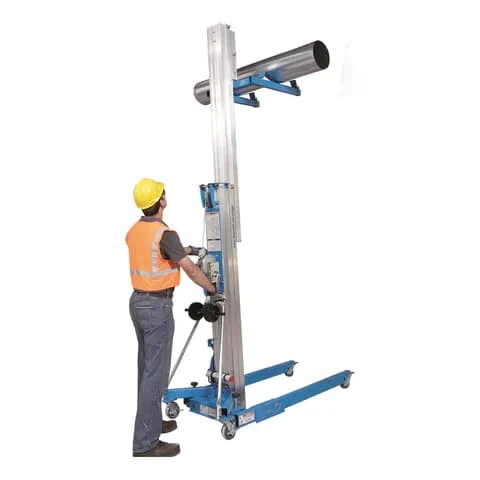

Selecting the correct access equipment is a critical decision for any project that involves working at height. From construction and maintenance to warehousing and event setup, having the right lift can significantly improve safety, efficiency, and overall productivity. genie lifts are commonly chosen for their versatility and wide range of applications, but not every model is suitable for every task. Understanding how to match the right type of lift to the job at hand is essential for achieving the best results while minimizing risk.
This article explores the key considerations involved in choosing the right lift for different working environments and tasks. It breaks down lift types, job requirements, safety factors, and operational needs to help readers make informed decisions with confidence.
Understanding the Purpose of a Lift
Before selecting any equipment, it is important to clearly define the purpose it will serve. Lifts are designed to elevate people, tools, and materials safely to working heights that would otherwise be difficult or dangerous to reach.
Different tasks place different demands on access equipment. Some jobs require precise positioning in tight indoor spaces, while others need robust machines capable of handling uneven outdoor terrain. Clarifying the primary purpose of the lift sets the foundation for every other decision that follows.
Matching the Lift to the Task
The nature of the work itself plays a major role in determining the right lift. Tasks such as electrical installation, painting, cleaning, or structural inspection each have unique access requirements. Some require vertical reach only, while others need the ability to move horizontally over obstacles.
Understanding whether workers need to reach straight up, extend outward, or reposition frequently during the task helps narrow down the most suitable lift category.
Frequency and Duration of Use
Another important consideration is how often the lift will be used and for how long. Short term projects may prioritize ease of setup and transport, while long term or repeated use may require more durable features and higher load capacities.
Knowing the expected duration of use also influences decisions about power source, maintenance needs, and overall cost effectiveness.
Types of Lifts and Their Applications
There are several main categories of lifts, each designed for specific working conditions and access challenges. Understanding the strengths and limitations of each type is key to making the right choice.
Vertical Mast Lifts
Vertical mast lifts are designed for straight up and down movement, making them ideal for indoor environments with limited space. They are commonly used in warehouses, retail spaces, and facilities management tasks.
Their compact design allows them to fit through standard doorways and operate in narrow aisles. These lifts are well suited for jobs that require frequent repositioning at relatively low heights.
Scissor Lifts
Scissor lifts provide a stable platform that moves vertically and offers a larger working area. This makes them suitable for tasks that require multiple workers or a significant amount of equipment.
They are often used in construction, installation, and maintenance projects where a steady platform is essential. Depending on the model, scissor lifts can be used both indoors and outdoors.
Boom Lifts
Boom lifts are designed to provide both vertical and horizontal reach. They are ideal for accessing hard to reach areas, such as over obstacles or around structures.
These lifts are commonly used in construction, tree care, and building maintenance. Their ability to extend outward makes them highly versatile, but they typically require more space to operate safely.
Assessing the Working Environment
The environment in which the lift will be used has a major impact on the selection process. Factors such as space, surface conditions, and surrounding obstacles must all be carefully evaluated.
Indoor Versus Outdoor Use
Indoor environments often have height restrictions, narrow access points, and smooth floors. Lifts used indoors usually need compact dimensions, low noise levels, and zero emissions.
Outdoor environments present different challenges, including uneven terrain, weather exposure, and greater height requirements. Lifts designed for outdoor use typically feature more robust construction and enhanced stability.
Surface Conditions
The ground or floor surface plays a critical role in lift safety and performance. Smooth, level surfaces allow for a wider range of lift options, while rough or sloped terrain requires equipment specifically designed to handle those conditions.
Choosing a lift that is compatible with the surface helps prevent instability and reduces the risk of accidents.
Obstacles and Access Points
Overhead obstacles, doorways, and confined spaces can limit the type of lift that can be used. Measuring access points and identifying potential obstructions ahead of time ensures that the selected lift can reach the work area without difficulty.
This step is often overlooked but is essential for avoiding delays and equipment changes once the project is underway.
Determining Height and Reach Requirements
Accurately assessing height and reach needs is one of the most important aspects of lift selection. Choosing equipment that falls short of the required reach can compromise safety and efficiency.
Working Height Versus Platform Height
It is important to distinguish between working height and platform height. Working height refers to the maximum height a worker can safely reach, while platform height refers to how high the platform itself can be raised.
Understanding this difference helps ensure that the lift provides adequate reach for the task without pushing equipment beyond its intended limits.
Horizontal Reach Considerations
Some tasks require workers to reach outward rather than directly above. In these cases, horizontal reach becomes just as important as vertical height.
Selecting a lift with sufficient outreach allows workers to position themselves accurately without leaning or overextending, which can be dangerous.
Load Capacity and Platform Space
Every lift has a maximum load capacity that must not be exceeded. This includes the combined weight of workers, tools, and materials.
Calculating Total Load
Accurately estimating the total load helps prevent overloading, which can lead to mechanical failure or instability. It is always better to allow a margin of safety rather than operating at the maximum limit.
Considering future tasks or additional equipment can also help ensure that the lift remains suitable as project needs evolve.
Platform Size and Comfort
Platform space affects both comfort and productivity. A larger platform allows workers to move freely and keep tools within easy reach.
Choosing a platform size that matches the nature of the work reduces fatigue and improves overall efficiency, especially on longer tasks.
Power Source and Operational Needs
The power source of a lift influences where and how it can be used. Different power options offer different advantages depending on the environment and duration of use.
Electric Powered Lifts
Electric lifts are commonly used indoors due to their quiet operation and lack of emissions. They are well suited for enclosed spaces and areas with strict environmental requirements.
Battery life and charging time should be considered when planning extended use.
Fuel Powered Lifts
Lifts powered by fuel are typically used outdoors where ventilation is not an issue. They often provide greater power and are better suited for rough terrain.
Understanding fuel availability and refueling logistics helps ensure uninterrupted operation.
Safety and Compliance Considerations
Safety should always be a top priority when working at height. Choosing the right lift involves more than just matching specifications to tasks.
Operator Training
Proper training ensures that operators understand how to use the lift safely and effectively. Even the most advanced equipment can pose risks if used incorrectly.
Investing in training helps reduce accidents and improves overall job performance.
Regular Inspection and Maintenance
Routine inspection and maintenance are essential for keeping lifts in safe working condition. Checking key components before each use helps identify potential issues early.
Well maintained equipment not only lasts longer but also provides greater reliability on the job.
Planning for Transport and Storage
Transporting and storing lifts requires careful planning, especially for projects that involve multiple locations or limited storage space.
Ease of Transport
Some lifts are designed to be easily transported on trailers or in standard vehicles. Understanding transport requirements helps avoid logistical challenges.
Considering weight, dimensions, and loading methods ensures smooth movement between job sites.
Storage Requirements
Proper storage protects equipment from damage and extends its lifespan. Knowing where and how the lift will be stored when not in use is an important part of the planning process.
Conclusion
Choosing the right lift for a job involves a careful balance of task requirements, environment, safety, and operational needs. By understanding the different types of lifts available and evaluating factors such as height, reach, load capacity, and working conditions, decision makers can select equipment that supports both productivity and safety. Thoughtful planning and informed choices lead to smoother projects and better outcomes when working at height. For expert guidance and reliable access solutions, UK Lifting Store remains a trusted name in the industry.




















Sign in to leave a comment.