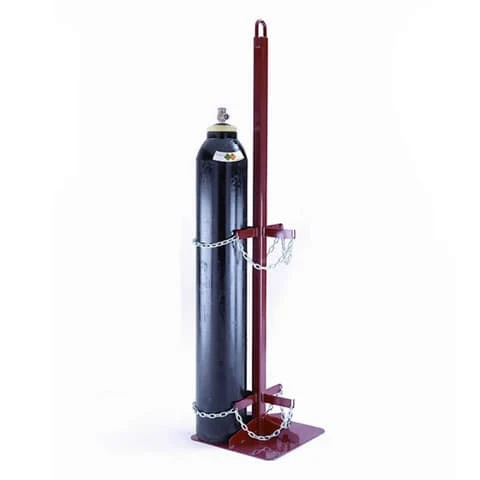

Industrial lifting operations demand equipment that delivers safety, efficiency, and reliability across a wide range of working environments. Among the many solutions available, the lifting cradle plays a critical role in handling heavy, awkward, or sensitive loads. These devices are designed to support items securely during lifting, lowering, and transportation, reducing the risk of damage to both materials and personnel. Understanding the different types of lifting cradles and their applications helps organizations choose the most suitable option for their operational needs.
This article explores the main categories of lifting cradles used in industrial settings, how they function, and the key factors that influence selection. By gaining a clear understanding of these systems, businesses can improve workplace safety and streamline material handling processes.
Understanding Lifting Cradles in Industrial Settings
What Is a Lifting Cradle
A lifting cradle is a specially engineered support structure used to hold and stabilize loads while they are being lifted by cranes, hoists, or other mechanical lifting equipment. Unlike simple slings or hooks, cradles distribute weight evenly across the load, which helps prevent stress points, slippage, or deformation. They are particularly valuable when dealing with irregular shapes, large components, or fragile materials.
Why Lifting Cradles Are Important
In industrial environments, loads are often heavy, expensive, or difficult to replace. Lifting cradles reduce the likelihood of accidents by providing controlled and balanced lifting. They also help maintain compliance with safety regulations and reduce downtime caused by damaged goods or equipment failures. For many industries, lifting cradles are not just helpful but essential.
Fixed Lifting Cradles
Design and Structure
Fixed lifting cradles are designed with a rigid frame that maintains a constant shape and size. These cradles are typically custom built to suit a specific load or product type. Their solid construction ensures consistent performance and high load capacity.
Common Applications
Fixed lifting cradles are widely used in manufacturing and heavy industry where the same components are lifted repeatedly. Examples include handling metal coils, machinery parts, or large fabricated assemblies. Because the cradle shape does not change, it offers excellent stability for repetitive lifting tasks.
Advantages and Limitations
The main advantage of fixed cradles is their strength and reliability. They are simple to use and require minimal adjustment. However, their lack of flexibility means they may not be suitable for handling loads of varying sizes or shapes. Storage space can also be a consideration due to their fixed dimensions.
Adjustable Lifting Cradles
Flexible Load Support
Adjustable lifting cradles are designed with movable components that allow the cradle to adapt to different load sizes and shapes. This flexibility makes them suitable for environments where lifting requirements change frequently.
Typical Industrial Uses
These cradles are commonly found in logistics centers, warehouses, and maintenance facilities. They are ideal for handling items such as containers, panels, or equipment that varies in dimension. Adjustable cradles help reduce the need for multiple lifting devices.
Key Benefits
The primary benefit of adjustable cradles is versatility. A single cradle can support multiple applications, which helps reduce equipment costs. On the other hand, adjustable mechanisms may require more frequent inspection and maintenance to ensure safe operation.
Pipe and Cylindrical Lifting Cradles
Specialized Shape Support
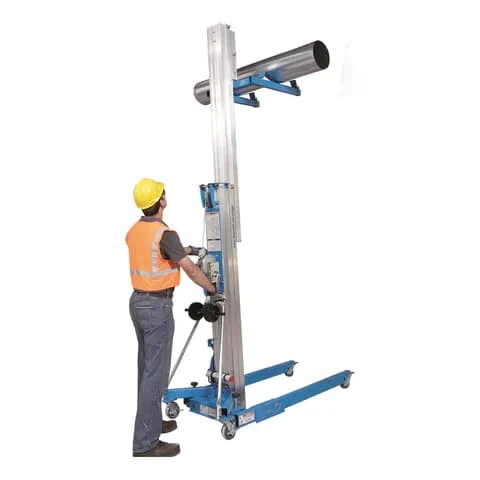
Pipe and cylindrical lifting cradles are specifically designed to support round objects such as pipes, tanks, and drums. Their curved surfaces cradle the load securely, preventing rolling or shifting during lifting.
Industry Applications
These cradles are essential in industries such as oil and gas, construction, and utilities. They are commonly used when installing pipelines or handling storage vessels. The design ensures that cylindrical loads remain stable throughout the lifting process.
Safety Considerations
By matching the shape of the load, these cradles significantly reduce the risk of slippage. Proper sizing and secure attachment to lifting equipment are critical to maintaining safety during operation.
Coil Lifting Cradles
Handling Heavy Coils
Coil lifting cradles are engineered to support heavy coils of steel, wire, or other materials. They typically feature a contoured base that evenly distributes the coil weight.
Manufacturing and Processing Use
These cradles are widely used in metal processing plants and manufacturing facilities. They allow coils to be lifted, rotated, and positioned accurately without causing damage to the material.
Operational Advantages
Coil cradles enhance safety by preventing coils from tipping or collapsing during lifting. They also improve efficiency by allowing precise placement, which reduces handling time and labor effort.
Modular Lifting Cradles
Configurable Design
Modular lifting cradles consist of interchangeable components that can be assembled in different configurations. This design allows users to tailor the cradle to specific lifting tasks without purchasing entirely new equipment.
Suitable Environments
Modular cradles are well suited for facilities that handle a wide variety of products. Industries such as aerospace, automotive, and heavy engineering often benefit from this adaptable approach.
Cost and Efficiency Benefits
The ability to reconfigure components makes modular cradles a cost effective solution. They reduce the need for multiple dedicated cradles and help optimize storage space when not in use.
Custom Built Lifting Cradles
Tailored Engineering Solutions
Custom built lifting cradles are designed to meet unique lifting challenges. Engineers work closely with end users to develop cradles that match specific load dimensions, weights, and handling requirements.
When Customization Is Necessary
Custom solutions are often required for oversized equipment, delicate components, or highly irregular shapes. Industries such as power generation, marine engineering, and infrastructure development frequently rely on custom cradles.
Long Term Value
While custom built cradles may involve higher initial costs, they offer long term value through improved safety, efficiency, and reduced risk of load damage. A well designed custom cradle can become a critical asset in complex lifting operations.
Key Factors When Choosing a Lifting Cradle
Load Weight and Dimensions
Understanding the weight and size of the load is essential. The cradle must be rated to handle the maximum load safely while providing proper support.
Material and Environment
The working environment influences material selection. Factors such as moisture, temperature, and exposure to chemicals can affect cradle performance and lifespan.
Compatibility With Lifting Equipment
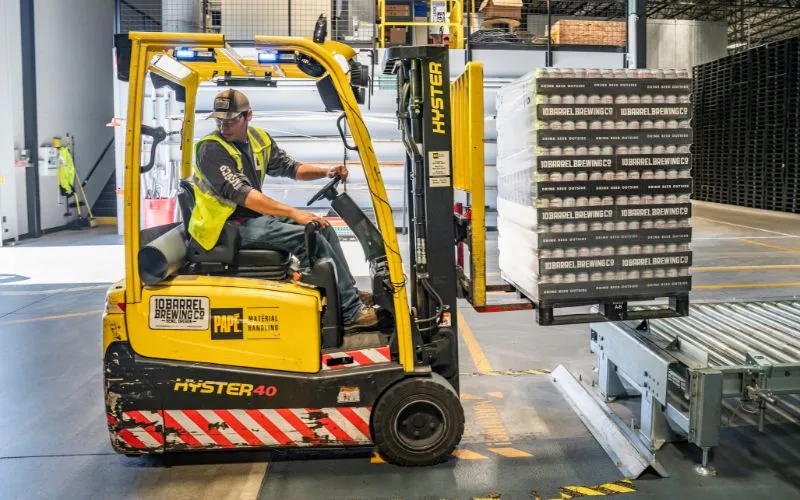
The cradle must integrate smoothly with existing cranes, hoists, or forklifts. Proper attachment points and balance are crucial for safe lifting.
Compliance and Safety Standards
All lifting cradles should meet relevant safety standards and undergo regular inspection. Compliance helps protect workers and ensures reliable operation over time.
Conclusion
Lifting cradles are a vital component of safe and efficient industrial material handling. From fixed and adjustable designs to specialized solutions for coils, pipes, and custom loads, each type serves a specific purpose. By understanding these options and selecting the right cradle for each application, industries can improve safety, protect valuable assets, and enhance operational efficiency.
For expert guidance and a wide range of lifting solutions, businesses can rely on UK Lifting Store to support their industrial lifting requirements with knowledge and experience.





















Sign in to leave a comment.