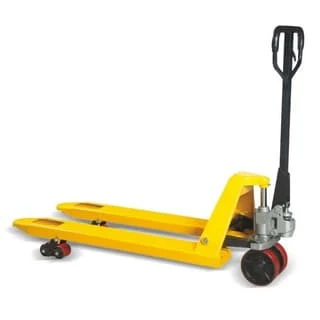

Efficient material handling is the backbone of any warehouse, retail store, or logistics operation. The ability to move goods quickly and safely has a direct impact on productivity, employee wellbeing, and overall operational costs. One of the most widely used tools for this purpose is the pallet truck, a practical and reliable solution designed to transport palletised goods with ease. Choosing the right equipment is not simply about cost, but about finding a model that aligns with operational needs, safety requirements, and long term business goals.
A pallet truck is more than just a basic handling tool; it is an essential asset that supports daily workflow. With a wide range of models available, selecting the correct type requires a clear understanding of capacity, environment, and usage frequency. Businesses that invest in the right equipment benefit from smoother operations, improved efficiency, and reduced risk of workplace injuries.
Understanding What a Pallet Truck Is
Definition and Core Function
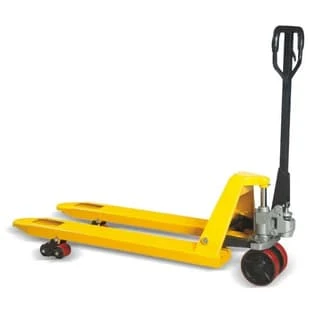
A pallet truck is a manual or powered device designed to lift and move palletised loads across short distances. It typically features forks that slide beneath a pallet and a hydraulic system that raises the load slightly off the ground for easy transport.
The main purpose of a pallet truck is to simplify the movement of goods within a warehouse or storage environment. By reducing the need for manual lifting, it helps improve productivity and minimises physical strain on workers.
Common Features and Design
Most pallet truck models include a steering handle, hydraulic pump, load wheels, and forks. The handle allows the operator to control lifting, lowering, and steering, while the hydraulic mechanism provides the force needed to raise heavy loads.
The design of a pallet truck is intentionally simple, making it easy to operate and maintain. This straightforward construction ensures reliable performance in busy and demanding work environments.
Types of Pallet Truck Available
Manual Pallet Truck
The manual pallet truck is the most common type used in warehouses and retail settings. It is operated by hand and is ideal for moving lighter loads over short distances.
This version is cost effective, durable, and easy to maintain. A manual pallet truck is an excellent choice for businesses with moderate handling needs and limited budgets.
Electric and Powered Models
For larger operations or heavier loads, powered options are available. An electric pallet truck uses a motor to assist with lifting and movement, reducing the physical effort required by operators.
These models are particularly useful in high volume environments where efficiency and speed are essential. A powered pallet truck can significantly improve workflow while reducing worker fatigue.
Factors to Consider When Choosing a Pallet Truck
Load Capacity and Size
One of the most important factors when selecting a pallet truck is its load capacity. Businesses must assess the typical weight of the pallets they handle and choose equipment that can safely support that load.
The size of the forks is also important. A pallet truck should match the dimensions of the pallets used in the warehouse to ensure stable and secure lifting.
Warehouse Layout and Space
The layout of the facility plays a key role in determining the right pallet truck. Narrow aisles and tight corners require compact and highly manoeuvrable designs.
For larger warehouses with wider pathways, a standard pallet truck may be sufficient. Choosing equipment that fits the environment helps improve efficiency and reduce the risk of accidents.
Safety Features and Ergonomics
Operator Safety
Safety is a critical consideration when selecting a pallet truck. Modern models often include features such as controlled lowering systems, anti slip handles, and durable wheels for improved stability.
A well designed pallet truck helps prevent accidents by ensuring loads remain balanced and easy to control during movement. This reduces the risk of injuries and product damage.
Ergonomic Design
Ergonomics play an important role in operator comfort and efficiency. A pallet truck with an easy to grip handle and smooth lifting mechanism reduces strain on the user.
Comfortable equipment allows workers to perform tasks more efficiently and with less fatigue. Over time, this contributes to improved productivity and a safer work environment.
Maintenance and Long Term Performance
Routine Maintenance Requirements
To ensure long term reliability, a pallet truck requires regular maintenance. This includes checking hydraulic fluid levels, inspecting wheels, and ensuring all components are functioning correctly.
Routine servicing helps prevent breakdowns and extends the lifespan of the pallet truck. Proper care ensures consistent performance and reduces unexpected repair costs.
Durability and Build Quality
The quality of materials used in a pallet truck directly impacts its durability. High quality steel construction and robust components ensure the equipment can withstand heavy use.
Investing in a well built pallet truck provides better long term value. Durable equipment reduces the need for frequent replacements and supports continuous operation.
Matching the Pallet Truck to Your Business Needs
Frequency of Use
The frequency with which equipment is used should influence the choice of pallet truck. Businesses with occasional handling needs may find manual models sufficient, while high volume operations benefit from powered versions.
Selecting the right pallet truck based on usage ensures optimal performance and prevents unnecessary wear and tear on the equipment.
Industry Specific Requirements
Different industries have unique material handling requirements. Retail environments may prioritise compact designs, while manufacturing facilities may require heavy duty equipment.
By choosing a pallet truck tailored to specific operational needs, businesses can improve efficiency and maintain a safe working environment.
Conclusion
Choosing the right pallet truck is an important decision that directly affects productivity, safety, and operational efficiency. From understanding load capacity and workspace layout to considering ergonomics and maintenance, each factor plays a role in selecting the most suitable equipment.
A well chosen pallet truck can streamline material handling, reduce physical strain on workers, and support long term business growth. By investing in reliable and high quality equipment, organisations can ensure smooth daily operations and improved workplace safety. For dependable solutions and expert support, businesses can confidently rely on UK Lifting Store.




















Sign in to leave a comment.