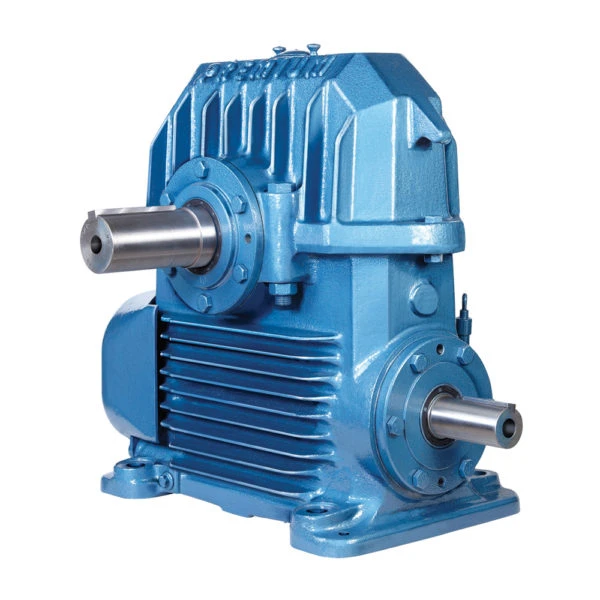

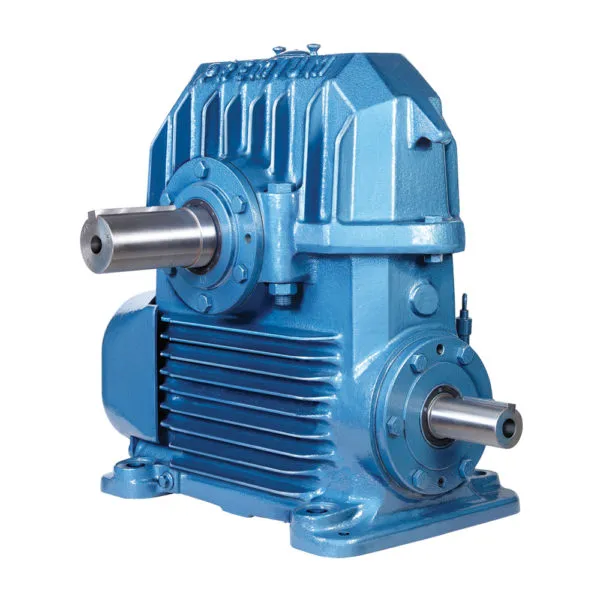
In the dynamic world of industrial operations, gearboxes play a vital role in ensuring the smooth transmission of power and torque. Whether it’s for heavy-duty machinery, conveyors, crushers, or material handling equipment, selecting the right industrial gearbox can significantly impact productivity, energy efficiency, and operational reliability. With evolving technologies and industry demands, understanding the factors that influence gearbox performance is essential for engineers and plant managers alike.
1. Understanding the Application Requirements
The first step in choosing a gearbox is to understand the specific application. Different operations require different gearbox types—be it helical, bevel, planetary, or worm gearboxes. Key factors to consider include:
- Torque and Speed Requirements: Ensure the gearbox delivers adequate torque without compromising speed.
- Load Conditions: Evaluate the type and variation of loads—steady, shock, or fluctuating.
- Duty Cycle: Continuous, intermittent, or variable operation will influence the gearbox design.
2. Efficiency and Power Transmission
Modern gearboxes are designed to offer high efficiency and minimal power losses. Gear geometry, material selection, and lubrication systems all contribute to performance. High-efficiency gearboxes not only save energy but also reduce operating costs over time. Look for gearboxes with:
- High mechanical efficiency (over 95% in some helical and planetary designs)
- Low heat generation
- Optimized gear tooth profiles for smooth engagement
3. Durability and Maintenance
Durability is critical in industrial environments where downtime is costly. Choose gearboxes made with high-grade materials and robust construction. Features that enhance longevity include:
- Heat-treated and hardened gears
- Sealed housings for dust and water resistance
- Effective cooling and lubrication systems
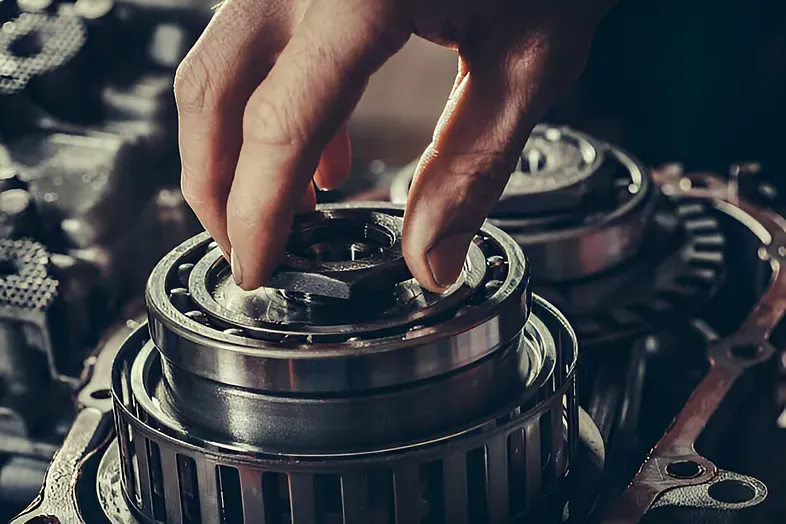
Additionally, consider ease of maintenance. Modular designs, standardized parts, and readily available service kits reduce downtime during repairs.
4. Space and Mounting Constraints
Industrial settings often have space limitations. Ensure the gearbox can be mounted in the desired orientation and fits within the designated area. Compact and lightweight gearboxes are especially beneficial for mobile or overhead applications.
5. Customization and Support
Sometimes off-the-shelf solutions aren’t enough. Having a partner who offers customization based on your machinery and operational goals is invaluable. For instance, Santram Engineers offers tailored gearbox solutions backed by decades of industry expertise and a strong focus on customer satisfaction.
6. Smart Gearboxes and IoT Integration
The future of industrial gearboxes lies in smart, connected systems. Integration with IoT sensors allows for real-time condition monitoring, predictive maintenance, and remote diagnostics. While still emerging, smart gearboxes are gaining popularity in critical operations where proactive maintenance is key to avoiding unexpected failures.
Conclusion
Selecting the right industrial gearbox is more than just picking a part—it’s about enhancing your operation's performance, reliability, and cost-efficiency. By understanding application needs and leveraging advancements in gearbox technology, you can make informed decisions that pay dividends in the long run.
Need help finding the perfect fit for your application? Start by evaluating torque, load, and efficiency requirements—and partner with experts who understand the value of precision engineering.
























Sign in to leave a comment.