
In today’s digital-first world, network security is no longer optional — it’s a critical component of doing business. As cyber threats grow in sophistication, businesses of all sizes must protect their digital assets with reliable and comprehensive security solutions. Choosing the right network security platform provider can be the difference between seamless protection and potential vulnerabilities. But with so many options available, how do you make the right choice?
In this article, we’ll walk you through the key factors to consider when selecting a network security platform provider and offer guidance to ensure you choose a solution that fits your business needs perfectly.
Why Network Security Matters More Than Ever
Cyberattacks are on the rise. From ransomware to phishing scams and sophisticated data breaches, businesses face constant threats. A successful cyberattack can result in financial loss, reputational damage, regulatory penalties, and even business closure.
A strong network security platform:
- Protects sensitive company and customer data
- Helps maintain customer trust
- Ensures regulatory compliance
- Reduces downtime from security incidents
- Safeguards intellectual property
In short, investing in the right network security provider is an investment in the long-term success and stability of your business.
Key Factors to Consider When Choosing a Provider
Not all network security platforms are created equal. Here are the essential factors you should evaluate:
1. Comprehensive Security Coverage
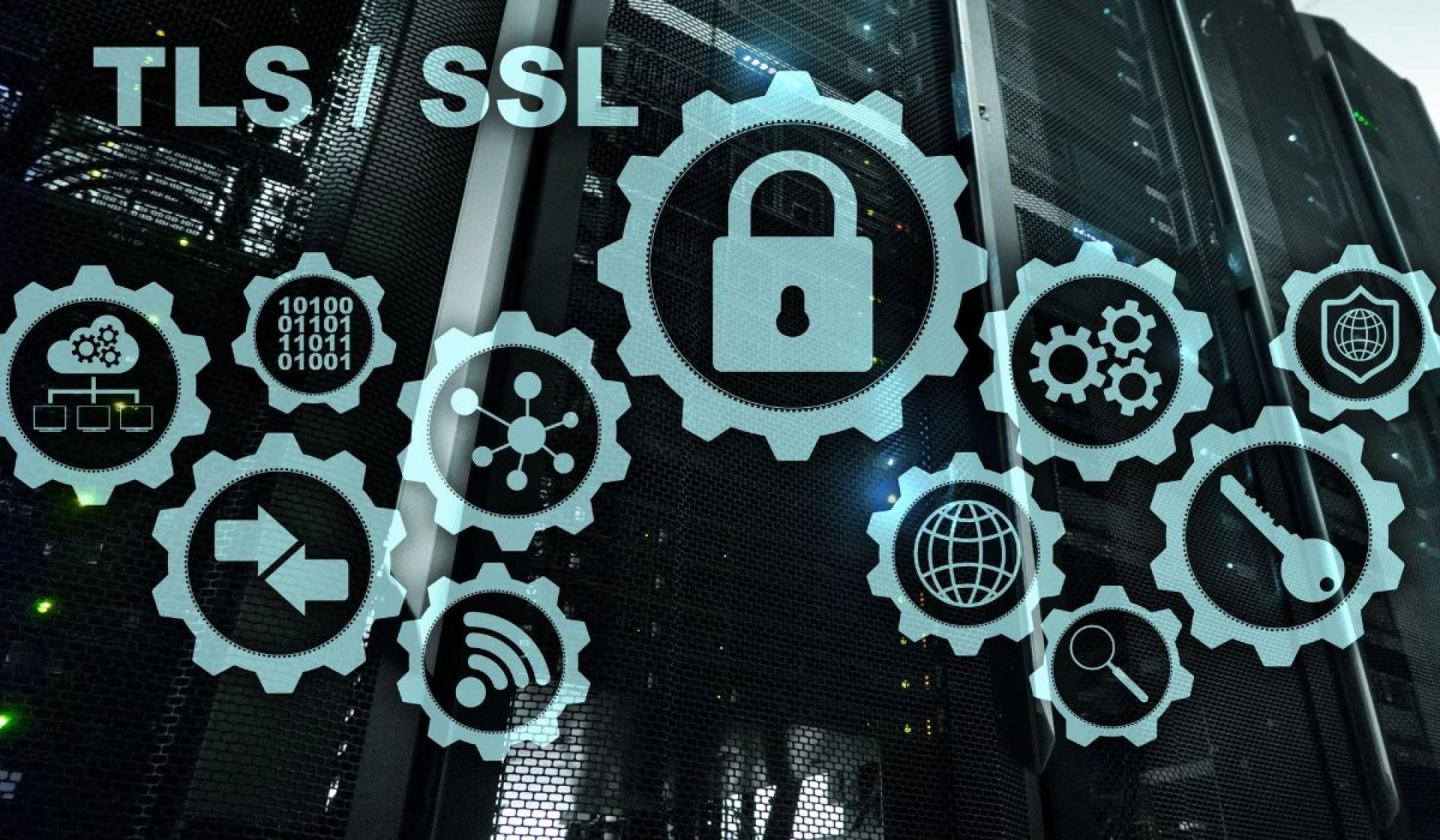
Your provider should offer a complete suite of security services, including but not limited to:
- Firewall protection
- Intrusion detection and prevention systems (IDPS)
- Advanced threat intelligence
- Endpoint protection
- Secure web gateways
- Cloud security
- Data loss prevention (DLP)
A comprehensive platform ensures all potential entry points are secured, not just one area of your network.
2. Scalability
Your business will grow, and so will your security needs. Choose a provider whose platform can easily scale with your business, whether you’re adding remote offices, supporting a hybrid workforce, or expanding into new markets.
Ask questions like:
- Can the platform handle increased traffic?
- Is it designed for multi-site deployment?
- How easily can additional services be integrated?
3. Ease of Deployment and Management
Look for a solution that offers straightforward setup and intuitive management tools. Complex systems that require heavy manual intervention can drain your IT team's time and resources.
Features to look for include:
- Centralized management dashboards
- Automation capabilities (such as automatic threat detection and response)
- User-friendly interfaces
- Cloud-based management options
4. Proven Performance and Reliability
Before signing on with any provider, evaluate their track record. Look for:
- Uptime guarantees (ideally 99.9% or higher)
- Client success stories or case studies
- Independent third-party evaluations (such as Gartner Magic Quadrant or Forrester Wave reports)
- Industry awards and certifications
A reliable provider will have a proven history of helping businesses defend against a wide range of threats.
5. Advanced Threat Intelligence and AI Integration
Today’s cyberattacks are evolving faster than traditional defenses can keep up. The best providers integrate artificial intelligence (AI) and machine learning (ML) into their platforms to enable:
- Predictive threat detection
- Real-time response
- Behavioral analysis
- Anomaly detection
AI-driven security solutions can proactively identify and neutralize threats before they become critical problems.
6. Customization and Flexibility
Your business has unique needs, and your security solution should reflect that. A top network security platform provider will offer customizable options that allow you to:
- Tailor policies based on departments, roles, or risk levels
- Integrate with your existing IT environment
- Adjust settings as your business evolves
Avoid "one-size-fits-all" providers unless their offering can be easily tailored to your needs.
7. Compliance Support
Depending on your industry, you may be subject to specific data protection regulations, such as:
- GDPR
- HIPAA
- PCI DSS
- SOC 2
The right provider should help you meet these regulatory requirements, providing built-in tools and reports to simplify audits and compliance checks.
8. Strong Customer Support and Service Level Agreements (SLAs)
When a security incident happens, response time is critical. Choose a provider that offers:
- 24/7 customer support
- Fast response times (clearly outlined in SLAs)
- Access to security experts when needed
- Proactive threat notifications and updates
Good support can make a world of difference in minimizing the impact of a security breach.
Questions to Ask Potential Providers
Before making your final decision, ask potential providers these critical questions:
- What threats does your platform defend against?
- How often are your threat detection systems updated?
- Can you provide case studies from businesses similar to mine?
- How do you ensure minimal downtime during upgrades or maintenance?
- What is your average incident response time?
- How does your pricing model work — are there hidden fees?
Getting clear answers will help you better assess whether a provider is the right fit.
Final Thoughts
Choosing the right network security platform provider is not just a technical decision — it's a strategic one. The right provider becomes a true partner, helping you navigate the complex world of cybersecurity, protect your assets, and enable business growth without fear.
Take your time to research, ask the right questions, and involve your IT and executive teams in the decision-making process. A little extra diligence upfront can save you time, money, and countless headaches down the road.



























Sign in to leave a comment.