
In today’s hyper-connected digital world, data centers form the backbone of enterprise IT infrastructure. They house critical data, applications, and services essential for business continuity and growth. With the rapid evolution of cyber threats and physical risks, securing data centers has never been more crucial. As we look ahead to 2025 and beyond, organizations must adopt robust strategies that combine technology, process, and people to protect their data assets effectively.
This article explores the best data center security solutions and data center security services that organizations can leverage to build resilient defenses. We will also highlight how managed data center security can be a game-changer for businesses looking to stay ahead of emerging threats.
Why Data Center Security Matters More Than Ever
Data centers are prime targets for cybercriminals due to the vast amounts of sensitive data they store. Breaches can lead to severe financial losses, reputational damage, regulatory penalties, and operational disruptions. Furthermore, physical threats such as unauthorized access, natural disasters, and equipment failures also pose significant risks.
The complexity of securing data centers grows as organizations embrace hybrid cloud environments, edge computing, and IoT devices, expanding the attack surface. Therefore, adopting best practices for data center security is not just an IT concern but a strategic business imperative.
Core Components of Data Center Security
Data center security encompasses multiple layers designed to protect both the physical infrastructure and digital assets. Effective protection integrates the following components:
1. Physical Security Controls
Physical security is the first line of defense. It prevents unauthorized personnel from accessing sensitive areas where servers and networking equipment reside. Best practices include:
- Multi-factor authentication for entry (biometrics, smart cards)
- Surveillance cameras with continuous monitoring
- Security personnel and visitor logs
- Secure fencing, barriers, and reinforced doors
- Environmental controls like fire suppression and climate monitoring
2. Network and Cybersecurity Measures
Digital security safeguards the data, applications, and communication channels inside the data center. Leading solutions include:
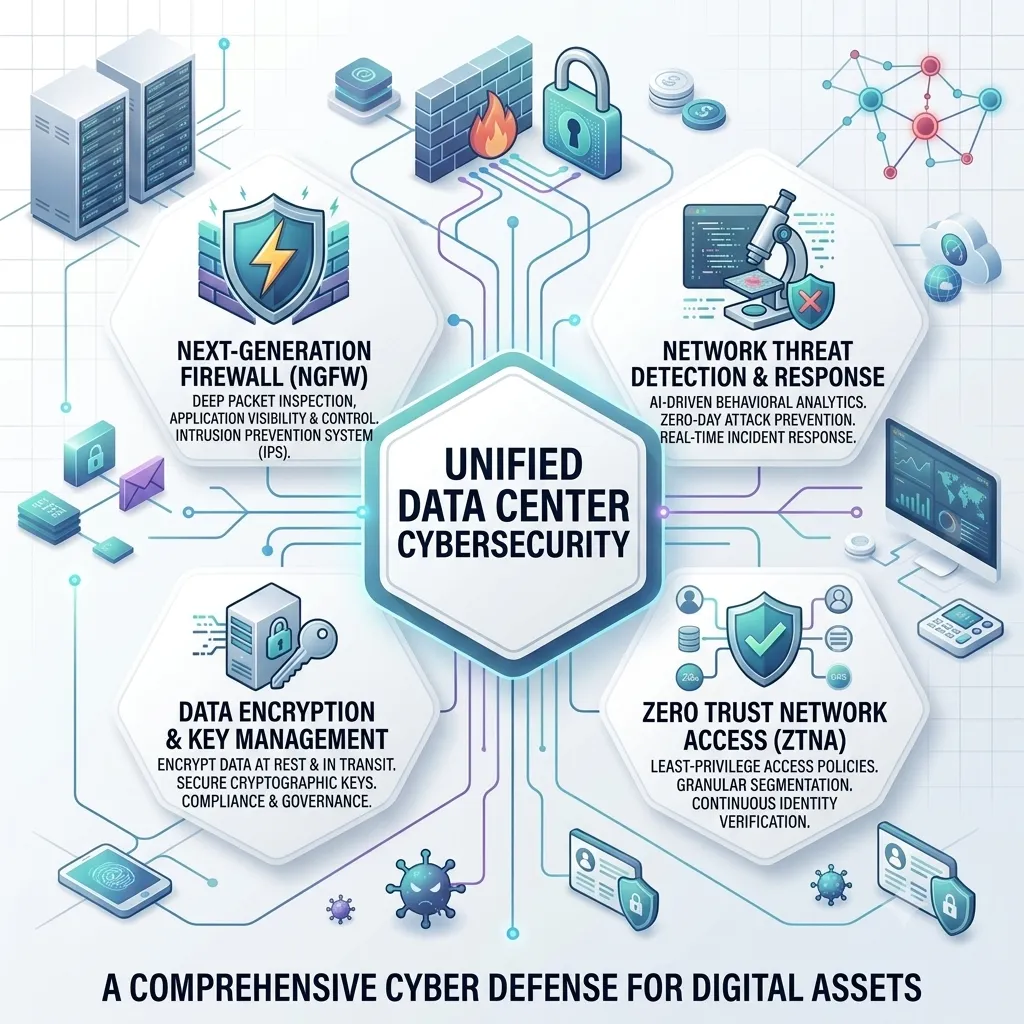
- Firewalls and intrusion detection/prevention systems (IDS/IPS)
- Encryption for data at rest and in transit
- Zero Trust Architecture to limit lateral movement inside the network
- Regular vulnerability assessments and penetration testing
- Patch management and endpoint protection
3. Access Management and Monitoring
Ensuring that only authorized users have the appropriate level of access minimizes insider threats and human error. Key practices involve:
- Role-based access control (RBAC)
- Continuous activity logging and real-time monitoring
- Automated alerts for suspicious activities
- Identity and access management (IAM) solutions integrated with single sign-on (SSO)
4. Backup and Disaster Recovery
No security plan is complete without robust backup and disaster recovery (DR) strategies to ensure business continuity in case of an incident.
- Regular data backups stored securely offsite or in the cloud
- DR plans tested frequently
- Redundant power supplies and network connectivity
Best Data Center Security Solutions for 2025 and Beyond
As threats become more sophisticated, relying on traditional security alone is insufficient. The future of data center security requires adopting advanced technologies and proactive approaches. Here are some of the best data center security solutions gaining traction:
Artificial Intelligence and Machine Learning
AI-powered tools analyze vast amounts of security data in real-time, identifying anomalies and potential threats faster than human operators. Machine learning models improve over time, adapting to new attack patterns and automating threat response.
Zero Trust Security Models
The Zero Trust framework assumes no user or device is inherently trustworthy, regardless of location. It enforces strict verification for every access request, reducing the risk of breaches caused by compromised credentials.
Micro-Segmentation
This approach divides the data center network into smaller, isolated segments. If an attacker breaches one segment, micro-segmentation limits their ability to move laterally across the network.
Cloud-Native Security Tools
With many data centers adopting hybrid or multi-cloud environments, security solutions that integrate seamlessly with cloud platforms are essential. These tools offer scalable protection, continuous compliance monitoring, and unified visibility across on-premises and cloud assets.
Leveraging Data Center Security Services and Managed Security
Many organizations face challenges managing complex security infrastructures internally, especially with the shortage of skilled cybersecurity professionals. This is where data center security services and managed data center security come into play.
What Are Data Center Security Services?
These services encompass a broad range of offerings from third-party providers, including physical security management, network security monitoring, vulnerability assessments, incident response, and compliance support. Providers bring deep expertise and access to cutting-edge tools to keep data centers secure.
The Benefits of Managed Data Center Security
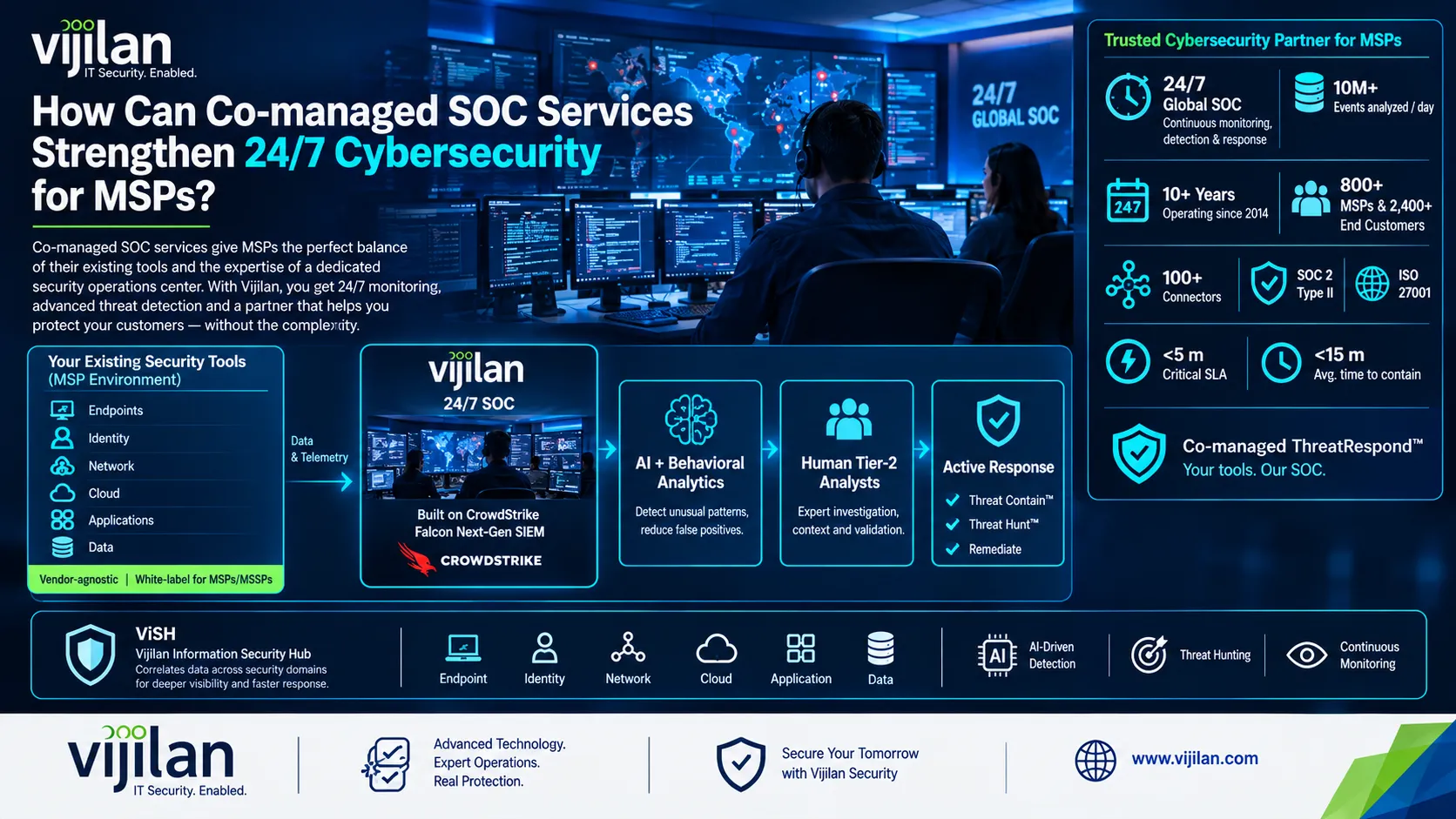
Managed security providers take on the responsibility of continuously monitoring, detecting, and responding to threats on behalf of the organization. Key advantages include:
- 24/7 security operations centers (SOCs) staffed by experts
- Rapid incident detection and mitigation
- Cost savings by avoiding in-house staffing and technology investments
- Access to the latest threat intelligence and tools
- Scalability to adapt to changing business needs
By partnering with managed security providers, businesses can focus on their core operations while ensuring their data centers remain protected against evolving risks.
Building a Strong Data Center Security Strategy
To prepare for 2025 and beyond, organizations should adopt a holistic, layered approach to data center security:
- Assess Risks and Requirements: Understand the specific threats facing your data center and compliance obligations.
- Implement Strong Physical and Digital Controls: Layer security measures to protect infrastructure and data comprehensively.
- Adopt Advanced Technologies: Integrate AI, Zero Trust, and cloud-native solutions to enhance detection and response.
- Engage with Data Center Security Services: Consider managed security for continuous protection and expert support.
- Train Staff and Foster Security Awareness: Human factors remain critical; regular training reduces the risk of social engineering attacks.
- Continuously Monitor and Improve: Security is an ongoing process. Regular audits, vulnerability scans, and updates keep defenses strong.
Conclusion
Data center security is a complex but vital challenge that requires a combination of people, processes, and technology to address effectively. As cyber threats grow more sophisticated and regulatory landscapes tighten, organizations must adopt the best data center security solutions and leverage data center security services tailored to their unique environments.
For many businesses, embracing managed data center security offers a pragmatic and efficient way to stay protected, ensuring round-the-clock defense without overburdening internal teams.
By prioritizing these best practices and continuously evolving their security posture, organizations can confidently protect their most valuable asset—their data—and thrive in the digital era well into 2025 and beyond.




















Sign in to leave a comment.