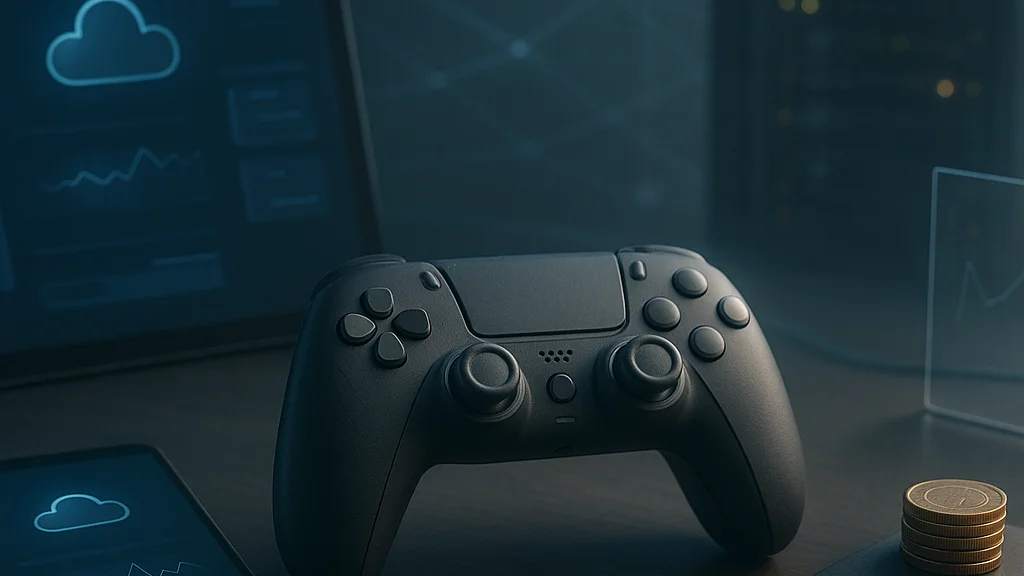

A crowded train, a boss fight, and the real promise of cloud gaming
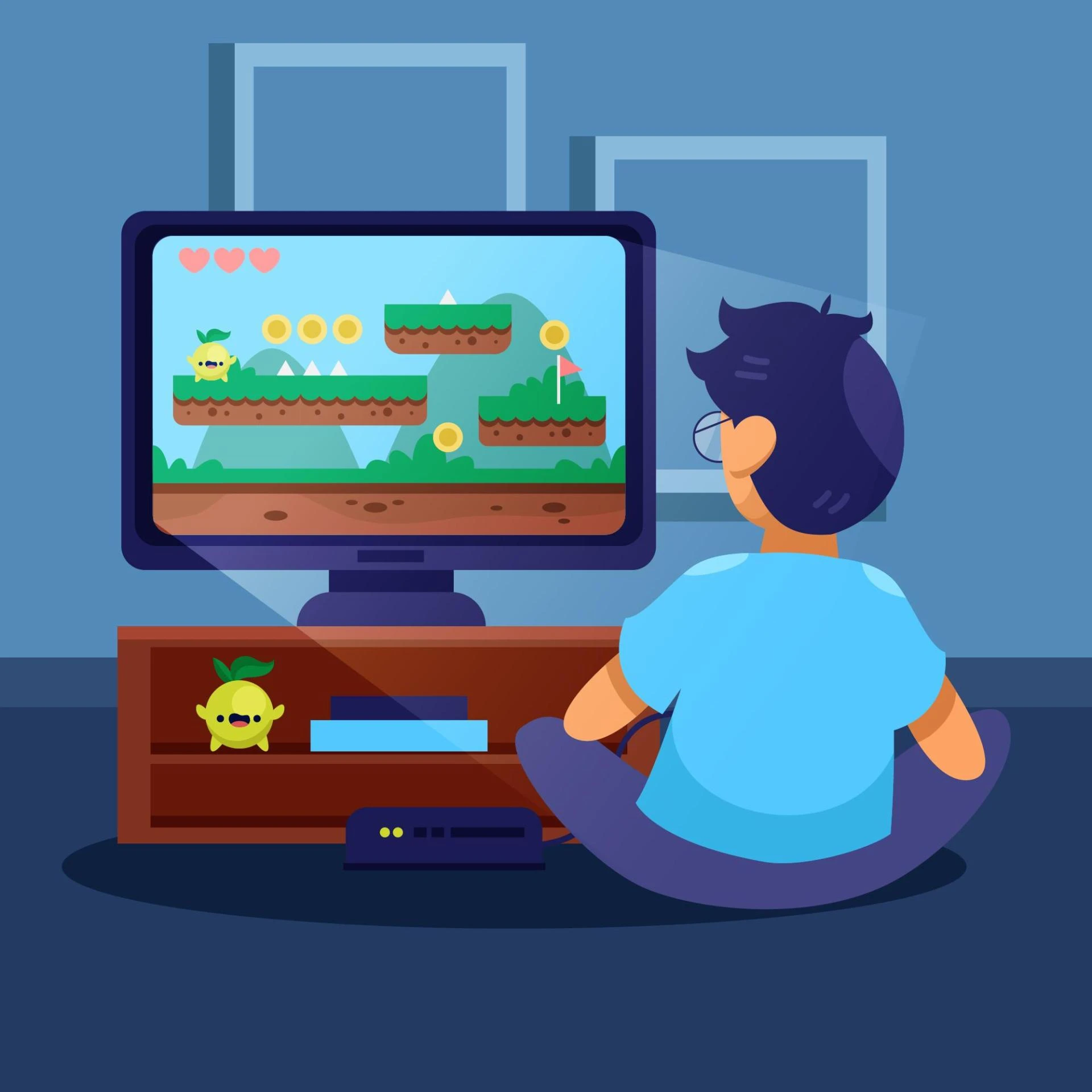
On the Yamanote Line in Tokyo, I once watched a commuter lock into a serious action game on a phone with the concentration of a tournament player. No console bag. No gaming laptop. Just a controller clip, stable signal, and pure focus. That scene captures why the phrase cloud gaming platforms compared matters so much now. The promise is not abstract anymore. It is practical: play high-end games on ordinary hardware, move between screens, and reduce the friction that usually stands between a player and a session. For busy players, students, families sharing one TV, or anyone who travels often, that convenience feels almost anime-futuristic. High tension!
Yet convenience alone does not decide the winner. A cloud gaming service lives or dies on four hard realities: latency, game library, business model, and regional infrastructure. Marketing often highlights the dream, but players quickly discover the details. Does the service let you stream games you already own, or must you subscribe to a separate catalog? Is 4K available, and if so, on what tier? What happens during peak evening congestion? Can you use keyboard and mouse, touch controls, or only a gamepad? These questions shape the real experience far more than glossy launch trailers.
Recent comparisons from Digit and GIZBOT underline a truth many enthusiasts already feel: there is no universal champion. NVIDIA GeForce NOW and Xbox Cloud Gaming, the two names most players mention first, solve different problems. One emphasizes streaming games from supported PC storefront libraries with premium visual options on higher tiers. The other focuses on subscription access and ecosystem convenience through Game Pass. Meanwhile, regional challengers and telecom-backed services continue to test whether local infrastructure can beat global brand power.
If you are just starting the research process, WriteUpCafe already has a useful foundation in Beginners Guide to Cloud Gaming Platforms Compared. But for experienced players trying to choose a service in 2026, the comparison has become more nuanced. The question is no longer whether cloud gaming works at all. The question is where it works best, for whom, and at what compromise.
Cloud gaming is no longer a novelty test. It is a service category where network quality, licensing strategy, and device flexibility matter more than hype.
How we got here: from impossible dream to everyday option
Veteran players remember when cloud gaming sounded like a technical magic trick that could never survive real-world internet conditions. Early services struggled with compression artifacts, noticeable input delay, and tiny libraries. Even when the concept was exciting, the execution often felt one generation behind local hardware. The idea was right; the timing was wrong. Broadband penetration, Wi-Fi quality, mobile data consistency, and data center reach simply were not mature enough across enough markets.
The shift began when three trends converged. First, hyperscale cloud infrastructure expanded. Second, consumers adopted faster home internet and better routers, while 5G improved mobile viability in many urban areas. Third, publishers and platform holders realized that subscription and access models could coexist with traditional game sales. Once those pieces aligned, cloud delivery stopped being a science project and became a strategic extension of gaming ecosystems.
Microsoft pushed hard by integrating cloud streaming into the broader Game Pass proposition. NVIDIA took a different route, leaning into the appeal of streaming supported games users already own through digital storefronts. That distinction remains one of the most important dividing lines in the market. One model says, “Here is a rotating buffet.” The other says, “Bring your purchases, and we will rent you the high-end machine.” Sony, Amazon Luna, and region-specific providers have also influenced the category, even when availability varies by market. Not every service is globally relevant, but each has helped define user expectations around price, convenience, and performance.
Another important milestone was the normalization of cross-device play. A service is much easier to embrace when a session can move from TV to tablet to laptop with minimal setup. This is where cloud gaming overlaps with broader digital lifestyle changes. Players no longer expect one fixed gaming station. They expect continuity. That mindset has also fueled related conversations on WriteUpCafe, especially in What You Need to Know About Cloud Gaming Platforms Compared, which explains why service architecture and content licensing are now central to buying decisions.
By 2026, the category is mature enough that failure points are more specific. People rarely ask, “Can cloud gaming work?” They ask, “Can it work for my favorite genres, in my region, on my connection, with my budget?” That is a much healthier and more realistic debate.
The major contenders and what each one actually sells
When players compare cloud platforms, confusion often begins with the word “platform” itself. Some services are really access subscriptions. Others are remote PC-like streaming layers. Some bundle games. Some do not. Comparing them fairly means understanding the product each company is truly offering.
NVIDIA GeForce NOW is best understood as a performance-oriented cloud PC gaming access service built around supported libraries from stores such as Steam, Epic Games Store, Ubisoft, and others, depending on region and publisher participation. Its strongest appeal is simple: if you already buy PC games, GeForce NOW may let you stream many of them without repurchasing. Higher tiers typically add stronger hardware allocation, better frame rates, and enhanced resolutions. For enthusiasts who care about image quality and responsiveness, this approach is very attractive.
Xbox Cloud Gaming, by contrast, is tightly linked to Microsoft’s subscription ecosystem. The core value is less about bringing your own purchases and more about instant access to a broad catalog through Game Pass benefits. That makes it extremely convenient for players who prioritize discovery, first-party releases, and low friction. If your gaming style is “I want something good to play right now,” Microsoft’s model is powerful. If your style is “I have already built a large PC library,” GeForce NOW often looks more economical over time.
Regional services also matter. A comparison from 91mobiles examined GeForce NOW versus JioGames Cloud, highlighting how telecom-backed offerings can compete on accessibility and local relevance even if they do not always match premium performance expectations. In emerging cloud gaming markets, local billing, bundled data offers, and proximity to servers can outweigh raw feature counts.
Here is the cleanest way to separate the main value propositions:
- GeForce NOW: best for players with existing PC game libraries who want premium streaming options and broad device support.
- Xbox Cloud Gaming: best for players who want a subscription-led content catalog with minimal setup and strong ecosystem integration.
- Regional telecom or local cloud services: best for players whose priority is affordability, local server access, or easy onboarding.
That is why one-size-fits-all rankings often frustrate readers. These services are not merely different brands selling the same product. They are different answers to different player needs. A serious comparison must begin there.
The smartest cloud gaming choice is usually not the most powerful service on paper. It is the service whose business model matches the way you already buy and play games.
Performance, latency, and image quality: where the battle is really won
Ask any fighting game fan in Akihabara or any shooter player grinding ranked matches late at night: performance is everything. Cloud gaming can survive a few missing catalog titles, but it cannot survive controls that feel soft or delayed. This is where the technical differences become visible even to non-technical users. You do not need a benchmark chart to know when a parry window feels wrong.
Latency depends on several stacked factors: distance to the data center, local network stability, Wi-Fi congestion, controller input path, server load, and the game’s own design tolerance. Turn-based RPGs, card battlers, and many strategy games can tolerate more delay than competitive shooters or rhythm titles. That means the “best” cloud platform may change depending on genre. A service that feels excellent for story-driven adventures can still disappoint in online multiplayer.
GeForce NOW has often earned praise for lower-latency feel and stronger visual settings on premium tiers, especially for users with fast connections and nearby infrastructure. Digit’s comparison emphasized feature differences between GeForce NOW and Xbox Cloud Gaming, while GIZBOT also focused on pricing, libraries, and technical trade-offs. Those comparisons align with what many players report: GeForce NOW tends to appeal to users chasing a closer-to-PC experience, while Xbox Cloud Gaming wins on convenience and content access.
Image quality is another underappreciated separator. Compression can flatten dark scenes, blur fine text, and create artifacting during high-motion sequences. This matters more than many executives admit. A stylish cel-shaded title may hide those issues better than a dense, realistic open-world game with foliage, rain, and rapid camera movement. In my own testing habits, anime-inspired visuals often survive streaming beautifully, while gritty photorealistic scenes reveal a service’s weaknesses immediately.
- For competitive genres: prioritize the service with the lowest effective latency in your region, even over library size.
- For cinematic single-player games: image quality and bitrate consistency matter almost as much as response time.
- For mobile-first play: interface readability, touch support, and connection recovery are major quality-of-life factors.
- For family use: ease of login, device switching, and parental controls may outrank raw performance.
One more point deserves attention. Cloud gaming does not erase hardware requirements completely; it relocates them. You may not need a powerful GPU, but you still need a reliable network path and a decent display. In other words, the bottleneck moves from silicon under your desk to infrastructure around your home and city. That is a profound change, and it explains why regional results vary so much.
Price, libraries, and hidden costs behind the subscription glow
Price comparisons in cloud gaming can be deceptive. A subscription fee looks simple, but the real cost depends on what games you want to play and what you already own. This is where many players make the wrong calculation. They compare monthly fees without accounting for library overlap, session habits, premium tier upgrades, and whether a service requires separate purchases.
Xbox Cloud Gaming benefits from the psychological power of abundance. If you subscribe for the broader Game Pass ecosystem and regularly sample multiple titles, the value can feel excellent. First-party releases and a rotating library create a strong “always something to try” rhythm. For players who do not maintain a large purchased library, this can be the most straightforward path into cloud gaming.
GeForce NOW creates value differently. If you already own dozens or hundreds of supported PC games from sales over many years, the service can unlock that sunk investment on weaker devices. But the phrase “supported” matters. Not every purchased game is streamable. Publisher participation and platform support remain key constraints. The result is a more personalized value equation. One player sees incredible efficiency; another sees frustrating gaps.
PC Tech Magazine’s 2026 trend coverage at PC Tech Magazine points to a wider industry pattern: mobile and cloud gaming are converging around convenience, cross-platform access, and subscription experimentation. That trend helps explain why billing simplicity has become a competitive weapon. Services that reduce mental friction often gain loyalty even when raw specs are not superior.
Watch for these hidden or indirect costs:
- Needing a higher subscription tier for better resolution or longer sessions.
- Buying separate controllers, clips, docks, or smart TV accessories.
- Paying for games outside the service if the catalog rotates out or never included them.
- Using more mobile data than expected when playing away from home.
- Accepting queue times on lower tiers, which may push heavy users toward pricier plans.
For households, the economics become even more interesting. A family that would otherwise buy one console and several games may find cloud access cheaper, especially if they already own compatible screens. But a dedicated enthusiast who plays one flagship title for hundreds of hours may still prefer local hardware for consistency. There is no shame in that. Cloud gaming is not replacing every use case. It is slicing into the market where flexibility matters most.
Readers looking for a framework-heavy breakdown can pair this article with Cloud Gaming Platforms Compared: Performance, Features, and Future Trends, which complements the pricing discussion with broader product criteria.
What changed recently in 2026
The cloud gaming conversation in 2026 feels more grounded than it did even two years ago. The biggest change is not a single dramatic launch. It is the normalization of cloud features inside larger ecosystems. Players increasingly treat streaming as one option among many rather than a separate hobby. That shift matters because it changes expectations. People now expect cloud saves, instant resume-like convenience, and account continuity across devices as standard behavior.
Another development is the growing influence of telecom and regional infrastructure partnerships. In markets where console penetration has historically been uneven or import pricing remains high, cloud gaming has become a genuine access strategy rather than a luxury experiment. Services tied to local carriers can package data, billing, and device compatibility in ways global brands sometimes struggle to match. The 91mobiles comparison involving JioGames Cloud is a useful example of how regional players are shaping the conversation, especially in mobile-first environments.
At the same time, the premium end of the market has become more demanding. Players paying for upper-tier cloud access now expect near-instant session starts, sharper image quality, and fewer compromises in supported devices. The gap between “playable” and “impressive” is where competition has intensified. This is especially visible in comparisons between GeForce NOW and Xbox Cloud Gaming, where the argument is no longer whether either service works, but which one better reflects a player’s priorities.
According to Reuters reporting across the broader games business over recent years, publishers and platform holders remain deeply focused on recurring revenue, ecosystem retention, and audience expansion beyond traditional hardware cycles. Cloud gaming fits that strategy neatly. It can lower entry barriers, extend the life of game catalogs, and keep users inside account systems where subscriptions, saves, and storefront spending reinforce one another.
One more subtle 2026 change deserves mention: smart TV and handheld-friendly usage has become a more serious battleground. The dream is simple and very Japanese in its elegance: sit down, pair a controller, continue where you left off, and enjoy. Services that make this process frictionless are gaining an edge with mainstream users who do not care about backend architecture. They care about convenience that feels invisible.
Who should choose what: practical recommendations by player type
After all the specs, the most useful comparison is still human. What kind of player are you? Whenever friends ask me this question after an event or a late-night session, I do not begin with teraflops or codec details. I begin with habits. How often do you play? What genres dominate your library? Do you already buy PC games? Do you want discovery or ownership continuity? Those answers usually reveal the right service very quickly.
Choose GeForce NOW first if you are a PC-centric player with an existing storefront library, especially if you care about visual quality and want your purchased games accessible on weaker hardware. It is also attractive for players who move between laptop, desktop, and handheld-style setups. If your joy comes from seeing your own collection travel with you, this model is elegant.
Choose Xbox Cloud Gaming first if you value simplicity, a broad playable catalog, and the comfort of an all-in-one subscription ecosystem. It works especially well for players who enjoy trying many titles rather than committing only to owned purchases. Families and casual users often appreciate this approach because the onboarding is easier and the content proposition is clearer.
Consider regional services if your country has strong local infrastructure partnerships, attractive pricing, or telecom bundles that reduce the total cost of entry. These platforms may not always win a global enthusiast comparison, but they can win the practical comparison that matters in your home.
- Best for existing PC libraries: GeForce NOW.
- Best for subscription discovery: Xbox Cloud Gaming.
- Best for local affordability and access: regional carrier-backed platforms.
- Best for competitive play: whichever service has the lowest tested latency in your exact region.
If you are still unsure, start with your internet reality, not your wishlist. Test on the screen and network you will actually use most. Evening congestion can tell a different story from a perfect midday demo. That is the kind of lesson every Tokyo Game Show floor setup hides from you! The show lights are bright; home Wi-Fi is honest.
Where cloud gaming goes next
The future of cloud gaming will not be decided by one killer app or one giant acquisition headline. It will be decided by boring things that become beautiful in practice: lower latency, better licensing coverage, clearer pricing, stronger regional presence, and smoother transitions between devices. The winners will be the companies that make cloud play feel less like a special mode and more like a natural extension of gaming life.
Several trends look especially important from here. First, hybrid ownership models will likely grow. Players want both subscription convenience and access to purchases they already made. Second, mobile-first design will become more central, not secondary. Interfaces, touch adaptation, and handheld ergonomics will matter more as cloud sessions increasingly begin on phones and tablets. Third, smart TV integration will continue to expand because it removes a hardware step for mainstream households.
There is also a cultural dimension. Cloud gaming can broaden access in regions where high-end hardware remains expensive or difficult to upgrade regularly. That does not mean local consoles and PCs disappear. It means the gate to participation opens wider. For younger players, that can be transformative. A decent screen and stable connection may become enough to join a gaming culture that once demanded far more expensive entry equipment.
Still, caution is healthy. Licensing volatility remains a real issue. A service can feel fantastic until a desired game is unsupported or removed. Network dependency also means cloud gaming can never be fully separated from infrastructure inequality. Urban users with fiber and strong 5G often experience a different reality from rural users or households with crowded bandwidth.
The most honest conclusion is also the most exciting. Cloud gaming platforms are no longer competing to prove they exist. They are competing to define what modern access to games should feel like. That is a much more serious contest. For players, it means more choice, more flexibility, and better service pressure across the industry. For the companies involved, it means there is no room for lazy execution anymore. If the stream stutters, if the library disappoints, if the pricing feels slippery, users will move on quickly.
My own verdict? Cloud gaming in 2026 is not a replacement for every local setup, but it is absolutely a core part of the gaming ecosystem now. The smartest way to compare platforms is not to ask which one is universally best. Ask which one best matches your library, your network, your screen habits, and your tolerance for trade-offs. Make that choice, pair the controller, and let's enjoy.



















Sign in to leave a comment.