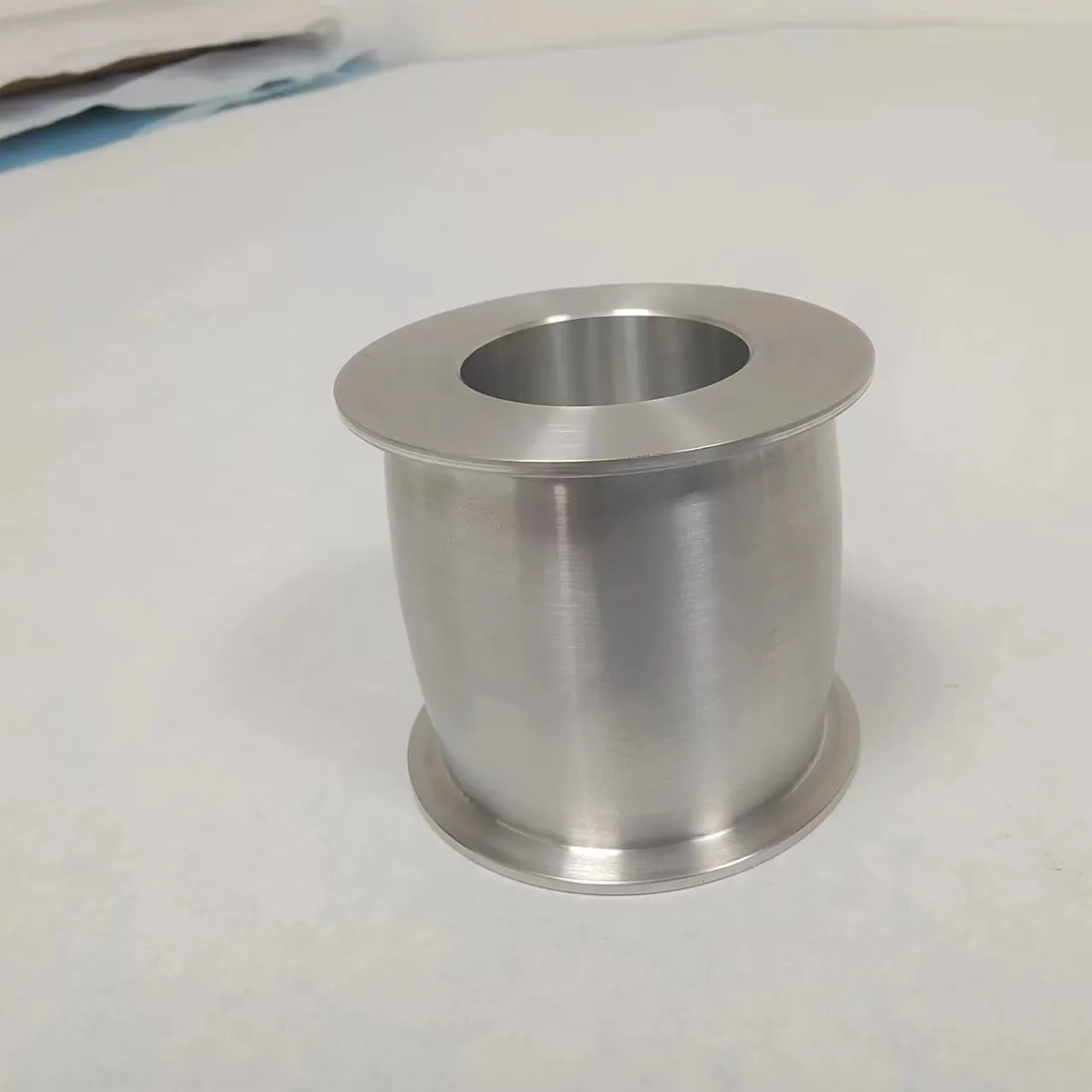

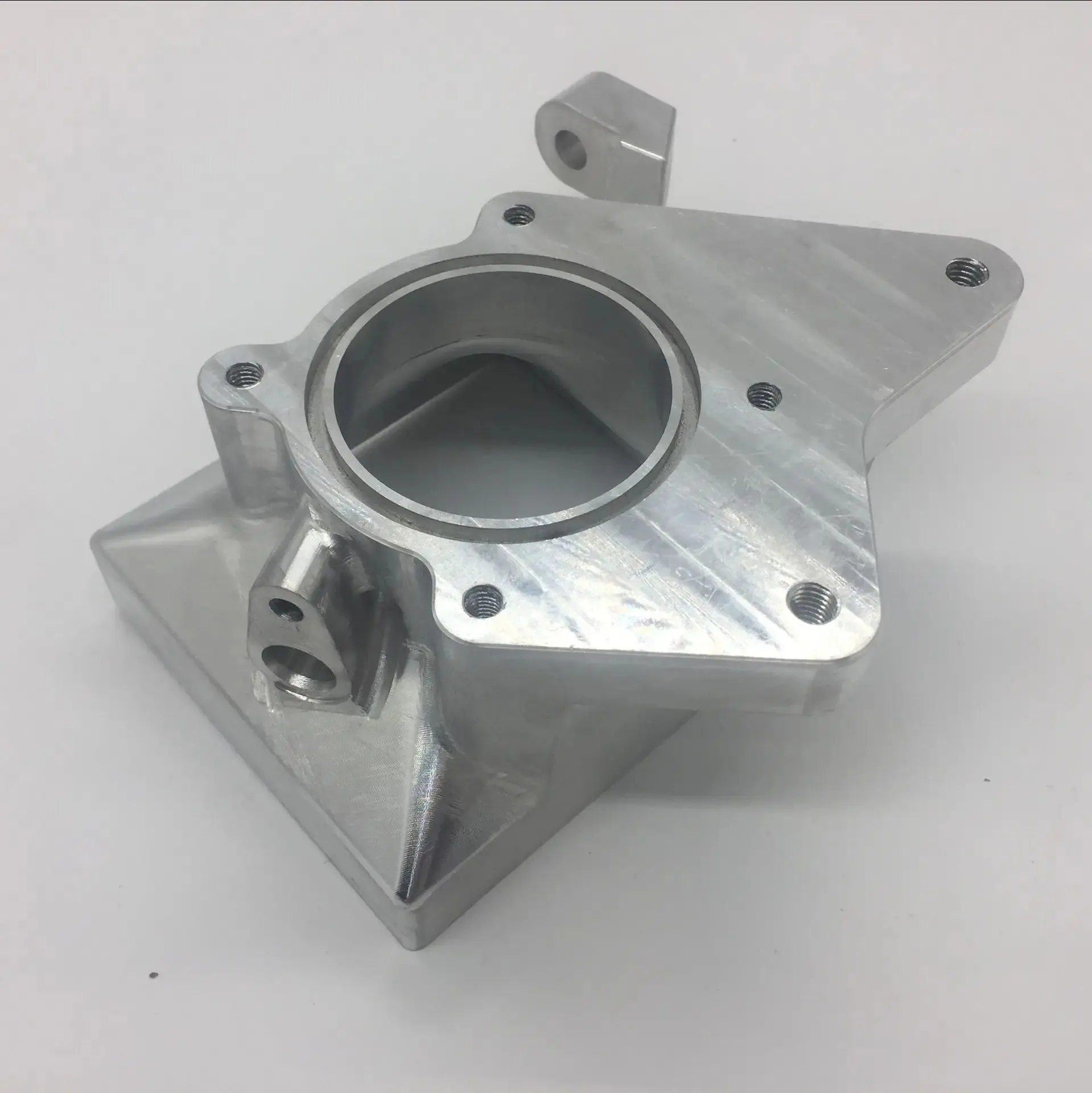
Securing a world-class CNC Machining Service is the critical factor in transforming complex CAD designs into high-performance industrial components. Proven manufacturing audits in 2026 indicate that utilizing 5-axis simultaneous machining can reduce setup times by 60% while achieving tolerances as tight as ±0.005mm on aerospace-grade geometries. This guide explores the essential capabilities of modern machine shops and provides a technical framework for evaluating spindle speeds, material versatility, and multi-axis synchronization to ensure your project meets the most demanding global standards.
1. 5-Axis Simultaneous vs. 3+2 Positioning
The most significant benchmark for a modern machining facility is its ability to handle complex, multi-sided geometries in a single setup.
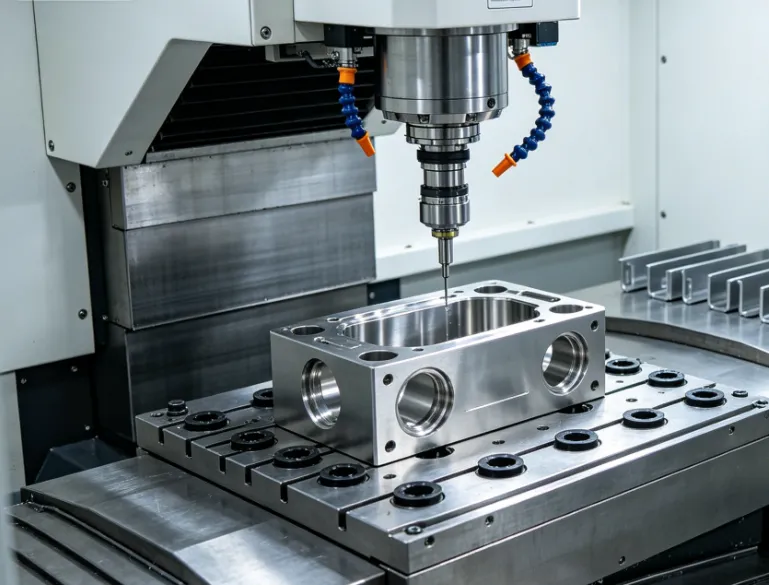
Traditional 3-axis machines are limited to vertical and horizontal movements, requiring multiple fixtures for complex parts, which introduces cumulative errors. A high-tier CNC machining service utilizes 5-axis simultaneous technology, allowing the cutting tool to approach the workpiece from any angle. This not only improves surface finish by maintaining optimal tool engagement but also eliminates the "stack-up" of tolerances that occurs when moving a part between different fixtures. You can explore how these advanced multi-axis workflows are implemented by visiting Baosheng Industry.
2. High-Speed Spindle Dynamics and Thermal Stability
For materials like aluminum or specialized plastics, the spindle speed and its thermal management dictate the final surface quality.
In 2026, leading shops utilize spindles capable of 20,000 RPM or higher, integrated with liquid-cooling systems to prevent thermal expansion of the tool holder. If a spindle lacks adequate thermal compensation, the heat generated during a long production run will cause the tool to "drift," leading to dimensional inaccuracies. When vetting a service provider, ask for their spindle vibration reports and their protocol for "warm-up" cycles, which are essential for stabilizing the machine’s internal geometry before precision cuts begin.
3. Substrate Versatility and Tooling Life Management
A robust machining partner must demonstrate expertise across a wide spectrum of materials, from soft polymers to hardened superalloys.
Machining titanium or Inconel requires significantly different torque and coolant strategies than machining 6061 aluminum. High-performance shops utilize specialized carbide coatings (like TiAlN or Diamond-like Carbon) and high-pressure through-spindle coolant (TSC) to manage the extreme heat generated by tough alloys. A critical industrial tip: ensure your provider uses real-time tool wear monitoring. This technology detects subtle changes in spindle load, allowing for tool changes before a worn edge compromises the part's tolerance or surface integrity.
4. Precision Metrology and Closed-Loop Quality Control
The "Quality" of a machining service is only as good as the equipment used to verify it.
In 2026, the industry standard has moved beyond manual calipers to automated Coordinate Measuring Machines (CMM) and laser scanning. Top-tier providers implement "On-Machine Probing," where the machine uses a wireless probe to measure the part while it is still in the fixture. This allows for real-time adjustments (offsets) to be made during the process. If a provider cannot supply a CMM report with localized data points for your critical dimensions, the risk of receiving "out-of-spec" parts increases exponentially.
5. Post-Processing Integration and Surface Finish Control
The machining process often concludes with specialized surface treatments to enhance corrosion resistance or aesthetic appeal.
A comprehensive service should offer integrated post-processing, such as Type II/III anodizing, bead blasting, or chemical passivation. Managing these processes under one roof ensures that the "fit and finish" of the component remains consistent. For instance, when specifying a "Class 3" thread fit, the machinist must calculate the exact material removal needed to account for the thickness of the subsequent plating or coating. Failure to coordinate these steps leads to parts that are dimensionally perfect after machining but fail to assemble after finishing.
Conclusion
Mastering the procurement of a CNC Machining Service requires a deep dive into the provider’s mechanical capabilities and quality infrastructure. By prioritizing 5-axis synchronization, spindle stability, and integrated metrology, you ensure that your components move from prototype to production with zero geometric compromise. Aligning your project with a shop that understands the synergy between material properties and tool dynamics is the only way to achieve true precision in the 2026 industrial landscape.



















Sign in to leave a comment.