
Determining What Color is Titanium involves more than a simple visual check; it is a diagnostic window into the material's purity and thermal history. Proven data in the medical and aerospace sectors shows that specific surface colors can indicate the presence of "Alpha Case" contamination, which reduces fatigue life by up to 30% .
This guide previews the transition from natural silver-gray to the vibrant hues of the electrochemical spectrum and provides a 2026 industrial perspective on how to achieve consistent color finishes through controlled anodization.
1. The Natural Metallic State: Luster vs. Passive Oxide
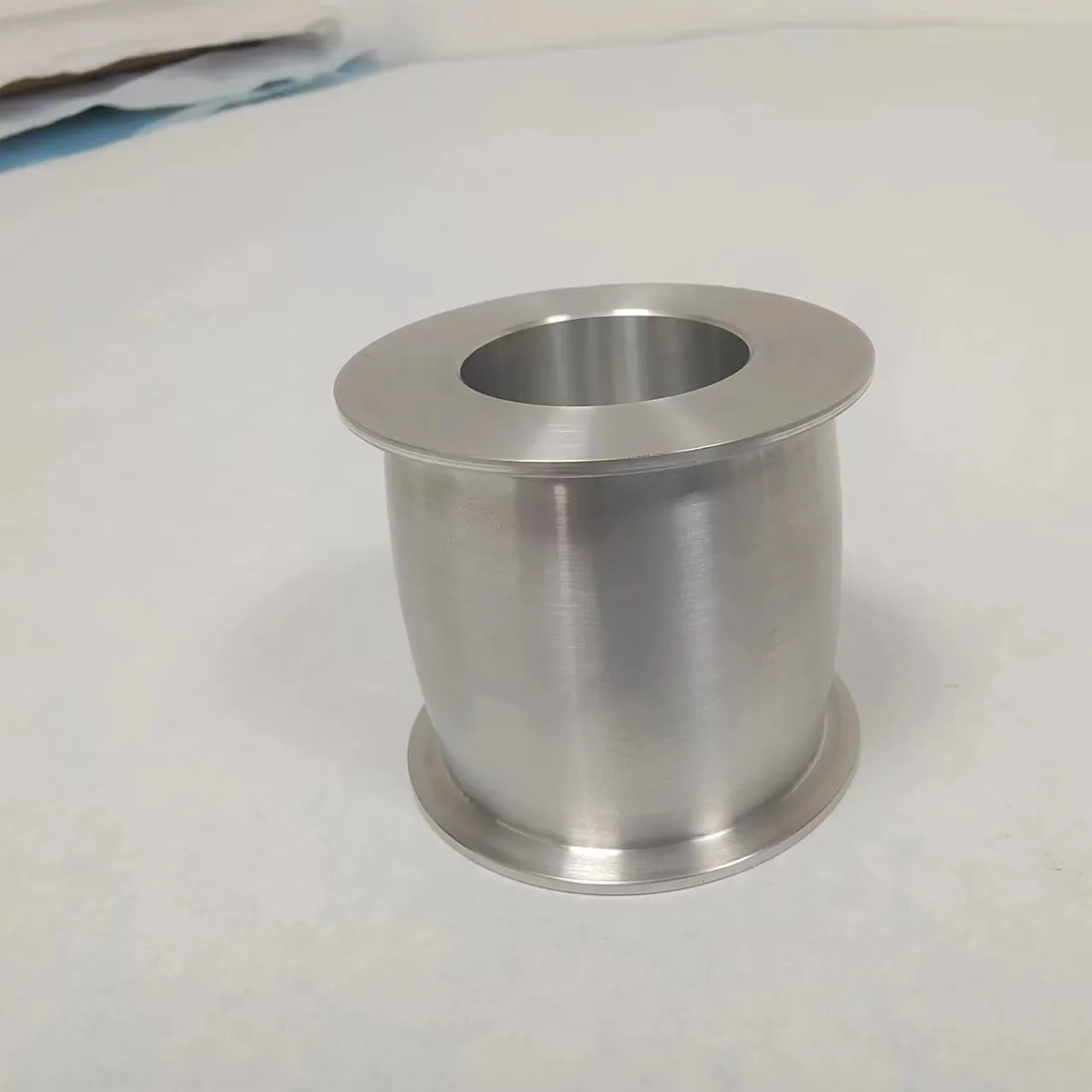
In its raw, unpolished state, titanium exhibits a medium-dark, dull gray color, often described as "gunmetal" or "smoke."
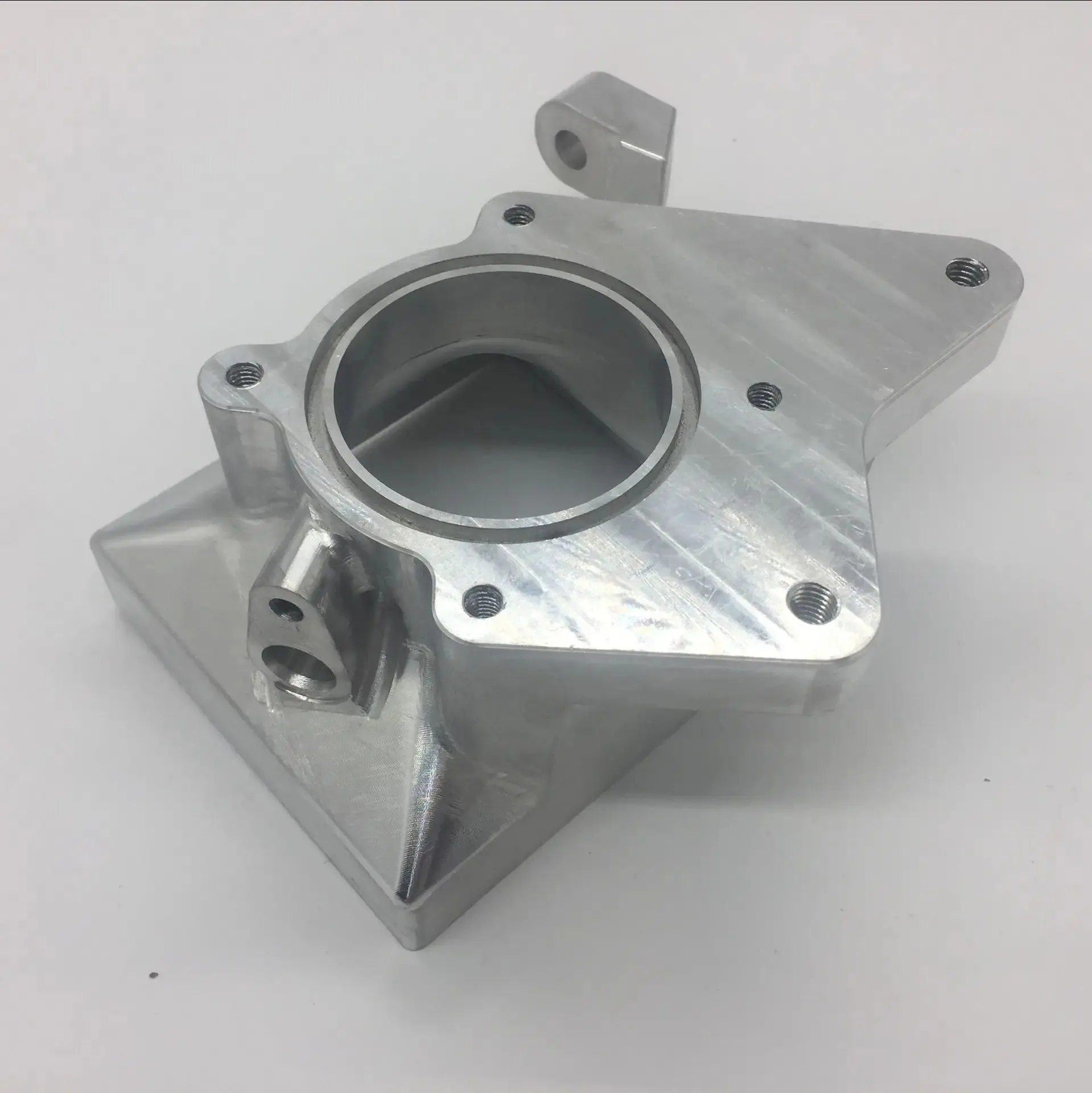
Once polished, fine-grade titanium (Grade 1-4) reveals a bright, silvery-white luster that is slightly darker and more "muted" than polished stainless steel. This unique tone is caused by the instantaneous formation of a passive TiO2 (Titanium Dioxide) layer upon exposure to oxygen. This layer is so thin (nanometers) that it remains transparent, but it is the foundation for all subsequent color variations. You can explore how these natural finishes are maintained in high-precision production at Baosheng Industry, where surface integrity is treated as a core mechanical property.
2. Anodization: Structural Color without Pigments
One of the most remarkable features of titanium is its ability to change color through a process called interference thin-film coating.
Unlike painting or plating, anodized titanium does not use dyes. Instead, an electrical current is used to grow the natural oxide layer to specific thicknesses. As light hits the surface, it reflects off both the top of the oxide and the metal underneath, creating "interference colors." Depending on the voltage applied, you can achieve a spectrum ranging from bronze (low voltage) to deep blue, cyan, and even vibrant "electric" green (high voltage). If you are still asking What Color is Titanium in the context of medical implants or high-end jewelry, this resource provides the voltage-to-color mapping required for repeatable results.
3. Thermal Tinting and Industrial Heat-Checking
In the workshop, the color of titanium acts as a built-in thermometer.
When titanium is heated in an open atmosphere, it undergoes thermal oxidation. This produces a predictable sequence of "heat tints": pale straw at 400°C, deep purple at 500°C, and dull gray or white at temperatures exceeding 700°C. In 2026, quality control inspectors use these colors to identify "Heat Affected Zones" (HAZ) in welds. If a weld appears blue or violet, it indicates a moderate intake of atmospheric gases; however, if the weld appears white or crumbly gray, it has become "burnt" and brittle, losing its structural integrity and requiring immediate rejection.
4. The Pitfalls of "Alpha Case" and Color Deviation
A significant industrial pitfall occurs when titanium is processed at high temperatures without an inert gas shield, leading to the formation of a brittle "Alpha Case."
Alpha Case is an oxygen-enriched layer that is significantly harder and more brittle than the core metal. Visually, it often manifests as a dull, matte gray or yellowish-white "skin" that lacks the metallic luster of the base alloy. In high-performance aerospace components, even a hint of this yellowish-white discoloration is a red flag. Modern finishing protocols often require "Chemical Milling" to strip away this discolored layer, ensuring that the finished part possesses the ductility and fatigue resistance specified in the design phase.
5. Surface Texture and Apparent Color Shifts
The perceived color of titanium is heavily influenced by its surface topography.
A "bead-blasted" titanium surface will appear significantly darker and more matte-gray than a "brushed" or "mirror-polished" surface, even if the alloy grade is identical. Blasting creates millions of microscopic pits that trap light, whereas polishing allows light to reflect cleanly. In 2026, many consumer electronics brands utilize "PVD" (Physical Vapor Deposition) coatings over titanium to achieve deep blacks or gold tones that are not possible through standard anodization. These coatings provide the aesthetic of other metals while retaining the superior strength-to-weight ratio of the titanium substrate.
Conclusion
Understanding What Color is Titanium allows engineers and designers to use the material’s natural properties as both an aesthetic asset and a diagnostic tool. By mastering the variables of anodization voltage and thermal oxidation, you can ensure your components not only look professional but also meet the rigorous safety standards of modern industry.
























Sign in to leave a comment.