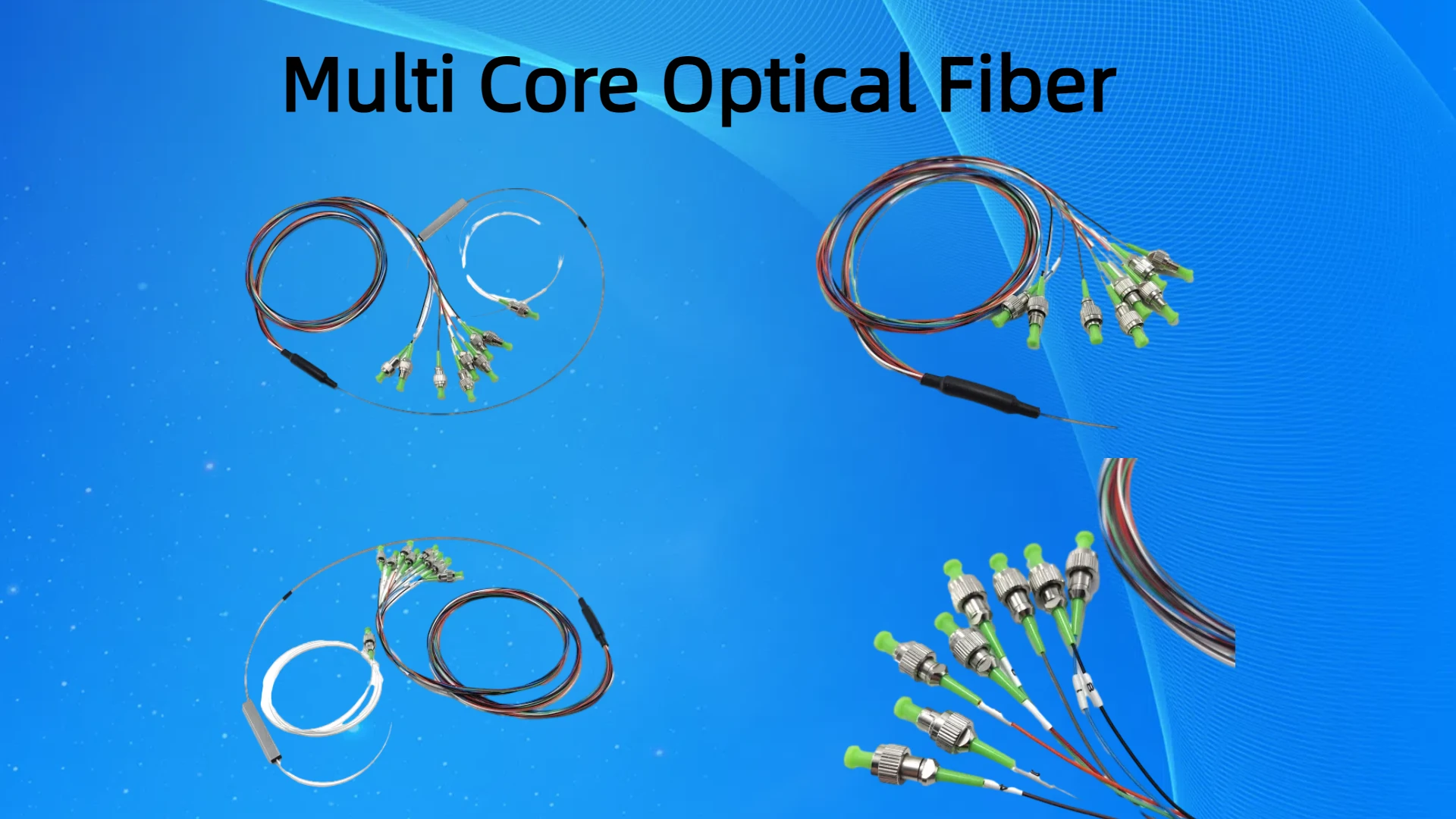

As the demand for high-speed data transmission continues to rise, traditional single-core fiber solutions are no longer sufficient for many modern network infrastructures. Enter multi-core fiber coupling connectors—compact, high-density connectivity solutions that bundle multiple fiber cores into a single connector. These connectors are revolutionizing how networks are deployed and scaled across data centers, telecom networks, industrial settings, and more. In this article, we explore the real-world applications of multi-core fiber connectors and how they are enhancing performance, efficiency, and scalability in various industries.
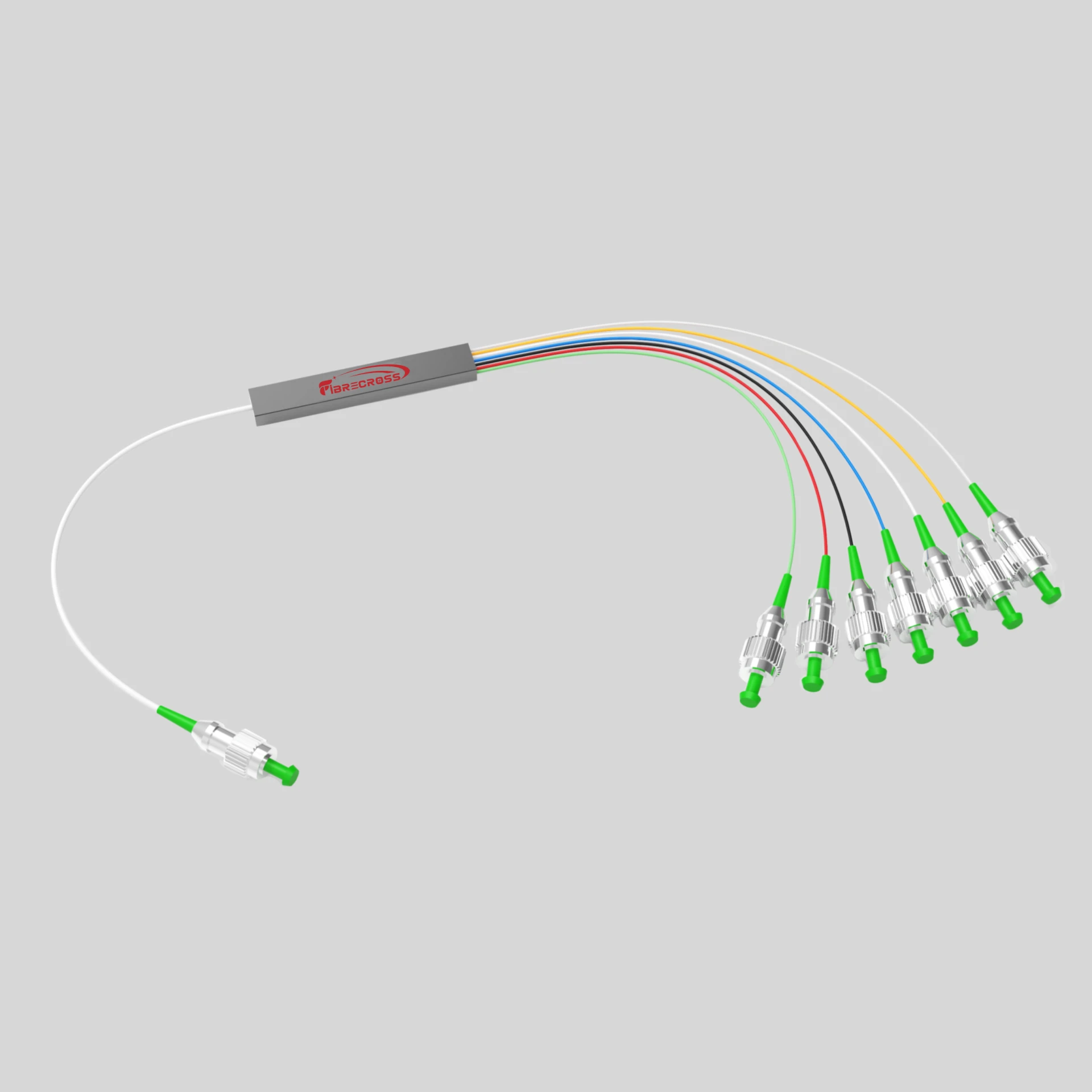
1. Data Centers: Managing High-Speed, High-Density Connectivity
Data centers are perhaps the most prominent use case for multi-core fiber connectors. As traffic and bandwidth requirements increase due to cloud services, AI workloads, and IoT devices, data centers must support ultra-fast and reliable data transmission across thousands of endpoints.
Key Applications:
- Trunk Cabling Systems: Multi-core connectors like MPO (Multi-Fiber Push-On) and MTP® are used to bundle multiple fiber links into a single connector. This supports 40G, 100G, 200G, and even 400G Ethernet transmission, depending on the fiber count and type.
- Rack-to-Rack and Server Interconnects: These connectors reduce cable clutter by consolidating connections between servers, switches, and storage units.
- Quick Deployments and Maintenance: Pre-terminated multi-core assemblies significantly shorten installation times and simplify moves, adds, and changes (MACs), essential in fast-paced data center environments.
2. Telecom and 5G Networks: Building Efficient Backbone Infrastructure
The telecom sector requires massive fiber density to connect mobile towers, baseband units (BBUs), and central offices. Multi-core fiber connectors streamline fiber management while ensuring reliable and scalable infrastructure for broadband and 5G networks.
Key Applications:
- Central Office Connectivity: Telecom operators use high-fiber-count connectors to handle dense cross-connections and simplify fiber routing in core network hubs.
- 5G Backhaul and Fronthaul: With 5G networks requiring high-speed fronthaul links between RRHs and BBUs, multi-core connectors reduce physical space requirements while supporting 10G/25G and beyond per channel.
- Dense Wavelength Division Multiplexing (DWDM) Systems: MPO/MTP connectors facilitate connectivity between DWDM modules and optical line terminals (OLTs), optimizing port usage and allowing for more efficient scaling.
3. High-Performance Computing (HPC): Supporting Ultra-Fast Interconnects
HPC environments demand extreme bandwidth and ultra-low latency to perform complex simulations, AI modeling, and scientific computations. Multi-core fiber connectors are vital for achieving the high-throughput interconnects required in these setups.
Key Applications:
- Inter-Node Communications: Supercomputers and AI clusters use InfiniBand or high-speed Ethernet connections between thousands of nodes. Multi-core connectors simplify the interconnection of these nodes while ensuring high signal integrity.
- Scalable Network Fabrics: As HPC systems evolve, multi-core cabling makes it easier to upgrade from 100G to 400G or higher by simply replacing transceivers and trunk cables.
- Dense Patch Panel Design: Compact MPO cassettes and patch panels optimize limited rack space while supporting rapid reconfiguration as system demands change.
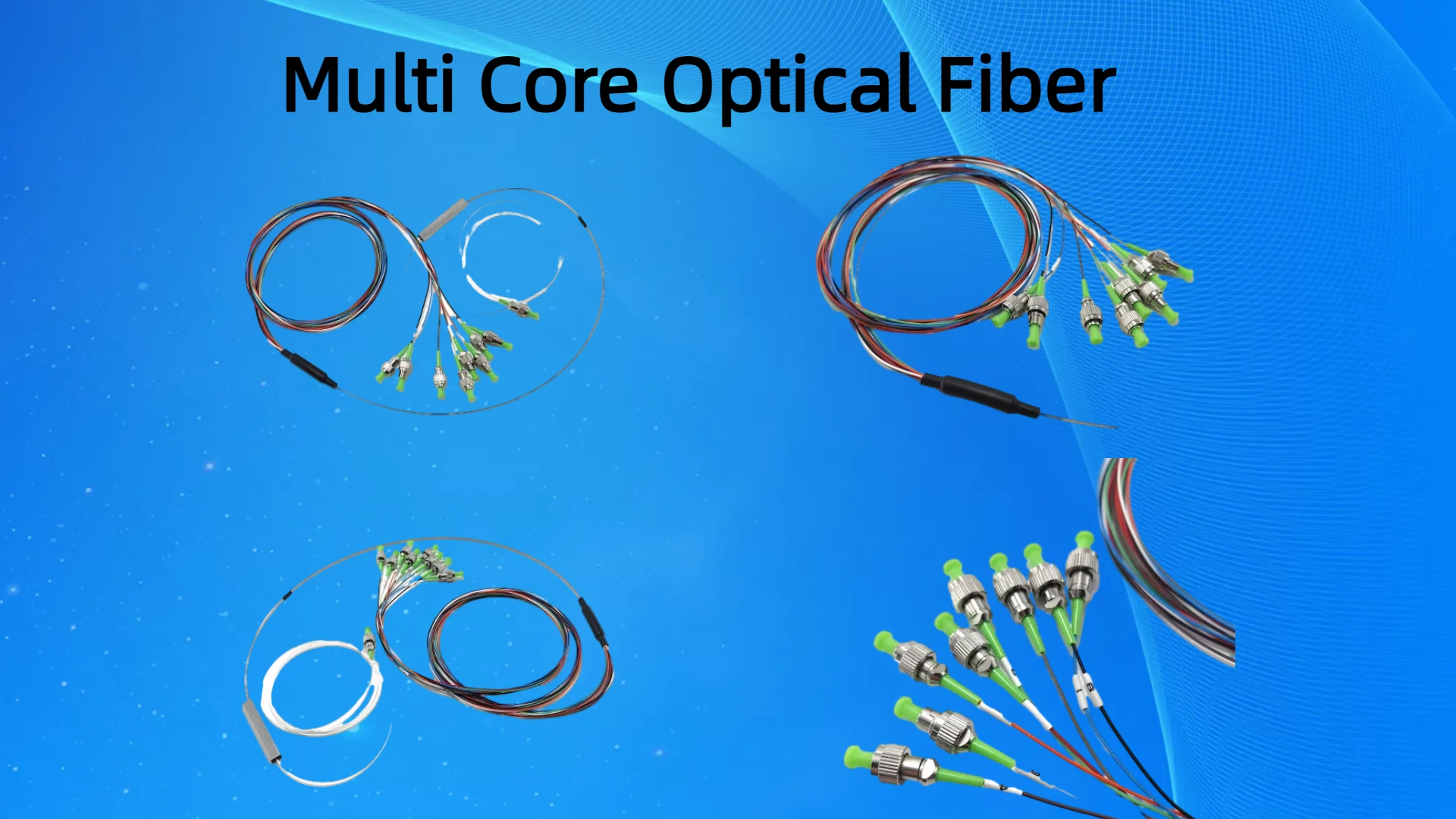
4. Enterprise and Campus Networks: Future-Proof Infrastructure
Multi-core fiber connectors also play an important role in campus and enterprise environments. These settings benefit from the ease of deployment and long-term scalability offered by such high-density solutions.
Key Applications:
- Building Backbone Cabling: Connect multiple floors or buildings with fewer, easier-to-manage cables using MPO/MTP-based solutions.
- Main and Intermediate Distribution Frames (MDFs/IDFs): Space-constrained telecom rooms benefit from using high-density connectors that reduce clutter and support higher bandwidths.
- Migration to Higher Ethernet Speeds: Enterprise networks can future-proof their infrastructure by installing multi-core trunks that support 10G today and 100G+ tomorrow with minimal changes.
5. Industrial and Transportation Systems: Rugged and Reliable Connectivity
In environments where space is limited and conditions are harsh, such as factories or rail systems, multi-core fiber connectors offer reliable performance in compact, protected formats.
Key Applications:
- Factory Automation: As industrial Ethernet becomes the norm for smart manufacturing, multi-core connectors are used for real-time communication between machines and control units.
- Railway Communication Systems: Connect signal controls, surveillance cameras, and information displays via centralized multi-core fiber links, reducing the number of cables installed along tracks.
- Aerospace and Defense: Environments that demand vibration-resistant, dust-proof connections rely on ruggedized MPO/MTP connectors with high mating durability.
6. Medical and Scientific Fields: Supporting Critical Data Flows
Medical institutions and research facilities are increasingly relying on multi-core fiber connectors for efficient and high-speed data transport, especially as image resolutions and data sizes grow.
Key Applications:
- Imaging Systems: MRI and CT scanners generate large image files that are transferred to storage servers using multi-core fiber trunks for immediate access and analysis.
- Remote Consultations and Telemedicine: High-resolution video and real-time data sharing between doctors and specialists rely on high-bandwidth links supported by compact fiber connections.
- Scientific Research Instruments: Large research projects such as genome sequencing or physics experiments often involve transmitting terabytes of data, where multi-core connectors support multiple concurrent high-speed data streams.
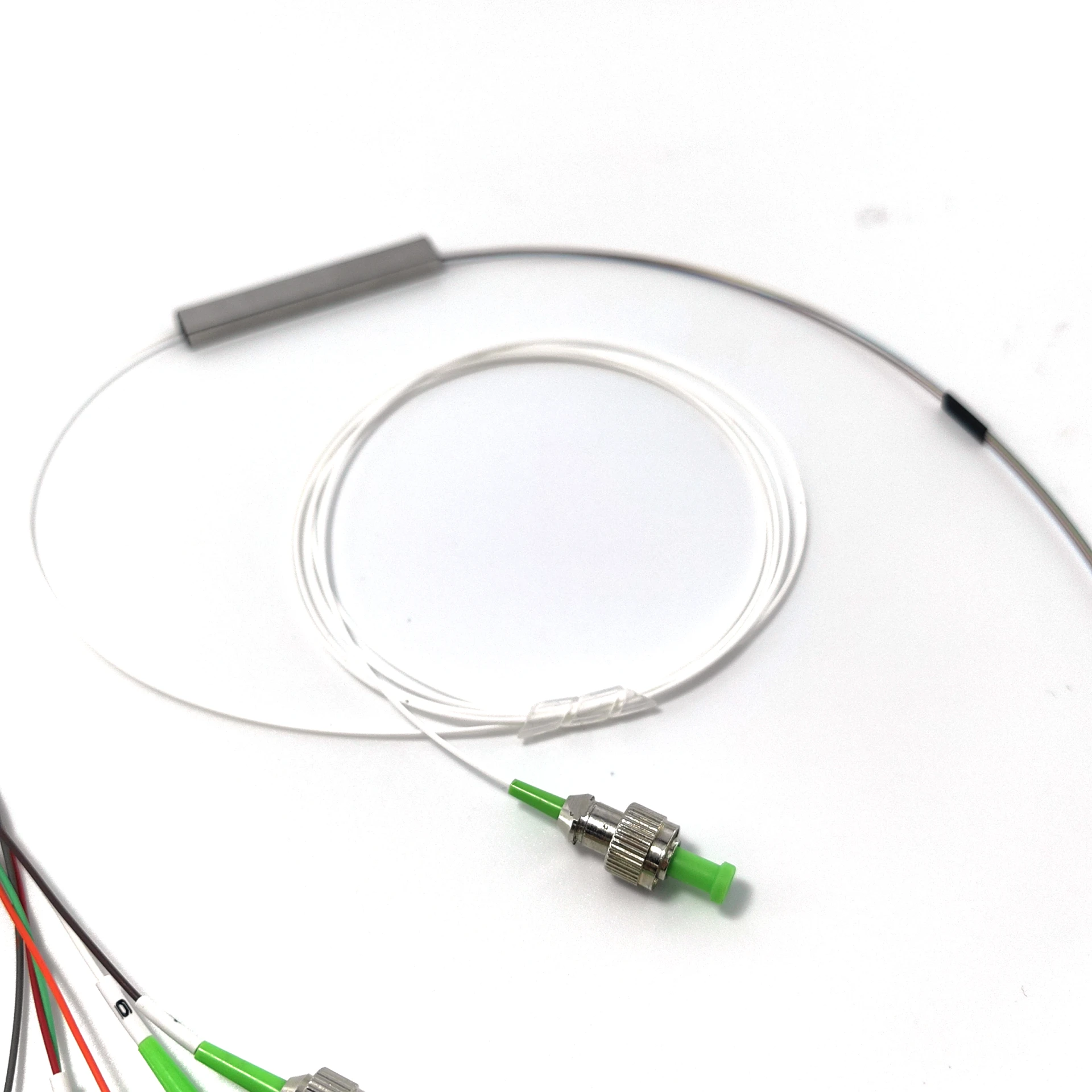
Benefits of Multi-Core Fiber Coupling Connectors Across All Applications
Regardless of the industry, these connectors offer universal advantages:
- Space Optimization: Reduce rack space and improve airflow.
- Scalability: Easily upgrade from 10G to 400G and beyond.
- Reduced Installation Time: Pre-terminated cables and modular designs save labor and cost.
- Cleaner Cable Management: Simplify the physical layout of large and complex fiber infrastructures.
- Lower Maintenance Costs: Fewer points of failure and easier troubleshooting.
Conclusion
The adoption of multi-core fiber coupling connectors is accelerating across industries that require reliable, scalable, and space-efficient connectivity. Whether it's to support growing cloud workloads, enable the rollout of 5G, or power AI computation clusters, these connectors are key to modern network infrastructure.
From reducing installation complexity in data centers to enabling robust communication in factories and medical systems, multi-core fiber connectors are no longer optional—they’re essential. Businesses and network planners looking to future-proof their infrastructure should consider integrating these high-density solutions to meet the demands of tomorrow.























Sign in to leave a comment.