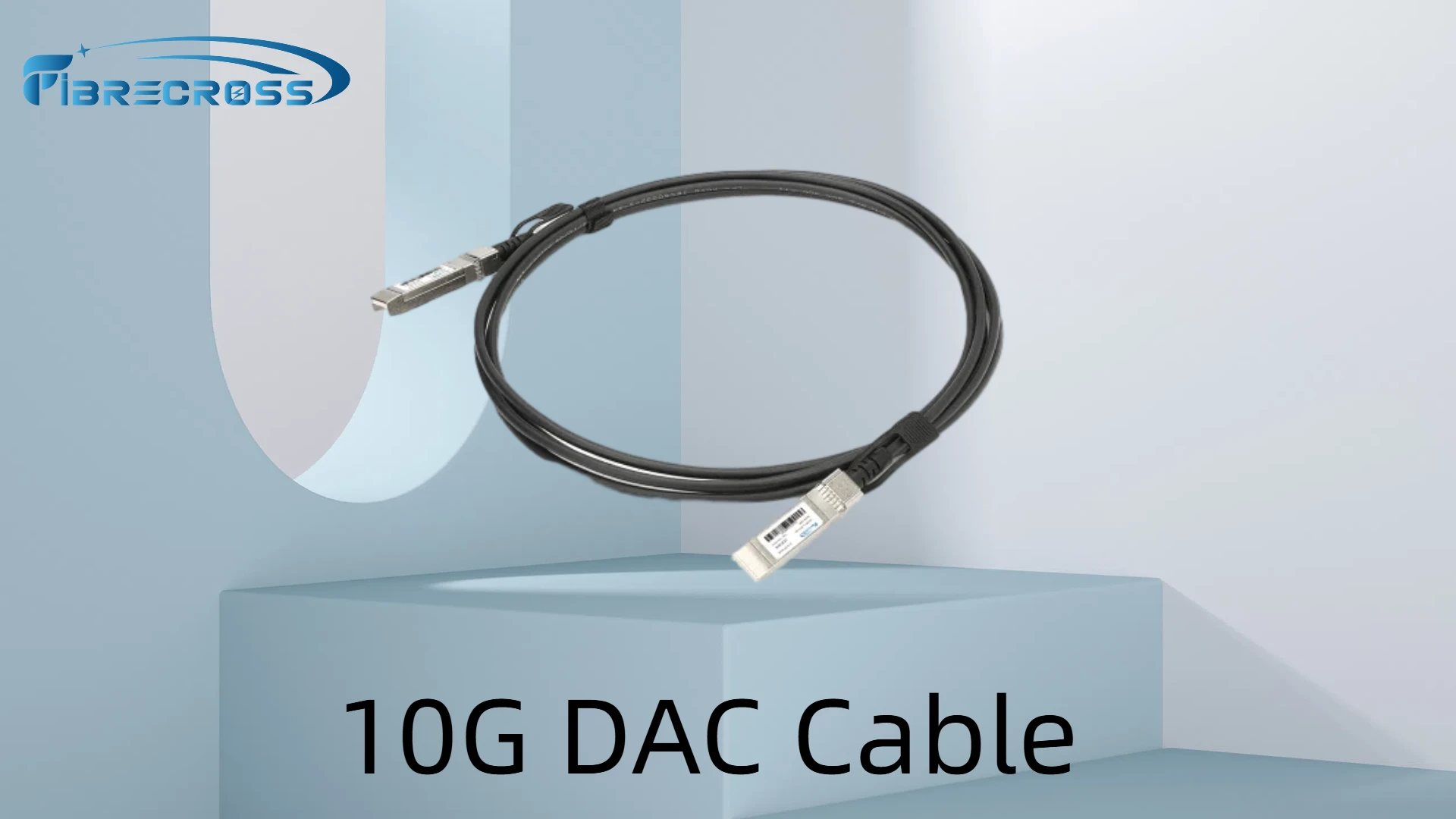

In today’s data-driven world, the demand for fast and reliable network connections is more critical than ever. Data centers, the backbone of our digital infrastructure, rely on efficient and high-speed connectivity to manage the massive amounts of data flowing through them. One key component in achieving this is the 10G SFP+ Direct Attach Copper (DAC) cable. These cables provide a cost-effective and high-performance solution for short-range connections within data centers, making them a popular choice for network engineers and IT professionals. In this blog post, we’ll explore everything you need to know about 10G SFP+ DAC cables, from how they work to their advantages, limitations, and applications. Whether you’re upgrading your data center or simply curious about high-speed networking solutions, this guide will provide you with practical insights to help you make informed decisions.
Introduction to SFP+ DAC Cables
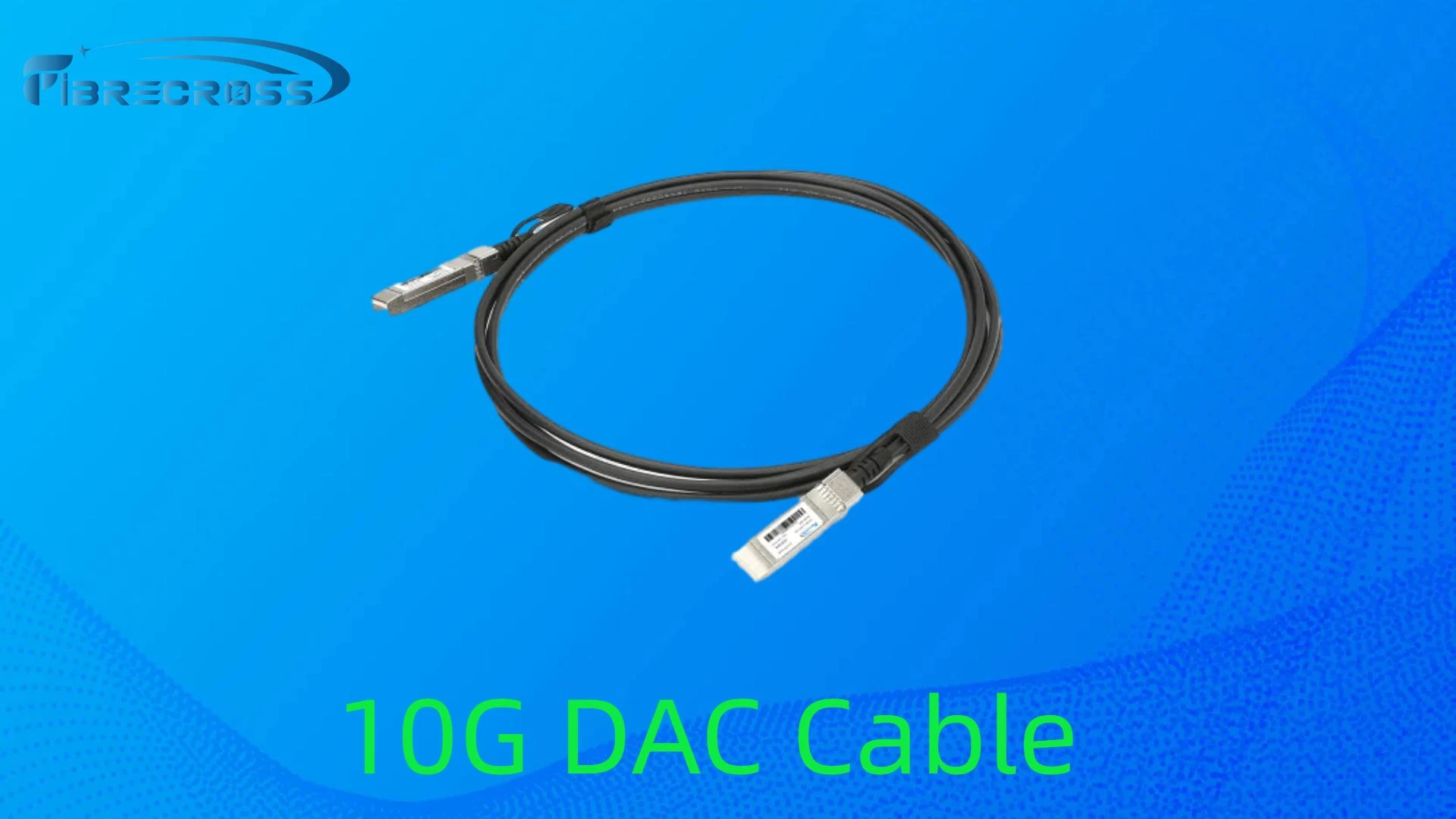
SFP+ DAC cables are a type of high-speed networking cable used primarily in data centers and enterprise networks. They are designed to connect devices like switches, routers, and servers over short distances, typically within the same rack or between adjacent racks. The "SFP+" in the name refers to the Small Form-factor Pluggable Plus interface, which supports data rates of up to 10 Gbps (Gigabits per second). The "DAC" stands for Direct Attach Copper, indicating that these cables use copper conductors to transmit data, as opposed to fiber optic cables that use light.
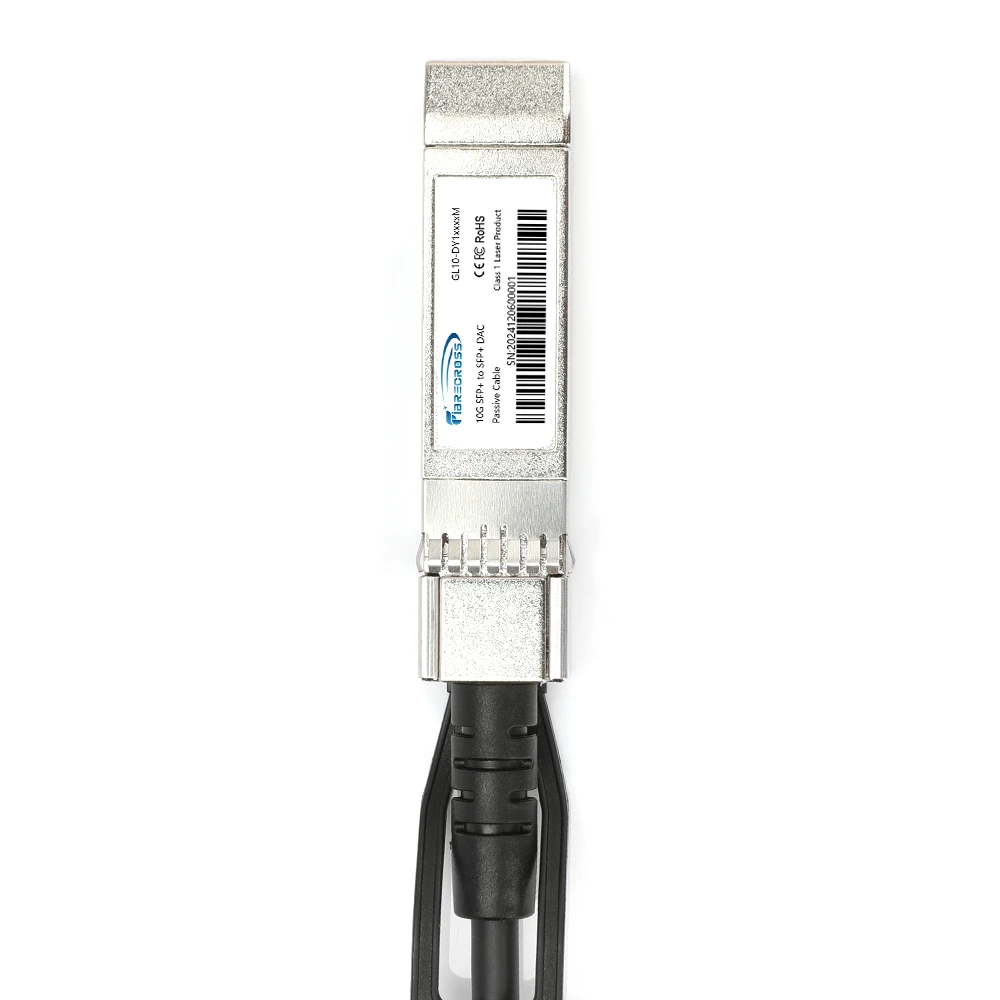
These cables are a go-to solution for 10 Gigabit Ethernet (10GbE) connections due to their simplicity, cost-effectiveness, and reliability. Unlike traditional Ethernet cables, SFP+ DAC cables come with integrated transceivers on both ends, which plug directly into the SFP+ ports of networking devices. This eliminates the need for separate transceivers, reducing both cost and complexity.
How SFP+ DAC Cables Work
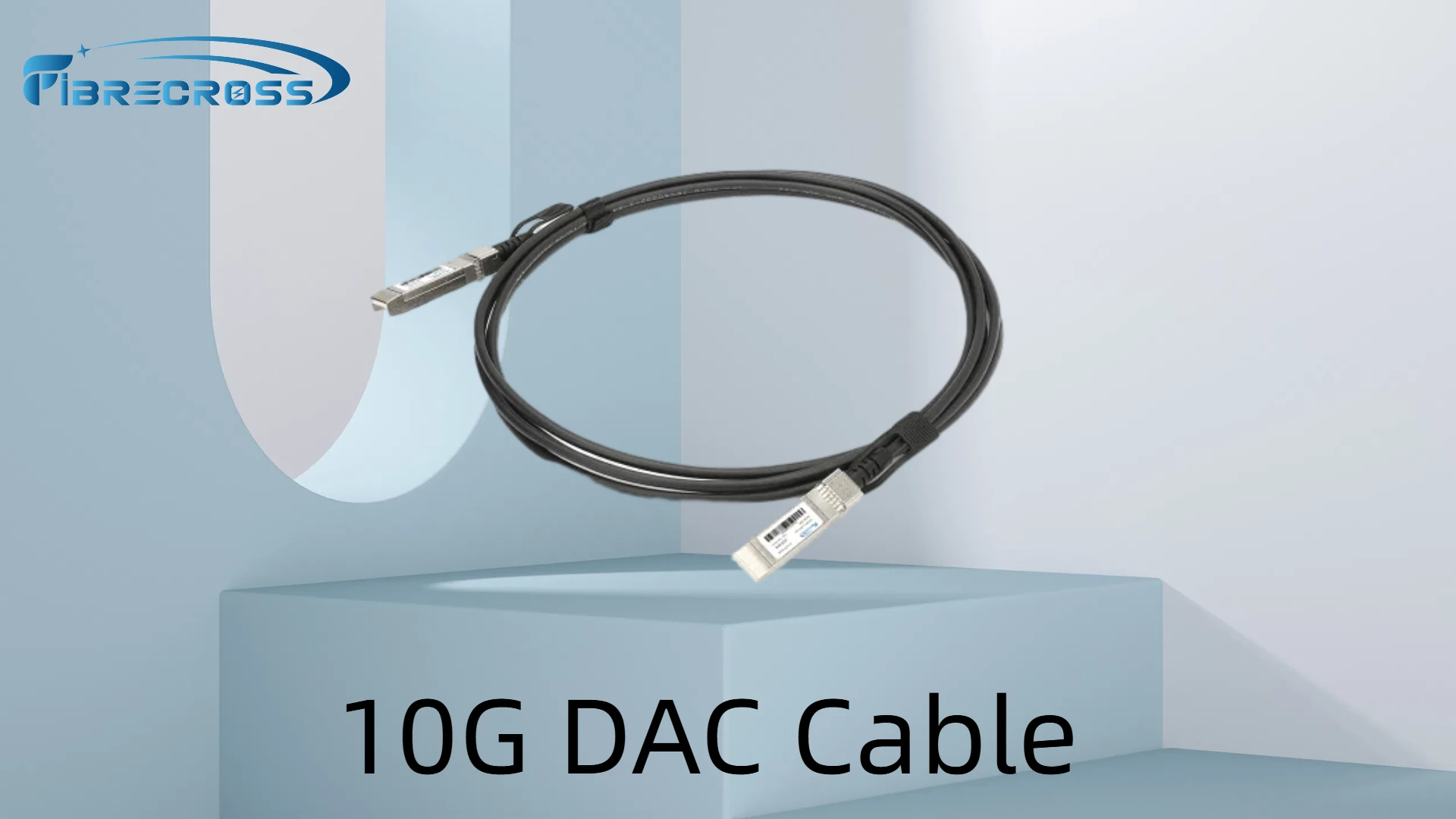
At the core of SFP+ DAC cables is twinax copper technology. Twinax cables consist of two inner conductors (a "twin" pair) surrounded by shielding, which helps reduce electromagnetic interference (EMI) and ensures reliable data transmission. This design allows for differential signaling, where data is sent over two wires with inverted signals, further enhancing signal integrity.
Here’s a simplified breakdown of how they work:
- Data Transmission: When connected between two devices, the cable transmits electrical signals directly through the copper conductors.
- Integrated Transceivers: The built-in SFP+ connectors on each end handle the conversion of electrical signals to the format required by the connected devices.
- Passive vs. Active: Depending on the type (more on this later), the cable may or may not include additional electronics to boost the signal.
This direct connection method results in low latency and high efficiency, making SFP+ DAC cables ideal for environments where speed and performance are paramount.
Types of SFP+ DAC Cables: Active vs. Passive
SFP+ DAC cables come in two main types: passive and active. Understanding the difference between them is crucial for choosing the right cable for your needs.
- Passive DAC Cables:
- Do not contain any active electronics to amplify or condition the signal.
- Typically used for shorter distances, up to 7 meters.
- Offer the lowest power consumption and cost.
- Ideal for connections within the same rack or between closely located devices.
- Active DAC Cables:
- Include electronic components (such as signal amplifiers) to boost the signal.
- Can support longer distances, typically up to 15 meters.
- Slightly more expensive but still cost-effective compared to other solutions.
- Suitable for connections between racks or in larger data center setups.
Choosing between active and passive DAC cables depends on the distance between your devices and your budget. For most in-rack connections, passive cables are sufficient, while active cables are better for slightly longer runs.
Advantages of Using SFP+ DAC Cables
SFP+ DAC cables offer several key benefits that make them a preferred choice for short-range, high-speed connections:
- Cost-Effective: DAC cables are significantly cheaper than fiber optic alternatives and do not require separate transceivers, reducing overall costs.
- Low Power Consumption: Passive DAC cables consume almost no power, while active ones use minimal power compared to optical solutions.
- Low Latency: The direct copper connection minimizes delays, making them ideal for applications where speed is critical, such as high-frequency trading or real-time data processing.
- Ease of Use: With pre-terminated connectors, DAC cables are plug-and-play, simplifying installation and reducing the risk of errors.
- High Reliability: Copper’s durability and resistance to environmental factors make DAC cables a robust choice for busy data centers.
These advantages make SFP+ DAC cables an attractive option for organizations looking to optimize their network infrastructure without breaking the bank.
Limitations and Considerations
While SFP+ DAC cables are highly effective for specific use cases, they do have some limitations:
- Distance Restrictions: Passive DAC cables are limited to about 7 meters, and active ones to around 15 meters. For longer distances, fiber optic cables are necessary.
- Compatibility: Not all devices support DAC cables, so it’s essential to check compatibility with your hardware. Most major brands like Cisco, Ubiquiti, and Juniper support them, but always verify.
- Weight and Bulk: Copper cables are heavier and less flexible than fiber optics, which can make cable management more challenging in dense setups.
- Electromagnetic Interference (EMI): While shielding helps, copper cables can still be susceptible to EMI in environments with high electrical noise.
Understanding these limitations will help you determine whether SFP+ DAC cables are the right fit for your network.
Applications in Data Centers
SFP+ DAC cables are widely used in data centers for various applications, including:
- Top-of-Rack (ToR) Switching: Connecting servers to the ToR switch within the same rack.
- Switch-to-Switch Links: Linking switches in adjacent racks for high-speed data transfer.
- Storage Area Networks (SANs): Providing fast connections between storage devices and servers.
- High-Performance Computing (HPC): Enabling rapid data exchange in compute-intensive environments.
Their ability to deliver 10 Gbps speeds with minimal latency makes them indispensable in environments where performance and cost-efficiency are equally important.
Installation and Best Practices
To get the most out of your SFP+ DAC cables, follow these installation and maintenance tips:
- Handle with Care: Avoid bending the cable beyond its minimum bend radius (typically 5-10 times the cable’s diameter) to prevent damage.
- Secure Connections: Ensure the connectors are fully inserted into the SFP+ ports to avoid disconnections or signal loss.
- Cable Management: Use cable trays or ties to organize cables and prevent tangling, which can lead to performance issues or physical damage.
- Regular Inspections: Periodically check for signs of wear, such as frayed cables or loose connectors, and replace as needed.
Following these best practices will help maintain optimal performance and extend the lifespan of your cables.
Conclusion
10G SFP+ DAC cables are a powerful tool in the modern networking arsenal, offering a blend of speed, cost-efficiency, and simplicity for short-range connections. Whether you’re managing a data center or setting up a high-performance network, understanding how these cables work and where they fit into your infrastructure is essential. By choosing the right type of DAC cable and following best practices for installation and maintenance, you can ensure your network runs smoothly and efficiently.
As data demands continue to grow, solutions like SFP+ DAC cables will remain a critical component in building scalable, high-speed networks. With their proven reliability and affordability, they are an investment worth considering for any organization looking to stay ahead in the digital age.




























Sign in to leave a comment.