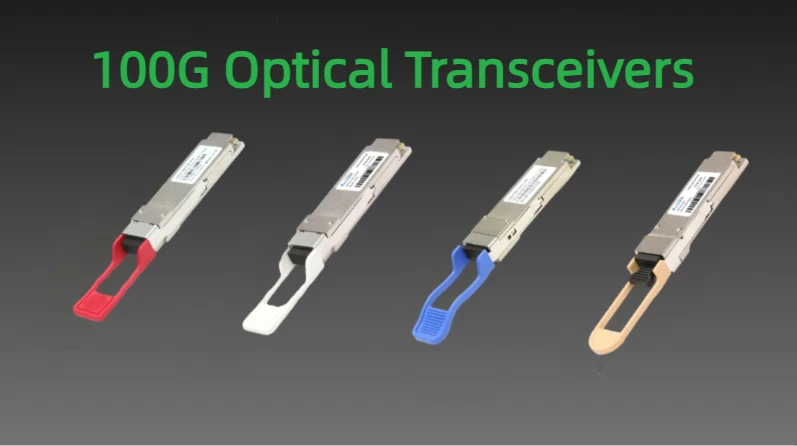

Have you ever wondered how data zips through fiber optic cables at the speed of light, connecting the digital world across vast distances? The secret lies in a small yet mighty device called an optical transceiver module. These unsung heroes of modern networking convert electrical signals into optical signals and back again, enabling high-speed data transmission over fiber optic networks. From their humble beginnings in the 1970s as bulky, costly components, optical transceivers have evolved into compact, efficient powerhouses that drive today’s data centers, telecommunications systems, and enterprise networks. In this blog, we’ll dive into what optical transceiver modules are, how they work, their types, benefits, applications, and how to keep them running smoothly.
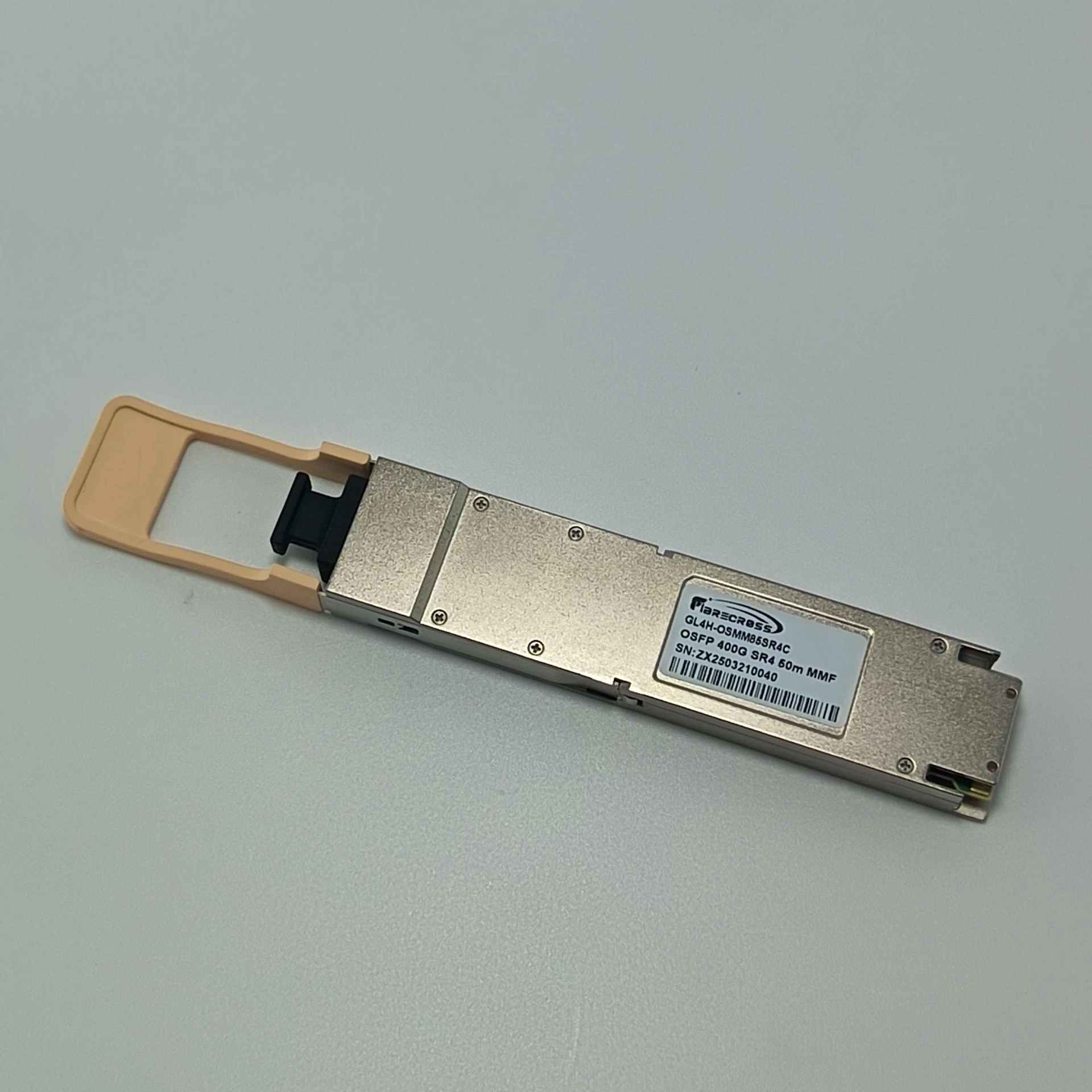
How Do Optical Transceivers Work?
At their core, optical transceivers are like translators between the electrical and optical realms. They consist of two key parts: a transmitter and a receiver. Here’s how they operate:
- Transmitter: Takes an electrical signal (like the ones from your computer or router) and converts it into an optical signal using a light source—typically a laser diode or LED. This light pulses to encode data.
- Fiber Optic Cable: Carries the optical signal over long distances with minimal loss.
- Receiver: Captures the incoming optical signal with a photodiode and converts it back into an electrical signal for your device to process.
This conversion process, known as modulation (electrical to optical) and demodulation (optical to electrical), uses techniques like amplitude or phase modulation to pack data into light waves. Unlike copper cables, optical signals resist signal degradation over distance, making them perfect for high-speed, long-haul communication.
Types of Optical Transceivers
Optical transceivers come in various flavors, each suited to specific speeds and applications. Here are the most common types:
- SFP (Small Form-factor Pluggable): Compact and hot-pluggable, these handle data rates up to 1 Gbps, with some variants pushing higher. They’re a staple in Ethernet and fiber channel setups.
- SFP+ (Enhanced Small Form-factor Pluggable): An upgrade to SFP, supporting up to 10 Gbps—ideal for 10 Gigabit Ethernet.
- QSFP (Quad Small Form-factor Pluggable): Packs four channels into one module, delivering 40 Gbps (QSFP+) or 100 Gbps (QSFP28). Perfect for high-density data center connections.
- CFP (C Form-factor Pluggable): Larger and built for high-speed core networks, supporting 100 Gbps or more.
- GBIC and XFP: Older or niche options, like GBIC (up to 1 Gbps) and XFP (10 Gbps), still linger in some systems.
Benefits of Optical Transceivers
Why opt for optical transceivers over traditional copper solutions? Here’s why they shine:
- Higher Bandwidth: They handle massive data rates—think 100 Gbps and beyond—perfect for streaming, cloud computing, and big data.
- Longer Distances: Optical signals travel tens or even hundreds of kilometers without needing a boost, unlike copper’s short range.
- No Electromagnetic Interference: Immune to electrical noise, they ensure clean, reliable data transmission.
- Compact and Lightweight: Fiber cables paired with transceivers save space and simplify installation compared to bulky copper.
Real-World Applications of Optical Transceivers
Optical transceivers power connectivity across industries:
- Data Centers: Link servers and switches for lightning-fast data transfers in facilities hosting cloud services.
- Telecommunications: Enable long-haul networks, carrying voice, video, and internet over thousands of kilometers.
- Enterprise Networks: Connect office buildings or campuses, keeping businesses running smoothly.
- Internet Providers: Deliver fiber-to-the-home (FTTH) for ultra-fast broadband to your doorstep.
Technical Specifications and Standards
To play nice with diverse equipment, optical transceivers follow strict standards:
- IEEE 802.3: Governs Ethernet specs, including transceiver use.
- ITU-T G.694: Sets wavelength standards for dense wavelength division multiplexing (DWDM), boosting capacity.
- MSAs (Multi-Source Agreements): Ensure compatibility across brands, like SFP MSA or QSFP MSA.
Key specs to know:
- Wavelengths: Common ones are 850 nm (short-range), 1310 nm, and 1550 nm (long-range).
- Fiber Type: Single-mode for long distances; multi-mode for shorter runs.
- Data Rate: From 1 Gbps to 400 Gbps and beyond.
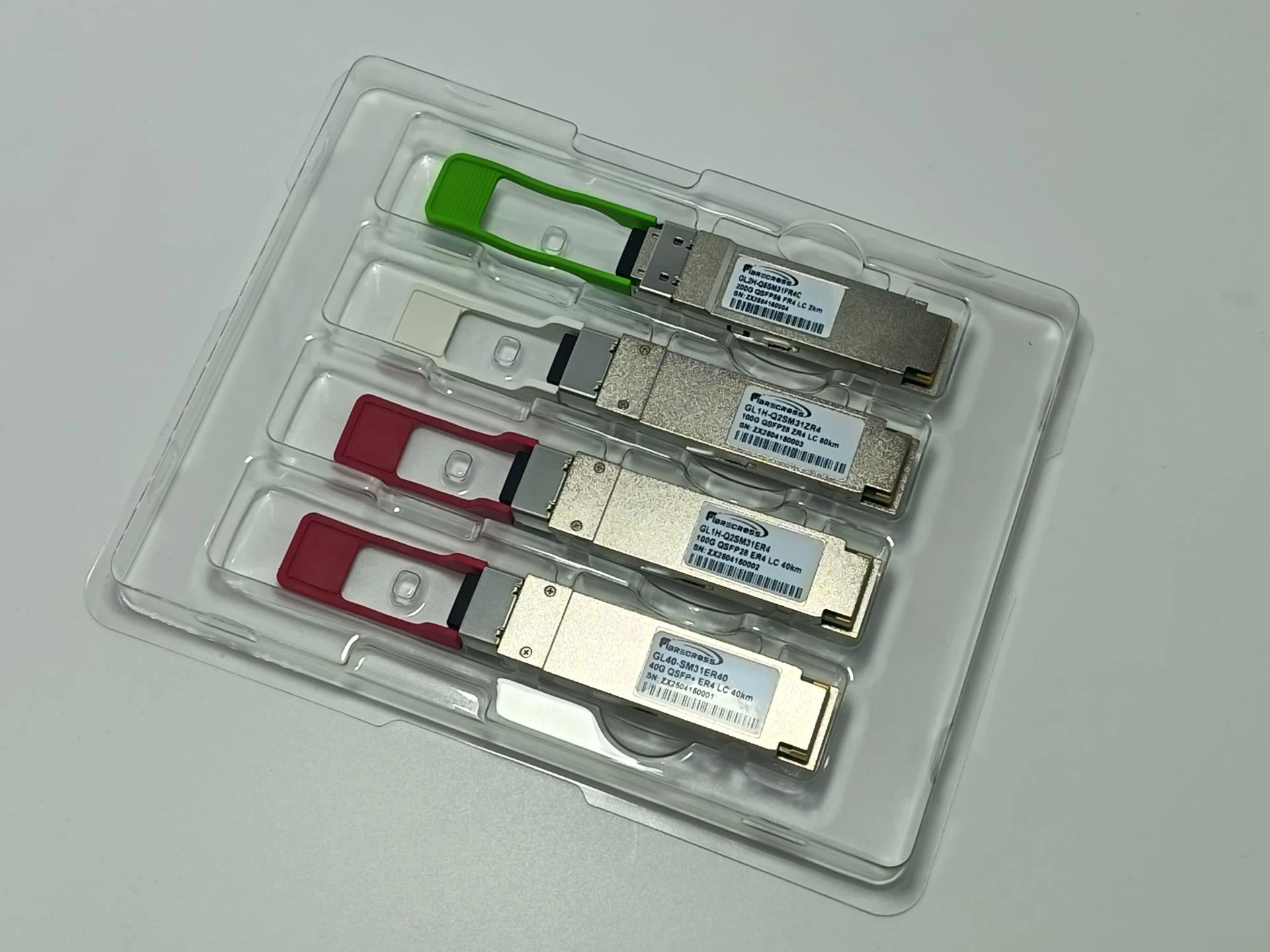
Troubleshooting and Maintenance
Keeping optical transceivers humming requires some TLC:
- Cleanliness: Dust on connectors can weaken signals—use specialized cleaning kits.
- Careful Handling: They’re delicate, so avoid drops or rough treatment.
- Compatibility Check: Confirm they match your device and fiber type.
- Performance Monitoring: Use network tools to track signal strength and errors.
- Timely Replacement: Swap out aging or faulty units showing degraded performance.
Conclusion: The Future of Optical Transceivers
Optical transceiver modules are the unsung backbone of our connected world, bridging electrical and optical domains to deliver blazing-fast, reliable data transmission. From data centers to your home internet, they power the digital age. As technology races forward, expect even faster, smarter transceivers to emerge, pushing the boundaries of what’s possible in networking. Next time you stream a movie or join a video call, give a nod to these tiny titans making it all happen.




















Sign in to leave a comment.