
Introduction: The Need for Speed
In an era defined by artificial intelligence (AI), cloud computing, and hyperscale data centers, the demand for bandwidth is exploding. Traditional 100G and 400G optical transceivers are hitting scalability limits, making 800G optical transceivers the new frontier. These devices transmit and receive data at 800 gigabits per second (Gbps)—eight times faster than 100G technology—enabling massive data flows for AI training, real-time analytics, and global content delivery. By 2024, the 800G market is projected to surpass $70 billion, signaling a massive infrastructure shift.

How 800G Transceivers Work: Breaking Down the Tech
At their core, 800G transceivers convert electrical signals from network equipment into light pulses for fiber optic transmission (and vice versa). Achieving 800G speeds requires cutting-edge engineering:
- Advanced Modulation (PAM4): Unlike older NRZ (Non-Return-to-Zero) encoding, PAM4 transmits two bits per symbol, doubling data rates per channel. Each channel operates at 106.25 Gbps, with eight channels combined for 800G.
- Parallelism: Modules like DR8+ use eight independent optical lanes (via MPO-16 connectors) to split and recombine data streams.
- Coherent Detection (for Long Haul): For distances beyond 100 km, transceivers like 800G ZR+ use coherent optics. This technique encodes data in light’s phase and amplitude, enabling high-fidelity transmission over 500–1,000 km.
- Silicon Photonics & TFLN: Key innovations include silicon photonics (integrating lasers/modulators on chips) and thin-film lithium niobate (TFLN) modulators, which boost efficiency and lower power.
Key Types & Form Factors
- OSFP vs. QSFP-DD:
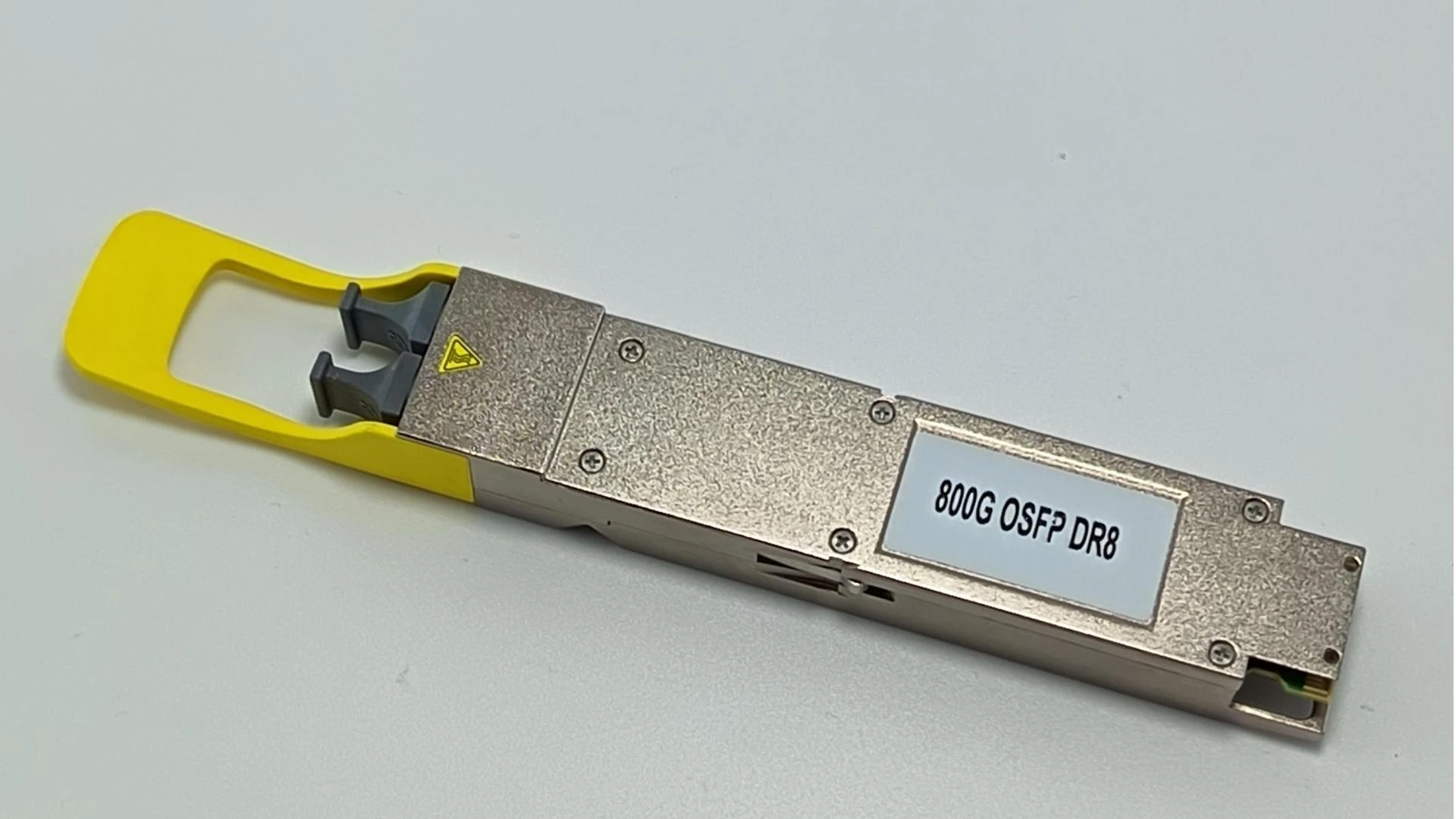
- OSFP (Octal Small Form Factor Pluggable): Larger, supports higher power/thermals (up to 23W), ideal for 1.6T future-proofing.
- QSFP-DD (Quad Small Form Factor-Double Density): Backward-compatible with 400G infrastructure, popular for dense deployments.
Innovations Driving Adoption
Recent breakthroughs address critical bottlenecks:
- Power Efficiency:
- Early 800G modules consumed >18W. Eoptolink’s 5nm DSP-based OSFP DR8 now uses just 11.2W, while InnoLight’s silicon photonics designs hit <14W.
- LPO (Linear Pluggable Optics) eliminates DSPs, slashing power 30–50% for short-reach AI workloads.
- Long-Haul Revolution:
- 800G ZR+ modules leverage coherent DSPs and integrated lasers to achieve 800Gbps over 1,000 km in an OSFP package—previously impossible outside proprietary systems.
- Multi-vendor interoperability ensures standardized deployments.
- Multimode Breakthroughs:
- BIDI SR4.2 transceivers combine 850nm/910nm wavelengths on a single fiber, enabling 800G over legacy MMF cabling.

Real-World Applications
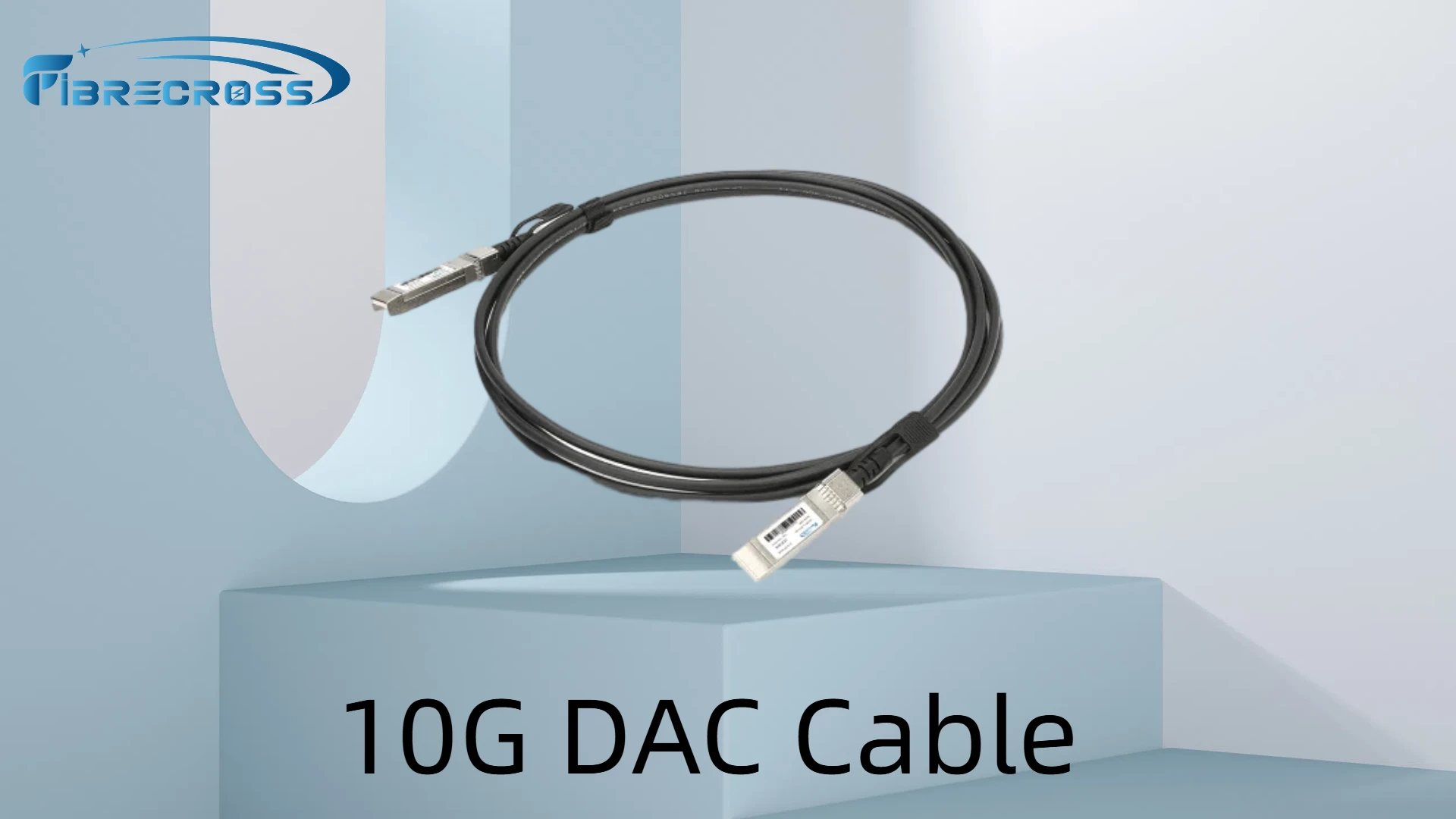
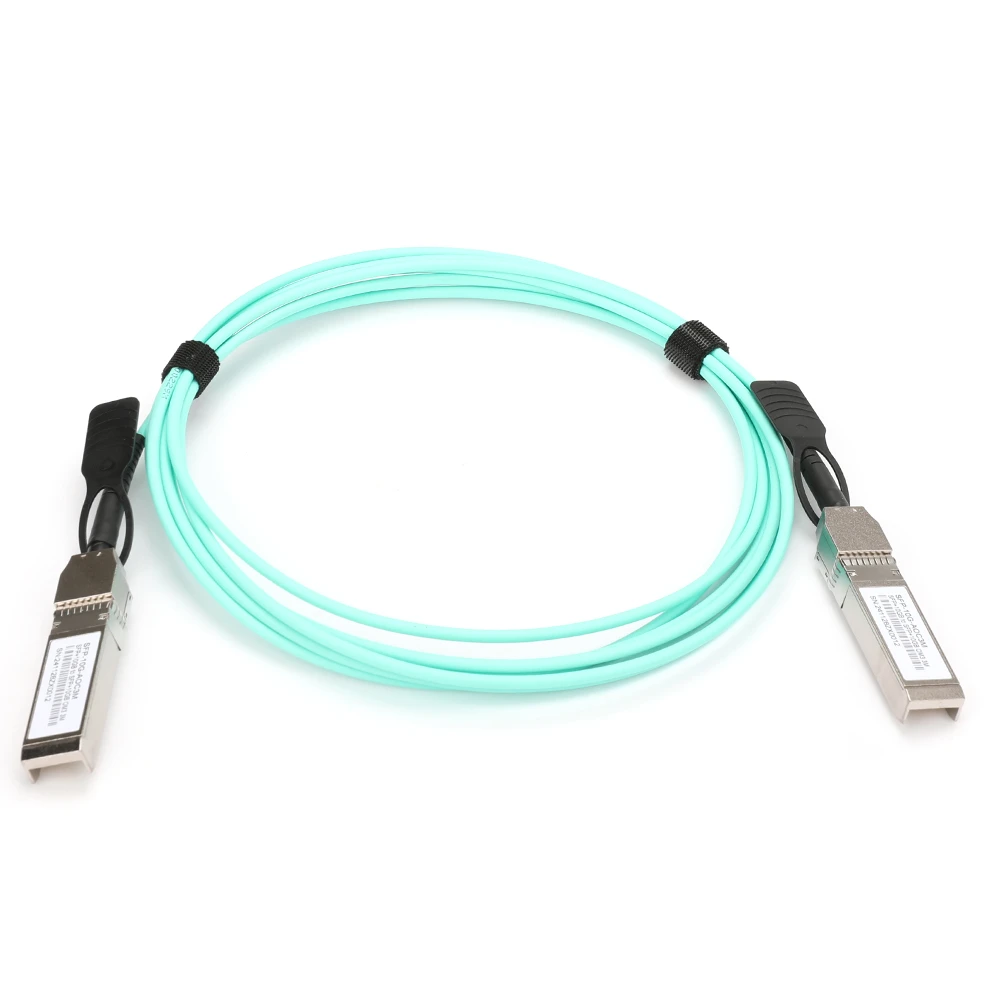
- AI/GPU Clusters: NVIDIA’s GB200 NVL72 uses 800G AOCs/DACs to link GPUs at ultra-low latency.
- Data Center Interconnect (DCI): Hyperscalers deploy ZR+ modules for 400G–800G links between data centers 500 km apart, replacing dedicated hardware.
- Cloud Scalability: Modular designs like 2x400G FR4 or 8x100G DR8+ allow flexible upgrades without fiber replanting.
- IP-over-DWDM: Telecom carriers use 800G QSFP-DD coherent modules to merge IP and optical layers, simplifying metro networks.
Future Outlook: Beyond 800G
The roadmap is accelerating:
- 1.6T Optics: InnoLight demonstrated a 1.6T OSFP-XD DR8+ transceiver in 2023, hinting at next-gen deployments.
- CPO (Co-Packaged Optics): Integrating optics directly into switch ASICs will cut power by 40% for AI factories.
- AI-Optimized Architectures: Expect tighter integration with GPU/accelerator networks, reducing data movement penalties.
Conclusion: The Backbone of the AI Age
800G optical transceivers are not just incremental upgrades—they’re foundational to our data-driven future. By balancing speed, reach, and power efficiency, they enable everything from real-time LLM inference to intercontinental cloud services. As innovations like LPO and coherent pluggables mature, 800G will become the workhorse of AI infrastructure, pushing networks toward terabit-scale throughput.
"Low power consumption is a crucial parameter in data transmission. We’re committed to offering customers the best power-class solutions."
— Dirk Lutz, Distinguished Engineer at Eoptolink.




























Sign in to leave a comment.