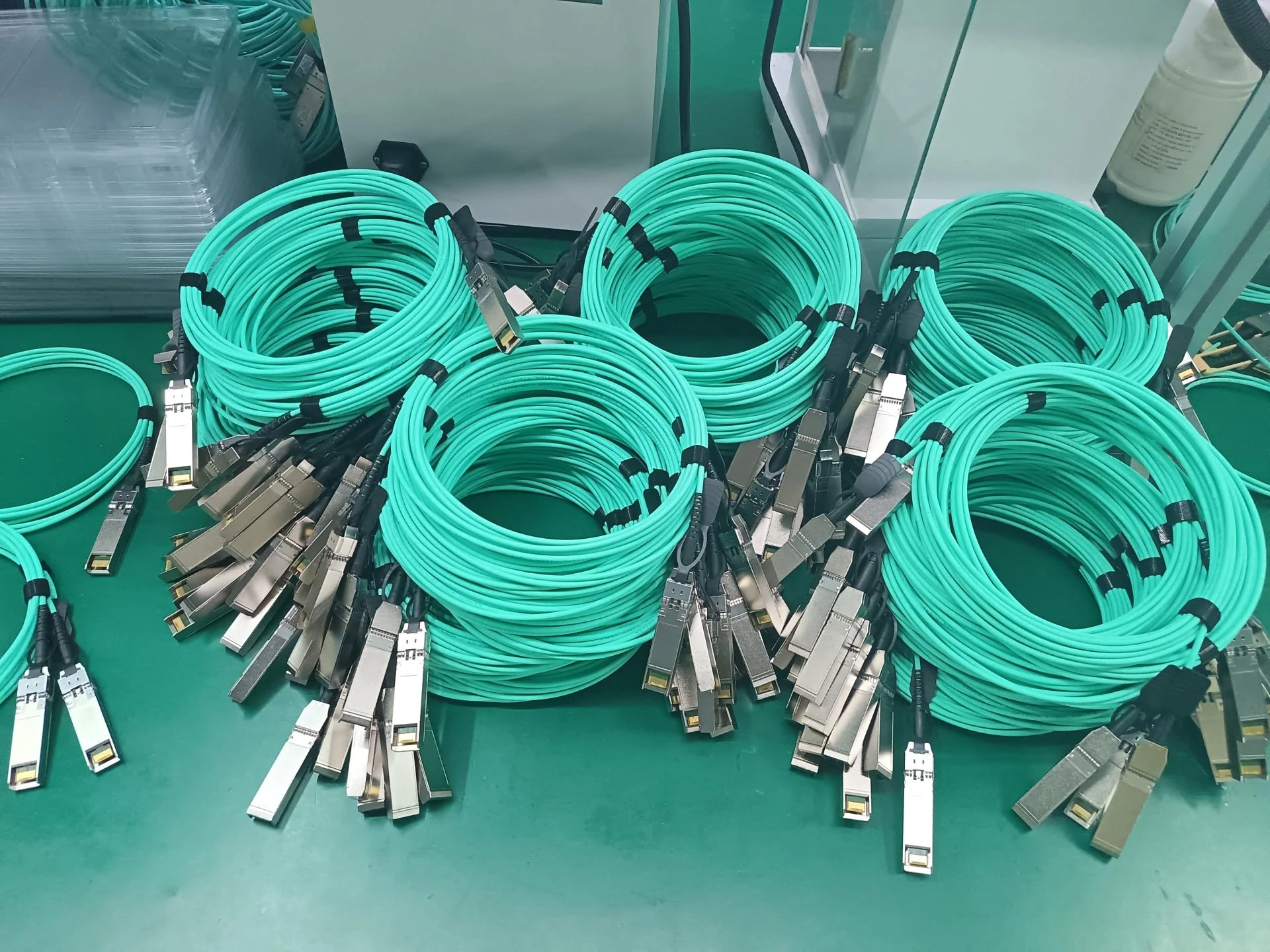

In today’s fast-paced, data-hungry world, the need for speedy and reliable connections is greater than ever. Enter Active Optical Cables (AOC cables)—a game-changer in networking technology. But what exactly are they, and why should you care? Let’s break it down.
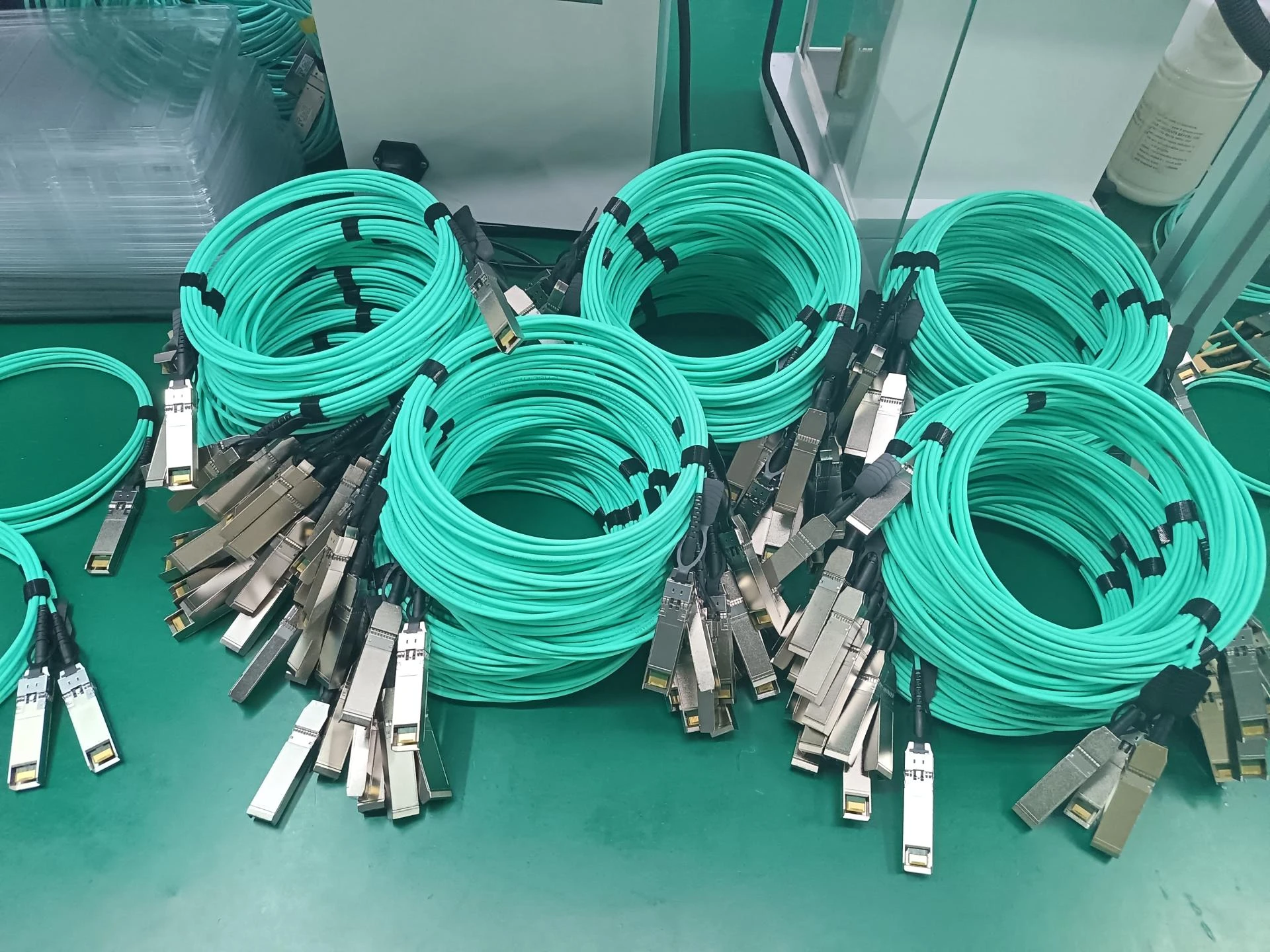
The Basics of AOC cables
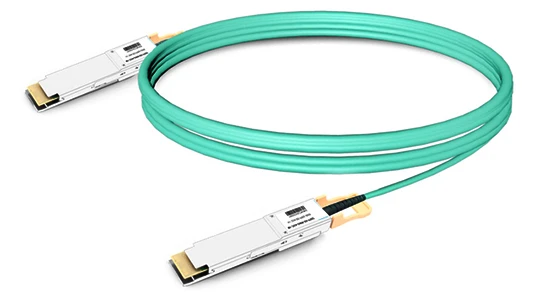
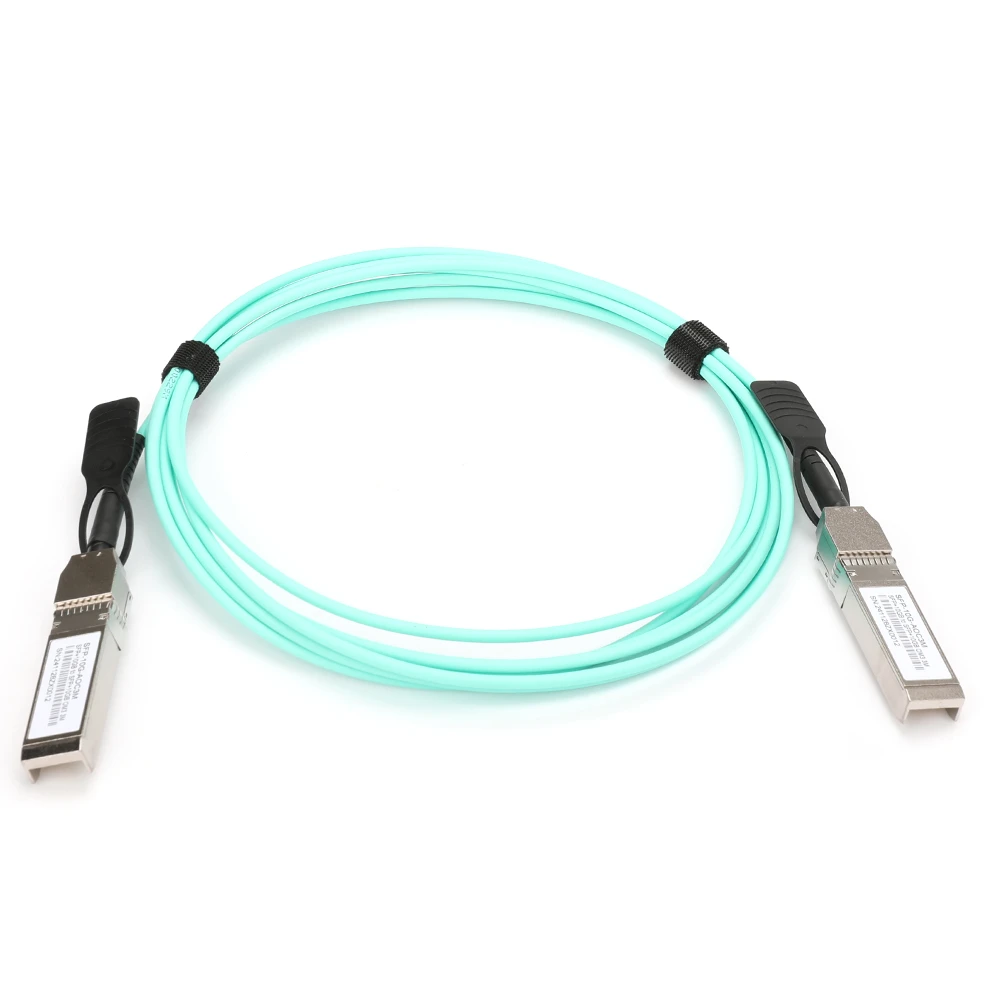
An Active Optical Cable (AOC) is a high-tech cable that uses optical fibers to carry data, with a clever twist: it has active electronic components, like lasers and photodiodes, built right into the connectors. These components convert electrical signals from your devices into light signals for transmission, then back to electrical signals at the other end. This makes AOC cables a plug-and-play solution that delivers blazing-fast data speeds over distances far beyond what traditional copper cables can manage.
Think of it like a super-efficient courier service: instead of slogging through traffic with a heavy load (copper cables), AOC cables zip data along a fiber-optic highway, powered by their own built-in engines (the active components).
Why AOC cables Stand Out
AOC cables bring some serious advantages to the table:
- Speed and Bandwidth: Supporting data rates from 10 Gbps up to 400 Gbps, AOC cables are built for heavy-duty tasks like streaming, cloud computing, and big data transfers.
- Distance: While copper cables tap out at around 7 meters for high-speed use, AOC cables can stretch up to 100 meters or more without breaking a sweat.
- Efficiency: They use less power than copper alternatives, cutting costs and keeping things green.
- No Interference: Immune to electromagnetic noise, AOC cables keep your data clean and reliable, even in busy environments.
- Ease of Use: Lightweight and flexible, they’re a breeze to install, even in cramped server rooms.
Where AOC cables Shine
You’ll find AOC cables hard at work in places like:
- Data Centers: Connecting servers and switches across sprawling facilities.
- High-Performance Computing: Powering the fast, low-latency links needed for simulations and AI.
- Telecom: Supporting high-speed internet and 5G networks.
Picture a bustling data center: rows of servers humming away, linked by sleek AOC cables that keep the data flowing smoothly—no bottlenecks, no fuss.
AOC cables vs. Copper Cables: A Quick Comparison
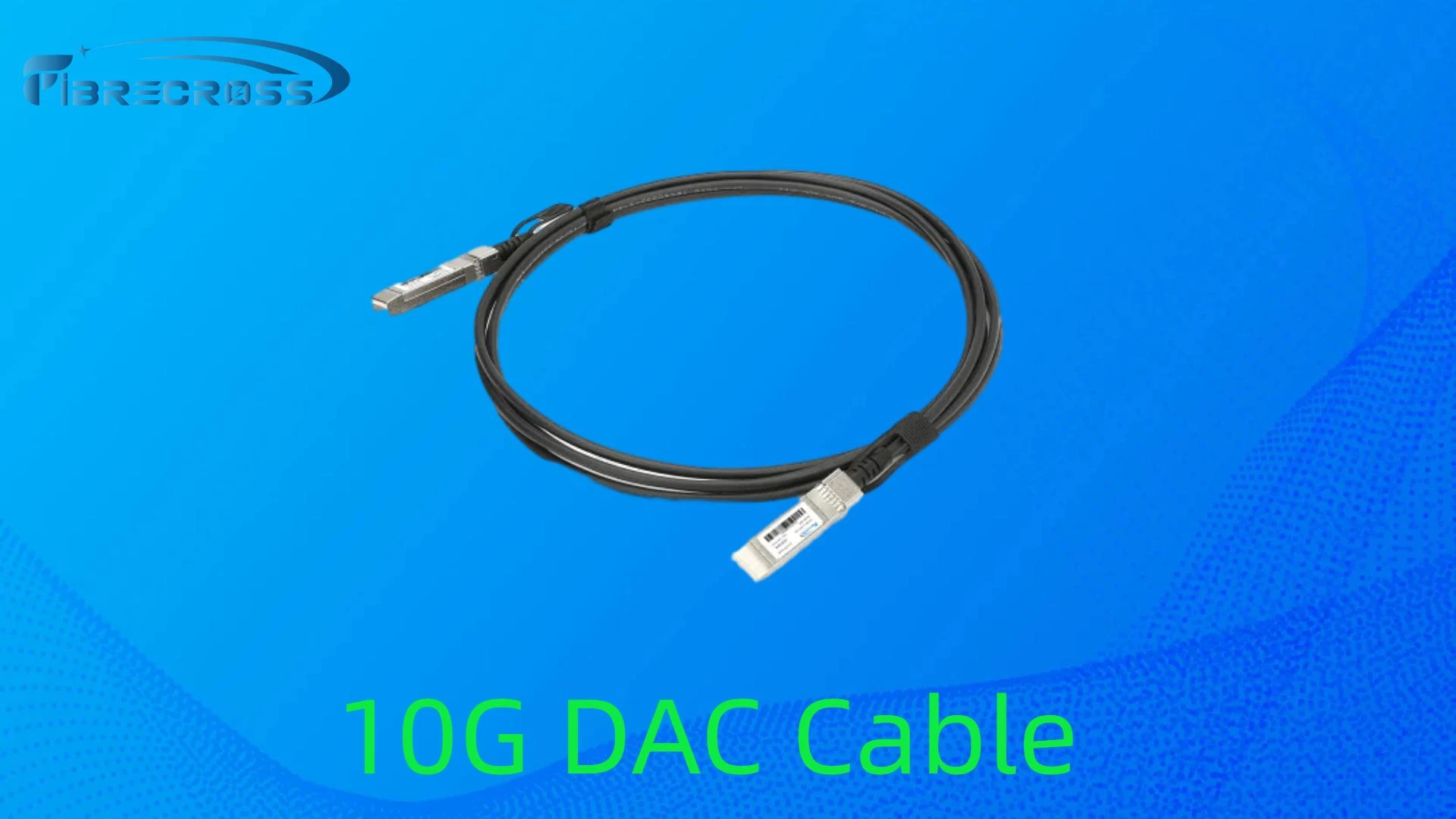
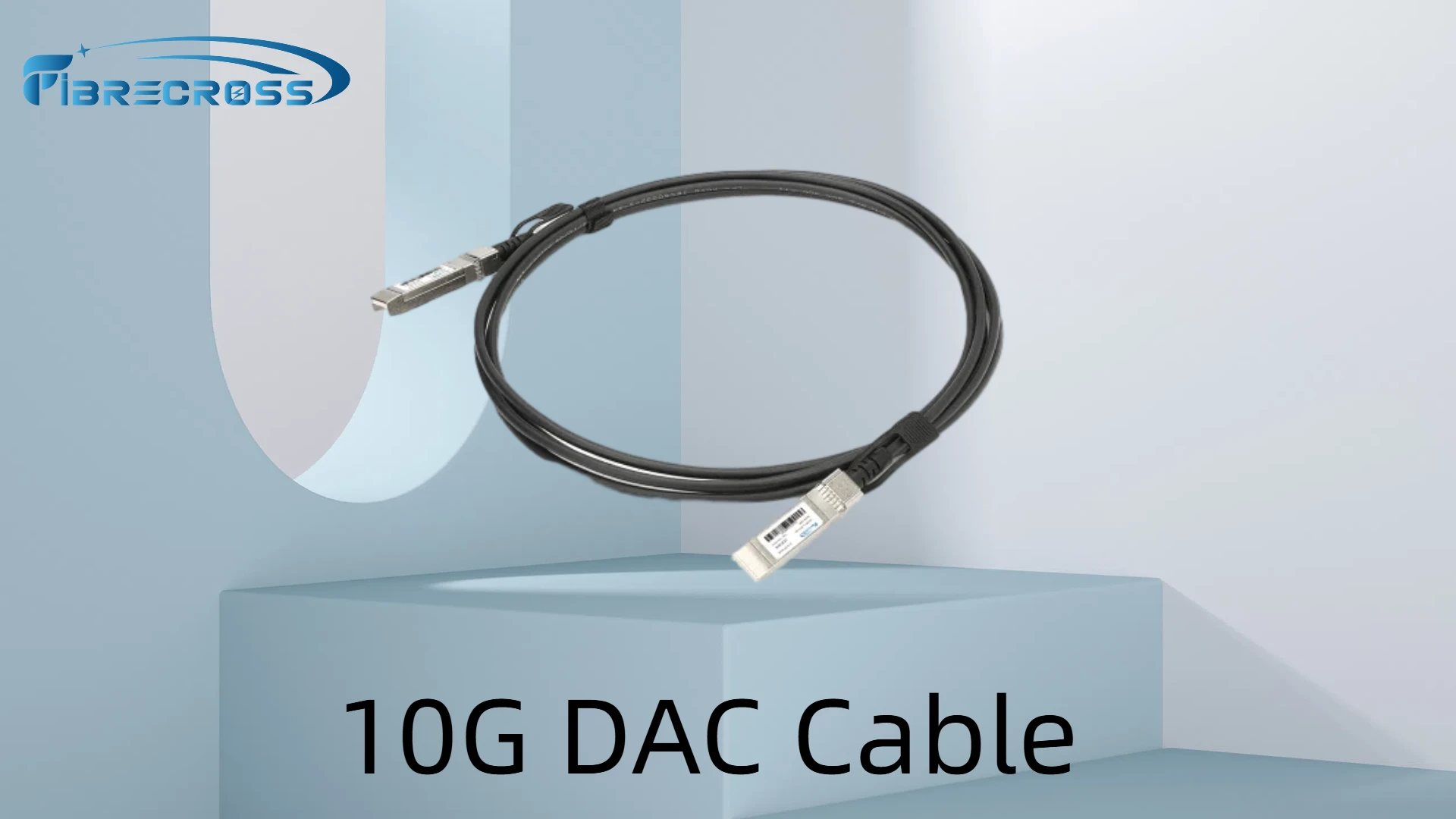
How do AOC cables stack up against Direct Attach Copper (DAC) cables? DACs are great for short hops—say, within a single rack—thanks to their low cost. But when you need to go farther or push more data, AOC cables take the lead with their superior range and efficiency. Sure, AOC cables cost more upfront, but the payoff in performance and energy savings often makes them worth it.
The Catch
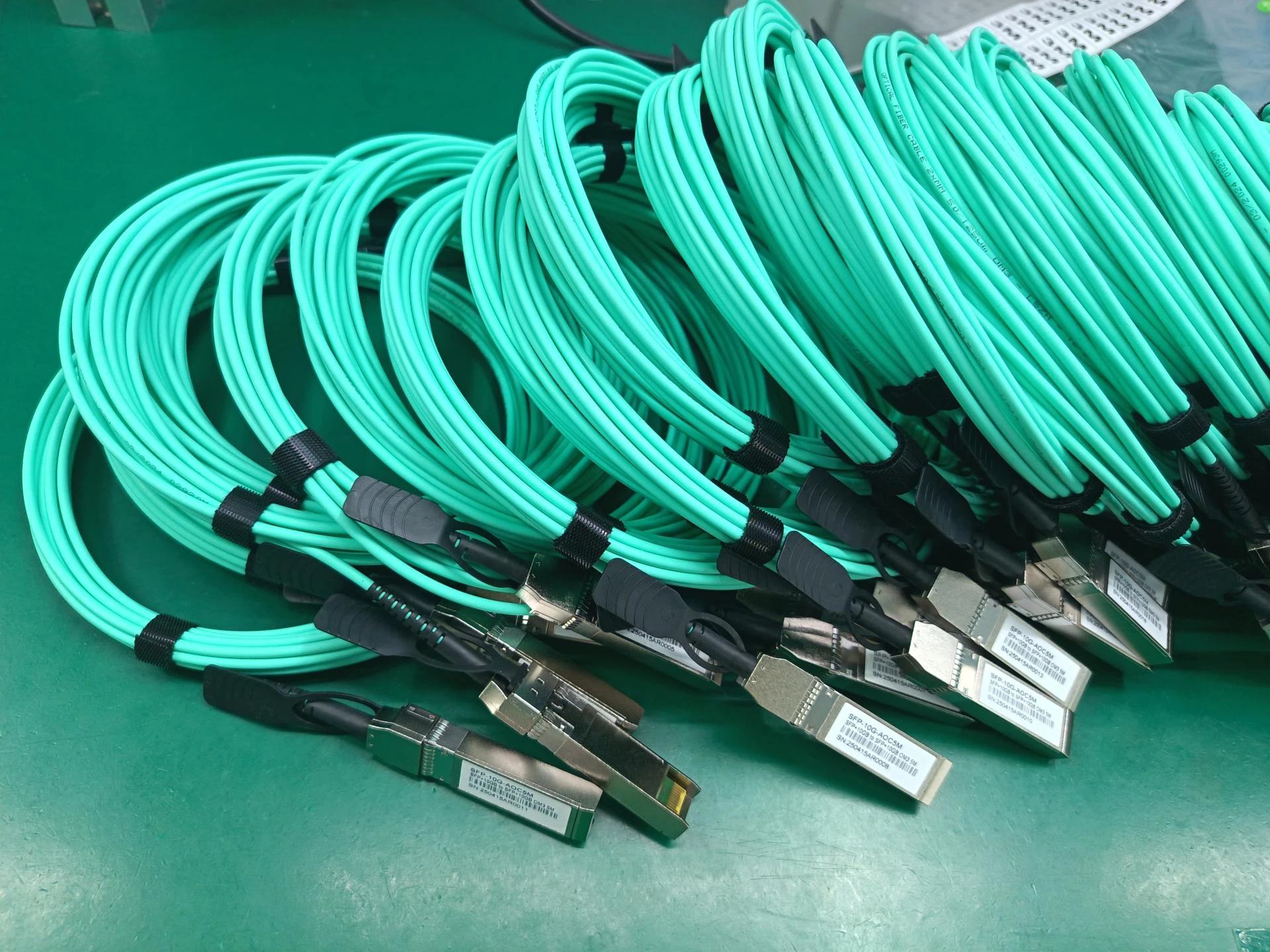
AOC cables aren’t perfect. They’re pricier than copper cables, and their optical fibers can be delicate if mishandled. For super-long distances (think kilometers), traditional fiber optic setups might still be the go-to. But for most modern networking needs, AOC cables strike a practical balance.
Why AOC cables Matter Now
As we lean harder into AI, edge computing, and massive data demands, AOC cables are stepping up as a key player. They’re not just a fancy upgrade—they’re a necessity for keeping our digital world running smoothly.
Wrapping Up
Active Optical Cables are more than just wires; they’re a smart, efficient solution for high-speed connectivity. Whether you’re a tech pro or just curious, AOC cables are worth knowing about as they quietly power the networks of today—and tomorrow.



















Sign in to leave a comment.