
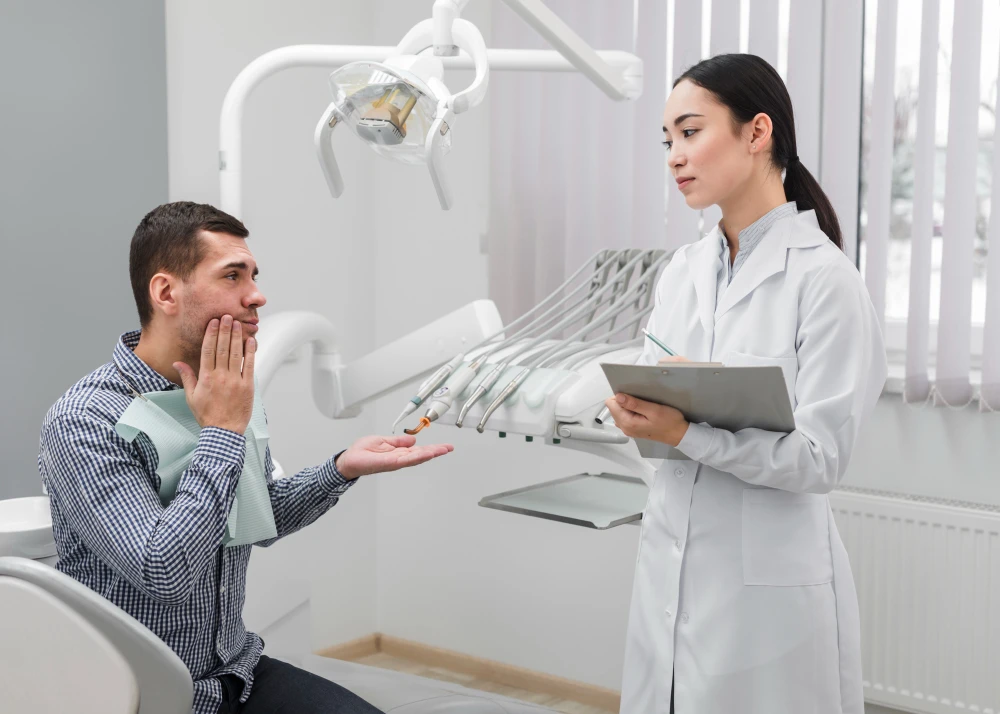
Many people assume dental issues are something that mainly affect children and older adults. However, once you enter your thirties, your oral health can begin to change in ways that are not always obvious. Busy lifestyles, stress, dietary habits and natural ageing can all contribute to dental concerns that gradually develop over time.
While these problems are common, most can be prevented or managed with regular dental care and good oral hygiene habits. Understanding the warning signs early can help protect your teeth and gums for years to come.
1. Gum Disease
Gum disease is one of the most common dental problems affecting adults. It usually begins as gingivitis, which causes redness, swelling and bleeding gums. If left untreated, it can progress to periodontitis, a more serious condition that can damage the supporting structures around the teeth and even lead to tooth loss.
Many adults do not realise they have gum disease because it often develops slowly and may not cause pain in the early stages.
Signs to watch for:
- Bleeding gums when brushing or flossing
- Persistent bad breath
- Swollen or tender gums
- Receding gums
- Loose teeth
Regular dental check-ups can help detect gum disease before it becomes a major issue.
2. Tooth Decay and Cavities
Tooth decay remains one of the most widespread oral health conditions worldwide. Cavities occur when plaque bacteria produce acids that gradually damage tooth enamel.
Adults over 30 can develop cavities even if they rarely had them as children. Existing fillings can wear out over time, creating areas where decay can form. Receding gums may also expose tooth roots, making them more vulnerable to damage.
Prevention tips:
- Brush twice daily with fluoride toothpaste
- Limit sugary foods and drinks
- Floss every day
- Attend routine dental examinations
3. Tooth Sensitivity
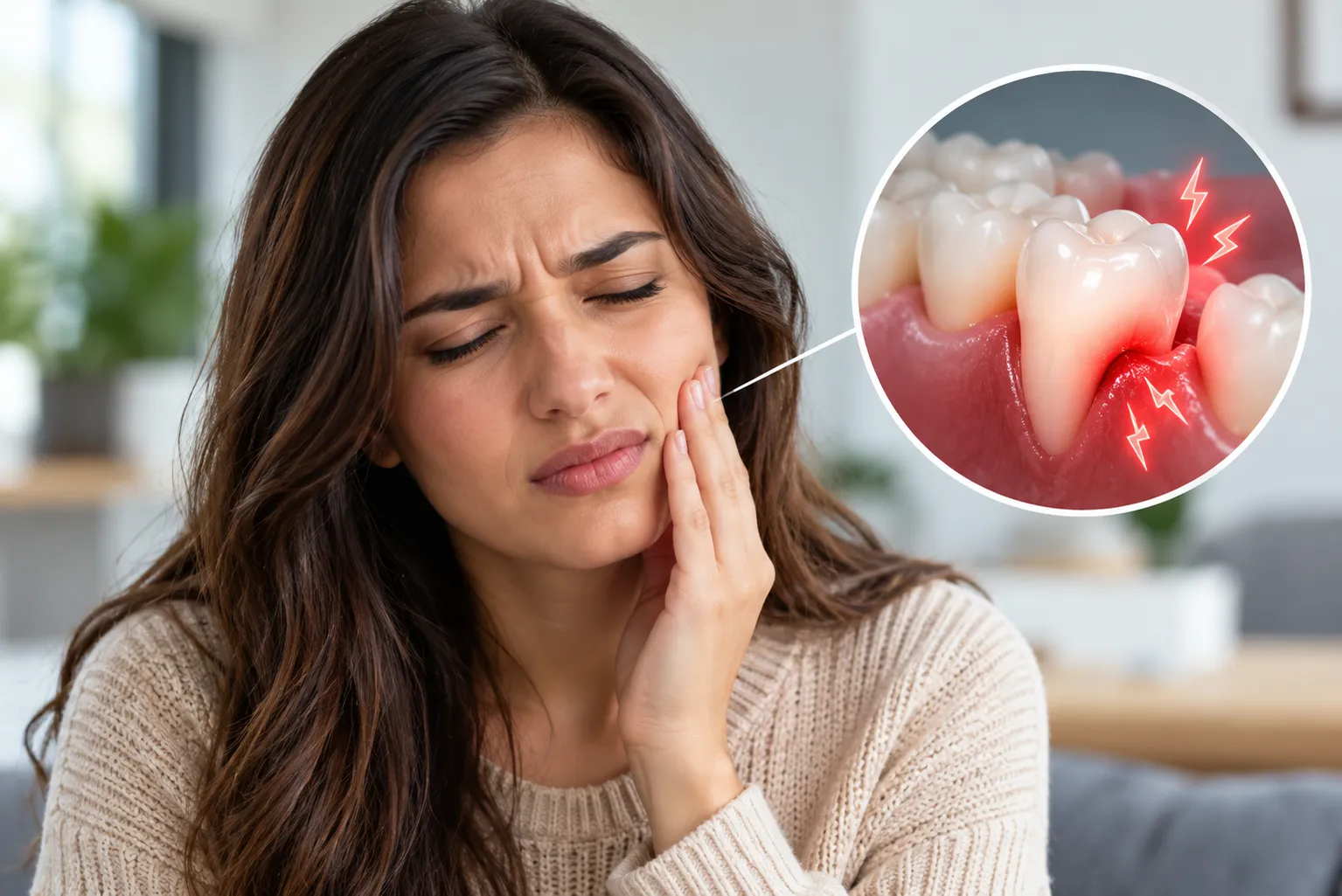
If hot coffee, cold water or sweet foods cause sudden discomfort, tooth sensitivity may be the reason. Sensitive teeth are particularly common after 30 due to enamel wear, gum recession, cracks in teeth or untreated decay.
Although sensitivity may seem minor, it can sometimes indicate an underlying dental problem that requires professional attention.
Common triggers:
- Hot drinks
- Cold foods
- Sweet snacks
- Acidic beverages
A dentist can identify the cause and recommend suitable treatments such as desensitising toothpaste or restorative procedures.
4. Tooth Wear and Enamel Erosion
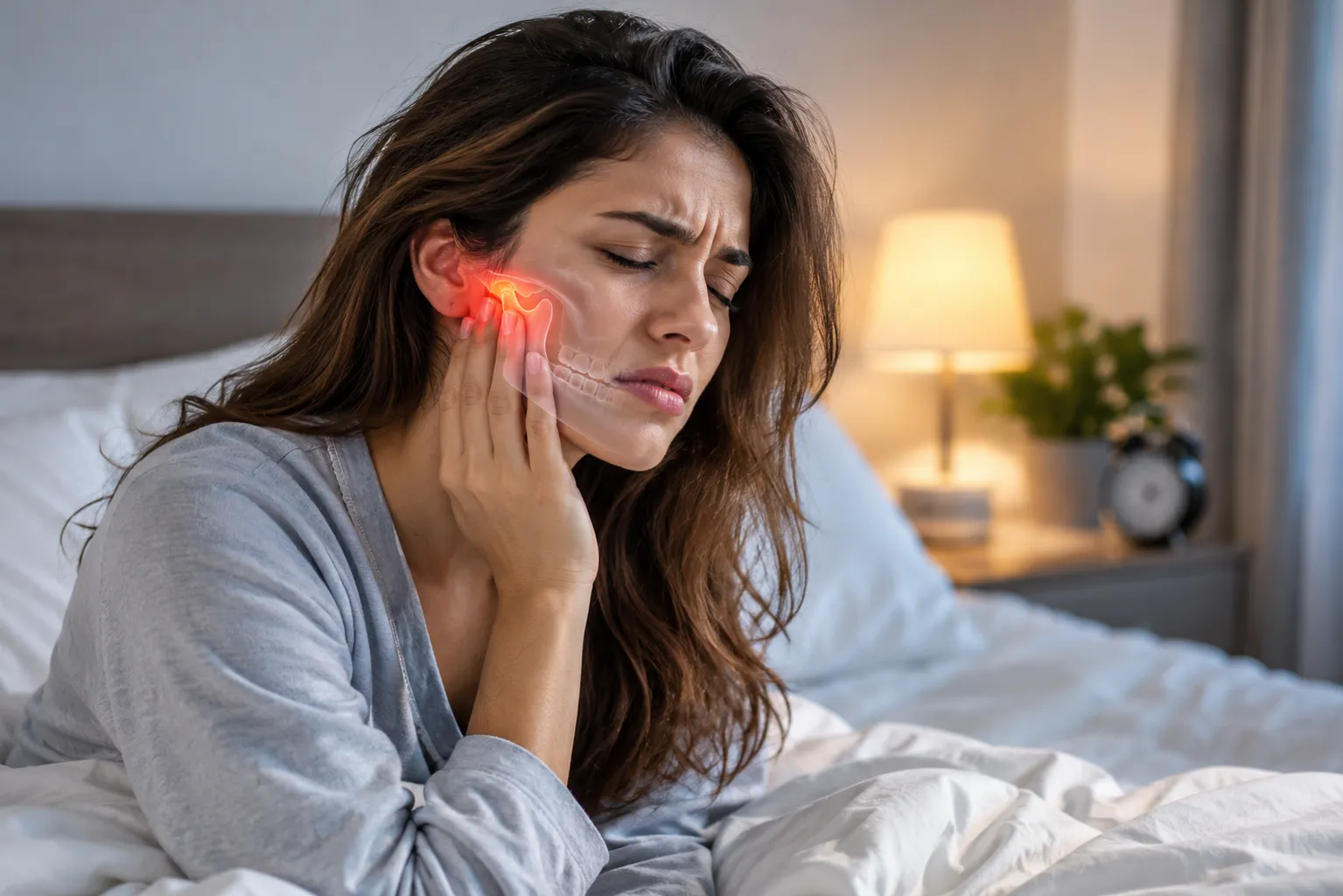
Over time, teeth naturally experience wear and tear. Factors such as teeth grinding, acidic foods, soft drinks and aggressive brushing can accelerate enamel loss. As enamel becomes thinner, teeth may appear more yellow and become increasingly sensitive.
Unlike other parts of the body, enamel does not regenerate. Protecting it is essential for long-term oral health.
Ways to reduce enamel wear:
- Use a soft-bristled toothbrush
- Avoid brushing immediately after acidic foods
- Reduce consumption of soft drinks
- Wear a night guard if you grind your teeth
5. Dry Mouth
Dry mouth is often overlooked, yet it can significantly affect oral health. Saliva helps wash away food particles and neutralise acids. When saliva production decreases, the risk of tooth decay and gum disease increases.
Many medications commonly prescribed to adults can contribute to dry mouth.
Symptoms include:
- Constant thirst
- Sticky feeling in the mouth
- Difficulty swallowing
- Increased cavities
- Bad breath
Drinking water regularly and discussing medication side effects with your dentist can help manage this condition.
6. Missing Teeth
Tooth loss is not just an issue for older adults. Untreated decay, gum disease and dental injuries can lead to missing teeth at any age. Missing teeth can affect chewing, speech and confidence while also causing neighbouring teeth to shift out of position.
Modern treatment options such as dental implants, bridges and dentures can restore both function and appearance.
7. Oral Cancer Risks Increase with Age
Although oral cancer is less common than cavities or gum disease, the risk increases as adults get older. Tobacco use, excessive alcohol consumption and certain viral infections are known risk factors.
Regular dental examinations play an important role in identifying suspicious changes early.
Warning signs:
- Mouth sores that do not heal
- White or red patches in the mouth
- Persistent pain
- Difficulty swallowing
- Lumps or thickened tissue
Early detection greatly improves treatment outcomes.
How to Protect Your Oral Health After 30?
Maintaining a healthy smile becomes even more important as you age. Simple daily habits can make a significant difference.
- Brush twice daily using fluoride toothpaste
- Floss between teeth every day
- Eat a balanced diet with limited sugar
- Drink plenty of water
- Avoid smoking and tobacco products
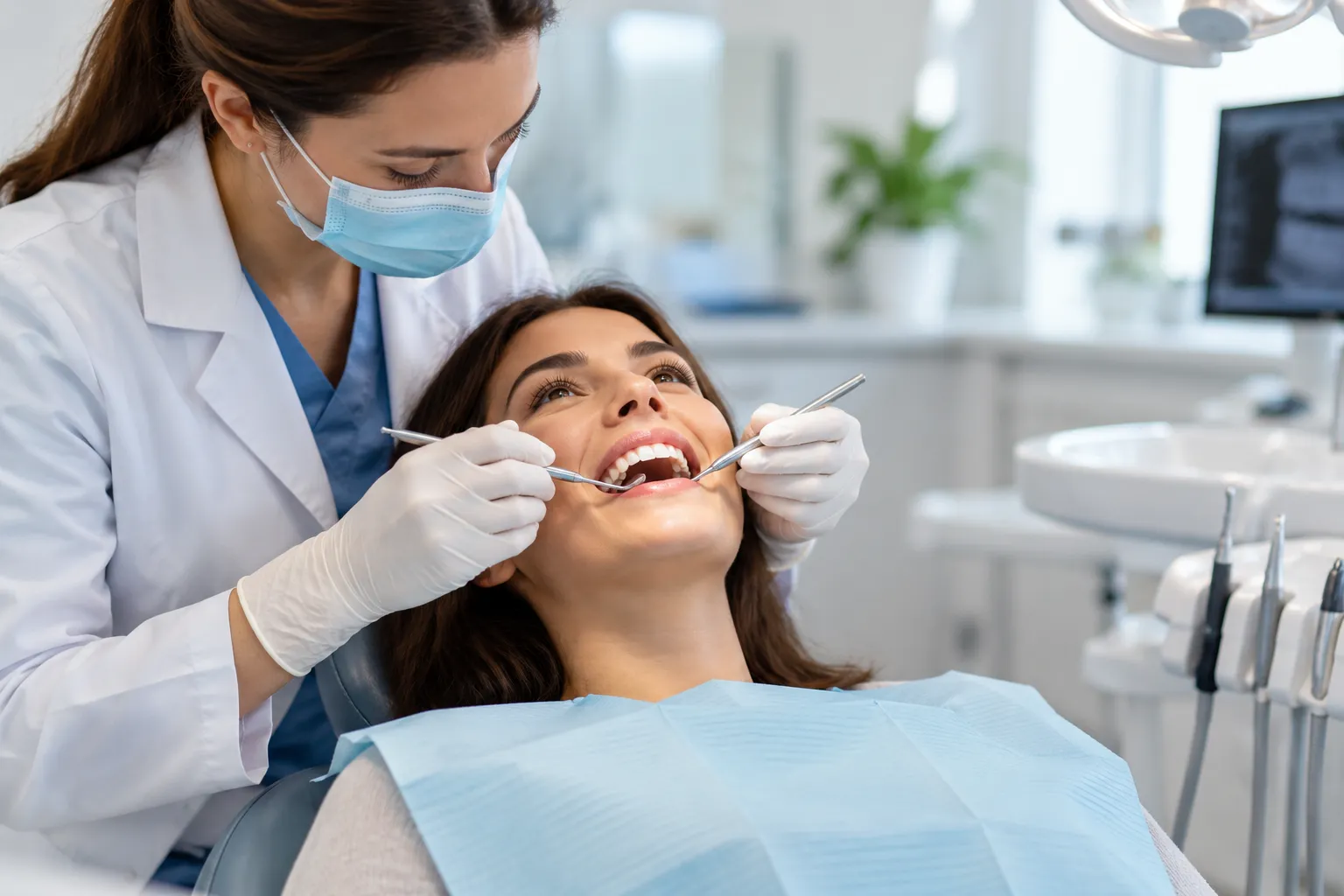
- Visit your dentist regularly
- Address dental issues early before they become more complex
A proactive approach can help prevent many common dental problems and reduce the need for extensive treatment later in life.
FAQs
Why do dental problems become more common after 30?
As we age, natural wear on teeth, lifestyle habits, stress, medications and changes in gum health can increase the likelihood of dental issues developing.
What is the most common dental problem in adults?
Gum disease and tooth decay are among the most common dental conditions affecting adults worldwide.
Can gum disease be reversed?
Early-stage gum disease, known as gingivitis, can often be reversed with professional cleaning and improved oral hygiene habits. More advanced stages require ongoing treatment.
How often should adults visit the dentist?
Most adults benefit from a dental check-up every six months, although your dentist may recommend a different schedule based on your oral health needs.
Is tooth sensitivity a sign of a serious problem?
Not always, but it can indicate issues such as cavities, gum recession, enamel erosion or cracked teeth. A dental examination can identify the underlying cause.
Can missing teeth affect overall health?
Yes. Missing teeth can impact chewing, nutrition, speech and jawbone health. Replacing missing teeth can help maintain oral function and quality of life.





























Sign in to leave a comment.