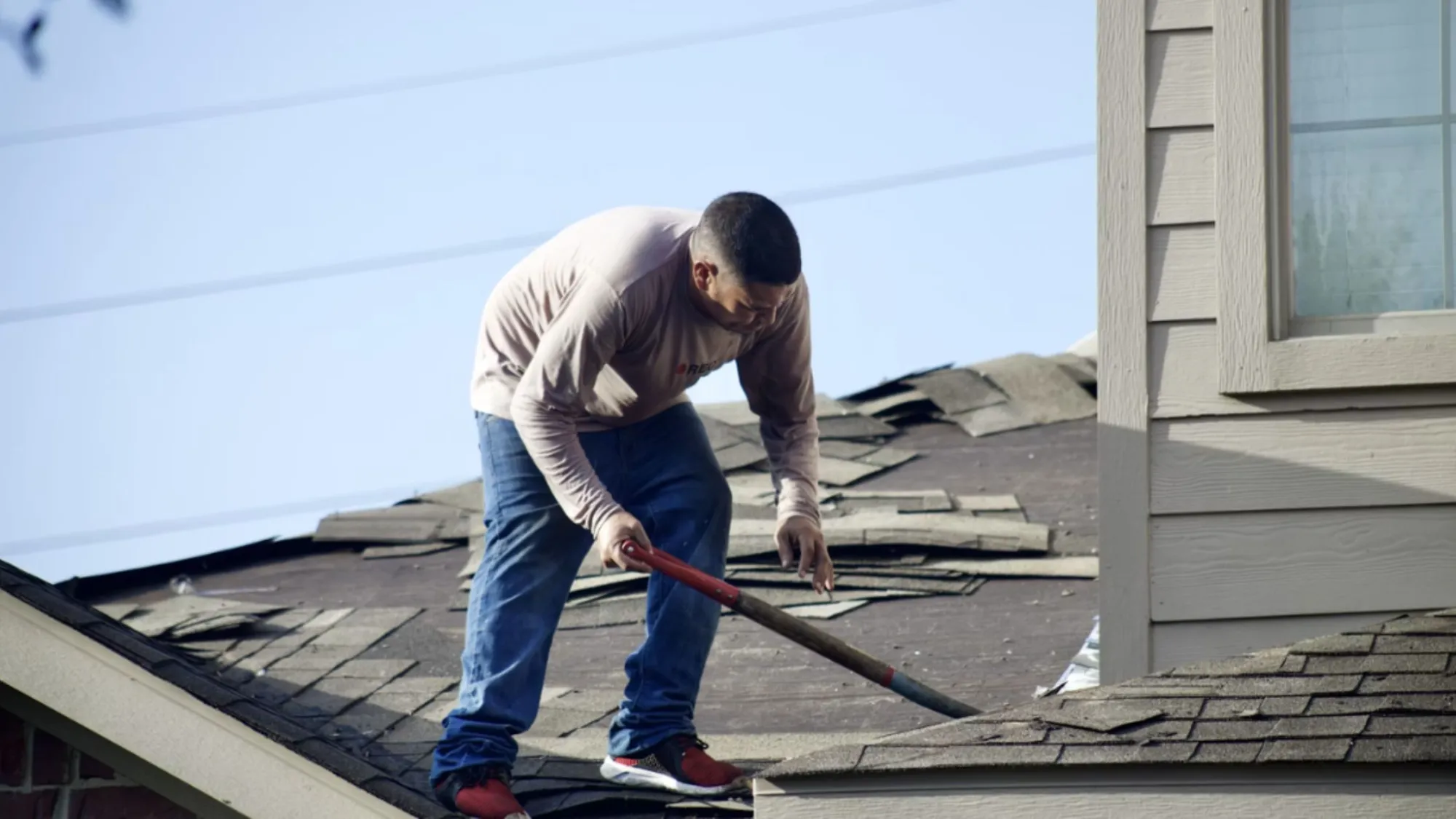

Extreme changes in our local weather push home roofing materials to their absolute limits month after month. Homeowners across the area watch local weather reports with worry as rough spring storms give way to hot summer days. Your roof takes the full beating from these weather shifts, acting as a constant shield against the elements. Small problems under the surface quickly grow during these seasonal changes, turning minor fixes into major repair jobs. Getting timely roofing repair services in Huntsville AL stops small leaks from ruining the safety of your family home. Paying close attention to how our weather affects your shingles keeps your living spaces dry and your repair bills low.
Water is the single biggest threat to the life of a standard home roof. The heavy humidity in our region creates a perfect setup for slow, quiet rot to take hold out of sight. Asphalt shingles protect your home by throwing off rainwater, but they need a perfectly sealed setup of metal trim to do their job right. When high winds shift these protective layers even a tiny bit, water finds an immediate way in. This wetness creeps into the wooden roof boards, causing the wood to soften and rot over time. Catching these hidden weak spots early saves you from the massive bill of a sudden, total roof replacement.
Why Does Summer Heat Cause Shingles to Crack?
July and August bring endless sunshine that bakes home roofs for twelve hours a day. Asphalt shingles soak up this heat, causing roof temperatures to rise well over one hundred degrees. This extreme heat dries out the natural oils in the shingles over time, making them brittle and stiff. Once the material loses its ability to stretch, it can no longer expand and shrink safely as the evening air cools down.
This constant movement splits the shingles and breaks the glue holding them together. As the shingles get dry and brittle, their protective stone coating starts to loosen and wash away into your gutters. Without this outer stone layer, the bare shingles sit completely exposed to the harsh sun. This fast aging leaves your home wide open to the very next heavy rain that moves through your neighborhood.
How Do Clogged Valleys Ignite Major Ceiling Leaks?
The valleys of your roof are the deep V-shaped channels where two different slopes meet to run water downward. These areas handle the highest amount of rainwater during a typical local thunderstorm. When leaves, pine needles, and small twigs pile up in these channels, they create natural dams that block the flow of water. Instead of rushing safely down into your gutters, the trapped water pools in the valley and rises up over the edges of the shingles.
Standing water easily gets past old underlayment and works its way through the wood seams below. You might not notice the problem until a large, ugly brown stain shows up on your living room ceiling. Regular roof checks ensure these critical water paths stay completely clear of trash all year long. Setting up routine Roof Maintenance in Huntsville AL is the most reliable way to keep your valleys clean and your home fully safe.
Primary Indicators of Storm Related Degradation
- Bruised Shingle Surfaces: Hail hits leave soft, dented spots on shingles that break the strong inner matting completely.
- Lifted and Loose Tabs: High winds catch the edges of shingles, breaking the glue seal and leaving them flapping in the breeze.
- Exposed Roof Decking: Severe windstorms can tear whole shingle pieces away, leaving the bare wood completely open to the rain.
- Granule Accumulation: Finding heavy layers of black, sand-like grit in your downspouts means your shingles are losing their protection.
- Creased Shingle Bodies: Wind can fold a shingle upward without tearing it off, creating a permanent crack along the top edge.
Long Term Protection Through Preventative Measures
- Scheduled Visual Checkups: Looking at your roofline from the ground after every big storm helps you spot missing pieces early.
- Professional Attic Inspections: Checking your attic for good airflow stops extreme heat from baking your shingles from underneath.
- Immediate Flashing Repairs: Replacing cracked rubber boots around vent pipes stops the most common source of home leaks.
- Tree Branch Management: Trimming back long tree limbs stops branches from rubbing against your shingles and scratching off the stones.
- Gutter Clearance Routines: Keeping your gutter tracks clean ensures that water moves away from your roof edge without backing up.
Ignoring the small warning signs of roof wear ensures that nature will eventually force an expensive fix on your home. From loose metal trim around chimneys to tiny cracks caused by falling hail, small problems never stay small for long. Taking care of your property early stops unexpected emergencies and keeps your family safe through every storm.
The Bottom Line
A family home needs regular checks and expert care to stand up to the tough weather patterns of our region. 2nd2None Roofing & Construction offers a full list of inspection and shingle repair options built specifically to fight local weather wear. Their experienced field workers find hidden wind damage, seal weak valleys, and replace old metal trim before water enters the home. Property owners get the benefit of their honest checks, top asphalt shingle options, and dependable labor warranties. Instead of stressing over the state of an aging roof after a bad storm, homeowners can trust these local specialists to secure their properties. Reaching out to their team ensures that your home gets the exact upkeep needed to deliver lasting safety and true peace of mind.




























Sign in to leave a comment.