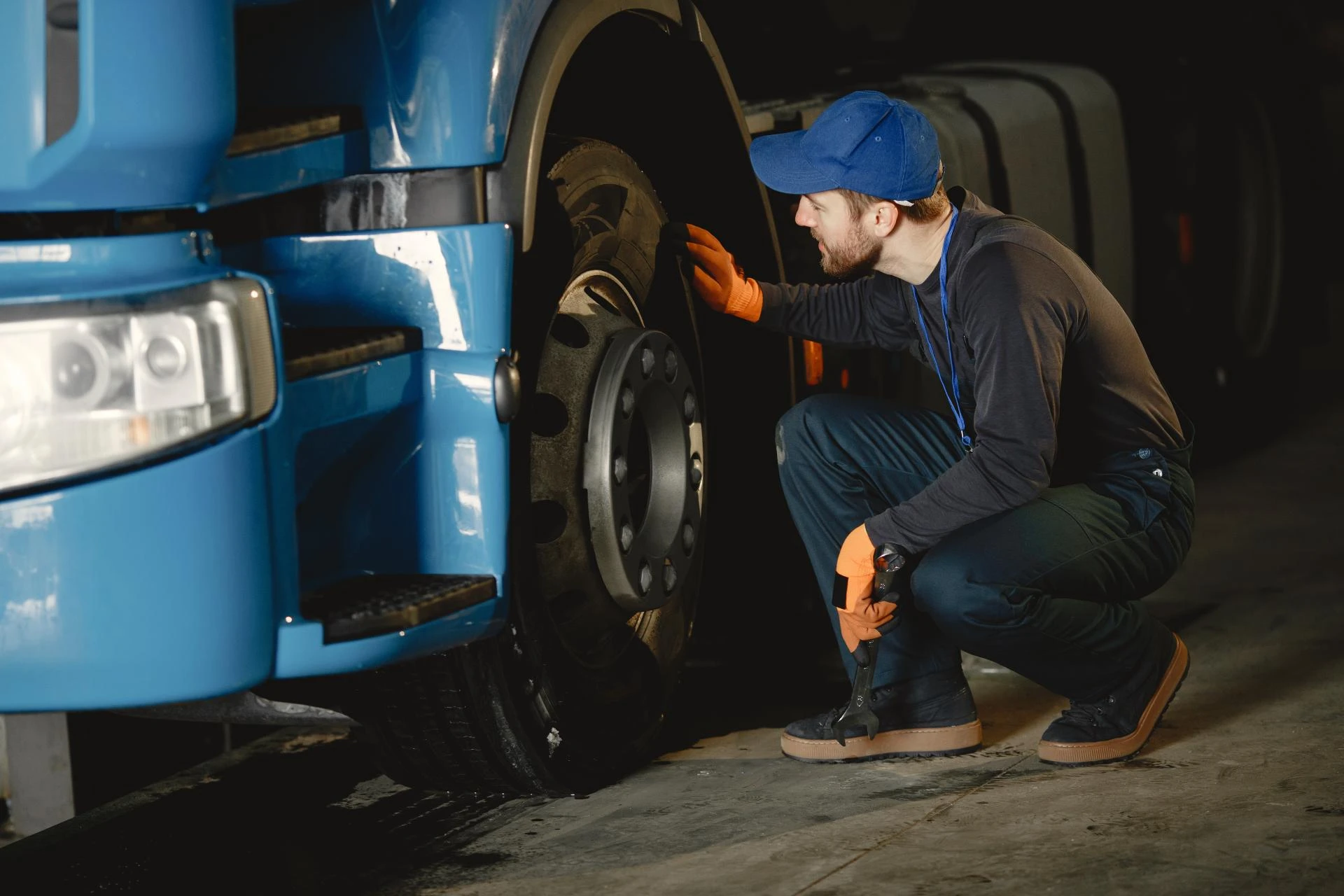

Proper trailer brake replacement is essential for safe towing. Worn-out or faulty brakes can reduce stopping power, create hazardous driving conditions, and lead to expensive repairs. Recognizing the signs of failing brakes and performing a timely trailer brake replacement can help prevent accidents and keep your towing experience smooth and secure.
Signs That Your Trailer Brakes Need Replacement
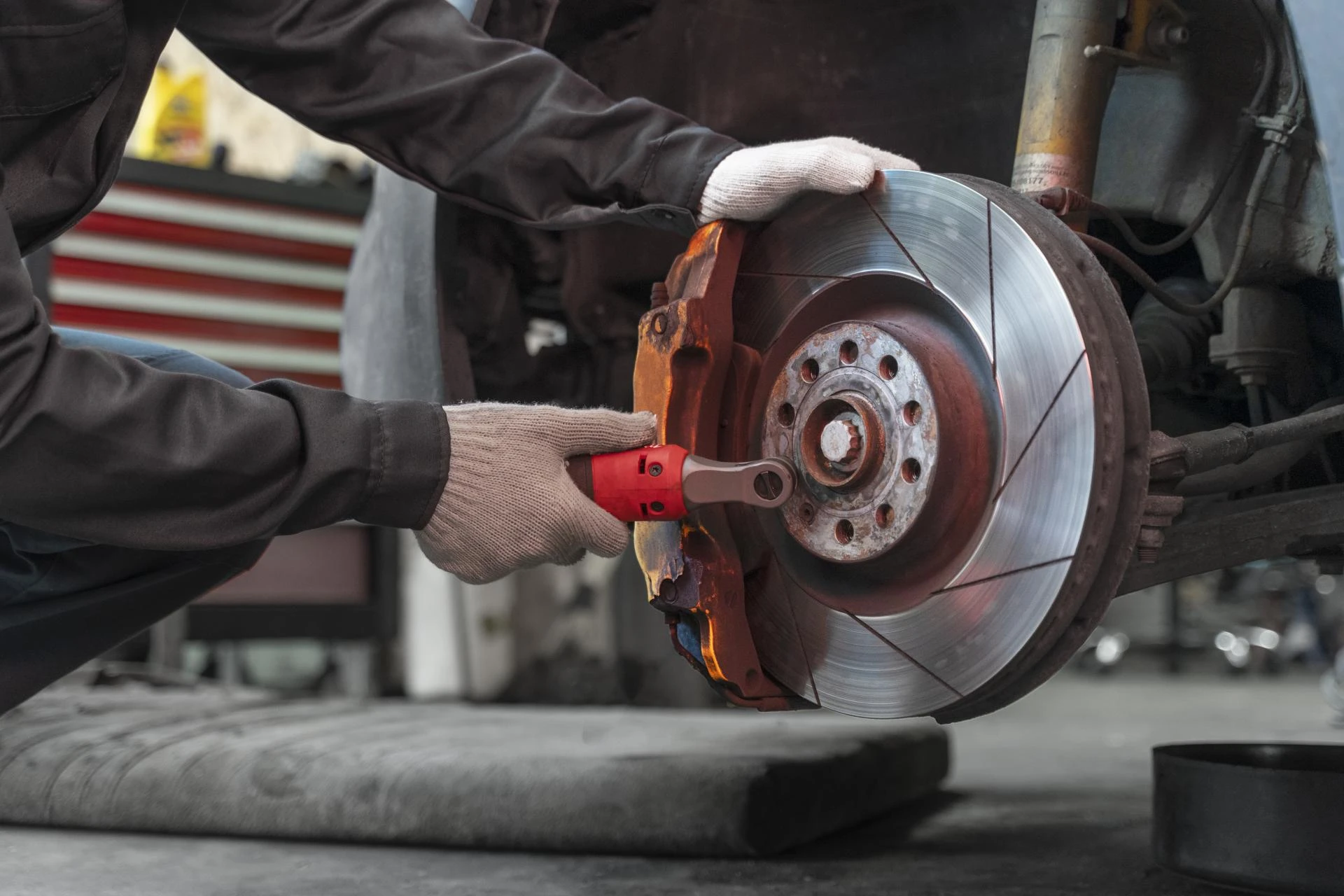
1. Reduced Braking Power
A failing trailer brake system reveals itself through reduced braking strength that can be readily observed. The trailer brakes require increased towing vehicle brake effort because they might be either damaged or receiving improper mechanical adjustment.
2. Unusual Noises
Worn-out brake pads and shoes produce squelching sounds while brake shoes generate grinding noises or scraping noises. The loud noises indicate that the braking parts are scraping metal against metal which will result in severe damage unless proper repair occurs right away.
3. Excessive Vibrations or Pulling to One Side
If you feel vibrations or shaking when braking, it could mean the brake drums or rotors are warped. Additionally, if your trailer pulls to one side when braking, it may be due to uneven brake wear or a malfunctioning brake system on one side.
4. Overheating Brakes
After a long trip or descending steep grades, check if your trailer’s brake hubs are excessively hot. Overheating can indicate that the brakes are dragging or not releasing properly, which can lead to brake failure if left unchecked.
5. Trailer Pushing the Tow Vehicle
If you notice that your trailer feels like it’s pushing your tow vehicle forward when you brake, it could mean the trailer’s brakes aren’t engaging properly. This could be due to worn-out brake pads, an issue with the brake controller, or a malfunctioning actuator in hydraulic brake systems.
How to Fix Failing Trailer Brakes
1. Inspect and Replace Brake Pads or Shoes
Regularly check the condition of your brake pads (for disc brakes) or brake shoes (for drum brakes). If they appear thin, cracked, or excessively worn, it’s time to replace them. Make sure to choose high-quality replacement parts for optimal performance.
2. Adjust the Brake Controller
For trailers with electric brakes, ensure the brake controller is properly calibrated. If the braking feels too weak or too aggressive, adjust the settings to achieve smooth and even braking.
3. Check and Replace Brake Fluid (For Hydraulic Brakes)
Low or contaminated brake fluid can cause hydraulic trailer brakes to fail. Check the fluid level and look for any signs of air bubbles or contamination. If needed, flush and replace the brake fluid with the recommended type.
4. Inspect and Replace Brake Drums or Rotors
Warped or excessively worn brake drums and rotors can compromise braking efficiency. If you notice uneven wear or deep grooves, it’s best to replace these components.
5. Lubricate Moving Parts
Brake connecting rods and pivot points should be lubricated properly to achieve smooth operation. Apply the specified grease that is intended for your brake system within the trailer.
6. Test and Replace the Trailer Brake Magnets (For Electric Brakes)
Through magnetic power the brakes use to activate brake shoes are found in electric trailer systems. The braking force required to operate trailer brakes decreases when trailer magnets show indications of damage or fraying. The implementation of fresh magnets will enhance brakes by resolving existing operational problems.
Final Thoughts
The care of trailer brakes stands as a fundamental aspect which cannot be ignored. Autonomous trailer brake maintenance with proper inspections and swift component replacements helps ensure roadway safety. Trailer brake replacement must happen without delay when you see any of the described signs. Early issue intervention helps prevent costly repairs thus ensuring smooth towing performance for each trip.
























Sign in to leave a comment.