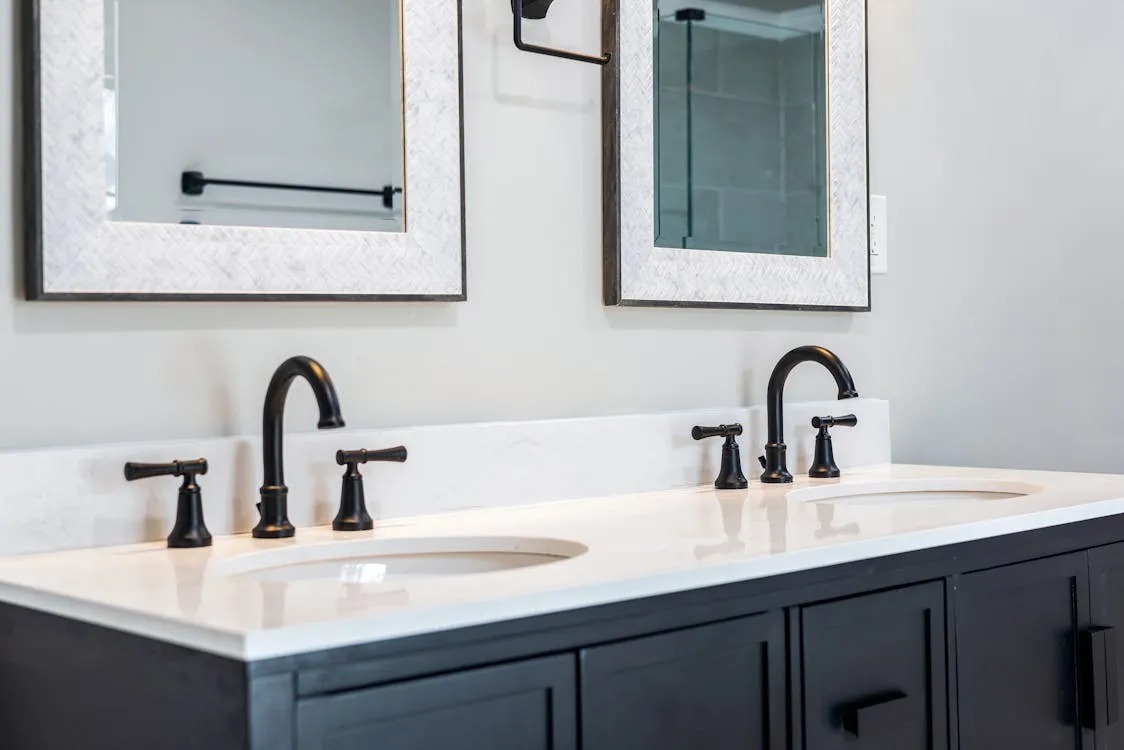

Clean water is one of the most important parts of a healthy and comfortable home. Families rely on their plumbing systems every day for drinking, cooking, bathing, cleaning, and laundry. As water is used so often, even small changes in quality can become noticeable quickly. Homeowners who maintain residential plumbing systems often recognize early signs such as strange tastes, cloudy water, or staining around fixtures before the problem worsens.
Many residential water quality issues develop gradually. A strange taste, unusual odor, or reduced water performance may seem minor at first, but these signs often indicate underlying plumbing or water supply concerns. Understanding the most common causes of poor water quality can help property owners act early and avoid more serious system problems later.
Why Water Quality Changes in Homes
Water may leave a treatment facility or well source in acceptable condition, but it still has to travel through supply lines and household plumbing before reaching taps. During that process, several factors can affect quality. Aging pipes, mineral-heavy groundwater, corrosion, sediment, and buildup inside fixtures can all change how water looks, smells, tastes, or performs.
Some issues come from the municipal supply, while others develop inside the home’s plumbing system. Because of this, identifying the true source of the problem is an important first step. Homeowners who schedule regular, affordable plumbing inspections often discover early warning signs before water quality concerns become more disruptive.
Sediment and Cloudy Water
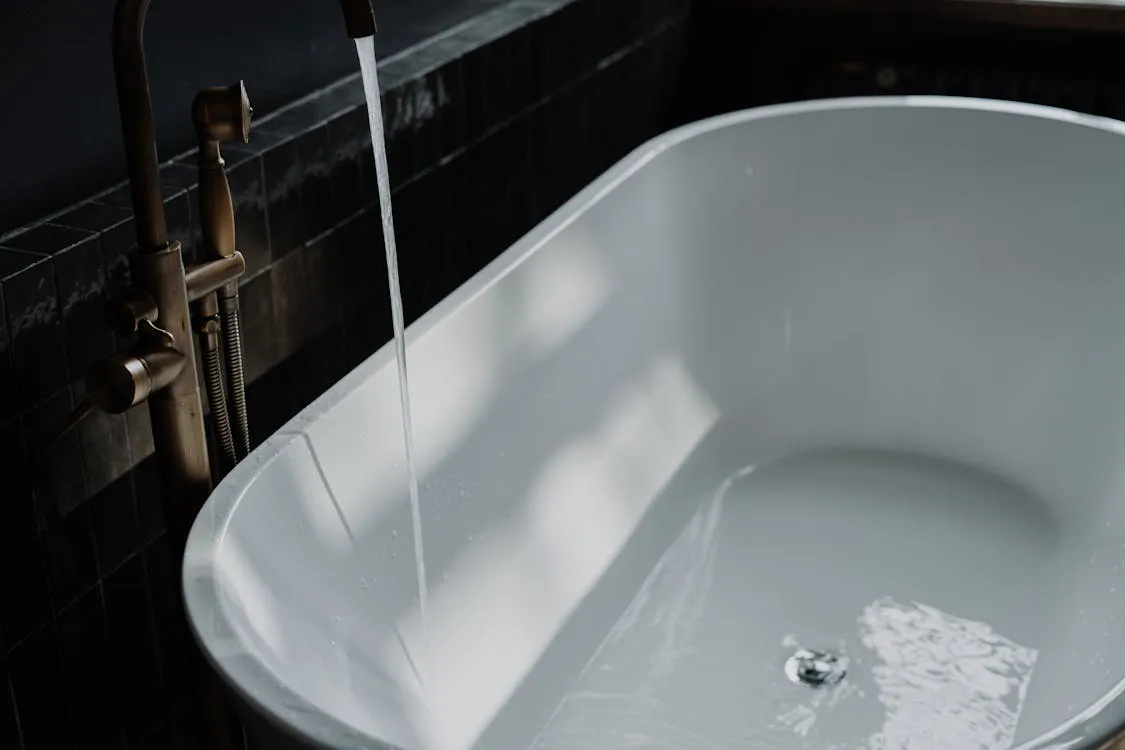
Sediment is one of the most common water complaints in residential plumbing systems. Tiny particles such as sand, dirt, rust, or debris may enter the water through aging infrastructure, well systems, or deteriorating pipes. These particles can make water appear cloudy or leave visible residue in sinks and tubs.
Sediment may also clog faucet aerators, reduce water flow, and collect inside water heaters. When buildup accumulates inside heating equipment, efficiency can decline, and operating costs may increase. In some cases, professional flushing or water heater repair may be needed to restore performance.
Hard Water and Mineral Buildup
Hard water contains elevated levels of dissolved minerals such as calcium and magnesium. While it is common in many areas, hard water can create ongoing maintenance problems throughout the home. Mineral deposits often appear as white scales on faucets, showerheads, dishes, and appliances.
Over time, scale may also form inside plumbing lines and valves. This can restrict flow, reduce fixture performance, and increase wear on water-using appliances. Water softening systems are often used to reduce mineral content and help extend the life of plumbing equipment.
Corrosion and Pipe-Related Contaminants
Older homes sometimes have plumbing systems made from materials that corrode with age. As pipes deteriorate internally, they may release particles or metals into the water supply. Homeowners may notice brown water, reddish discoloration, metallic taste, or blue-green stains around drains and fixtures.
Corrosion can also weaken pipe walls and eventually lead to leaks. When systems are heavily deteriorated, repairs alone may not be enough. In those cases, pipe replacement may be recommended to improve both water quality and long-term plumbing reliability.
Odors and Taste Problems
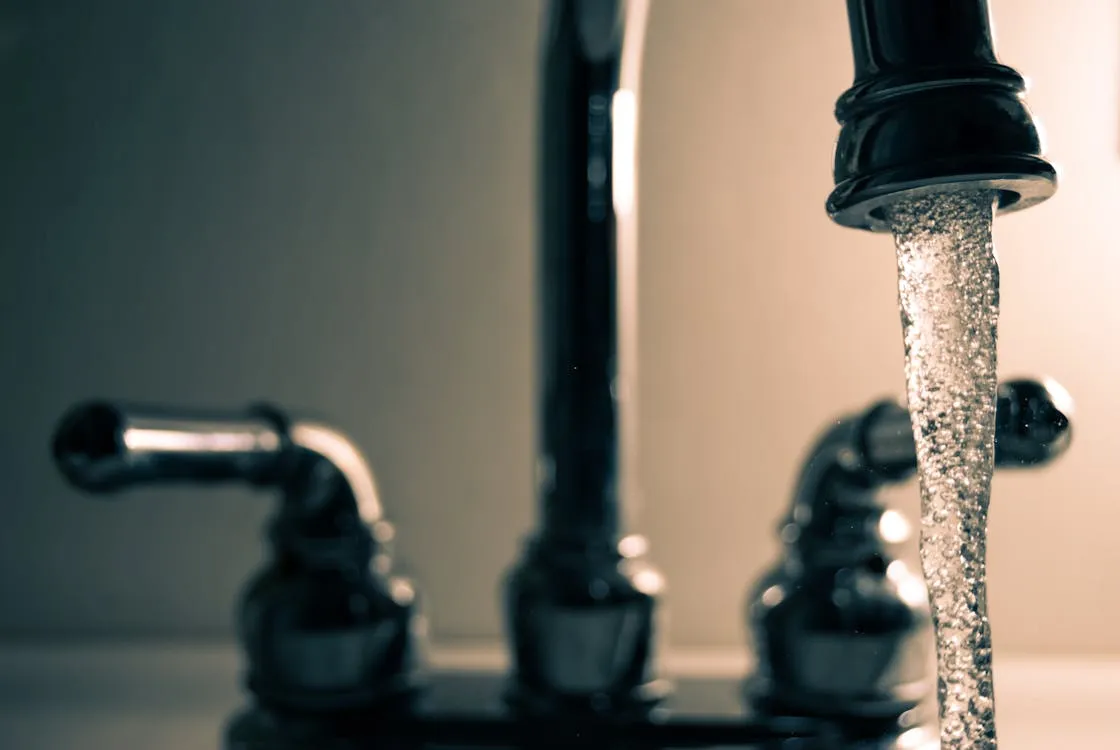
Unpleasant tastes or odors are another common concern. Municipal water often contains chlorine or chloramine used during treatment, which can leave a chemical taste or smell. While generally safe in approved amounts, many homeowners prefer to improve the water taste with filtration.
A rotten egg odor may indicate hydrogen sulfide gas or bacterial activity, especially in well systems or water heaters. If the smell only occurs with hot water, the water heater may be the source. Professional testing can help determine the exact cause and the most effective solution.
How Water Quality Affects Plumbing Performance
Poor water quality does more than affect drinking water. It can also reduce plumbing system efficiency. Mineral scale can narrow pipes, sediment can clog fixtures, and corrosive water can damage valves and fittings. Appliances such as dishwashers, washing machines, and water heaters may also wear out faster when water quality issues are left unresolved.
Even small problems can add up over time. Lower water pressure, repeated fixture repairs, and shortened equipment lifespan are often linked to untreated water conditions.
Why Professional Evaluation Matters
Many water quality issues cannot be diagnosed by appearance alone. Clear water may still contain hardness minerals, pH imbalance, or other dissolved substances. Professional inspections and water testing help determine whether the issue involves the supply source, plumbing materials, or household equipment.
Once the cause is identified, the right solution may include filtration, softening systems, pipe upgrades, heater maintenance, or fixture repairs. If buildup is affecting drainage as well, services such as drain cleaning may also help improve overall plumbing performance.
Dependable Help for Better Water Quality
Homeowners dealing with stains, odors, cloudy water, mineral buildup, or changing water performance can contact J&B Drain Cleaning & Plumbing Service for experienced assistance. They provide water heater repair in East Islip, NY, inspections, plumbing upgrades, and dependable solutions designed to improve water quality and protect residential plumbing systems. Their team operates throughout different regions of New York, so feel free to get in touch with them and get the right plumbing solutions.
Author Bio
Daniel Rush is a home services writer who focuses on residential plumbing, drainage systems, and water quality education. He works with contractors and industry professionals to create practical resources that help homeowners understand common plumbing issues and make informed maintenance decisions.
































Sign in to leave a comment.