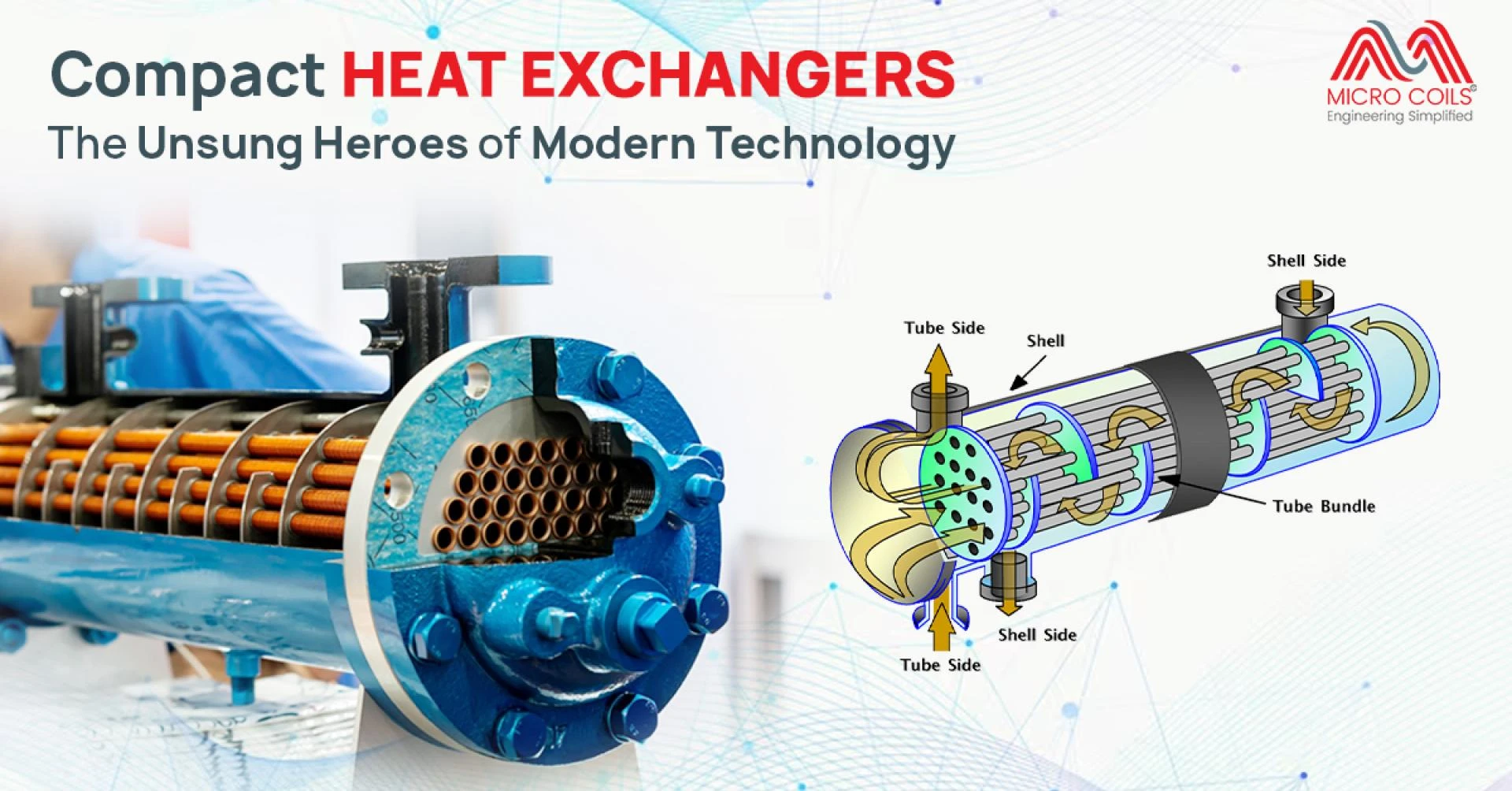

Heat moves everywhere around us, and managing it efficiently has become one of the most critical challenges in today's world. Compact heat exchangers emerge as powerful solutions that transfer thermal energy between fluids while occupying minimal space. These ingenious devices have revolutionized industries by providing efficient thermal management in applications where traditional systems simply won't fit.
Understanding the Basics
What exactly makes a heat exchanger "compact"? The answer lies in their exceptionally high surface area-to-volume ratio, typically exceeding 700 square meters per cubic meter. Unlike conventional shell-and-tube designs, compact units pack tremendous heat transfer capability into remarkably small packages. Manufacturing these devices requires precision engineering, as every millimeter counts when maximizing thermal performance within strict spatial constraints.
Automotive Applications Drive Innovation
Modern vehicles represent perhaps the most demanding environment for compact heat exchangers. Engine cooling systems must dissipate enormous amounts of heat while fitting within increasingly cramped engine compartments. Radiators have evolved from simple tube-and-fin designs to sophisticated microchannel configurations that boost cooling efficiency by up to 40%. Air conditioning condensers in today's cars utilize aluminum brazed cores that weigh significantly less than traditional copper units while delivering superior performance.
Turbocharger intercoolers present another fascinating application where compact design proves essential. These heat exchangers must rapidly cool compressed air in the limited space between the turbocharger and engine intake. Advanced designs incorporate offset-fin geometries that create turbulent flow patterns, dramatically improving heat transfer coefficients. Electric vehicle battery cooling systems also rely on compact plate-and-frame exchangers that maintain optimal cell temperatures during charging and operation.
Aerospace Demands Extreme Performance
Aircraft applications push compact heat exchanger technology to its absolute limits. Weight restrictions in aviation mean every gram matters, making compact designs not just preferable but mandatory. Environmental control systems in commercial aircraft use primary and secondary heat exchangers that condition cabin air while operating at 35,000 feet where outside temperatures plummet to -70°F. These systems must function flawlessly across extreme temperature differentials while consuming minimal power.
Military aircraft require even more specialized solutions. Fighter jets generate tremendous heat from engines and electronics while maneuvering through rapid altitude and temperature changes. Compact heat exchangers in these applications often incorporate exotic materials like titanium and Inconel to withstand the harsh operating environment. Helicopter transmissions use compact oil coolers that must operate reliably despite constant vibration and G-force variations.
Industrial Process Applications
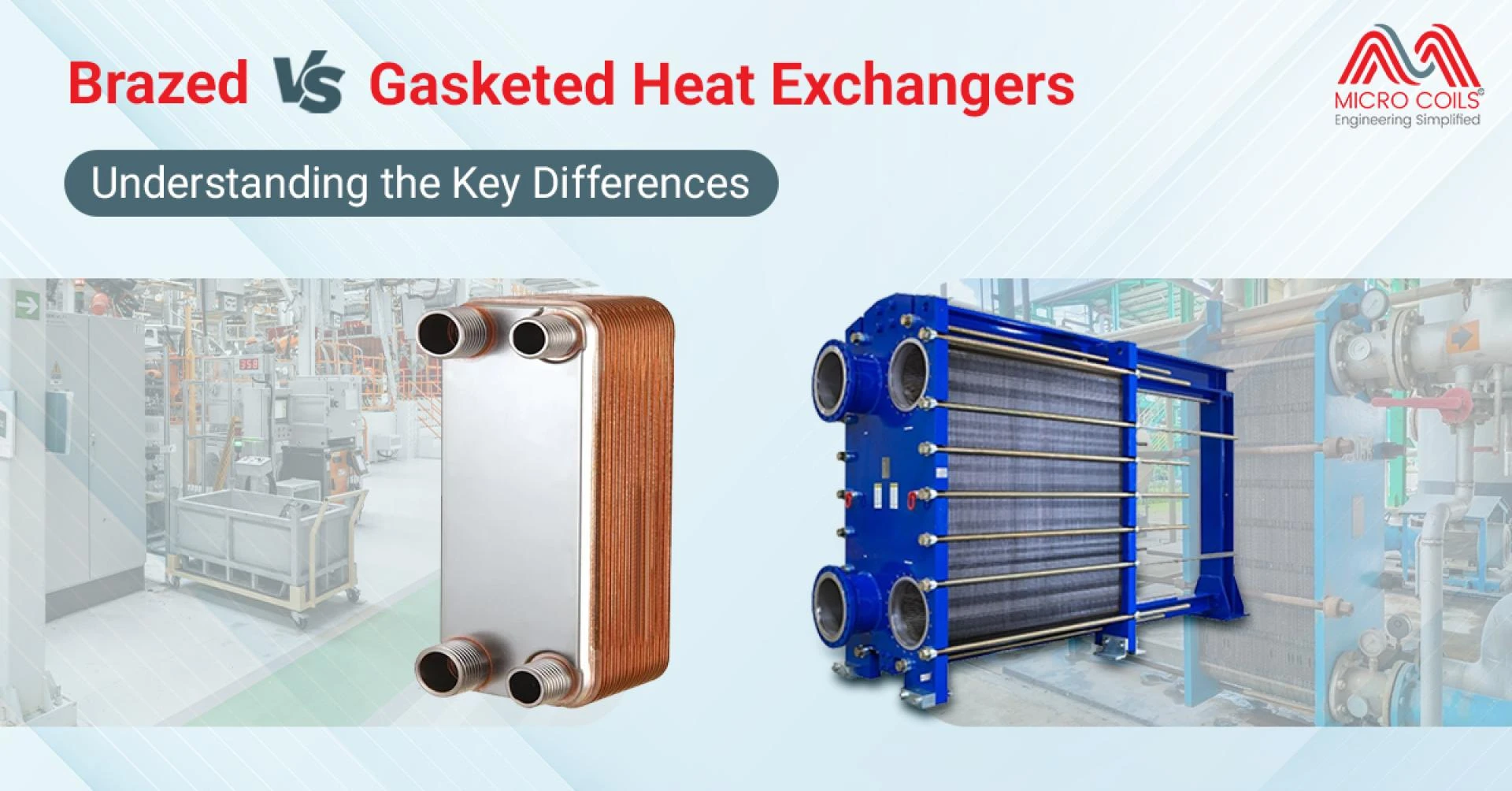
Chemical processing plants increasingly rely on compact heat exchangers for critical thermal management tasks. Petrochemical refineries use plate-and-frame units for heat recovery applications that improve overall energy efficiency by 15-20%. These installations can process thousands of gallons per minute while occupying floor space equivalent to traditional units handling half the capacity. Pharmaceutical manufacturing demands precise temperature control during drug synthesis, where compact brazed plate exchangers provide the exact thermal profiles required for consistent product quality.
Food and beverage processing represents another growing market for compact thermal solutions. Pasteurization systems use plate heat exchangers that rapidly heat milk or juice to specific temperatures before immediately cooling it down. The compact design allows for precise temperature control while minimizing product residence time, preserving flavor and nutritional content. Brewery operations employ compact units for wort cooling, fermentation temperature control, and final product conditioning.
Marine and Offshore Challenges
Ships and offshore platforms operate in some of the world's most corrosive environments, making material selection crucial for compact heat exchanger success. Seawater cooling systems must resist chloride corrosion while maintaining thermal performance over decades of operation. Modern naval vessels use titanium tube compact exchangers that withstand seawater exposure while providing exceptional heat transfer characteristics. Offshore oil platforms rely on compact shell-and-plate designs for process cooling applications where space comes at an absolute premium.
Cruise ships present unique challenges where passenger comfort meets operational efficiency. HVAC systems use compact heat recovery units that capture waste heat from engines and repurpose it for cabin heating and hot water production. These systems significantly reduce fuel consumption while maintaining the luxury standards passengers expect. Submarine applications require cooling solutions that operate silently while managing heat from nuclear reactors and electronic systems in extremely confined spaces.
HVAC and Building Applications
Commercial buildings increasingly adopt compact heat exchangers for energy-efficient climate control. Heat recovery ventilators use compact cores that transfer thermal energy between incoming and outgoing air streams, reducing heating and cooling loads by up to 80%. Data centers rely on compact liquid cooling systems that remove heat directly from server components, enabling higher processing densities while reducing energy consumption.
Recommended Read - What to Expect from an AC Evaporator Coil Inspection
Residential applications have also embraced compact technology. Mini-split air conditioning systems use microchannel evaporators and condensers that deliver superior performance while maintaining quiet operation. Geothermal heat pump systems employ compact ground-source heat exchangers that transfer thermal energy to and from the earth with remarkable efficiency. These systems provide year-round comfort while consuming significantly less energy than traditional HVAC equipment.
Power Generation and Energy Recovery
Power plants utilize compact heat exchangers for numerous critical applications. Combined-cycle gas turbines use compact recuperators that preheat combustion air using exhaust gas energy, improving overall plant efficiency by 5-10%. Nuclear facilities employ compact steam generators that transfer heat from reactor coolant to secondary steam cycles while meeting stringent safety requirements. Solar thermal installations use compact receiver designs that efficiently transfer concentrated solar energy to working fluids.
Waste heat recovery systems represent a rapidly growing application area where compact designs excel. Industrial facilities use compact organic Rankine cycle systems that convert low-grade waste heat into useful electricity. These installations often retrofit existing processes, where space constraints make compact designs the only viable option. Cement plants, steel mills, and glass manufacturers increasingly adopt these systems to improve overall energy efficiency while reducing environmental impact.
Emerging Technologies and Future Directions
Additive manufacturing opens exciting possibilities for compact heat exchanger design. 3D printing enables complex internal geometries impossible to achieve through traditional manufacturing methods. Lattice structures and biomimetic designs inspired by natural heat transfer mechanisms show tremendous promise for next-generation applications. Any reputable heat exchanger manufacturer now invests heavily in additive manufacturing capabilities to stay competitive in this evolving market.
Nanotechnology integration represents another frontier where compact heat exchangers continue advancing. Nanofluid applications enhance thermal conductivity while maintaining acceptable pressure drop characteristics. Surface modification techniques using nanocoatings improve heat transfer coefficients while providing corrosion resistance in challenging applications.
Conclusion
Compact heat exchangers have transformed how we manage thermal energy across countless applications. From automotive cooling systems to aerospace environmental control, these devices enable technologies that define modern life. As energy efficiency becomes increasingly important and space constraints grow tighter, compact heat exchangers will continue playing vital roles in developing sustainable solutions for tomorrow's challenges. Their versatility, efficiency, and space-saving characteristics make them indispensable components in our increasingly complex technological landscape.






























Sign in to leave a comment.